Why Small Pet Myths Do Real Damage
Small pets are often marketed as easy starter animals — low cost, low effort, low commitment. That framing sets the stage for serious care failures. When owners believe a hamster needs only a tiny cage and a wheel, or that fish feel no stress, they make decisions that compromise welfare without realizing it.
These myths persist because small animals rarely display distress in ways humans easily recognize. A bored rabbit won't bark. A vitamin-deficient guinea pig won't show obvious symptoms until illness is advanced. The result is suffering that goes unnoticed until it becomes an emergency.
This article addresses the most consequential misconceptions head-on, with care guidance grounded in current animal behavior science and veterinary consensus. For context on how similar myth-busting applies across species, see our common cat health myths veterinarians keep correcting and dog nutrition myths vets frequently correct.
Myth
Hamsters are low-maintenance pets perfect for beginners and children.
Fact
Hamsters have complex behavioral and environmental needs, including large enclosures, enrichment, and nocturnal schedules that conflict with many households.
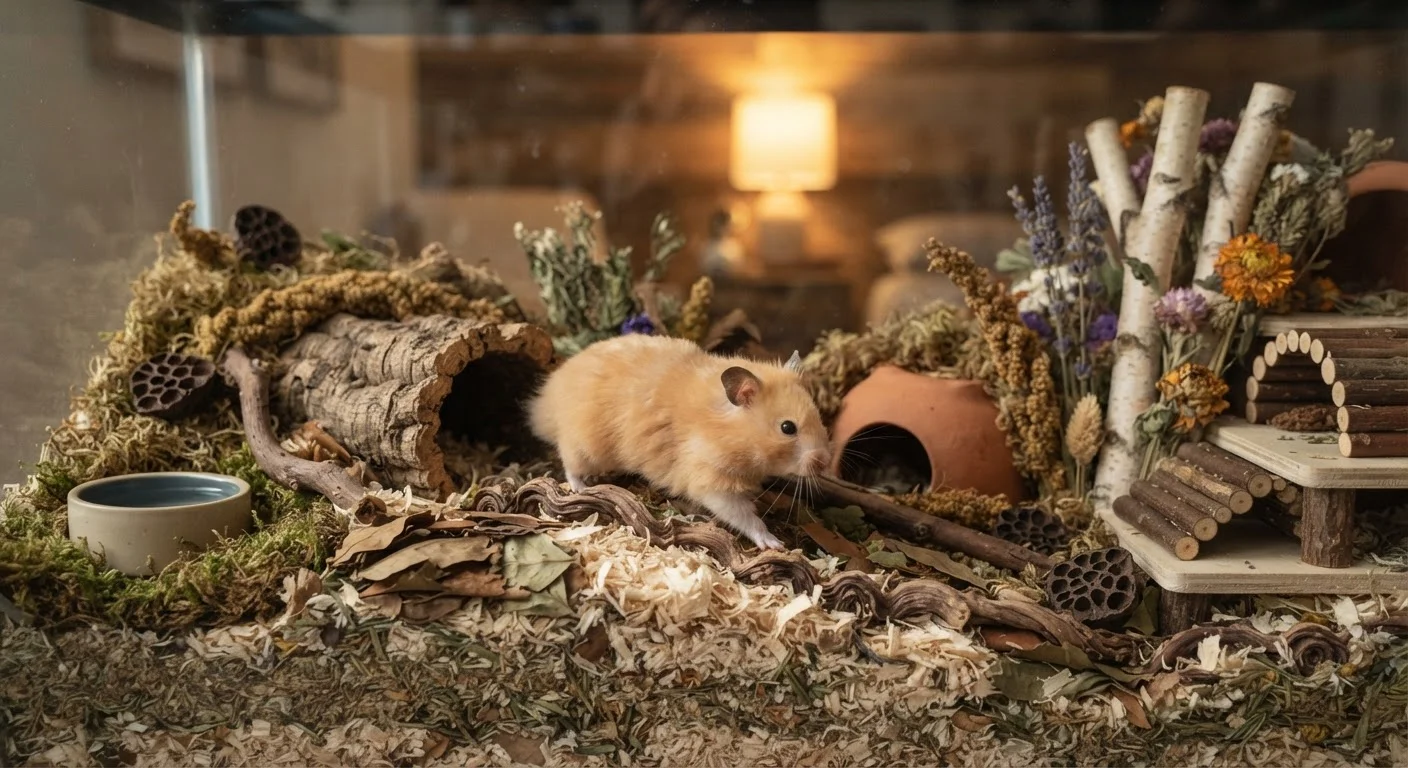
Wild hamsters travel several miles nightly and excavate deep burrow systems. In captivity, that drive does not disappear. Minimum enclosure sizes recommended by many exotic animal welfare organizations are substantially larger than enclosures commonly sold in pet stores. A stressed hamster may bar-chew, bite, or develop stereotypic (repetitive, purposeless) behaviors — all signs of an inadequate environment, not a difficult personality.
Hamsters are also predominantly nocturnal, meaning they are most active when children are asleep, and waking them during the day causes genuine stress. Ownership is a real commitment requiring appropriate housing, species-correct diet, and regular veterinary care.
Myth
Fish have a three-second memory and don't experience stress or boredom.
Fact
Research demonstrates fish can retain memories for months and show measurable stress responses to poor water conditions and inadequate environments.
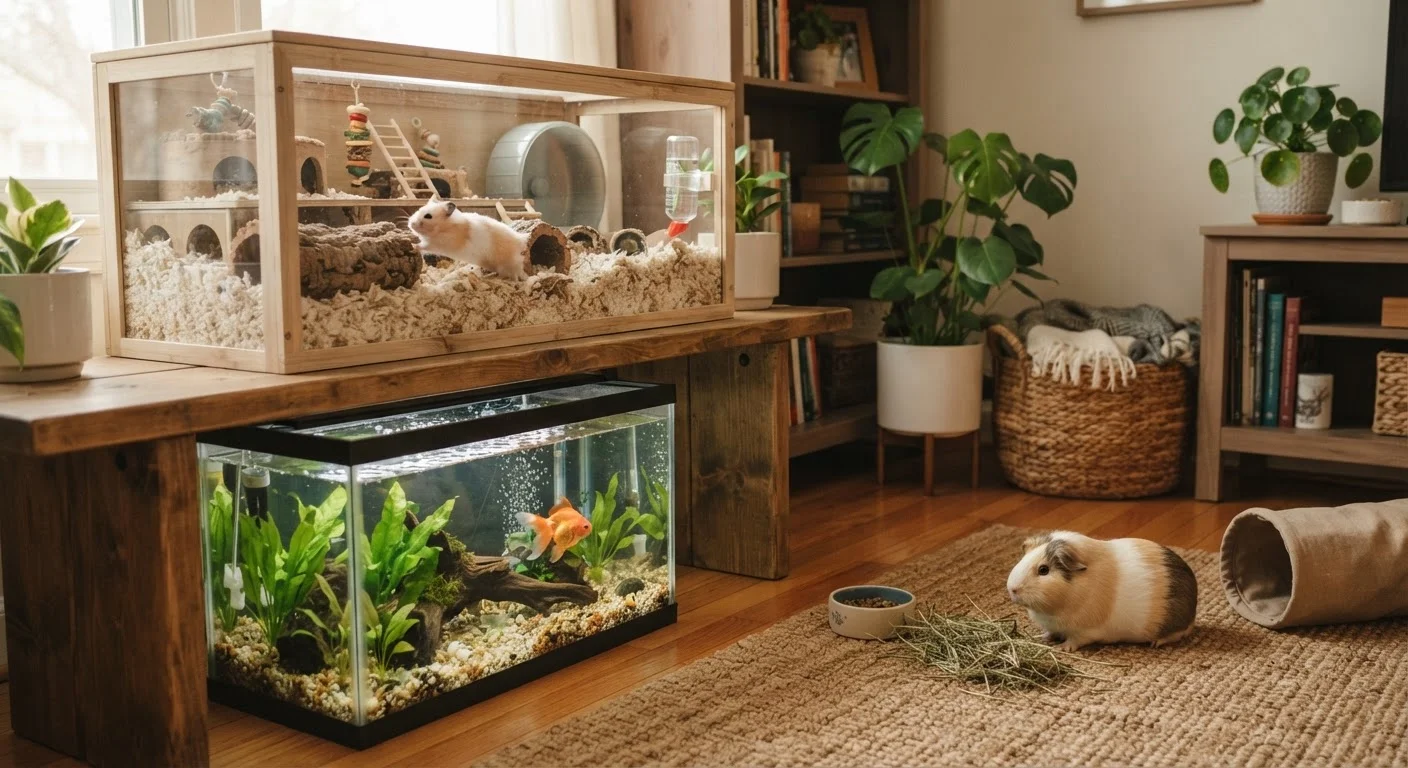
Studies on goldfish and other species have documented learning and memory retention lasting weeks to months. Fish also exhibit clear behavioral indicators of stress — erratic swimming, color changes, hiding, and reduced appetite — when water quality deteriorates or environments lack complexity.
Overcrowded tanks, incorrect water parameters, and missing hiding structures all cause chronic stress that suppresses immune function and shortens lifespan. The belief that fish are disposable or unaware of their surroundings leads directly to under-maintained aquariums and preventable deaths.
Myth
Guinea pigs can thrive on pellets and the occasional piece of carrot.
Fact
Guinea pigs require daily vitamin C from fresh leafy vegetables because, like humans, they cannot synthesize it — deficiency causes scurvy.
Among small mammals commonly kept as pets, guinea pigs (along with humans and a handful of other species) lack the enzyme needed to produce their own vitamin C. Without a reliable dietary source — such as bell pepper, leafy greens like romaine, or parsley — they develop scurvy. Symptoms include swollen joints, rough coat, and lethargy, and the condition is fatal if untreated.
Pellets alone are insufficient because vitamin C degrades rapidly after manufacturing. Fresh vegetables must be a daily component of their diet, not an occasional treat. Timothy hay should also form the bulk of their nutrition for gut motility and dental health.
Myth
Rabbits love carrots and should eat them regularly as a staple food.
Fact
Carrots are high in sugar and should be an occasional treat; hay must make up the vast majority of a rabbit's diet.
The carrot-and-rabbit image is cultural, not nutritional. In reality, a rabbit's digestive system is adapted for a high-fiber diet built almost entirely on grass hay, supplemented with leafy greens and a small amount of pellets. Carrots and other root vegetables are dense in sugar relative to what rabbits process well.
Frequent high-sugar foods disrupt gut flora and can contribute to obesity, dental disease, and gastrointestinal imbalance — one of the most common and dangerous health emergencies in pet rabbits. Offering a small piece of carrot as an occasional treat is fine; treating it as a dietary staple is not.
Myth
Small pets like gerbils, mice, and parakeets are fine living alone.
Fact
Many small species are highly social and develop chronic stress, depression-like states, or shortened lifespans when housed in isolation.
Gerbils are among the most social rodents studied — in the wild they live in family groups and groom, play, and sleep together. Lone gerbils show elevated stress hormones and behavioral abnormalities. Similarly, parakeets (budgerigars) are flock animals that use vocalization and social contact for emotional regulation; a lone bird without adequate human interaction can develop feather-destructive behaviors and anxiety.
Before housing any small pet solo, research your specific species carefully. Some — like Syrian hamsters — are territorial and must live alone. Others — like guinea pigs and gerbils — thrive in same-sex pairs or compatible groups. See our overview of the real demands of parrot ownership for more on highly social bird species.
Myth
If a small pet is eating and moving around, it is healthy — no vet visits needed.
Fact
Small animals instinctively hide illness; by the time obvious symptoms appear, a condition is often advanced and harder to treat.
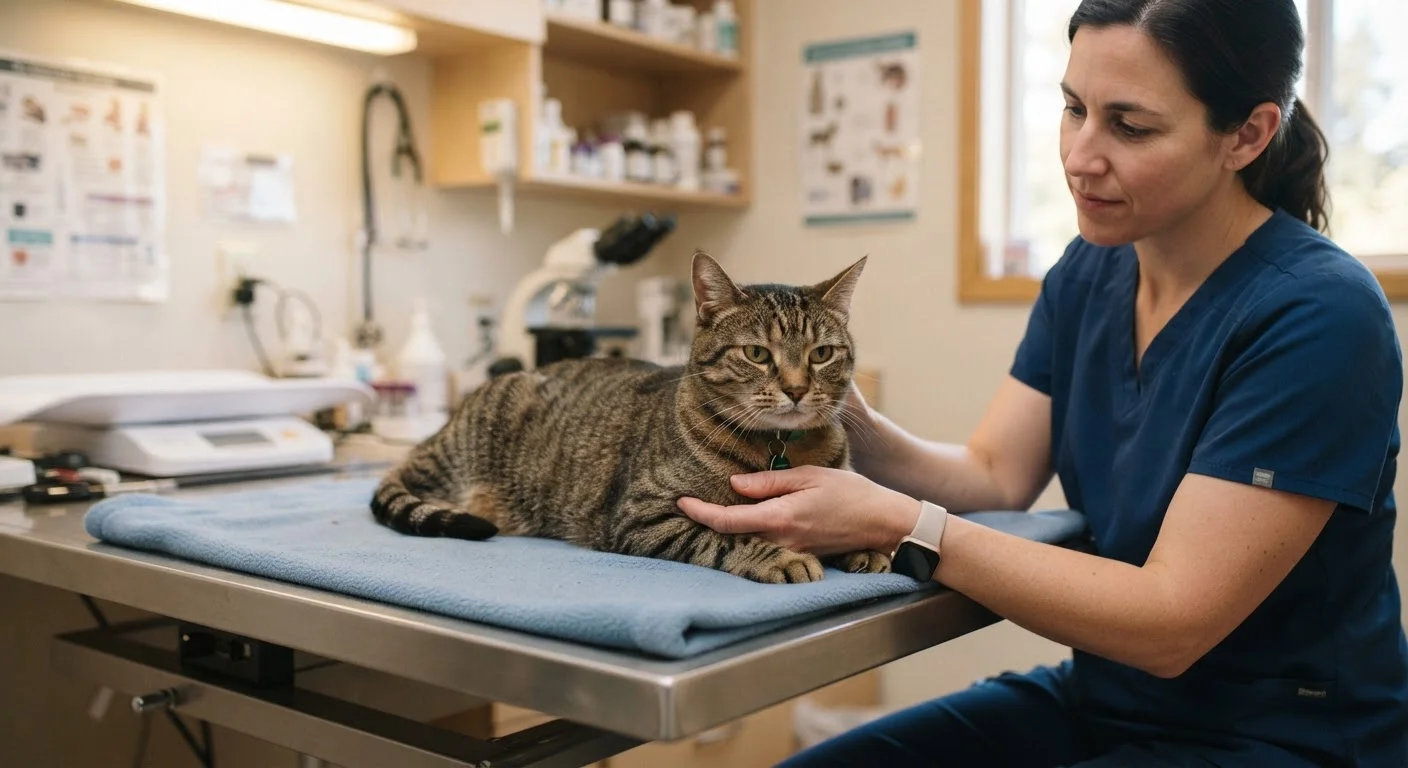
Prey species — rabbits, guinea pigs, hamsters, gerbils — are hardwired to mask weakness because displaying illness in the wild attracts predators. This means owners frequently miss early disease signs entirely. Weight loss, subtle changes in droppings, reduced activity, or a slightly rougher coat can all signal serious illness in an animal that otherwise appears normal at a glance.
Veterinarians experienced with small animals recommend periodic wellness exams even for animals that seem healthy. Establishing a relationship with an exotic-capable vet before an emergency occurs is one of the most protective steps an owner can take. Families with children should also review safe handling and supervision guidelines for small pets in homes with children.
Practical Guidance for Small Pet Owners
Correcting these myths isn't just academic — it translates directly into better daily decisions. Start by researching the specific species you own or plan to adopt, not just the general category of "small pet." A chinchilla has entirely different temperature, diet, and social needs than a gerbil.
Pet Store Advice Is Not Always Accurate
Staff at general pet retailers are not required to have formal animal care training, and the products, enclosures, and diets sold in-store may not meet evidence-based welfare standards. Always cross-reference purchasing decisions and care advice with sources such as exotic animal veterinarians, peer-reviewed animal welfare guidelines, or established species-specific rescue organizations. What is sold widely is not always what is appropriate.
Space and enrichment matter more than most owners expect. Hamsters need far more enclosure space than standard pet store cages provide, and nutrition requirements vary significantly between small mammal species.
Aquarium owners should understand that water quality is the foundation of fish health — proper nitrogen cycling and stocking levels are non-negotiable. Our guide on what a healthy fish tank actually requires covers these fundamentals in detail. When adding new fish, quarantine protocols protect your existing aquarium inhabitants.
Finally, find a veterinarian with experience in your specific type of pet before a health crisis arises. Exotic and small animal medicine is a specialty — a vet comfortable with dogs and cats may have limited expertise with rabbits, birds, or reptiles. If you own or are considering an exotic species, also review the legal landscape around exotic small pet ownership to understand what is permitted in your state.
~90%
Of pet rabbits may die within first year of ownership
Estimates from rabbit welfare organizations suggest high first-year mortality rates, often attributed to preventable husbandry errors and inadequate veterinary care.
Several miles
Distance wild hamsters travel nightly
Behavioral research on wild European hamsters documents nightly travel of up to 9 kilometers, illustrating how significant exercise and space needs are for captive individuals.
This article is for general informational purposes only and does not constitute veterinary advice. Always consult a licensed veterinarian experienced with your specific species for guidance on your animal's individual health and care needs.