
Why Americans Fall Short on Fiber
Dietary fiber is officially classified as a nutrient of public health concern by the Dietary Guidelines for Americans — meaning national data show that underconsumption is widespread enough to affect population-level health. The average American adult takes in only about 15–16 grams of fiber per day, well below the recommended 25–38 grams depending on age and sex.
The core reason is straightforward: the modern American diet leans heavily on ultra-processed foods — packaged snacks, white bread, fast food, sugary beverages — that have had most of their natural fiber stripped away during manufacturing. Whole grains, vegetables, legumes, and fruits, which are fiber's primary delivery vehicles, tend to play a supporting rather than starring role in typical daily eating patterns.
~15g
Average daily fiber intake for U.S. adults
According to dietary intake data cited in the Dietary Guidelines for Americans, average adult consumption falls well below the 25–38g recommended range.
95%
Americans not meeting fiber recommendations
Research published in the American Journal of Lifestyle Medicine estimates that approximately 95% of Americans do not meet daily fiber intake recommendations.
7–8g
Fiber in half a cup of cooked black beans
The USDA FoodData Central database lists roughly 7–8 grams of dietary fiber in a half-cup serving of cooked black beans, making legumes one of the most fiber-dense foods per dollar.
This isn't a matter of willpower or awareness. Behavioral, environmental, and social factors — including food access, cost perceptions, time constraints, and habit formation — all shape what lands on American plates. Understanding those dynamics is the first step toward realistic change.
What Fiber Actually Does in Your Body
Fiber's reputation for supporting digestive regularity is well earned, but its influence extends well beyond that. Here's a breakdown of its key roles:
- Digestive health: Insoluble fiber adds bulk to stool and speeds its transit through the colon, reducing the likelihood of constipation. Soluble fiber softens stool by absorbing water.
- Blood sugar regulation: Soluble fiber slows the absorption of glucose into the bloodstream, which can help moderate post-meal blood sugar spikes. This effect is particularly well-documented with beta-glucan, the soluble fiber found in oats and barley.
- Cardiovascular support: Soluble fiber binds to bile acids in the digestive tract, prompting the liver to use cholesterol to produce more bile — a mechanism that can help lower LDL cholesterol levels over time.
- Gut microbiome: Certain fibers, called prebiotics, serve as fuel for beneficial bacteria in the large intestine. A well-fed microbiome is associated with immune function, inflammation modulation, and even mental health, though this field is still actively evolving.
“Dietary fiber is one of the most consistently underconsumed nutrients in the American diet, and increasing intake through whole plant foods remains one of the most evidence-supported dietary changes most people can make.”
— Dietary Guidelines Advisory Committee, Federal advisory body informing U.S. dietary policy
It's worth noting that fiber is not a treatment for any medical condition. If you have diabetes, heart disease, irritable bowel syndrome, or other digestive conditions, speak with a registered dietitian or your healthcare provider before making significant changes to your fiber intake.
Practical Ways to Eat More Fiber Starting Today
Meaningful improvements in fiber intake don't require a complete diet overhaul. Small, consistent swaps compound quickly:
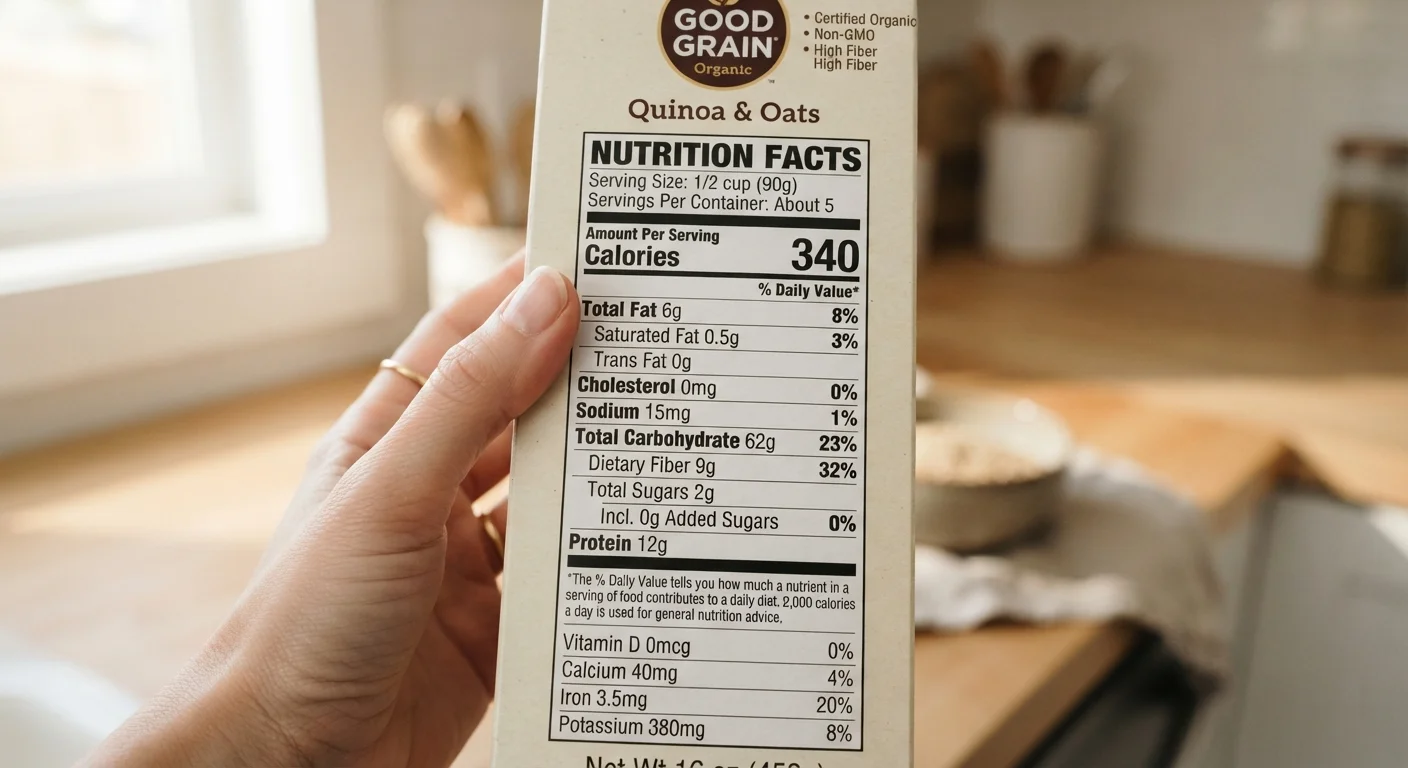
- Swap refined grains for whole grains. Choose whole wheat bread, brown rice, or oats in place of white counterparts. Checking the Nutrition Facts label helps — look for at least 3 grams of fiber per serving.
- Add legumes to existing meals. Stirring a half-cup of canned black beans or chickpeas into soups, salads, or grain bowls adds roughly 7–8 grams of fiber with minimal effort. Legumes are also among the most budget-friendly protein-and-fiber sources available.
- Keep fruit accessible. Apples, pears, and berries are high in fiber and require no preparation. Eating the whole fruit (rather than juicing) preserves the fiber content.
- Snack on nuts and seeds. An ounce of almonds delivers about 3.5 grams of fiber. Seeds like chia and flaxseed can be stirred into yogurt or oatmeal for an additional boost.
- Increase gradually. Adding too much fiber too quickly commonly causes gas and bloating. Aim to add about 5 grams per week, and drink water consistently throughout the day.
Hydration Matters When Adding Fiber
Fiber absorbs water as it moves through your digestive system. When you increase fiber intake, increasing fluid intake — primarily water — helps fiber do its job effectively and reduces the likelihood of constipation or discomfort. Most nutrition guidance links higher fiber intake with at least adequate daily hydration.
When auditing your weekly eating habits, a grocery list review can quickly reveal which fiber-rich categories are consistently missing from your cart.
This article is for general informational purposes only and does not constitute medical or dietary advice. Consult a qualified healthcare professional or registered dietitian for guidance specific to your health situation.