Why Cat Health Myths Persist — and Why They Matter
Cats have inspired countless sayings, folk beliefs, and cultural assumptions — many of which have quietly shaped the way owners make care decisions. The problem is that some of the most widespread beliefs about feline health are simply wrong, and acting on them can delay treatment or create preventable risks.
Veterinarians report correcting the same misconceptions in exam rooms year after year. This article addresses the most common ones directly, so you can make decisions grounded in what the evidence actually shows rather than what feels intuitively true. For first-time owners, pairing this with a reliable introduction to cat care — such as our guide on bringing your first cat home — can build a strong foundation from the start.
Myth
Indoor cats don't need to see a vet — they're not exposed to outdoor hazards.
Fact
Indoor cats are susceptible to many serious conditions — including obesity, dental disease, kidney disease, and hyperthyroidism — that have nothing to do with outdoor exposure.
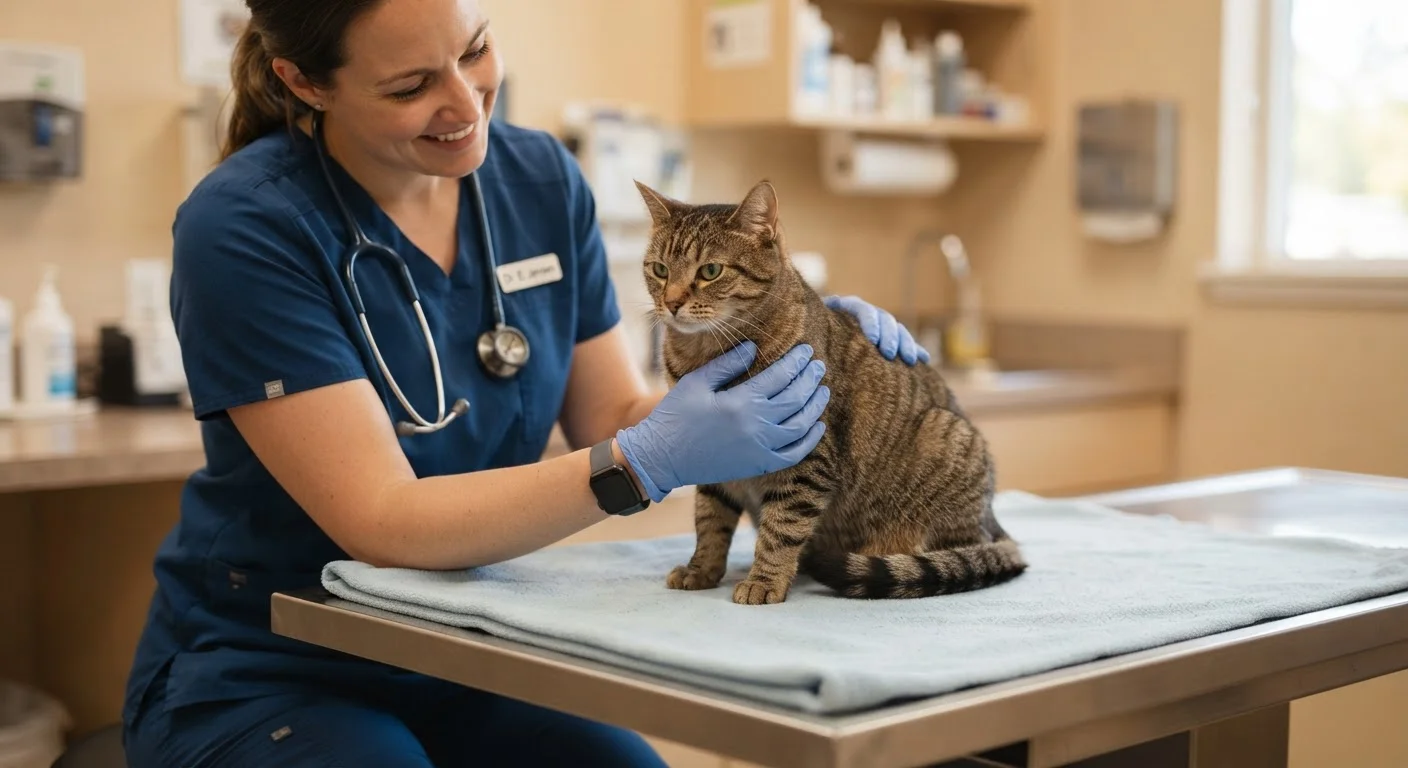
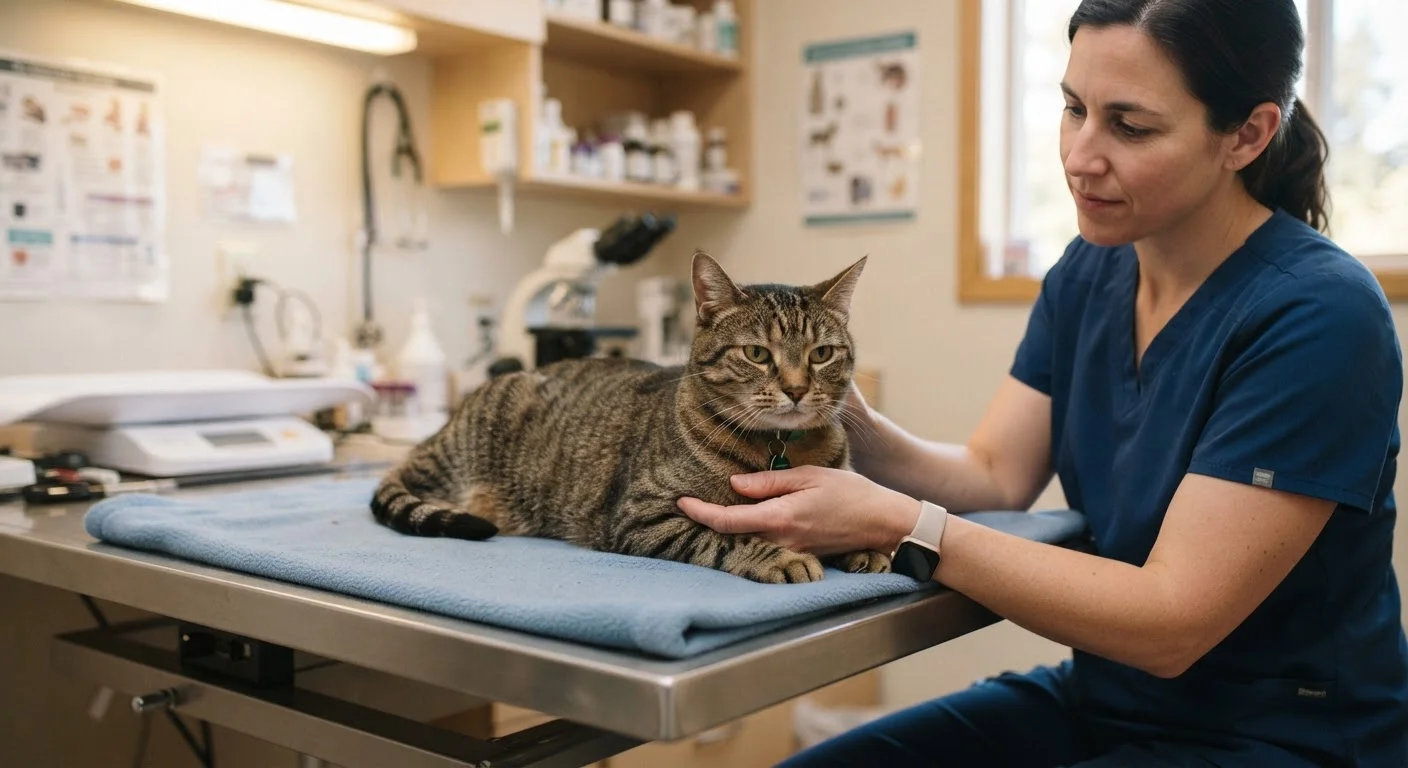
The absence of outdoor risks doesn't protect a cat from internal disease. Conditions such as chronic kidney disease, diabetes, and hyperthyroidism are among the most common illnesses in domestic cats and develop regardless of lifestyle. Annual veterinary exams allow for early detection through physical assessment and routine bloodwork — often identifying problems before visible symptoms appear. Skipping checkups because a cat seems fine is one of the most common reasons serious illness goes undetected until it has progressed significantly.
Myth
Cats always land on their feet, so falls aren't a serious concern.
Fact
Cats have a righting reflex, but it doesn't guarantee safe landings — falls from significant heights frequently cause fractures, internal injuries, and dental trauma.
The feline righting reflex — the ability to reorient the body mid-fall — is real, but it has limits. Falls from very low heights don't give cats enough time to complete the rotation, while falls from significant heights generate impact forces no reflex can fully absorb. Veterinarians regularly treat cats for fractured limbs, ruptured bladders, and jaw injuries following falls. Open windows and unscreened balconies pose genuine risks, and the term high-rise syndrome is used clinically to describe the injury patterns seen in cats after multi-story falls.
Myth
A purring cat is a happy cat.
Fact
Purring is a versatile vocalization — cats also purr when anxious, unwell, in pain, or in labor.
While purring often accompanies contentment, researchers and veterinarians have documented purring across a wide range of emotional and physical states. Cats may purr to self-soothe during stressful situations such as vet visits, or while recovering from injury or illness. Some evidence suggests purring frequencies may have a mild tissue-repair benefit, which could explain why cats purr when hurt. Treating purring as a universal sign of wellbeing means owners may miss distress signals their cat is actively communicating. Our article on the science behind cat purring goes deeper on what researchers have learned.
Myth
Cats love milk — it's a natural and healthy treat.
Fact
Most adult cats are lactose intolerant. Cow's milk commonly causes digestive upset including diarrhea and vomiting.
The image of a cat happily lapping milk is deeply embedded in popular culture, but it doesn't reflect feline physiology. After weaning, most cats produce significantly less lactase — the enzyme needed to digest lactose — making cow's milk difficult to process. The result is often gastrointestinal distress. Water is the appropriate everyday hydration source for cats, and any treats should be chosen with your veterinarian's input based on your cat's age, weight, and health status.
Myth
Spaying or neutering will automatically make my cat overweight.
Fact
Altered cats may have a modest reduction in metabolic rate, but weight gain is driven by caloric intake and activity levels — both of which owners can manage.
It is true that hormonal changes following spay or neuter surgery can slightly reduce a cat's baseline caloric needs. However, the assumption that weight gain is inevitable overstates the effect. Appropriate portion control and regular play activity are the primary levers for maintaining a healthy weight. Feeding guidelines on packaging are general estimates — your veterinarian can help calibrate your cat's specific intake. For a fuller look at what this procedure involves, see our guide on spaying vs. neutering in cats.
Myth
Cats take care of their own dental health through grooming and chewing.
Fact
Self-grooming does not clean teeth, and dental disease is one of the most prevalent health problems in cats over three years old.
Studies in veterinary dentistry suggest that the majority of cats show signs of dental disease by age three, including gingivitis, periodontal disease, and tooth resorption. None of these conditions resolve on their own. Plaque accumulates on feline teeth just as it does in humans, hardening into tartar that requires professional removal. Home brushing with cat-appropriate toothpaste and regular professional dental cleanings are the most effective preventive measures. Untreated dental disease can progress to affect the kidneys, heart, and other organs through bacterial spread.
What Veterinarians Want Cat Owners to Do Differently
Correcting a myth is only useful when it changes behavior. Across the health areas covered above, a few practical habits make the biggest difference:
- Schedule annual wellness exams — even for cats who appear healthy. Many serious conditions, including kidney disease and hyperthyroidism, are far more manageable when caught early.
- Address dental health proactively. Ask your veterinarian about home brushing techniques and professional cleanings. Our overview of dry food vs. wet food for cats also covers how diet choices affect dental health.
- Stay current on vaccinations. Core vaccines apply to indoor cats too. See our breakdown of which cat vaccines are core and which are optional for guidance on schedules.
- Don't dismiss behavior changes. A cat avoiding the litter box, grooming excessively, or eating less is often signaling a medical issue. Our article on why cats stop using the litter box explains how to interpret and address those signs.
Don't Wait for Obvious Symptoms
Cats are instinctively inclined to mask signs of illness — a survival behavior that can make disease difficult to detect until it has advanced. By the time a cat appears visibly unwell, a condition may already be significantly progressed. Regular veterinary checkups, even when your cat seems fine, are the most reliable way to catch problems early. Annual exams are recommended for most healthy adult cats; senior cats (generally considered age seven and older) often benefit from twice-yearly visits.
This article is for general informational purposes only and does not constitute veterinary medical advice. Always consult a licensed veterinarian for guidance specific to your cat's health needs.