Why the Distinction Matters
Most budgeting conversations mention an emergency fund. Fewer explain the monthly buffer — and almost none clarify how they work together. That gap is costly. When people blur the two concepts, they tend to either under-fund their emergency reserve (treating it like a backup checking account) or never build a buffer at all (leaving their budget perpetually tight).
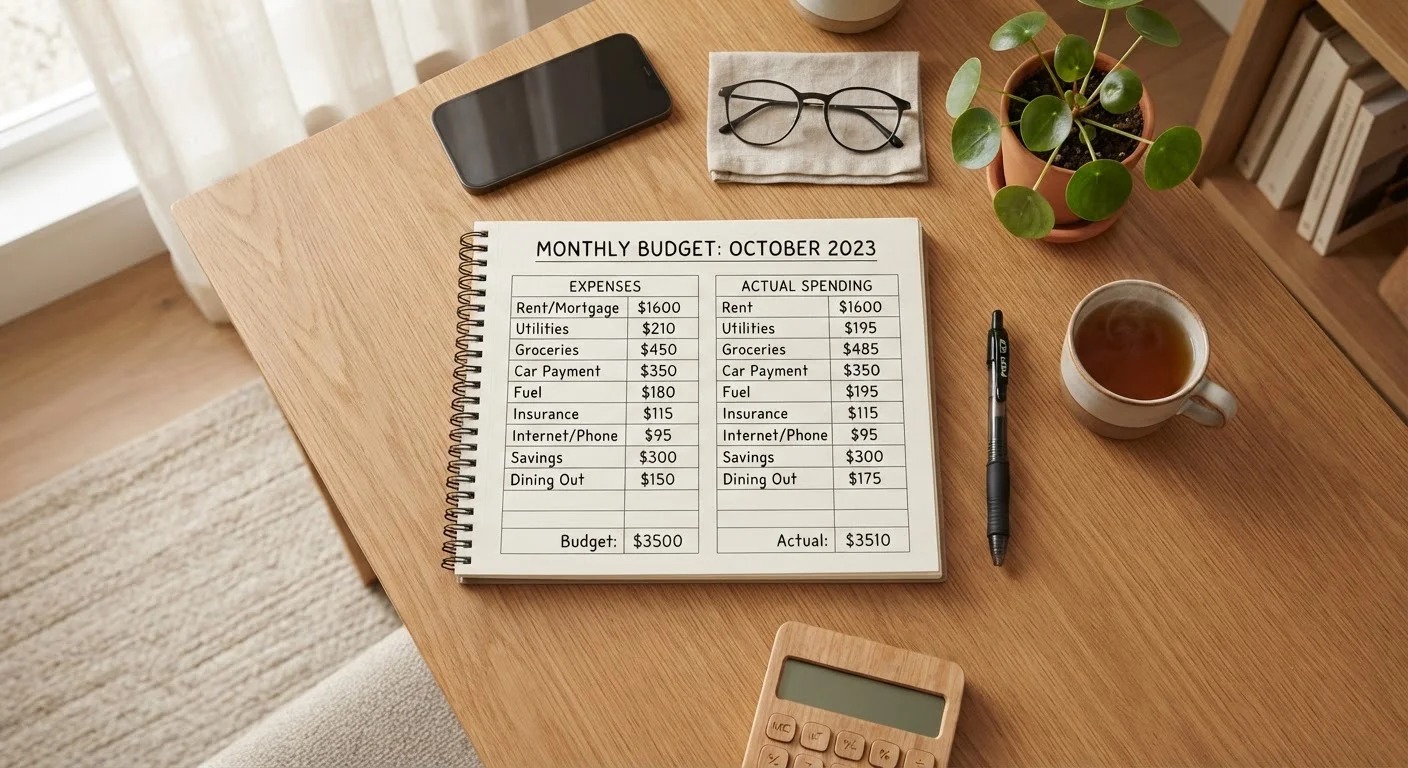
Understanding why fixed and variable expenses behave differently is a useful starting point. Fixed expenses are predictable; variable ones — groceries, utilities, gas, dining — fluctuate every month. Each savings tool addresses a different layer of that financial reality.
Think of it this way: the emergency fund is your financial firewall. The monthly buffer is your shock absorber. One defends against catastrophe; the other prevents daily friction from becoming a slow drain on stability.
A Common Sign They're Being Confused
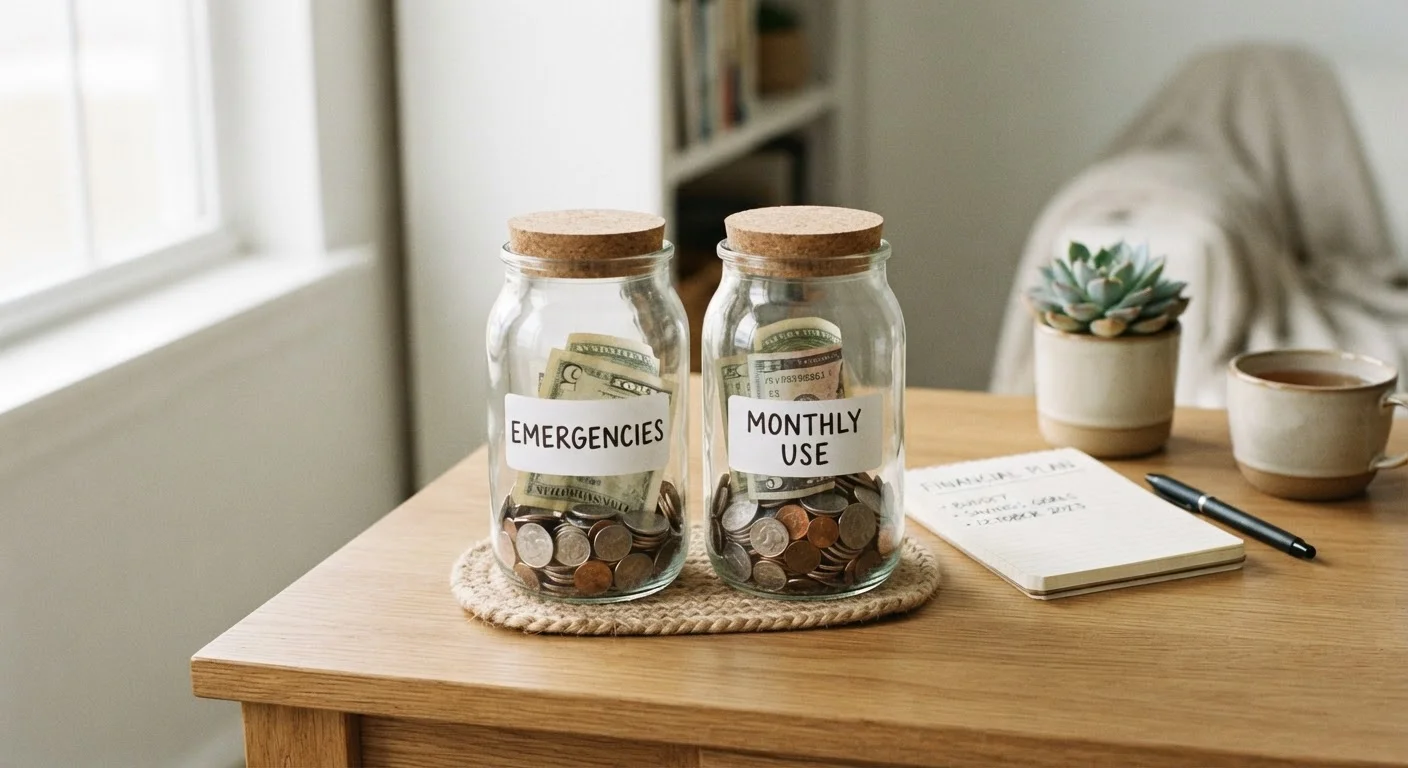
If your emergency fund balance drops a little almost every month, it's likely functioning as a buffer — not a true emergency reserve. The fix isn't to save more into it; it's to build a separate buffer so the emergency fund stays untouched for actual crises. Keeping these two pools clearly labeled and in separate accounts makes the distinction easier to maintain in practice.
What Each One Actually Does
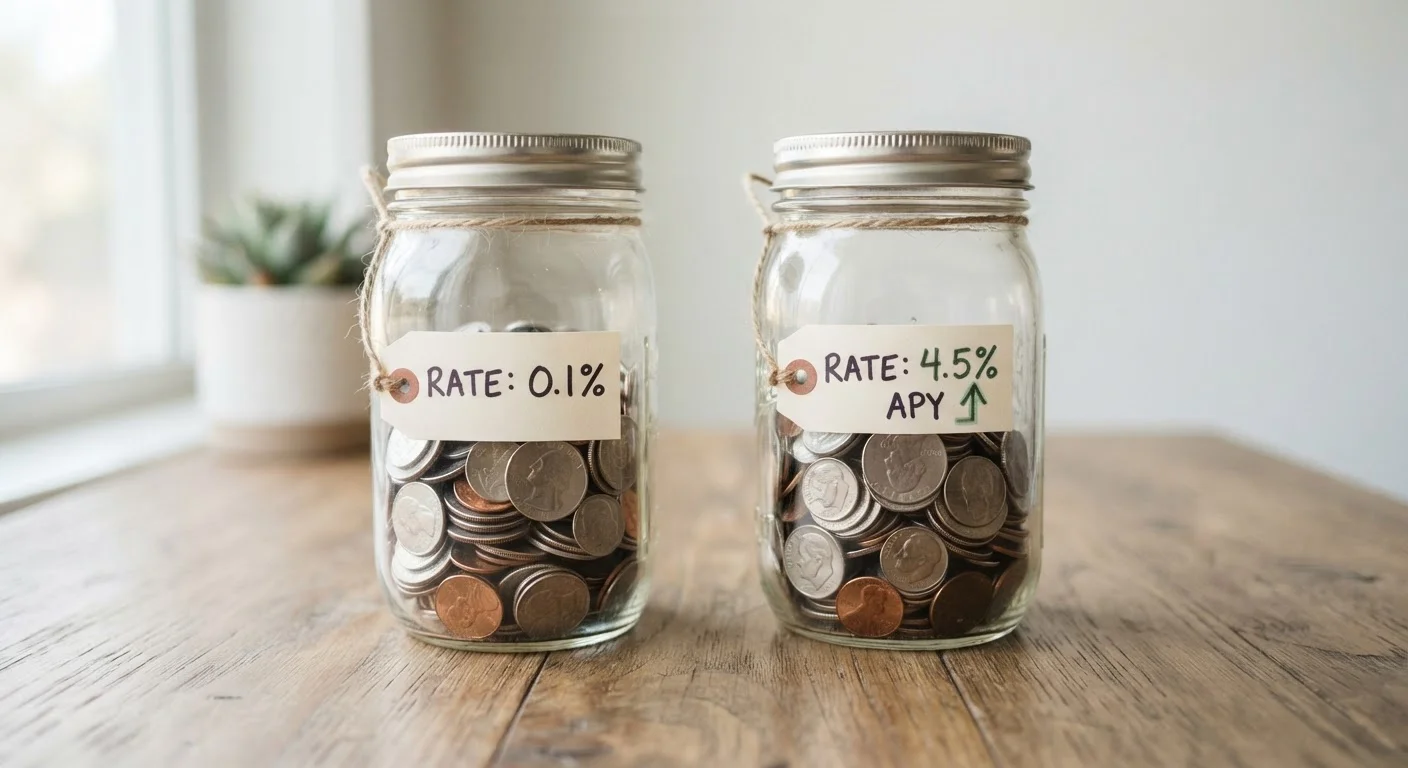
The emergency fund exists for genuine, unanticipated disruptions: sudden job loss, an ER visit without full insurance coverage, a furnace failing mid-winter, or an urgent cross-country trip for a family crisis. These events are unpredictable in timing and amount. A commonly cited guideline is three to six months of essential living expenses, kept in a separate, accessible account — not invested, not mixed with day-to-day funds. For more on where to keep this money, see our comparison of high-yield savings accounts versus traditional savings accounts.
The monthly buffer is a smaller, more tactical reserve — typically one to four weeks of normal spending — held right inside your primary checking account or a linked account you access freely. It's not for emergencies. Its job is to absorb the natural variability of everyday life: a month where utility bills spike, a week with two birthday dinners, or a grocery run that came in higher than usual. Without it, even a well-constructed budget produces shortfalls because the average is not what hits your account each month.
| Criterion | Emergency Fund | Monthly Buffer |
|---|---|---|
| Primary purpose | Cover unexpected financial crises | Absorb normal month-to-month variability |
| Typical size | 3–6 months of essential expenses | 1–4 weeks of regular spending |
| Where it's kept | Separate, dedicated savings account | Checking account or linked account |
| How often accessed | Rarely — only for genuine emergencies | Routinely, as spending fluctuates each month |
| What triggers use | Job loss, medical crisis, major unexpected repair | Higher-than-average utility or grocery bill |
| Rebuild priority after use | High — replenish as quickly as possible | Moderate — top up at the next budget reset |
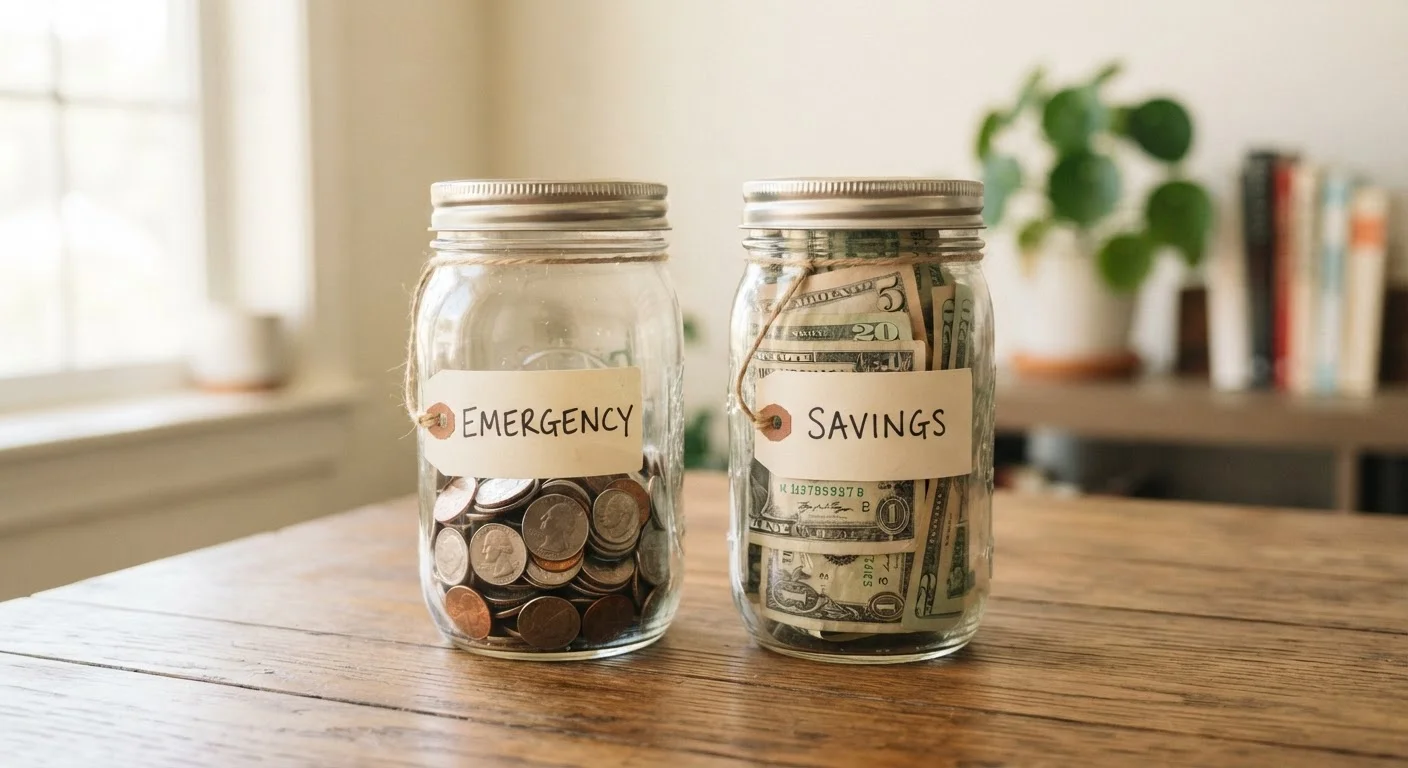
If you find yourself regularly pulling from your emergency fund to cover grocery or utility overruns, that's a signal the buffer is missing — not that you're facing emergencies. Fixing the right problem matters. Understanding how an emergency fund differs from a general savings account can further sharpen how you categorize these tools.
Building Both Without Starting Over
For most households, the practical sequence is: buffer first, then emergency fund. A one-month spending buffer is achievable within a few months of focused saving and immediately reduces financial stress. Once that cushion exists, redirect the same monthly contribution toward your emergency fund until it reaches your target.
It's also worth noting what neither tool is designed to cover: predictable irregular expenses like annual insurance premiums, car registration, or holiday spending. Those are better handled through sinking funds — a separate technique for saving incrementally toward known future costs.
~57%
Americans who can't cover a $1,000 emergency from savings
According to Bankrate's annual Emergency Savings Report, more than half of U.S. adults would need to borrow or go into debt to cover an unexpected $1,000 expense.
1 month
Recommended minimum monthly buffer size
Personal finance educators commonly suggest keeping the equivalent of one month's expenses as a buffer in your primary account before building a larger emergency reserve.
Finally, consider your savings philosophy. Some people find it easier to automate savings from the top of each paycheck before spending anything else. Others prefer to compare paying yourself first against budgeting what's left over before committing to a method. Either approach can work — what matters is consistency and keeping the two tools clearly separate in both purpose and account structure.
This article is for general informational and educational purposes only and does not constitute personalized financial advice. Consult a licensed financial professional for guidance specific to your situation.