Why Grooming Is More Than Cosmetic
Many dog owners think of grooming as an aesthetic concern — something done before a photo or a vet visit. In practice, a consistent grooming routine is one of the most effective ways to monitor and maintain your dog's overall health. Matted fur traps moisture and debris against the skin, creating conditions where bacterial and fungal infections can develop. Overgrown nails alter how a dog distributes weight when walking, which over time can stress joints. Uncleaned ears can harbor yeast and bacteria that progress to painful infections.
The good news is that grooming doesn't require professional equipment or a full day's commitment. Once you establish a schedule built around your dog's specific coat type and lifestyle, most tasks take just a few minutes and quickly become part of your shared routine.
This article provides general informational guidance on dog grooming and is not a substitute for advice from a licensed veterinarian. Consult your vet if you notice skin changes, ear discharge, or other signs of health concerns.
Brushing: Match Frequency to Coat Type
Brushing is the foundation of coat care, but the right approach depends heavily on your dog's coat texture and length.
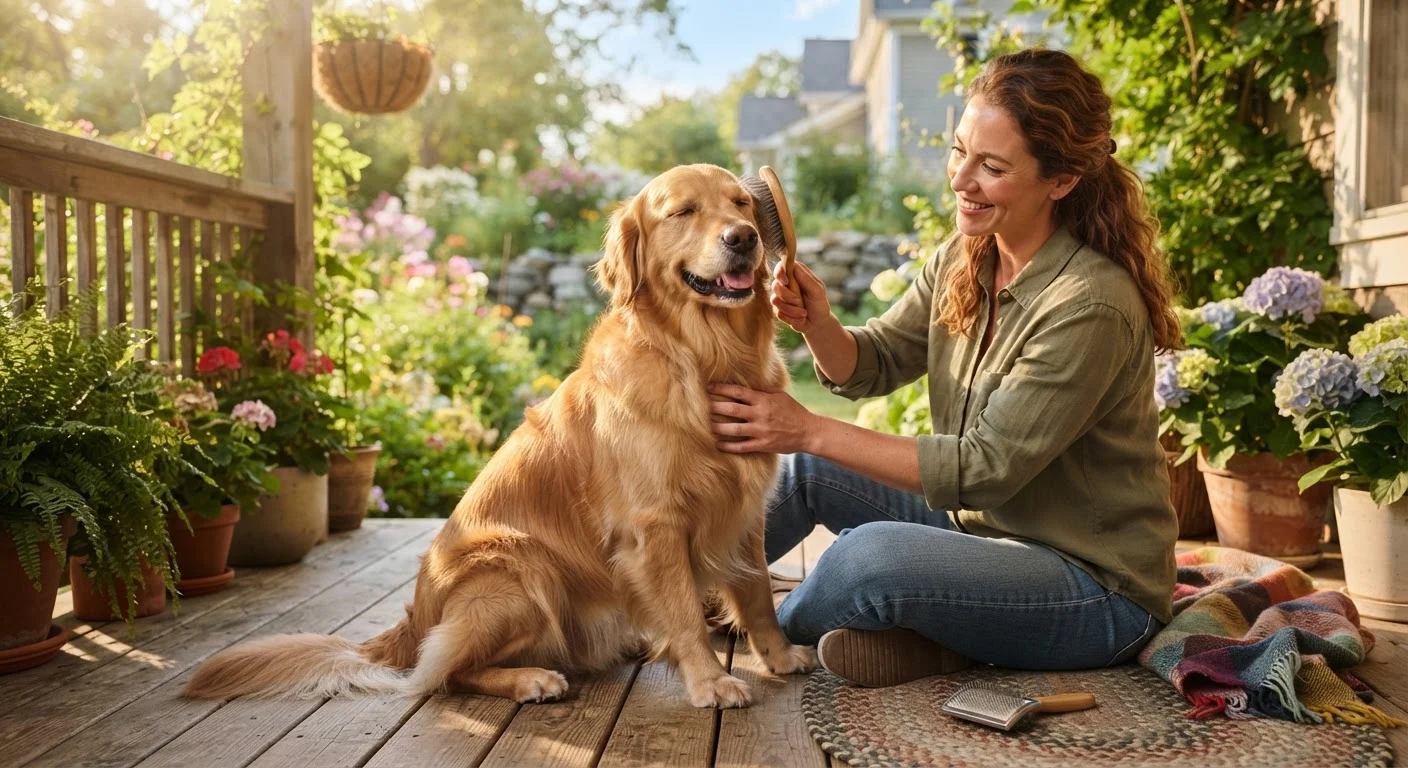
Brush long-coated dogs daily to prevent mat formation and distribute natural oils.
Long coats tangle quickly, and mats pull on the skin, causing discomfort and creating hiding spots for parasites. Daily brushing keeps the coat manageable and stimulates the skin's sebaceous glands, which produce the oils that protect hair follicles.
Brush short-coated dogs at least once a week using a rubber curry brush or bristle brush.
Short coats shed regularly, and weekly brushing removes loose hair before it accumulates around the home. It also gives you consistent, hands-on contact with your dog's skin, making it easier to notice lumps, rashes, or dry patches early.
Bathe your dog every four to six weeks using a dog-formulated shampoo.
Regular bathing removes environmental allergens, dirt, and excess oils without stripping the skin barrier when done at an appropriate interval. Bathing too frequently can dry out skin; bathing too rarely allows debris and odor-causing bacteria to accumulate.
Check and clean your dog's ears weekly, and clean them when you notice wax buildup.
Dogs with floppy ears or those who swim frequently are prone to moisture retention in the ear canal, which encourages yeast and bacterial growth. Weekly visual checks allow you to catch early signs of irritation — redness, odor, or discharge — before they progress.
Trim nails every two to three weeks to maintain a healthy nail length.
Overgrown nails force dogs to adjust their gait to compensate for the discomfort of nails pressing into the ground, which stresses the tendons, joints, and spine over time. Regular trimming keeps the quick recessed and reduces the risk of accidental over-cutting.
During seasonal shedding — typically spring and fall — even short-coated dogs may benefit from more frequent brushing to manage loose hair and reduce ingestion during self-grooming. Pay attention to high-friction areas like behind the ears, under the collar, and around the armpits, where mats tend to form first regardless of coat length.
Bathing, Ear Cleaning, and Nail Trimming
Beyond brushing, three tasks round out a complete grooming routine: bathing, ear care, and nail maintenance.
When bathing, use a shampoo formulated specifically for dogs — human shampoos have a different pH balance and can disrupt a dog's skin barrier. Rinse thoroughly, as residual shampoo is a common cause of skin irritation. After bathing, dry the ears carefully to prevent moisture from lingering in the ear canal.
For nails, the goal is to avoid the quick — the blood vessel running through each nail. Trimming a small amount frequently is safer than waiting until nails are very long and require a larger cut. If you can hear your dog's nails clicking on hard floors, it's time for a trim. Pairing nail trims with a calm routine and positive reinforcement helps dogs accept the process over time.
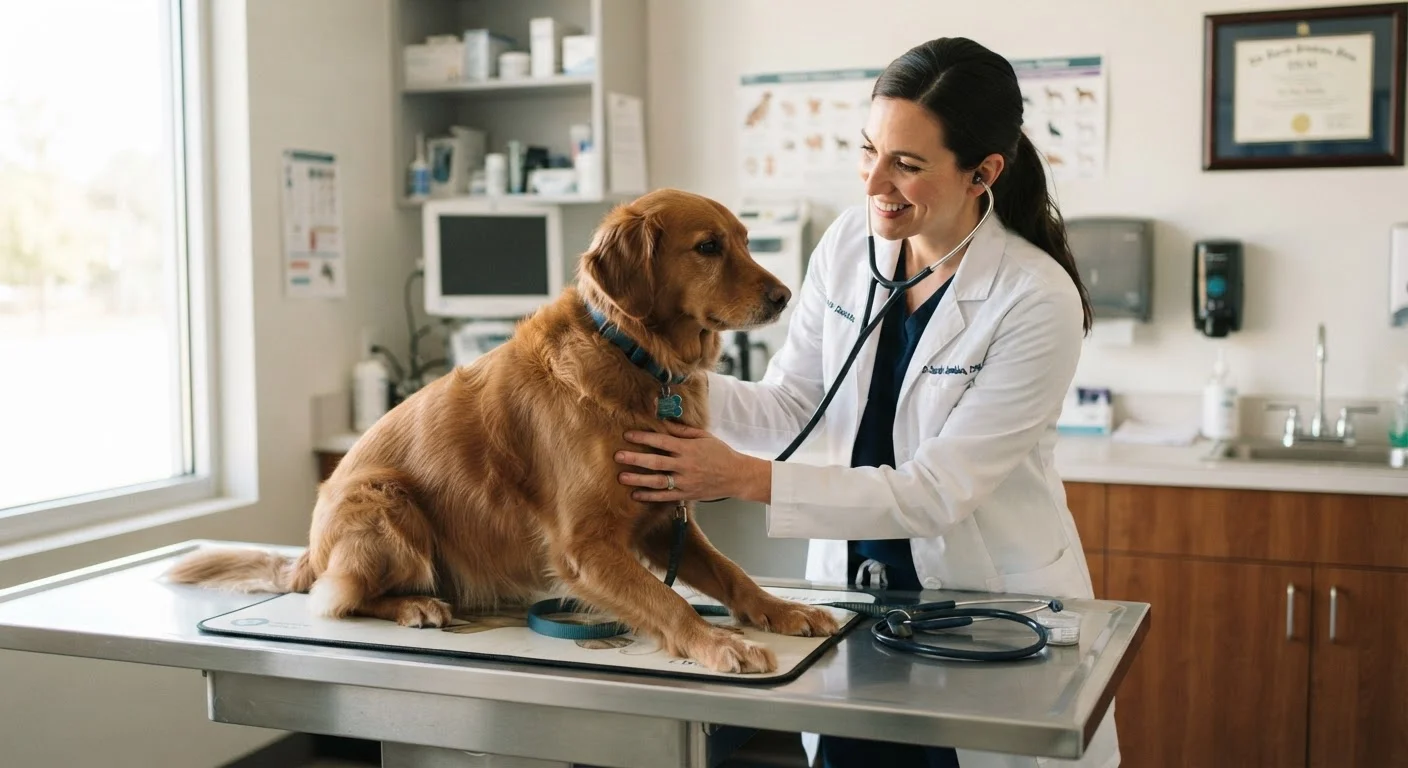
Grooming also pairs naturally with your dog's broader preventive care. The annual wellness visit is an ideal time to ask your vet about your dog's specific grooming needs, especially if you've noticed skin changes or recurring ear issues.
When to See a Vet Instead of Grooming
If you notice persistent ear odor, dark discharge, head shaking, or your dog resisting ear handling, stop home cleaning and consult your veterinarian — these can be signs of an active infection that needs treatment before grooming. Similarly, cracked, brittle nails, inflamed skin around nail beds, or unusual skin lesions spotted during brushing warrant a vet evaluation rather than at-home management.
Building a Routine That Sticks
The most effective grooming routine is one you can realistically maintain. Start by mapping your dog's needs against a weekly calendar. A basic framework might look like this: daily brushing for long-coated breeds, a weekly brush-through for short coats, nail checks every two to three weeks, ear checks weekly, and baths every four to six weeks (or as needed after outdoor activity).
4–6 weeks
Recommended bathing interval for most dogs
Veterinary dermatologists generally recommend bathing healthy dogs every four to six weeks as a baseline, adjusting for lifestyle and skin condition.
2–3 weeks
Nail trimming frequency to maintain healthy length
Most veterinary and grooming professionals recommend trimming nails every two to three weeks to prevent overgrowth and associated gait changes.
Keep grooming tools in an accessible spot rather than stored away, since convenience reduces the chance of skipping sessions. Short, positive sessions — even five minutes — done consistently outperform occasional lengthy grooming that dogs find stressful. End each session with calm praise or a treat to reinforce that grooming is a positive experience.
If your dog has a skin condition, dense coat, or a history of ear infections, your veterinarian or a certified professional groomer can help you build a customized schedule. Grooming at home and professional grooming services complement each other well — professional sessions every six to eight weeks handle detailed trimming and coat health, while at-home maintenance keeps things in order in between.