Why Quarantine Is the Step Most Beginners Skip
Bringing home a new fish feels exciting, and the temptation to drop it straight into your established display tank is understandable. But that impulse skips one of the most important steps in responsible fishkeeping: quarantine. Even visually healthy fish can carry pathogens — bacterial infections, parasites like Ichthyophthirius multifiliis (commonly called ich), or gill flukes — that show no outward symptoms for days or weeks.
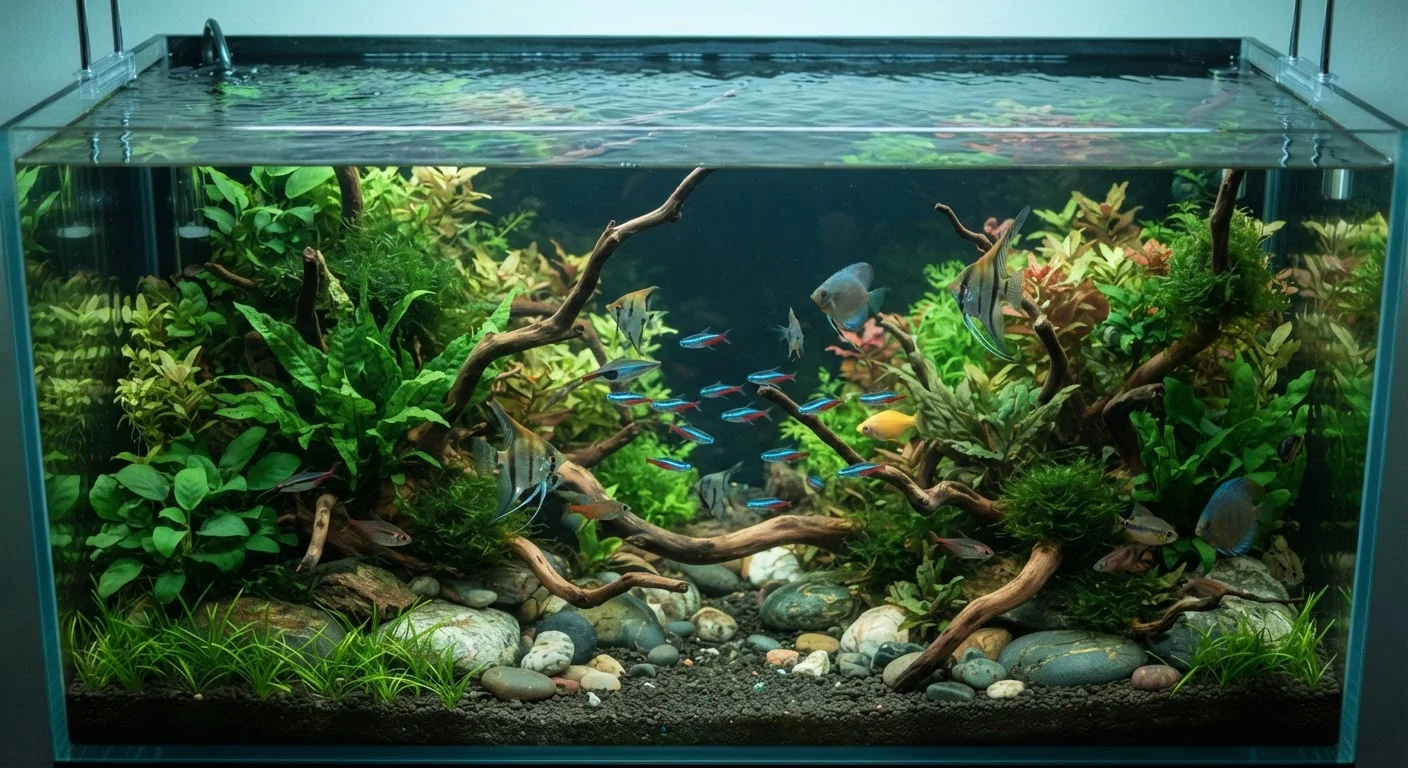
Once a disease enters your display tank, treating it becomes far more difficult. You may have to medicate around sensitive species, live plants, and beneficial bacteria colonies. Many fishkeepers have lost entire tanks this way. A quarantine period costs a little time and setup effort upfront; skipping it can cost far more. For context on the broader environment your fish need to thrive, see our guide on what a healthy fish tank actually requires.
What you will need
Setting Up and Running a Quarantine Tank
Quarantine is not complicated, but it does require preparation. Below are the steps to set up and manage a proper quarantine period before your new fish joins your display tank.
Prepare the quarantine tank at least 24–48 hours in advance
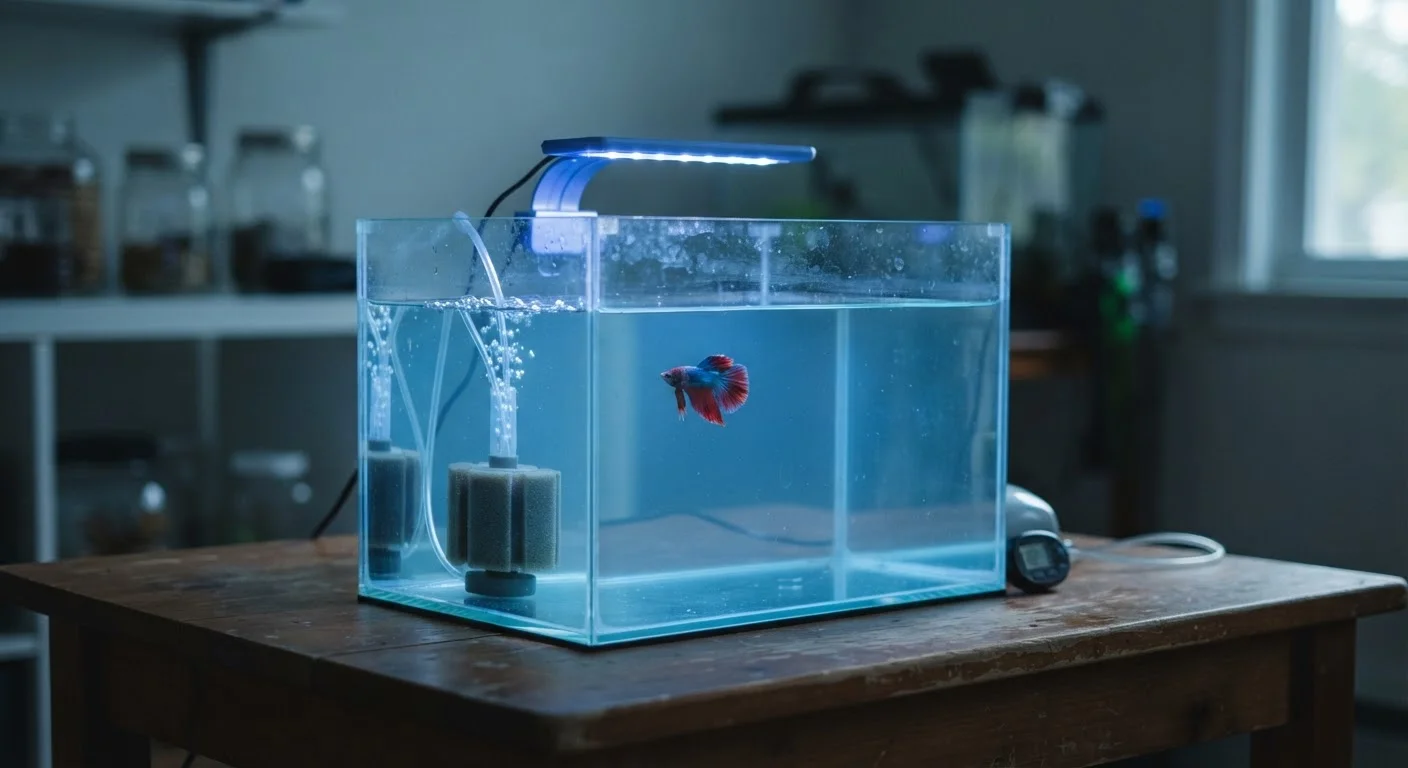
Fill the tank with dechlorinated water and bring it to the correct temperature for the species you're acquiring. Use a seeded sponge filter — one that has been running in your display tank — to introduce beneficial bacteria and reduce the risk of an ammonia spike. If you don't have a seeded filter, add a small amount of substrate or media from your established tank.
Test and record your water parameters
Before adding your new fish, test for ammonia, nitrite, nitrate, and pH. Ammonia and nitrite should read zero, and pH should closely match your display tank. Document these baseline readings so you have a reference point if the fish shows stress-related symptoms later.
Acclimate the new fish to the quarantine tank
Float the bag or container holding the fish in the quarantine tank for 15–20 minutes to equalize temperature. Then gradually add small amounts of quarantine-tank water to the container over another 15–20 minutes before releasing the fish. Avoid pouring the store water into your tank.
Observe daily for at least two to four weeks
Spend time each day watching the fish for signs of illness. Key warning signs include:
- White spots or dusty coating on the body or fins (possible ich or velvet)
- Clamped fins held tight against the body
- Rapid or labored gill movement
- Loss of appetite or food refusal after the first 24 hours
- Lethargy, hiding, or erratic swimming
- Visible lesions, ulcers, or torn fins
Two to four weeks is the general recommended window because many pathogens have incubation periods that fall within this range.
Consult a professional before medicating
If you observe symptoms, contact an aquatic veterinarian or a knowledgeable fish health professional before adding any medication. Treatment depends on the specific pathogen, and incorrect medication can stress the fish, disrupt beneficial bacteria, or fail entirely. Many over-the-counter treatments are broad-spectrum and not appropriate for every situation.
Keep a Simple Quarantine Log
Write down daily observations including water parameters, feeding response, and any visible changes to the fish's appearance or behavior. A brief log helps you spot gradual changes you might otherwise miss and gives a veterinarian useful diagnostic information if illness does appear.
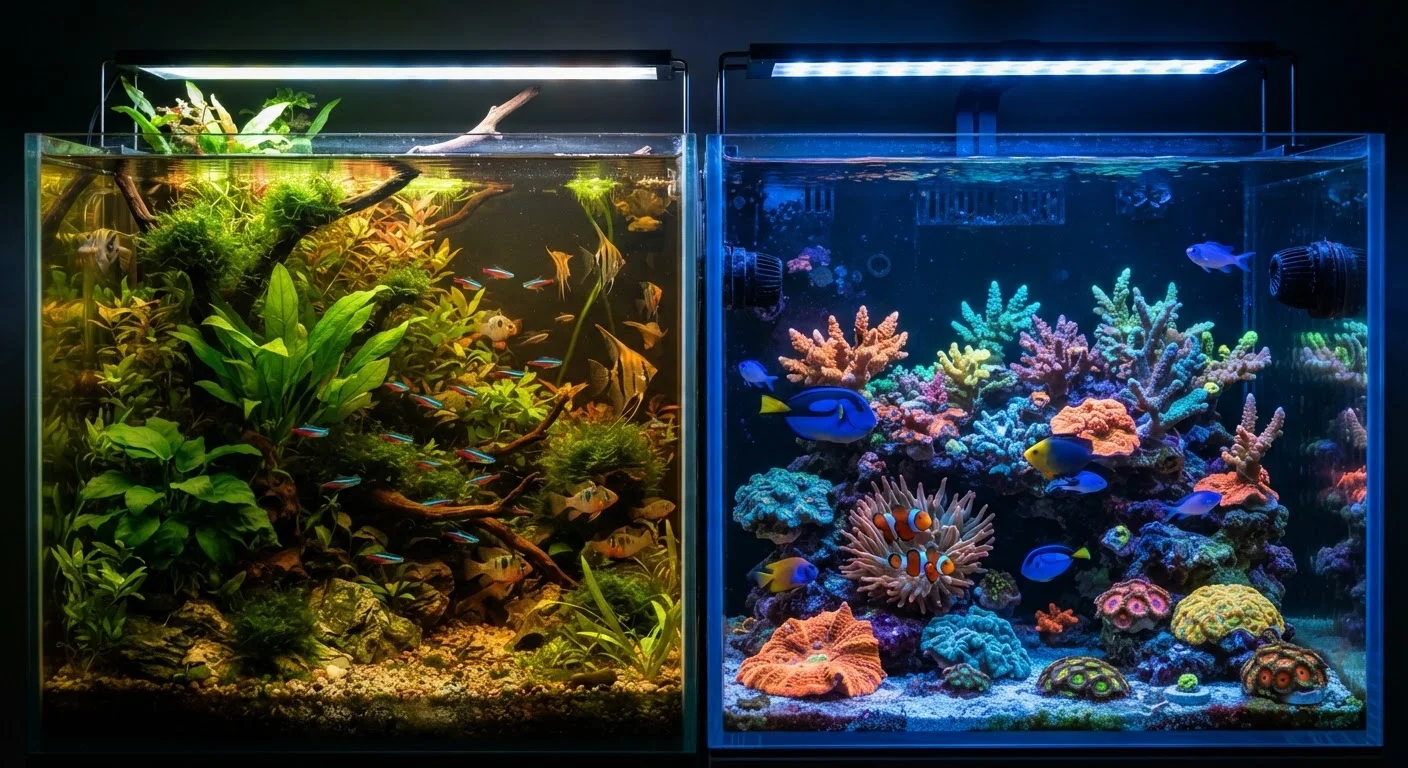
After the quarantine period ends without incident, acclimate your fish slowly to the display tank by floating the quarantine container and gradually mixing in display-tank water over 30–60 minutes. This reduces osmotic and temperature shock, particularly important for sensitive species. For more on the commitment different setups require, see our overview of freshwater vs. saltwater aquariums.
It's also worth noting that many common misconceptions about fish care — such as the idea that fish are too simple to get sick — can lead owners astray. Our article on small pet myths that can actually harm your animal addresses several of these.
This article is for general informational purposes only. Always consult a qualified aquatic veterinarian or experienced fish health professional for diagnosis, treatment, or medication guidance specific to your fish.