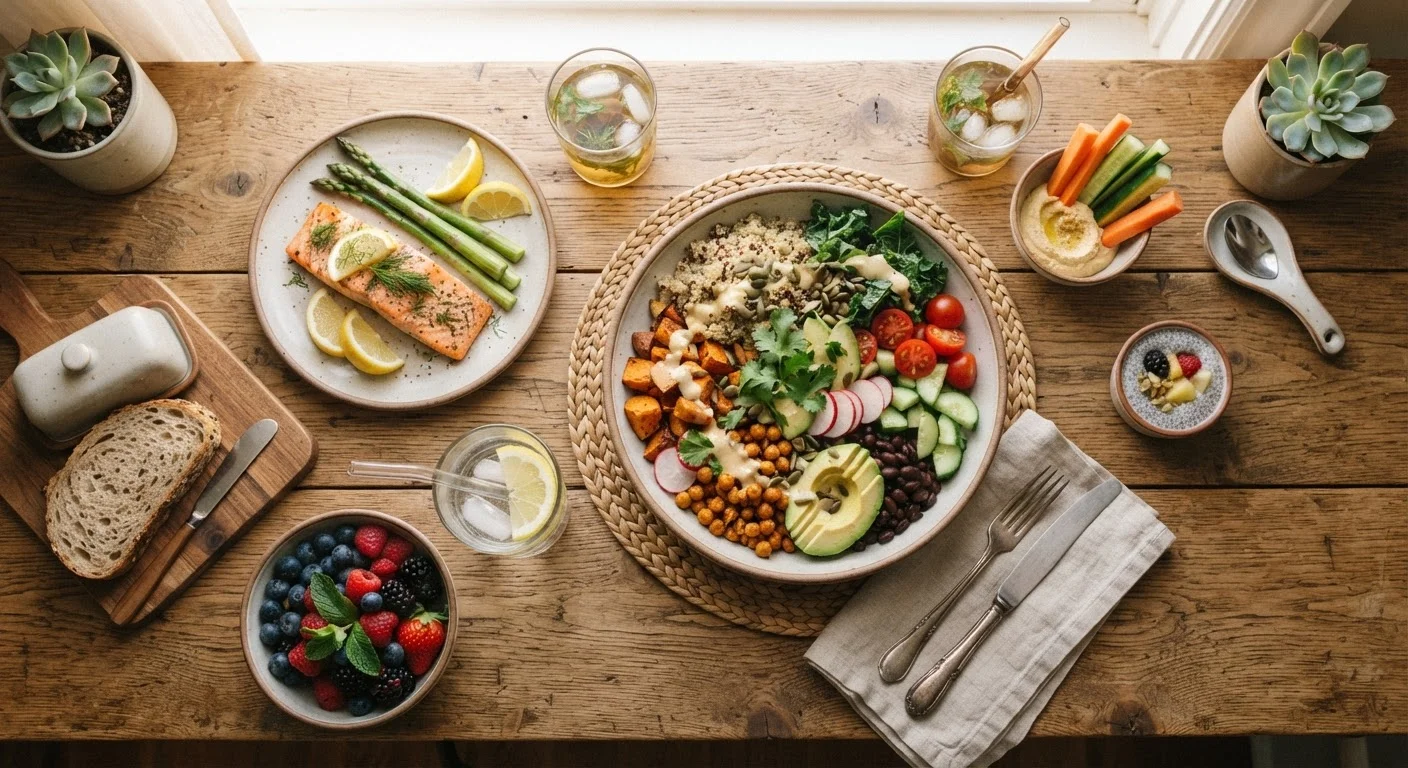
Why Budget Eating Has a Bad Reputation — and Why It's Undeserved
Many Americans assume that eating nutritiously requires a significant grocery budget. In reality, some of the most nutrient-dense foods available — dried legumes, oats, eggs, canned fish, frozen vegetables — are also among the most affordable items in any supermarket. The perception gap matters because it discourages people from even trying.
Research consistently shows that dietary quality is shaped as much by knowledge and planning as by spending. Understanding which foods deliver the most nutritional value per dollar is the foundation of smarter grocery habits. If you're just starting to think systematically about what ends up on your plate, the practical nutrition primer is a useful starting point before diving into cost-cutting strategies.
A Note on Food Access and Real-Life Constraints
Practical nutrition advice works best when it acknowledges barriers. Not every neighborhood has equal access to fresh produce, bulk bins, or well-stocked freezer aisles. The strategies here prioritize widely available, shelf-stable, and frozen options precisely because they tend to be more accessible across different store types and geographic areas. If food access is a challenge in your area, local food banks, community programs, and SNAP benefits (administered through the USDA) may offer additional support.
The Core Practices That Actually Work
Budget nutrition isn't about deprivation — it's about prioritizing foods that do double duty: high nutrient density and low cost. The practices below are grounded in established dietary guidance and the real constraints of everyday American shopping.
Build meals around plant-based proteins as your primary protein source.
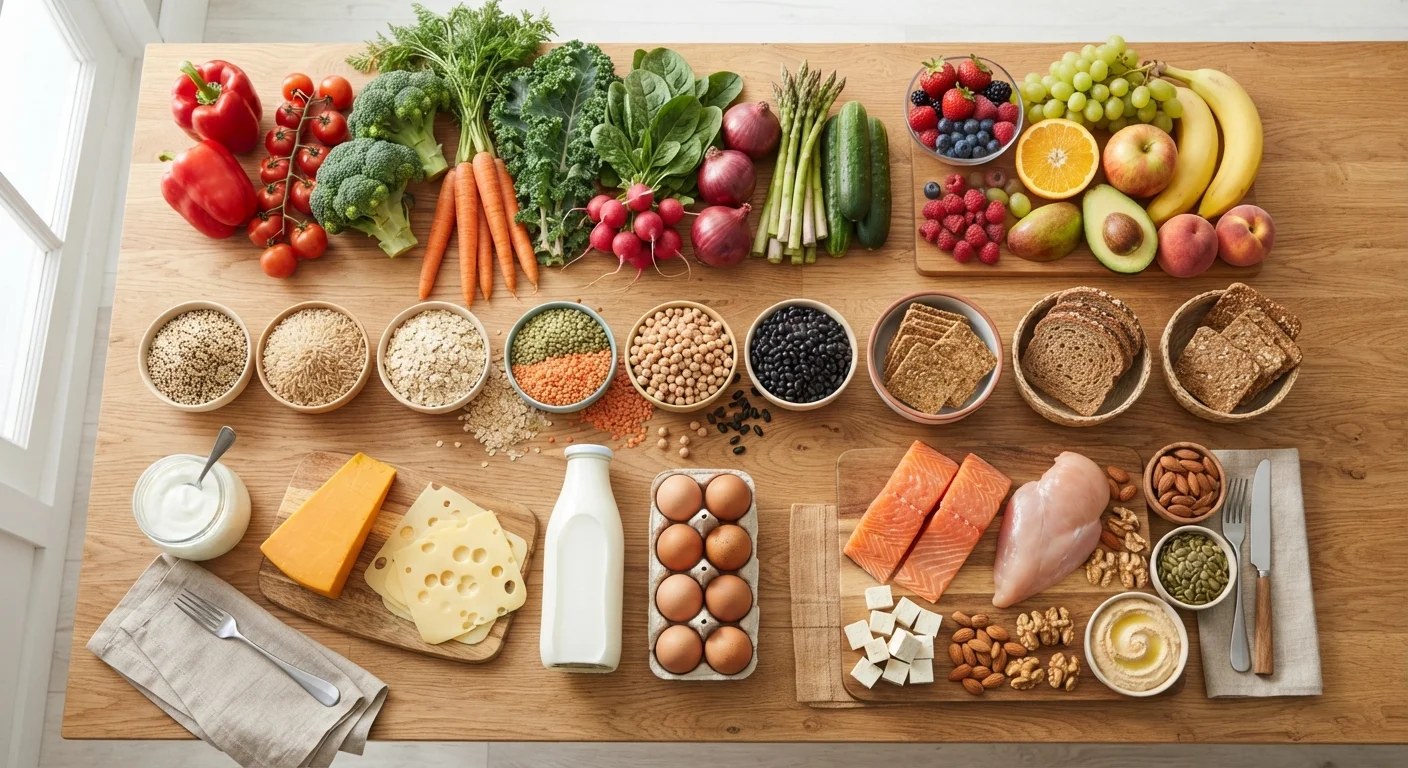
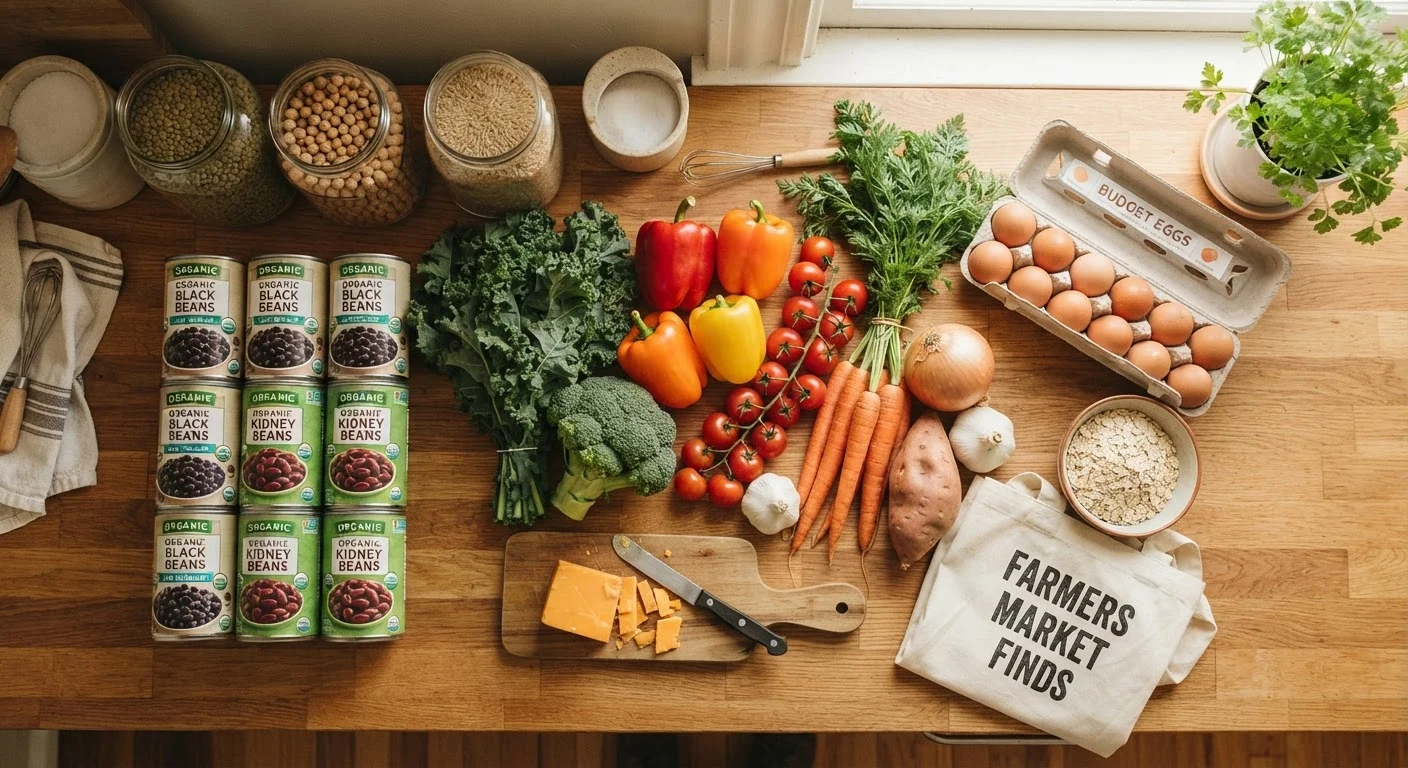
Dried beans, lentils, chickpeas, and split peas cost a fraction of most animal proteins while delivering substantial protein, fiber, and key micronutrients. The comparison of animal and plant protein sources shows that plant proteins can meet adult needs when eaten across a varied diet. Diversifying protein sources also reduces dependency on the most volatile grocery prices.
Stock a short list of versatile pantry staples and cook from them consistently.
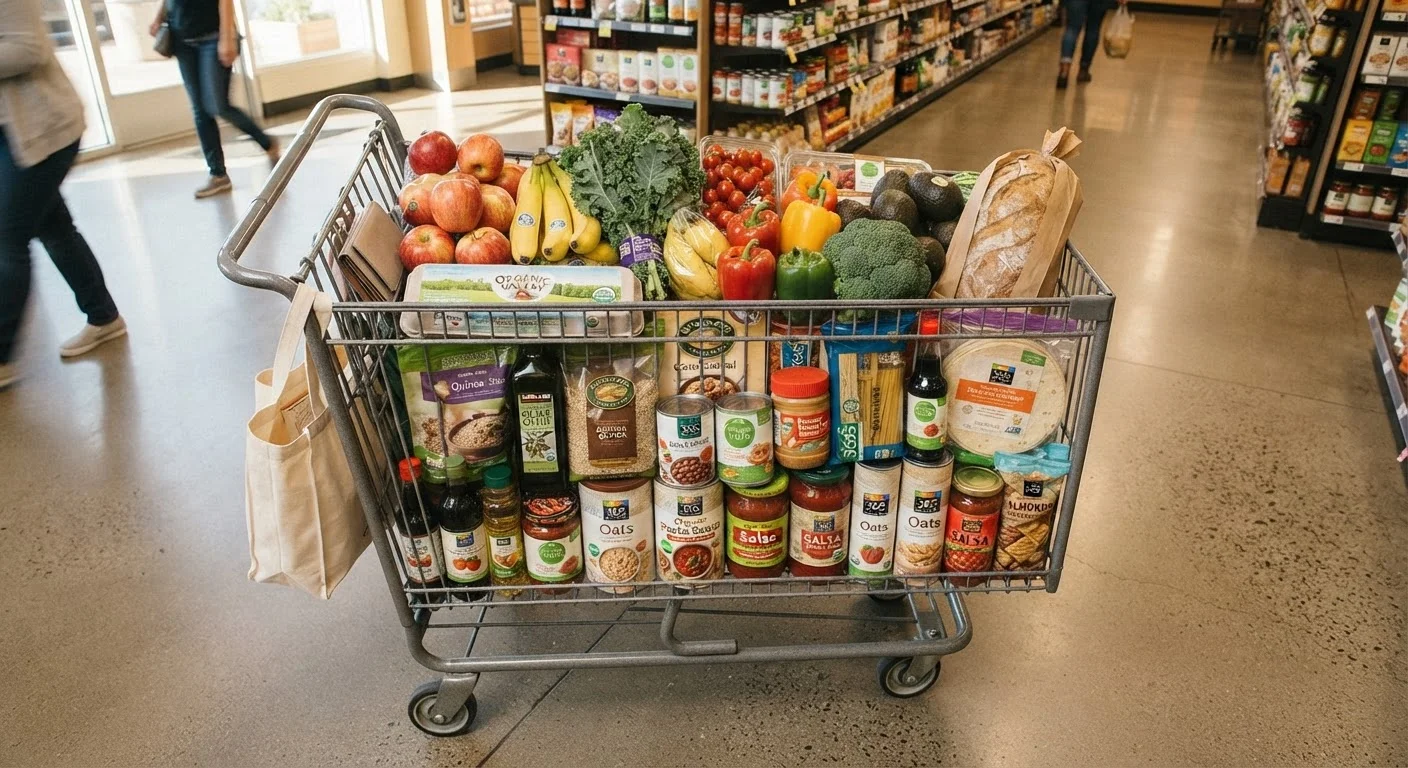
A small set of shelf-stable ingredients — oats, rice, dried pasta, canned tomatoes, canned fish, cooking oil — can form the backbone of dozens of meals. Cooking from these staples is almost always cheaper than convenience foods or takeout, and it gives you direct control over sodium and added sugars. The sodium context article illustrates how much of the American sodium burden comes from packaged and restaurant foods.
Choose frozen fruits and vegetables without hesitation.
Frozen produce is picked at peak ripeness and flash-frozen quickly, which preserves most vitamins and minerals. Studies published in nutrition journals have found frozen vegetables comparable — and sometimes superior — in micronutrient content to fresh items that have spent days in transit and storage. They also carry no risk of early spoilage, directly reducing food waste. The fiber resource highlights vegetables as one of the easiest ways to close the fiber gap most Americans face.
Plan meals for the week before you shop, even roughly.
A basic weekly plan — even just a loose outline of dinners — dramatically reduces impulse purchases, minimizes food waste, and prevents the last-minute expense of ordering in. Behavioral research consistently identifies planning as one of the most effective interventions for improving diet quality and reducing food costs simultaneously. It also makes whole-food choices the path of least resistance at the store.
Read nutrition labels to compare value across products, not just price.
Price per ounce tells you the cost story; the nutrition label tells you the nutritional story. Understanding how to read a label lets you compare store brands and name brands meaningfully, and helps identify when a cheaper product is genuinely the better choice. The nutrition label guide walks through each section of the panel without jargon.
Quick Actions You Can Take This Week
Strategy is useful, but momentum matters more. These concrete starting points require no special equipment, no extreme planning, and no perfect discipline — just a willingness to try one thing at a time.
For a broader look at how your current shopping habits stack up nutritionally, consider running through the weekly grocery list audit — it's a straightforward way to spot gaps without overhauling everything at once.
What the Numbers Say
A few key figures help put budget nutrition in concrete perspective. The data below reflects findings from publicly available dietary and economic research.
~$1.50
Average cost per serving of dried legumes
USDA Economic Research Service data consistently places dried beans and lentils among the most affordable protein and fiber sources available in American grocery stores.
30–40%
Estimated share of food Americans waste at home
According to USDA estimates, American households waste roughly a third of the food they purchase — a key driver of inflated effective grocery costs.
90%
Americans falling short of recommended vegetable intake
The Dietary Guidelines for Americans notes that the vast majority of U.S. adults do not meet daily vegetable recommendations, a gap that affordable frozen options can meaningfully help address.
It's also worth examining some of the assumptions that quietly inflate grocery bills. The grocery spending myths article separates fact from fiction on common habits like bulk buying and store brands.
This article is for general informational and educational purposes only and is not a substitute for personalized medical or dietary advice. Consult a qualified healthcare professional or registered dietitian for guidance tailored to your individual health needs and circumstances.