Start With a Wardrobe Audit, Not a Shopping List
The instinct when building a wardrobe from scratch is to head straight to the store. Resist it. A quick inventory of what you already own almost always reveals more usable pieces than expected — and prevents spending money on duplicates of things you've already got buried in your closet.
Pull everything out. Separate items into three piles: keep (fits well, worn regularly), consider (good condition but rarely reached for), and remove (doesn't fit, worn out, or genuinely unwanted). Be honest rather than optimistic. If you haven't worn something in over a year and can't name a specific occasion where you would, it's likely not earning its space.
This step is especially useful when paired with rediscovering what you already own — you may find perfectly good pieces that just needed a styling refresh. Once you know your starting inventory, your shopping list becomes a genuine gap-filler rather than a guessing game.
The One-Year Rule Is Your Friend
If you haven't worn something in the past 12 months and can't name a specific upcoming occasion when you will, it's a strong candidate for removal. Clearing out items that don't serve you creates a clearer picture of what you actually need — and makes getting dressed noticeably easier every day.
Identify Your Real Lifestyle Needs
One of the biggest wardrobe mistakes — regardless of budget — is buying for the life you imagine rather than the one you actually live. A wardrobe built around your real weekly schedule will serve you far better than one designed for theoretical occasions.
Think in concrete categories: How many days a week do you work, and what's the dress code? How often do you run errands, exercise, or go out socially? Roughly what percentage of your time is casual versus more polished? Jot down actual numbers — this gives you a proportional guide for how many pieces to put in each category.
For example, if 80% of your week is casual, your wardrobe should reflect that. Owning five dress shirts and two pairs of jeans when your life is primarily casual means 70% of your closet sits idle. For deeper guidance on building a style grounded in real daily life, lifestyle mapping is where every good wardrobe strategy begins.
Cost-per-wear
A way of evaluating clothing value by dividing the item's price by how many times you expect to wear it. A $60 jacket worn 60 times costs $1 per wear — often far more valuable than a $15 top worn twice.
Wardrobe audit
A deliberate review of every item you currently own, used to identify what's worth keeping, what can be donated, and what genuine gaps remain before you spend anything.
Capsule wardrobe
A curated, small collection of versatile clothing pieces designed to create many outfit combinations from very few items. It's a specific framework — versatility is the broader goal.
Neutral palette
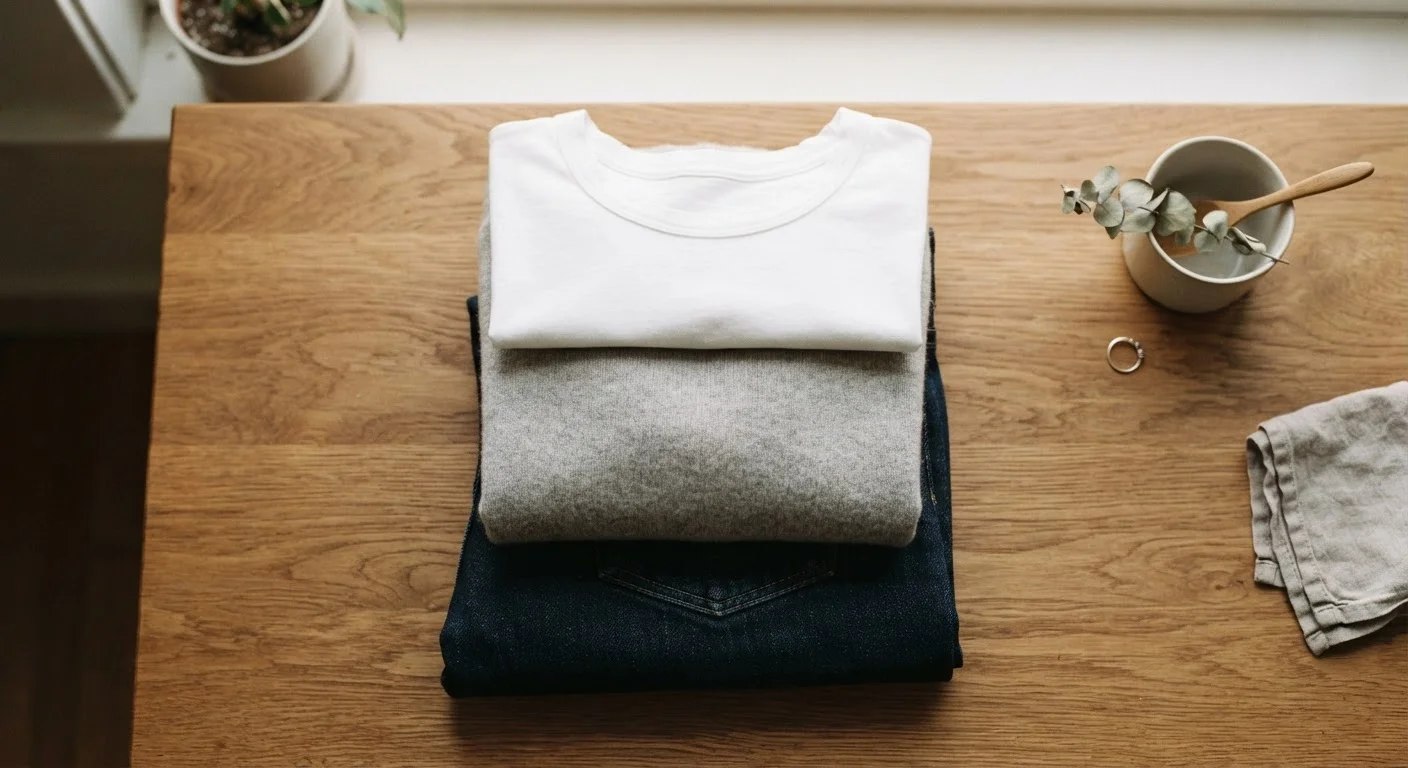
A group of low-saturation base colors — such as white, black, grey, navy, and tan — that pair easily with each other and with most accent colors, forming the backbone of a mix-and-match wardrobe.
Wardrobe gap
A category or type of item your current wardrobe is missing, identified through an audit. Filling gaps strategically is more efficient than shopping without a clear list.
Build Around a Core Color Palette
Color is the engine of wardrobe versatility. When your clothes share a cohesive palette, nearly every combination works — which means far fewer pieces produce far more outfits. This is one of the most budget-friendly strategies available because it multiplies outfit options without multiplying cost.
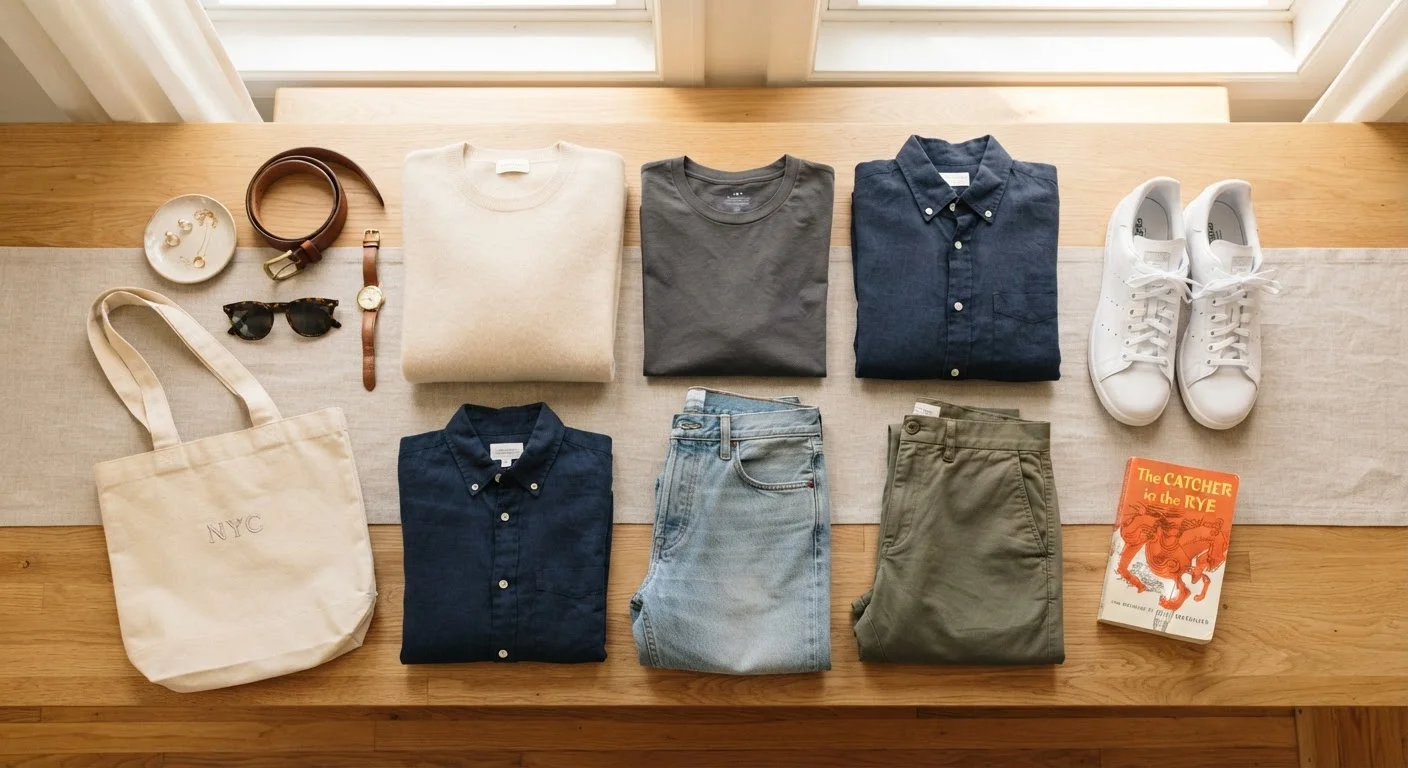
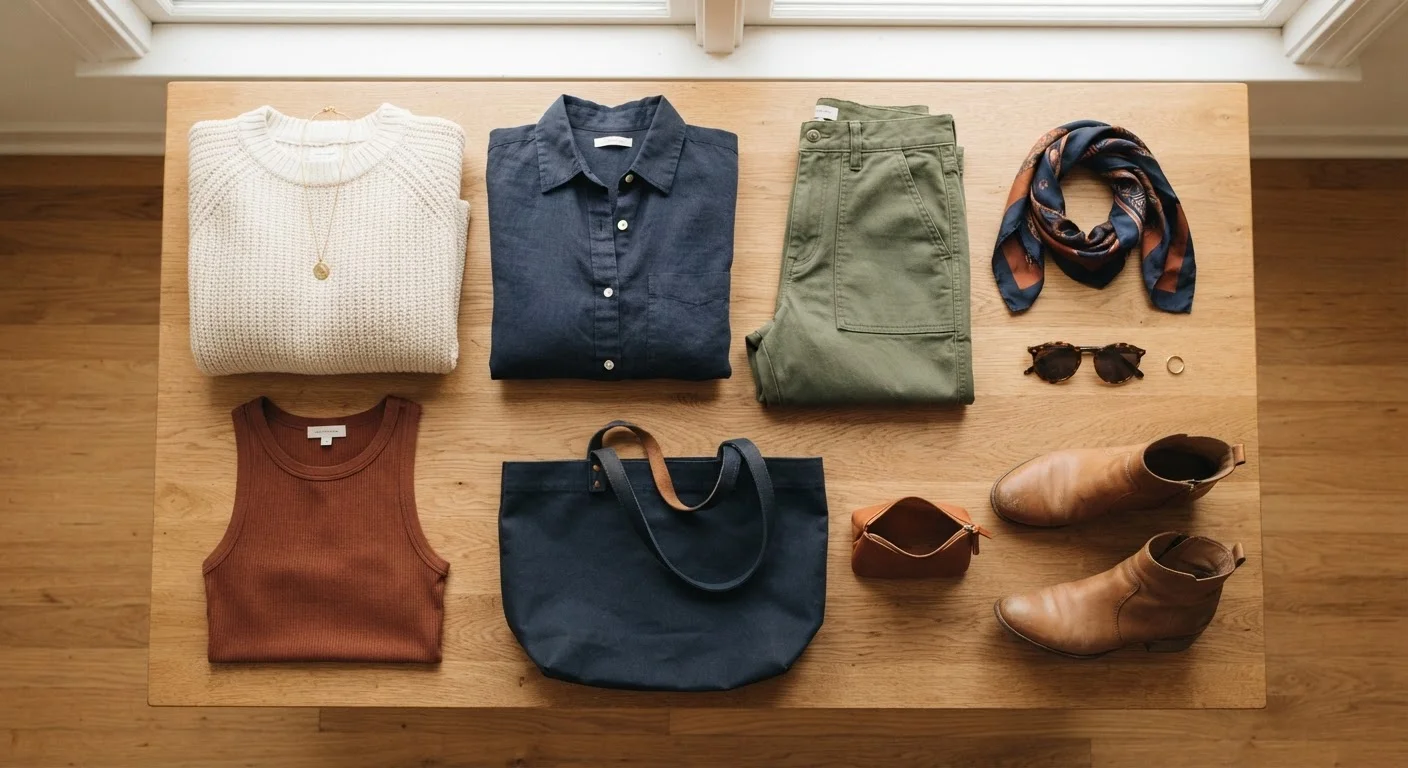
A practical starting palette includes two or three neutrals (navy, black, white, grey, camel, or tan are all strong choices) plus one or two accent tones that complement each other. Every new piece you add should work with at least three things already in your closet — that's a reliable litmus test before any purchase.
Not sure how to navigate color without second-guessing every combination? Color coordination doesn't require a fashion background — a few simple principles go a long way. And if you're weighing how many statement pieces to include against your neutrals, finding the right balance between neutrals and bold pieces is worth understanding before you shop.
How to Prioritize Pieces on a Budget
When money is limited, sequencing matters. Rather than buying across all categories at once, focus on the items with the highest cost-per-wear potential first — meaning the pieces you'll wear most often across the most varied situations.
A practical priority order for most people: well-fitting bottoms (especially versatile trousers or dark jeans), plain or lightly textured tops in neutral tones, one or two layers (a cardigan, a denim jacket, or a lightweight blazer), and one pair of clean, simple shoes that work across casual and slightly dressier contexts. Accessories and more specialized pieces fill in after the foundation is solid.
The wardrobe staples that appear on every style list earned their reputation for exactly this reason — they deliver consistent use across seasons and occasions. Keeping your clothing budget as a conscious line item is also worth the effort; the basics of personal budgeting apply just as naturally to wardrobe spending as to groceries.
Avoid Buying 'Just in Case'
Purchasing items for hypothetical occasions — a formal event that may never happen, a trip not yet planned — is one of the most common ways clothing budgets expand without adding real value. Stick to what your current life genuinely requires. Occasion-specific pieces can be addressed when the occasion is actually confirmed.
Where to Shop Without Overspending
Retail is far from the only option. Thrift stores, consignment shops, clothing swaps, and online resale platforms all offer real clothing at significantly lower prices — and the quality of available secondhand clothing has risen noticeably in recent years as more people participate in resale markets.
When shopping secondhand, go in with a specific list rather than browsing open-endedly. Check seams, zippers, and fabric condition before buying. Natural fibers like cotton, wool, and denim tend to hold up better over time than synthetic alternatives, making them stronger candidates for secondhand purchase.
For retail shopping, end-of-season sales and store clearance sections are where price and selection tend to align most favorably. Avoid impulse purchases by applying a simple rule: if you can't identify three things it would pair with in your current wardrobe, leave it. Once your foundation is set, seasonal wardrobe transitions can keep things feeling fresh without requiring new spending each time the weather shifts.