
Why Dog Nutrition Myths Spread So Easily
Pet food marketing is sophisticated, social media pet communities are vocal, and the emotional investment owners have in their dogs makes them receptive to claims of "better" or "more natural." The result: a landscape where well-meaning owners frequently make dietary choices based on misconceptions rather than evidence. Veterinarians consistently report spending appointment time correcting the same handful of nutrition myths. This article addresses the most persistent ones so you can make diet decisions with greater confidence.
It's worth noting upfront that nutrition science — including canine nutrition — is an evolving field. What follows reflects current veterinary consensus, but individual dogs vary. Any significant dietary change should be discussed with your veterinarian, who can account for your dog's age, breed, weight, and health history.
Myth
Grain-free food is always healthier for dogs.
Fact
Grains are not inherently harmful to dogs, and grain-free formulas are not nutritionally superior for most animals.
The grain-free trend largely reflects human dietary preferences, not canine biology. Most dogs digest carbohydrates — including rice, oats, and barley — efficiently. True grain allergies in dogs are relatively uncommon; proteins like chicken or beef are far more frequent allergens. Grain-free formulas often substitute grains with high levels of legumes (peas, lentils, chickpeas), which is the focus of ongoing FDA investigation into DCM. Unless your veterinarian has identified a specific grain sensitivity in your dog, there is no established nutritional reason to avoid grains.
Myth
Raw diets are the most natural and therefore the best option.
Fact
"Natural" does not automatically mean safe or nutritionally complete — raw diets carry documented health risks and are frequently unbalanced.
Proponents of raw feeding often argue that dogs' wild ancestors ate raw prey, so domesticated dogs should too. However, domesticated dogs have evolved significantly alongside humans, including metabolic adaptations to cooked and processed foods. Beyond the food-safety concerns outlined in the warning box below, many home-prepared raw diets have been found to be deficient in key nutrients like calcium, phosphorus, and certain vitamins. If you're exploring non-standard diets, a board-certified veterinary nutritionist can help you evaluate options safely.
Myth
Dogs are carnivores and need a meat-only diet.
Fact
Dogs are omnivores with a digestive system adapted to process both animal and plant-based foods.
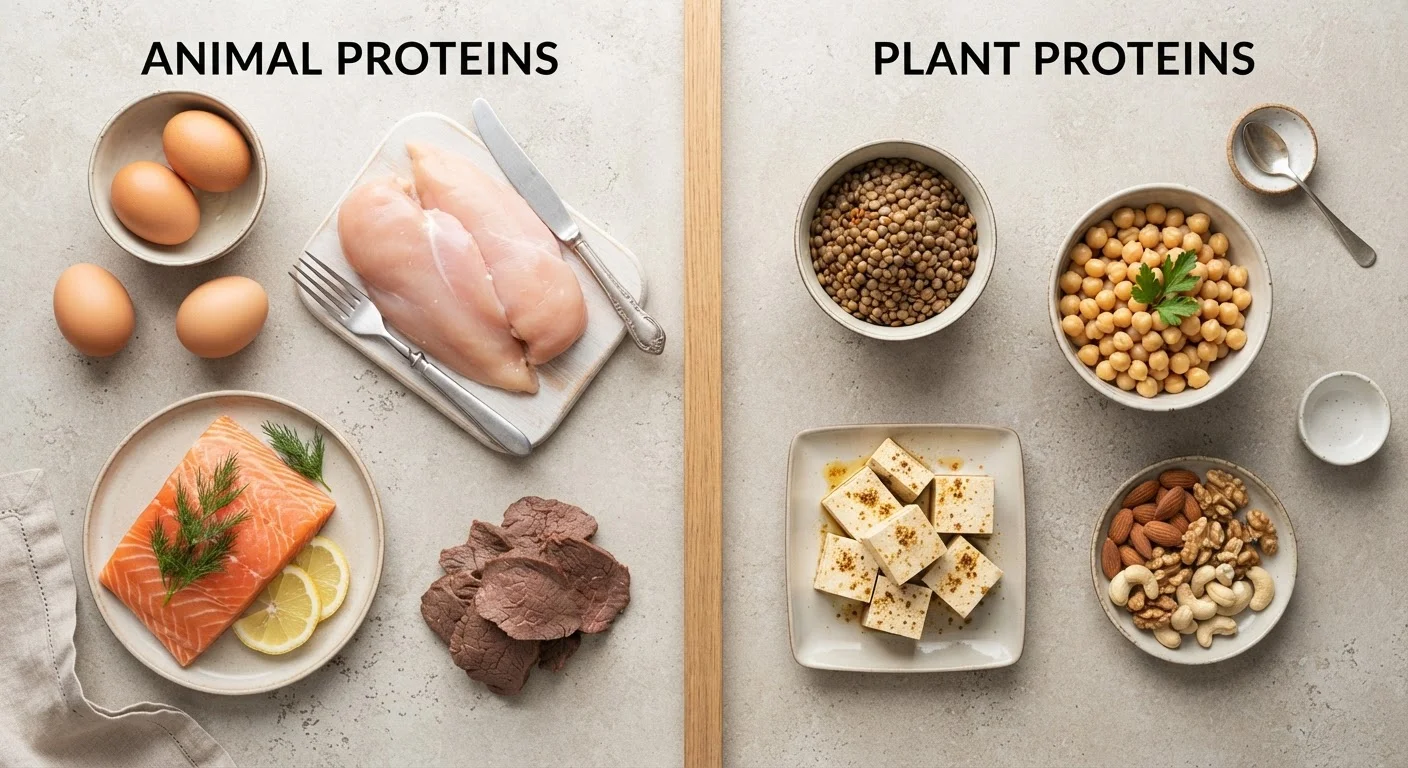
Unlike cats — which are obligate carnivores requiring specific animal-derived nutrients — dogs produce the enzyme amylase in their pancreas, enabling them to digest starches effectively. Wolves, the ancestral relatives of dogs, also consume plant material from prey stomachs. This means a nutritionally complete diet for dogs can include vegetables, grains, and plant proteins alongside animal protein. For a deeper look at how animal and plant proteins compare, see our protein source comparison.
Myth
Feeding table scraps is a harmless way to treat your dog.
Fact
Regular table scraps are a significant contributor to canine obesity, pancreatitis, and toxic food exposures.
Human food is prepared for human palates — often with salt, garlic, onion, or fat levels that can harm dogs. Even foods that seem benign, like grapes, raisins, or xylitol-sweetened products, are toxic to dogs. Beyond toxicity, habitual extras add untracked calories. Canine obesity is associated with arthritis, diabetes, heart disease, and shortened lifespan. Treats — including human food — should account for no more than 10% of a dog's daily caloric intake, per general veterinary guidance.
Myth
An expensive food is always a better food.
Fact
Price is not a reliable indicator of nutritional quality or appropriateness for your individual dog.
Marketing, packaging, and premium ingredient claims drive prices up without necessarily improving health outcomes. What matters is whether a food meets the nutritional standards set by AAFCO (the Association of American Feed Control Officials) for your dog's life stage, and whether it suits your dog's specific health needs. A moderately priced food with an AAFCO nutritional adequacy statement can be entirely appropriate, while a costly boutique formula may lack balance. Your veterinarian is the best resource for evaluating specific formulations.
Putting It Into Practice: Feeding Your Dog Well
Cutting through nutrition myths comes down to a few practical principles. First, look for an AAFCO nutritional adequacy statement on any dog food you consider — it indicates the product has been formulated or tested to meet baseline nutrient requirements for a specific life stage. Second, choose a life-stage appropriate formula: puppies, adults, and senior dogs have meaningfully different nutritional needs. Third, maintain consistent portion control using feeding guidelines as a starting point, adjusted based on your dog's body condition score, which your vet can assess.
Raw Diets Carry Real Safety Risks
Raw meat diets can harbor pathogens such as Salmonella, Listeria, and E. coli — posing health risks to both dogs and the humans who handle the food. The American Veterinary Medical Association does not recommend raw or undercooked animal-source proteins for pets. Immunocompromised individuals and households with young children should be especially cautious.
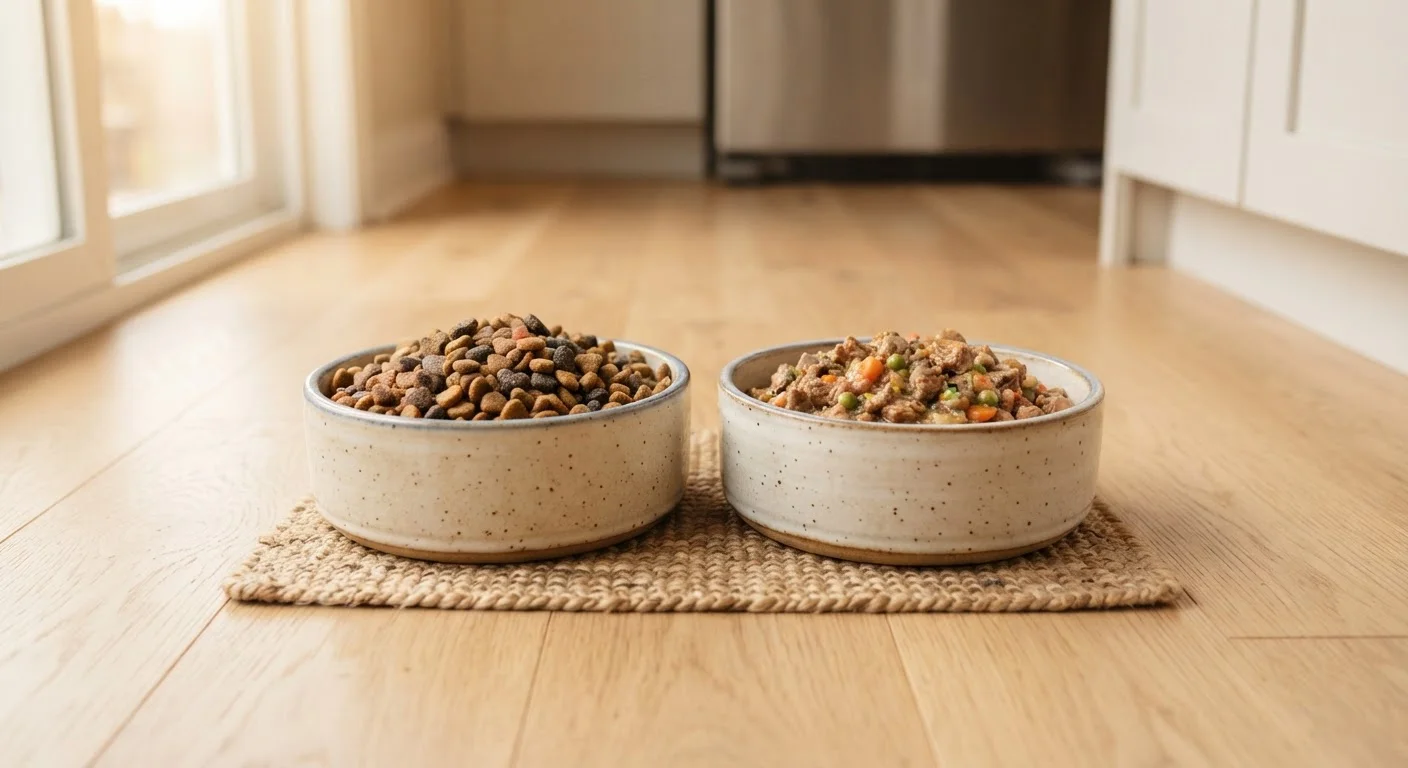
For a detailed look at how kibble and wet food compare across nutritional trade-offs, see our guide on matching your dog's diet to their needs. And if you've ever wondered why your dog grazes on grass, that behavior — and when it warrants a vet call — is explored in why dogs eat grass.
Grain-Free Diets and Heart Disease Risk
The U.S. Food and Drug Administration has investigated a potential link between grain-free, legume-heavy diets and dilated cardiomyopathy (DCM) in dogs. While research is ongoing and causation has not been definitively established, veterinary cardiologists advise caution. Do not switch to or away from any diet without guidance from your veterinarian.
Many of the same myth-busting principles that apply to dog nutrition also apply to cats. If you have a feline companion at home, common cat health myths vets correct covers frequently misunderstood feline care beliefs.
~56%
U.S. dogs estimated to be overweight or obese
According to the Association for Pet Obesity Prevention's annual survey, more than half of American dogs are classified as overweight or obese by their veterinarians.
1–2%
Dogs with confirmed food allergies
Research published in veterinary dermatology literature suggests true food allergies affect a small minority of dogs, with grain allergies being particularly rare compared to protein allergies.
This article is for general informational purposes only and does not constitute veterinary or medical advice. Always consult a licensed veterinarian before making changes to your dog's diet, especially if your pet has existing health conditions.