Why the Distinction Matters Nutritionally
When you eat a cup of blueberries, you consume about 15 grams of sugar. When you drink a flavored yogurt cup, you might consume a similar number — but the two are not nutritionally equivalent. The blueberries deliver fiber, antioxidants, and vitamins alongside their sugar. The yogurt's sweetness, if it comes from added sugar rather than the milk's natural lactose, arrives without those accompanying benefits.
This is why public health agencies and nutrition scientists distinguish between the two categories. Naturally occurring sugars are embedded in a food matrix — the physical structure of whole foods — that affects how quickly sugar is absorbed and what else the body receives in the process. Added sugars, stripped of that context, are more directly linked to excess calorie intake and are associated in observational research with increased risk for metabolic conditions when consumed in large amounts over time.
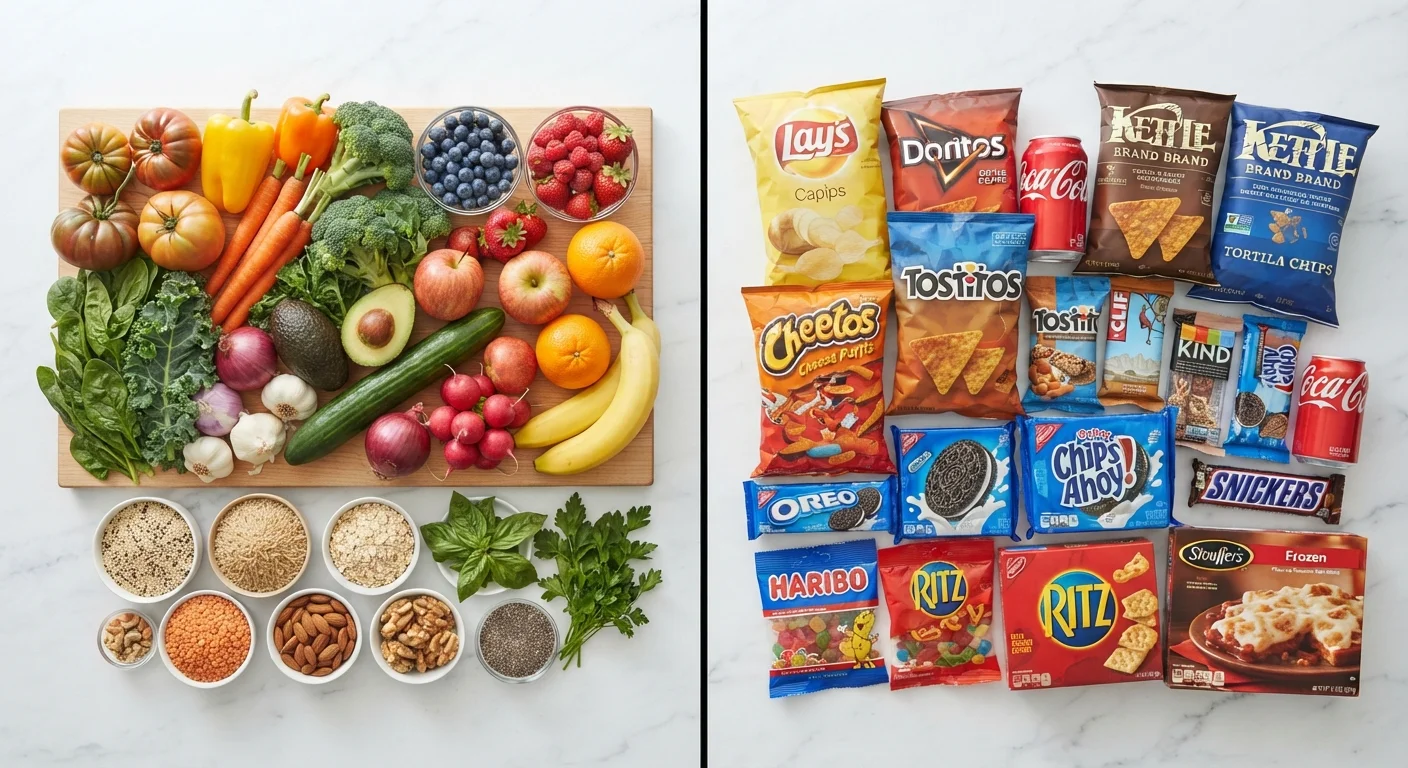
Importantly, neither type is universally harmful in reasonable quantities. The concern with added sugar is largely about volume and displacement — too much added sugar can crowd out more nutritious foods and contribute to calorie surpluses. For a well-rounded look at how whole and processed foods compare across the board, see our article on whole foods vs. processed foods.
Where Added Sugar Actually Hides
Most people correctly identify candy, soda, and desserts as sugar-heavy. The more nutritionally important skill is spotting added sugar in foods that don't taste particularly sweet.
17 tsp
Average daily added sugar intake for U.S. adults
According to CDC data, Americans consume on average about 17 teaspoons of added sugar per day — well above the recommended limit.
60+
Names for added sugar on ingredient labels
The FDA and nutrition researchers have identified more than 60 distinct terms used to describe added sugars in ingredient lists.
~40%
Of U.S. added sugar from beverages
Research published in nutrition epidemiology literature consistently finds that sweetened beverages account for the largest single share of added sugar intake in the American diet.
- Bread and baked goods: Many commercial sandwich breads contain added sugar to improve texture and shelf life. It often appears as high-fructose corn syrup or dextrose in the ingredient list.
- Pasta sauce and ketchup: A single two-tablespoon serving of ketchup can contain around 4 grams of added sugar. Jarred pasta sauces vary widely, with some adding significant sweeteners to balance tomato acidity.
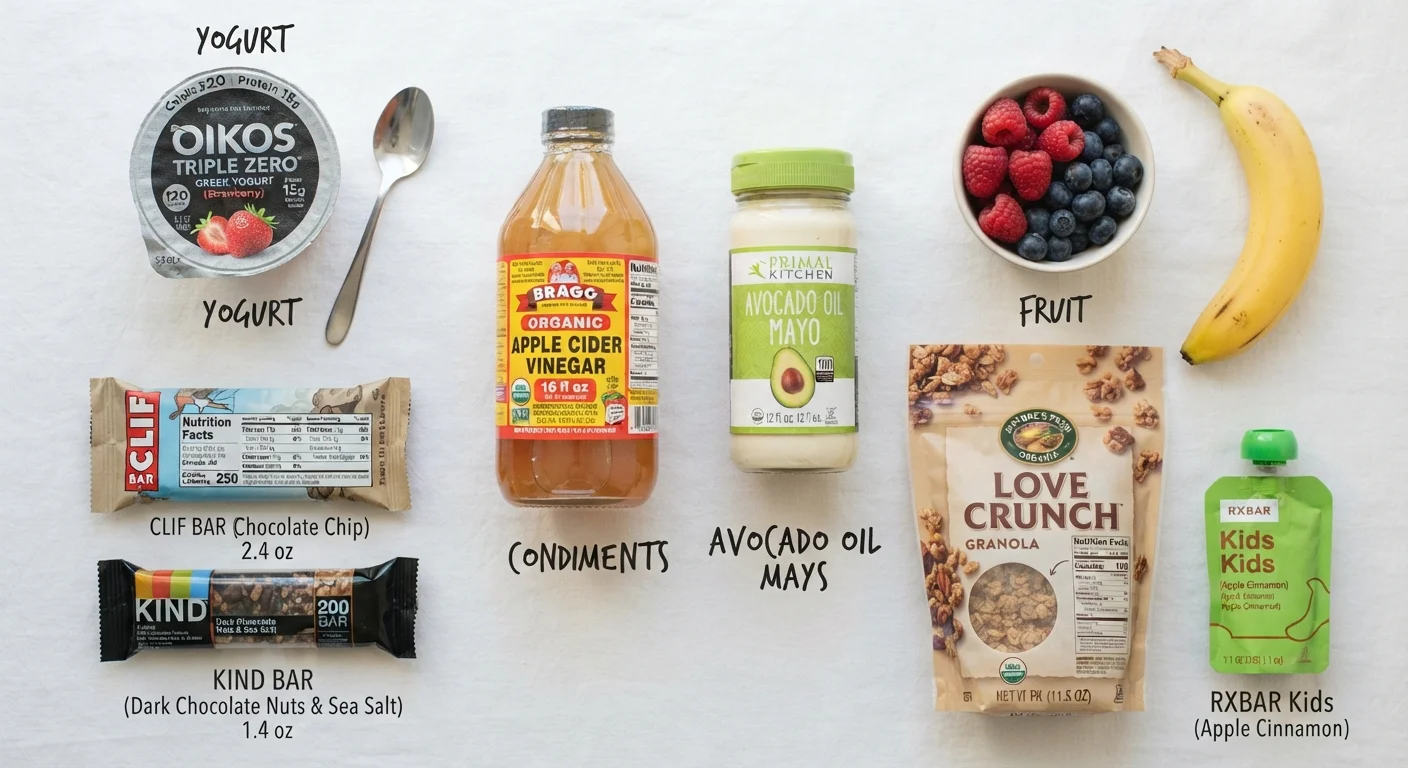
- Flavored yogurt: Plain yogurt's lactose is naturally occurring; the sweetened fruit-on-the-bottom varieties can contain 15–20 grams of added sugar per container.
- Salad dressings: Particularly low-fat varieties, which frequently use added sugar to compensate for reduced fat content and restore flavor.
- Protein bars and granola: Marketed as health foods, many contain multiple added-sugar sources including syrups, honey, and dried fruit with added sugar.
- "Healthy" beverages: Flavored waters, sports drinks, kombucha, and some plant-based milks often contain added sweeteners even when positioned as wellness products.
The ingredient list is your most reliable tool. Ingredients are listed by weight in descending order, so sugar near the top of the list signals a significant quantity. Watch for the many aliases: cane juice, malt syrup, agave nectar, turbinado, and any word ending in -ose are all added sugars.
Compare Products Using Added Sugars, Not Total Sugars
When choosing between two similar products — say, two brands of pasta sauce or yogurt — use the "Added Sugars" line rather than "Total Sugars" to make a meaningful comparison. Total sugars includes naturally occurring lactose in dairy and fructose in tomatoes, which skews the comparison. The added sugars figure isolates what the manufacturer put in, giving you a cleaner basis for decision-making.
Reading Labels to Spot Added Sugar
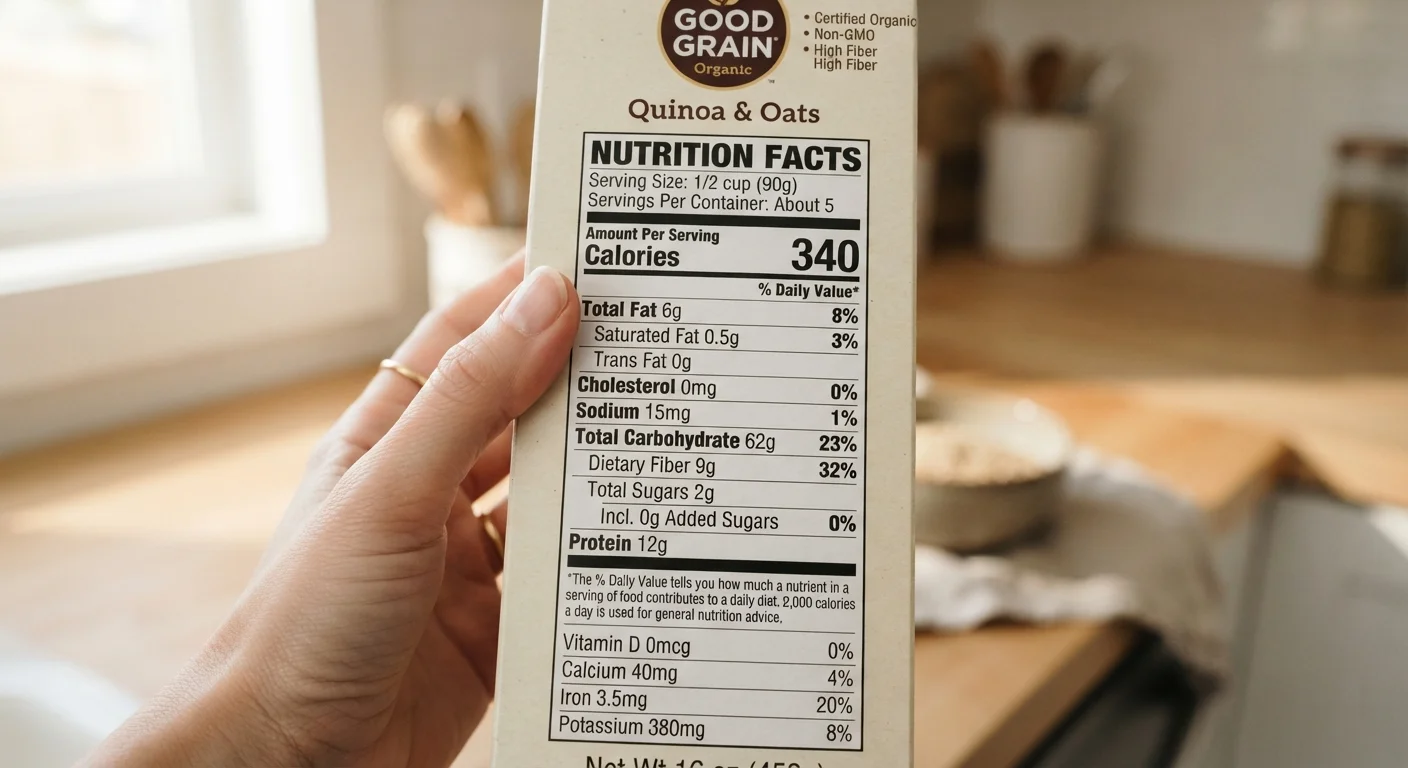
Since 2020, the FDA has required that "Added Sugars" appear as a distinct sub-line on the Nutrition Facts panel, directly below "Total Sugars." This makes it significantly easier to distinguish the two categories at a glance without decoding every ingredient.
The % Daily Value shown next to Added Sugars is based on a 50-gram daily limit — a benchmark derived from the recommendation to keep added sugar below 10% of a 2,000-calorie diet. A product showing 20% Daily Value for added sugars in a single serving is contributing a substantial portion of that daily ceiling before your day has begun.
For a thorough walkthrough of how to interpret every line of a Nutrition Facts panel — including serving sizes, which can make or break your sugar math — see our guide on reading a Nutrition Facts label.
“The evidence is consistent that replacing added sugars with minimally processed whole foods improves diet quality — not because sugar is toxic, but because it tends to displace more nutritious options.”
— Walter Willett, Professor of Epidemiology and Nutrition, Harvard T.H. Chan School of Public Health
This article is for general informational and educational purposes only and is not a substitute for personalized medical or dietary advice. Consult a qualified healthcare provider or registered dietitian for guidance specific to your health needs.