Two Numbers, One Decision
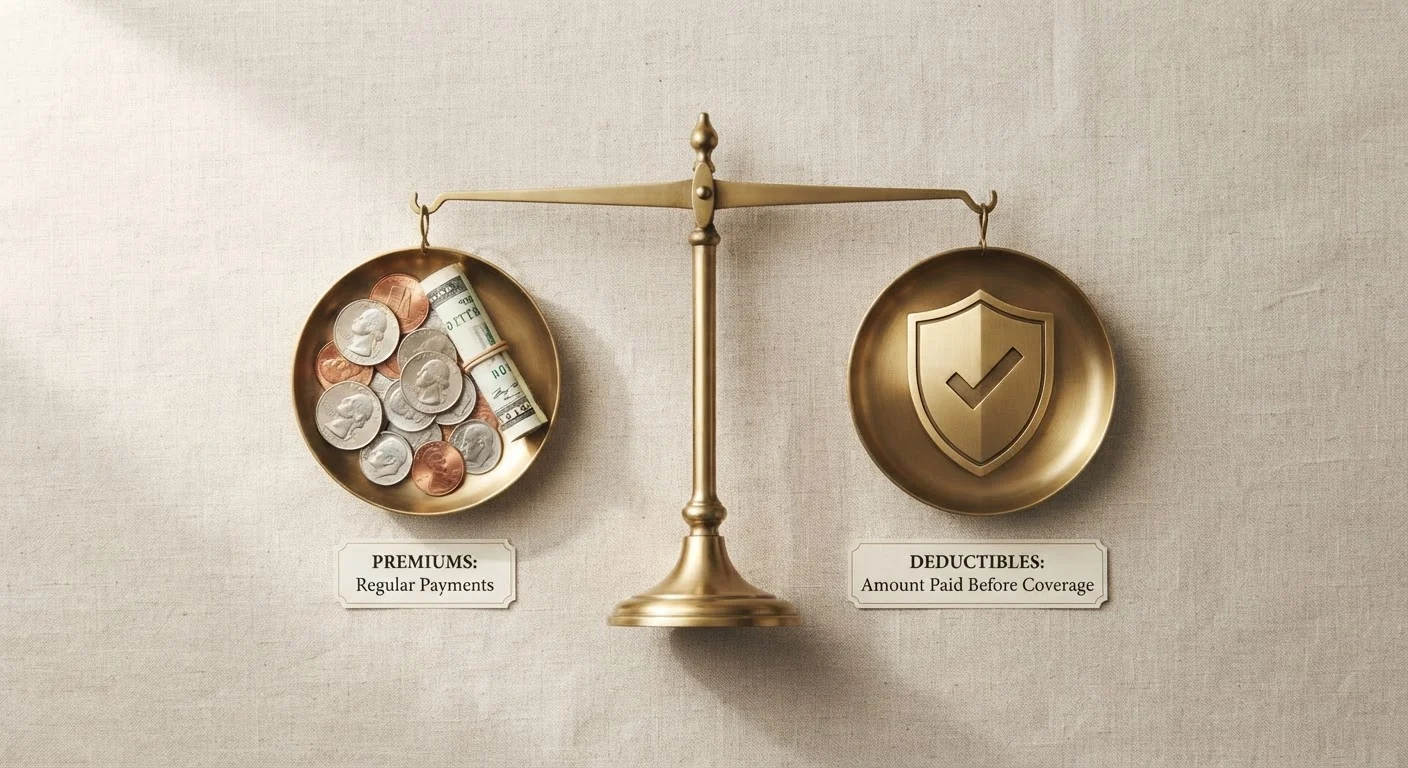
Every insurance policy puts two numbers front and center: what you pay to have coverage, and what you owe before that coverage actually pays out. These are your premium and your deductible, and understanding how they interact is one of the most useful things you can do as a policyholder.
The relationship is straightforward once you see it clearly. Insurers offer you a choice: pay more each month (higher premium) and face lower costs if something goes wrong, or pay less each month (lower premium) and take on more financial responsibility when a claim happens. Neither option is free — you're always absorbing some cost. The question is when you absorb it.
Check Your Deductible Before You Need It
Many people don't know their deductible amount until they're already filing a claim — which is the worst time to find out. Take a few minutes now to locate your deductible in your policy declarations page. Knowing that number in advance helps you decide whether your emergency savings are adequate to cover it.
How the Trade-Off Works in Practice
Imagine two people buying identical auto insurance coverage. One chooses a $500 deductible and pays $150 a month in premiums. The other chooses a $1,500 deductible and pays $95 a month. In a year without a claim, the second person saves $660. But if either has a covered accident requiring a $2,000 repair, the first person owes $500 out of pocket while the second owes $1,500.
This is the core math behind every deductible decision. The lower-deductible plan costs more to maintain but softens the financial blow of a claim. The higher-deductible plan is cheaper month to month but requires you to be ready to cover a larger gap if something happens.
$1,735
Average individual health deductible (employer plans)
According to the Kaiser Family Foundation's 2023 Employer Health Benefits Survey, the average deductible for single coverage in employer-sponsored plans was approximately $1,735.
~50%
Workers enrolled in high-deductible health plans
KFF survey data indicates that roughly half of covered workers in the U.S. are enrolled in a plan with a deductible of $1,000 or more for single coverage.
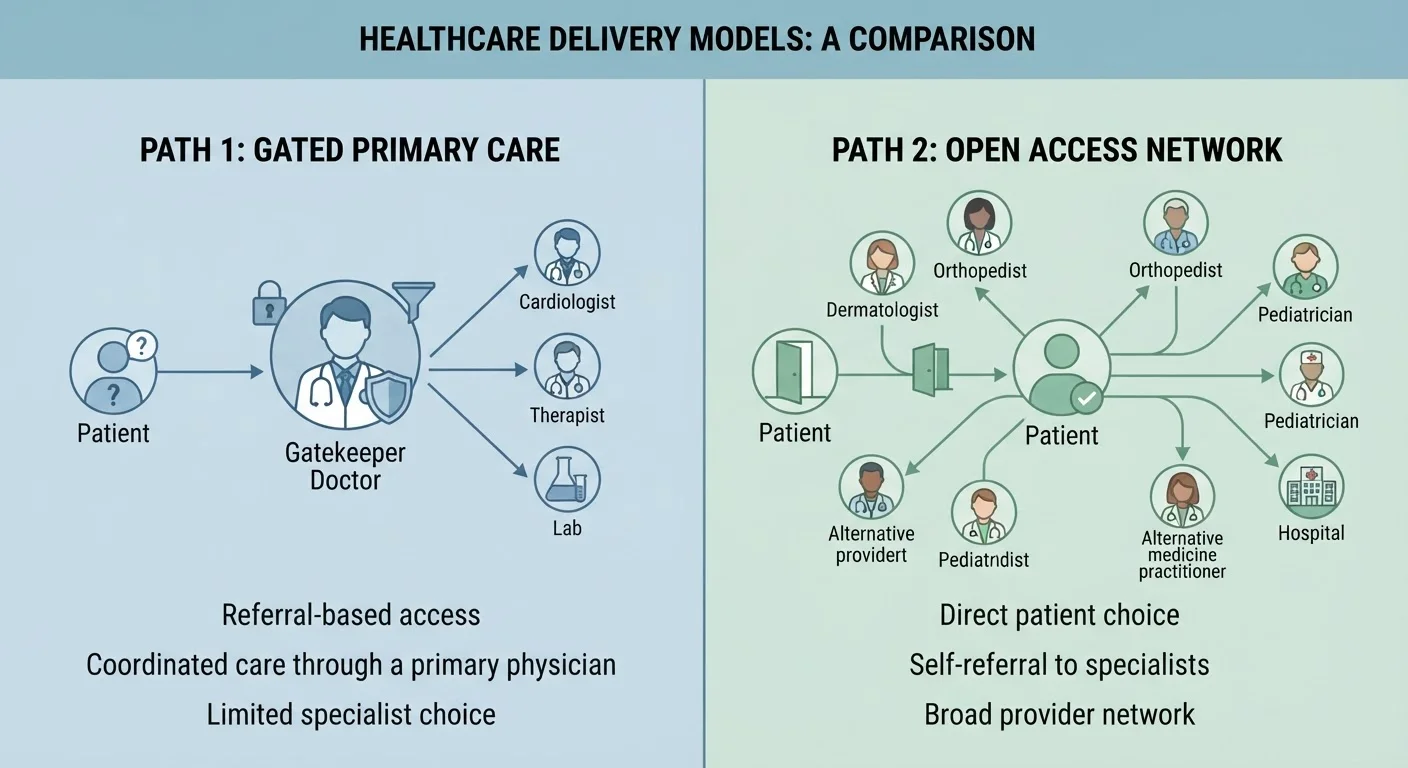
The same principle applies across insurance types. Health insurance plans with lower premiums typically carry higher deductibles, meaning you pay more of your medical costs before coverage begins. Home insurance works similarly — and if you're evaluating plan structures beyond the premium-deductible split, understanding your plan type matters too. For health coverage specifically, see how plan networks shape your costs in our article on HMO vs. PPO plan types.
Choosing a Balance That Fits Your Situation
There's no universally correct deductible amount. The right balance depends on two things: how often you're likely to use your coverage, and how much you can afford to pay out of pocket on short notice.
If you rarely file claims and have solid emergency savings, a higher deductible with lower premiums can make financial sense over time — you hold onto more money monthly and self-insure that gap. If your savings are limited, or you have a condition or circumstance that makes claims more likely, a lower deductible provides more predictable costs when it counts.
A common rule of thumb is to ask: could I pay my full deductible comfortably right now without going into debt? If the answer is no, your deductible may be set too high for your current financial position. For a deeper look at how to think through this decision, our premium vs. deductible decision guide walks through the trade-off in more detail.
This article is for general informational purposes only and does not constitute personalized insurance, financial, or legal advice. Coverage terms, deductible structures, and eligibility vary by insurer, policy, and state. Always review your actual policy documents and consult a licensed insurance agent or adviser for guidance specific to your situation.