Why Your Dog's Exercise Needs Are Unique
Many dog owners assume that a brisk morning walk checks the daily exercise box. For some dogs — a retired Basset Hound, say, or a senior Shih Tzu — that may be close to accurate. For a Border Collie, a Belgian Malinois, or a young Vizsla, it barely scratches the surface. Understanding your dog's true activity requirements isn't just about keeping them fit; it directly affects their behavior, emotional wellbeing, and long-term health.
Activity needs are shaped by breed heritage, individual temperament, age, and physical condition. Dogs bred for sustained work — herding, hunting, guarding, sledding — carry genetic drives that don't switch off simply because they live in a suburban home. When that drive goes unmet, the energy finds an outlet: destructive chewing, incessant barking, hyperactivity indoors, or anxious behaviors. These aren't character flaws — they're signals.
Pair sufficient exercise with appropriate nutrition for the best results. See how diet choices interact with your dog's life stage for guidance on aligning food with activity level. The list below breaks down what different dog categories typically need — and how to tell if the balance is off.
High-energy working and herding breeds
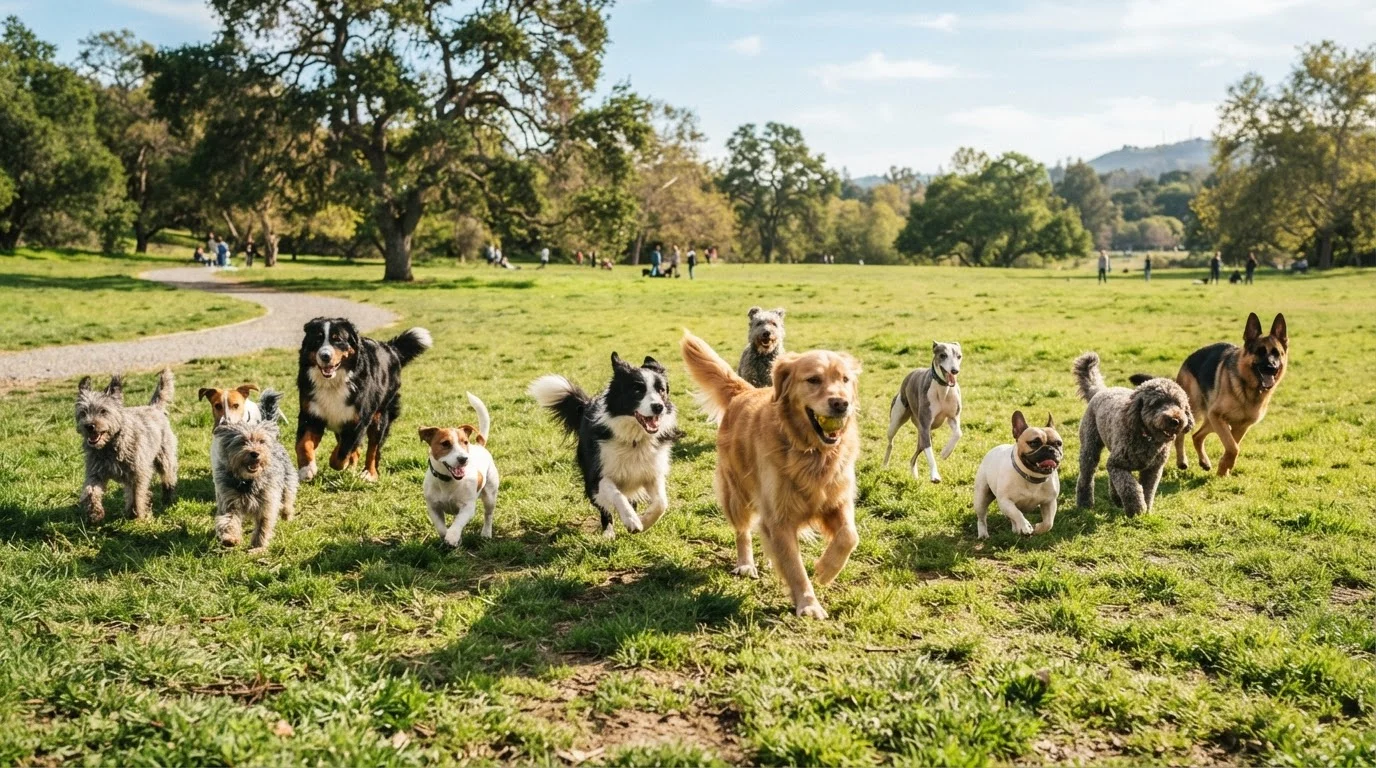
Breeds such as Border Collies, Australian Shepherds, Siberian Huskies, and Belgian Malinois were developed for sustained, purposeful work across long periods. These dogs commonly require 90 minutes to two or more hours of vigorous physical activity daily — not leisurely strolling, but running, fetching, swimming, or structured off-leash play.
Equally important is mental stimulation. Herding breeds, in particular, thrive on problem-solving. Agility courses, scent tracking, obedience training, and interactive puzzle feeders all contribute meaningfully to their overall exercise budget. Without sufficient outlets, these dogs frequently develop compulsive behaviors such as tail-chasing, fence-running, or excessive vocalization.
Herding breeds need both physical output and mental challenge — activity alone isn't enough.
Sporting and retrieving breeds
Labrador Retrievers, Golden Retrievers, Springer Spaniels, and Weimaraners were bred to work alongside hunters for hours at a stretch. Most adults in this group do well with 60 to 90 minutes of daily activity, ideally split across two sessions. Fetch, swimming, and trail hiking align naturally with their instincts and provide the cardiovascular load they need.
Retrievers are often described as easy-going, which can lead owners to underestimate their requirements. A Labrador that appears relaxed in the house has usually already had adequate outlets — or has learned to suppress its energy. A chronically under-exercised retriever will frequently become food-obsessed, overweight, or develop joint problems exacerbated by excess body weight.
Retrievers can appear calm indoors while still being significantly under-exercised.
Terriers and scent hounds
Jack Russell Terriers, Airedale Terriers, Beagles, and Basset Hounds fall into very different ends of a spectrum, but both groups share a strong prey or scent drive. Terriers tend to need vigorous daily play and ideally off-leash exploration in a secure area; their energy output is explosive rather than sustained. Around 45 to 60 minutes of active exercise — with variety — typically suits most adult terriers.
Scent hounds like Beagles and Bloodhounds benefit enormously from nose work and tracking games, which engage their brains intensely. A 30-minute scent trail session can be more tiring for a Beagle than a 60-minute jog. Always keep scent hounds on a leash or in an enclosed area during outdoor sessions — their nose can override recall commands entirely.
For scent hounds, nose work can be more mentally exhausting than an equivalent run.
Brachycephalic and low-energy breeds
French Bulldogs, Pugs, Bulldogs, and Cavalier King Charles Spaniels have shortened airways that make intense exertion dangerous, particularly in warm or humid weather. These breeds still benefit from regular, moderate movement — typically 20 to 30 minutes across multiple short sessions — but activity must be paced carefully. Watch for labored breathing, excessive panting, or blue-tinged gums, which are signs to stop immediately.
Brachycephalic dogs also overheat faster than longer-snouted breeds. Morning or evening walks during cooler hours are safer, and water access during any outdoor session is essential. Despite their lower aerobic capacity, these dogs still need daily movement to prevent obesity, which compounds their breathing difficulties significantly.
Short sessions in cool conditions protect brachycephalic dogs from dangerous overheating.
Puppies and adolescent dogs
Young dogs require a counterintuitive approach: less structured, high-impact exercise than you might expect. Growth plates — the soft cartilage areas at the ends of developing bones — remain open until somewhere between 12 and 24 months, depending on breed size. Repetitive high-impact activities like distance running or sustained jumping on hard surfaces can damage these plates and affect long-term joint health.
The general guideline often cited by veterinary professionals is roughly five minutes of structured exercise per month of age, given twice daily, until the dog is fully grown. Free play on soft surfaces is generally fine and hard to over-restrict. As dogs move into adolescence (roughly six to eighteen months), energy levels peak and behavioral challenges spike — this is the stage where consistent outlets matter most.
Puppy growth plates are vulnerable — limit repetitive high-impact exercise until the dog is fully grown.
Senior dogs and those with health conditions
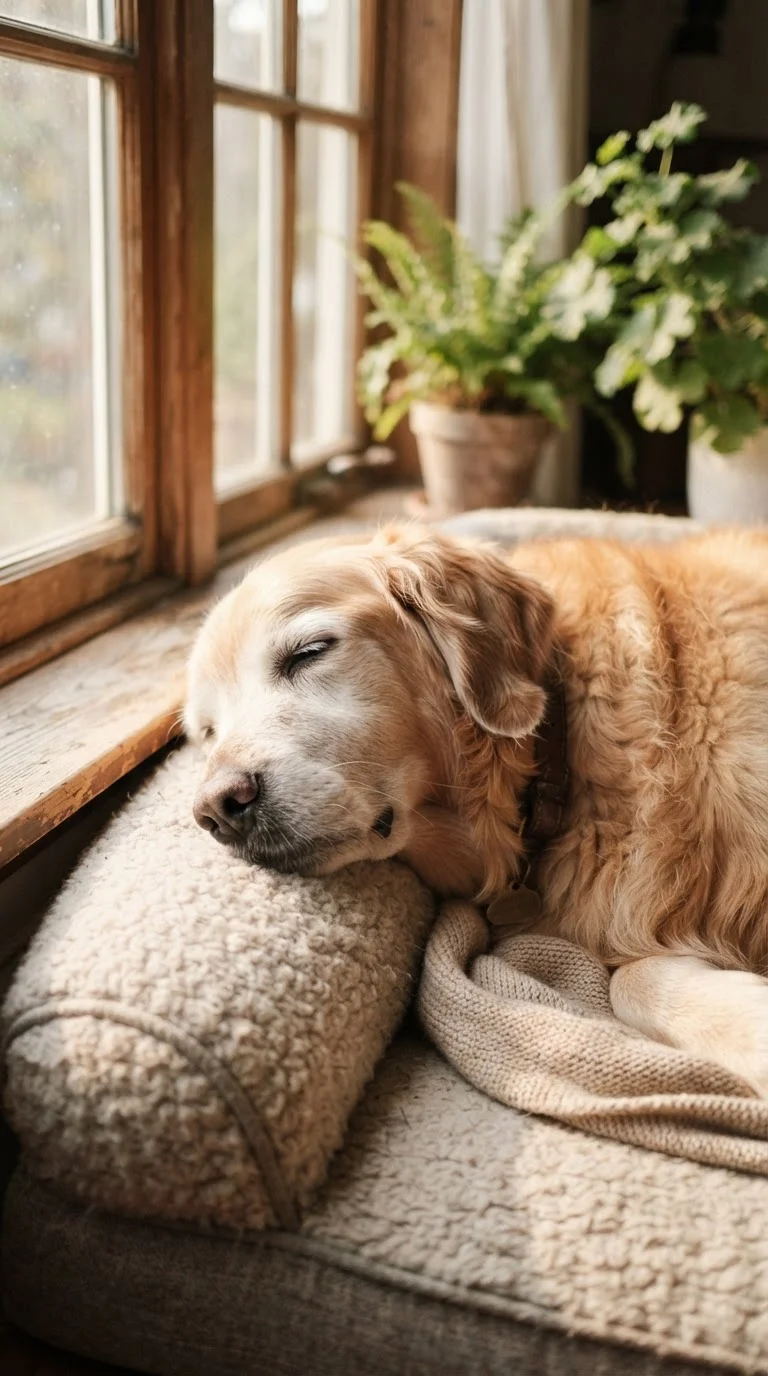
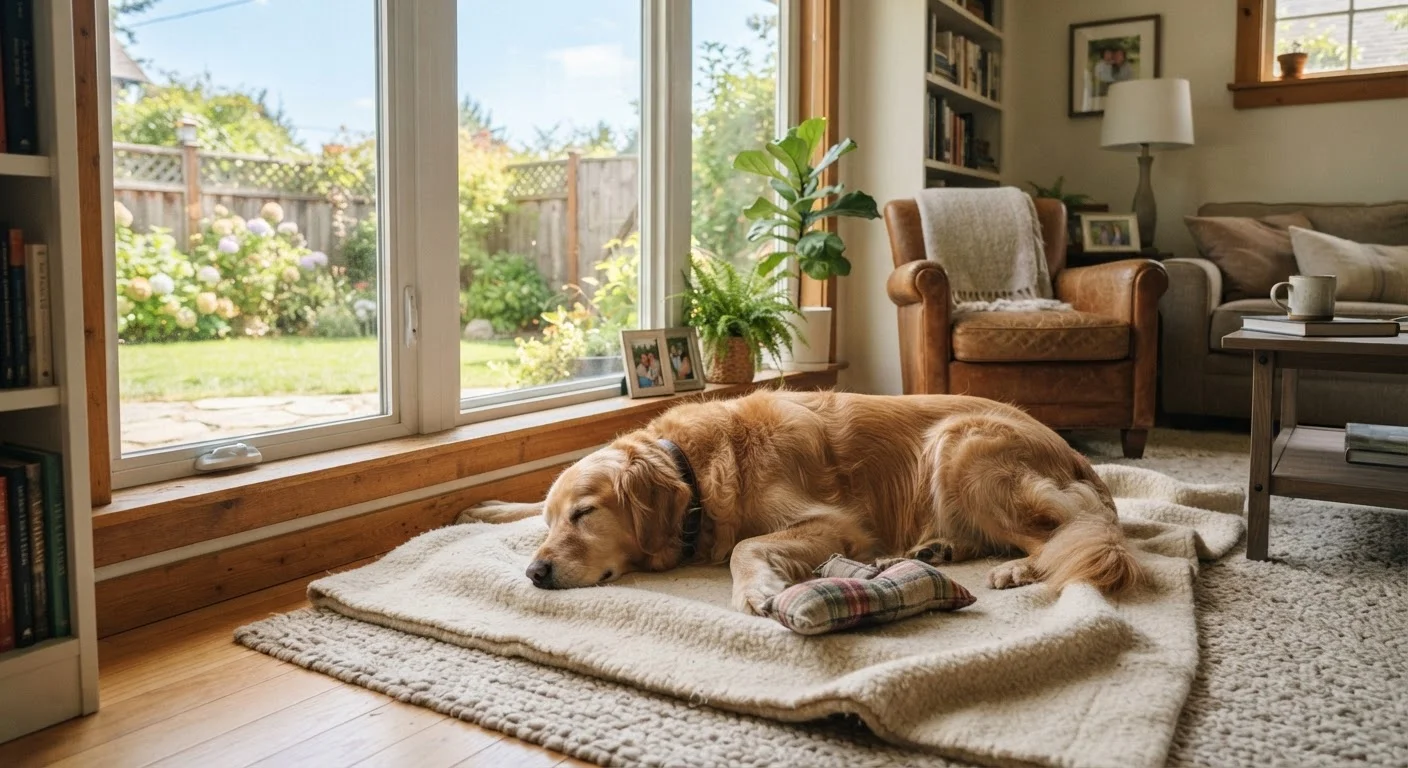
Older dogs don't need to stop moving — they need to move differently. Shorter, more frequent outings reduce joint strain while keeping muscles active and weight controlled. Swimming is often an excellent option for dogs with arthritis, as it provides resistance exercise with minimal impact. Gentle leash walks on even surfaces, adjusted for pace, remain valuable well into old age.
Dogs with diagnosed conditions — heart disease, hip dysplasia, intervertebral disc disease — should have their exercise plan approved and monitored by a veterinarian. The risk of too little movement (muscle loss, weight gain, cognitive decline) is as real as the risk of too much. Learn how a senior dog's full care needs evolve beyond just exercise.
For senior dogs, consistent gentle movement preserves muscle mass and supports cognitive health.
Putting It All Together for Your Dog
No single formula works for every dog, and requirements shift over time. A high-energy adolescent may need two or more vigorous sessions daily, while the same dog at ten years old may thrive on gentler, shorter outings. Senior dogs need adjusted exercise routines, not eliminated ones — movement supports joint health and cognitive function well into old age.
Track Energy Levels, Not Just Time
Rather than counting minutes, observe your dog's behavior across the day. A dog that settles easily after activity, isn't destructive when left alone, and engages calmly but willingly during walks is typically getting adequate exercise. Persistent restlessness, hyperactivity into the evening, or destructive behavior at home are common indicators that the daily routine needs more intensity or variety — not just longer duration.
The most reliable signal is your dog themselves. A well-exercised dog is calm at rest, engages readily during activity, and doesn't resort to destructive or anxious behavior indoors. If you're unsure whether your dog's current routine is sufficient, a veterinarian or certified professional dog trainer can assess their condition and recommend appropriate adjustments. Living situation also plays a role — see how indoor versus outdoor living affects a dog's welfare when evaluating your setup.
This article is for general informational purposes only and does not constitute veterinary advice. Always consult a qualified veterinarian for guidance specific to your dog's health and needs.