Why Small Pets and Kids Can Be a Great Match — With the Right Groundwork
Small pets like guinea pigs, rabbits, and budgies can be genuinely rewarding companions for children — but the pairing works best when adults set clear expectations from day one. Unlike dogs or cats, many small animals are prey species that startle easily and can be injured by rough or impulsive handling. That doesn't make them a poor choice for families; it means the preparation matters more, not less.
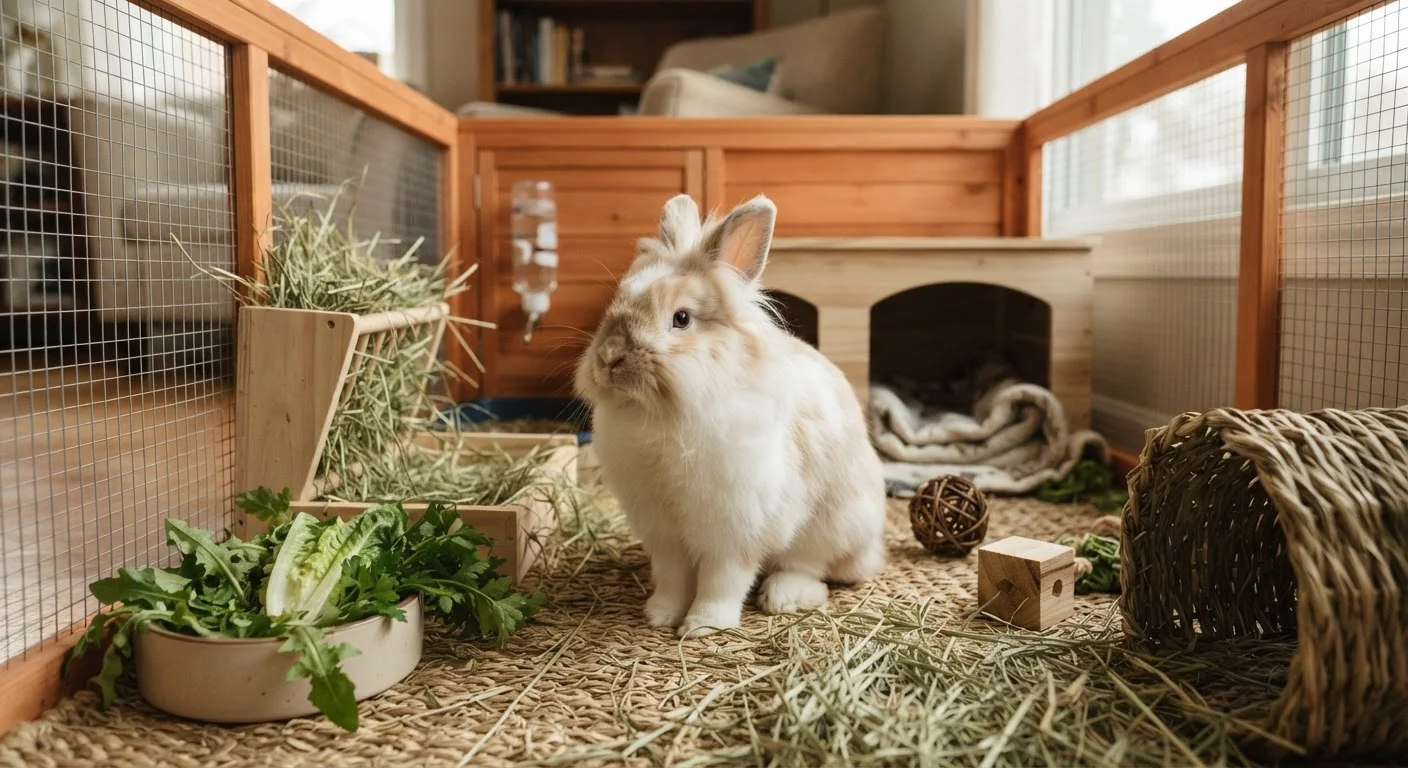
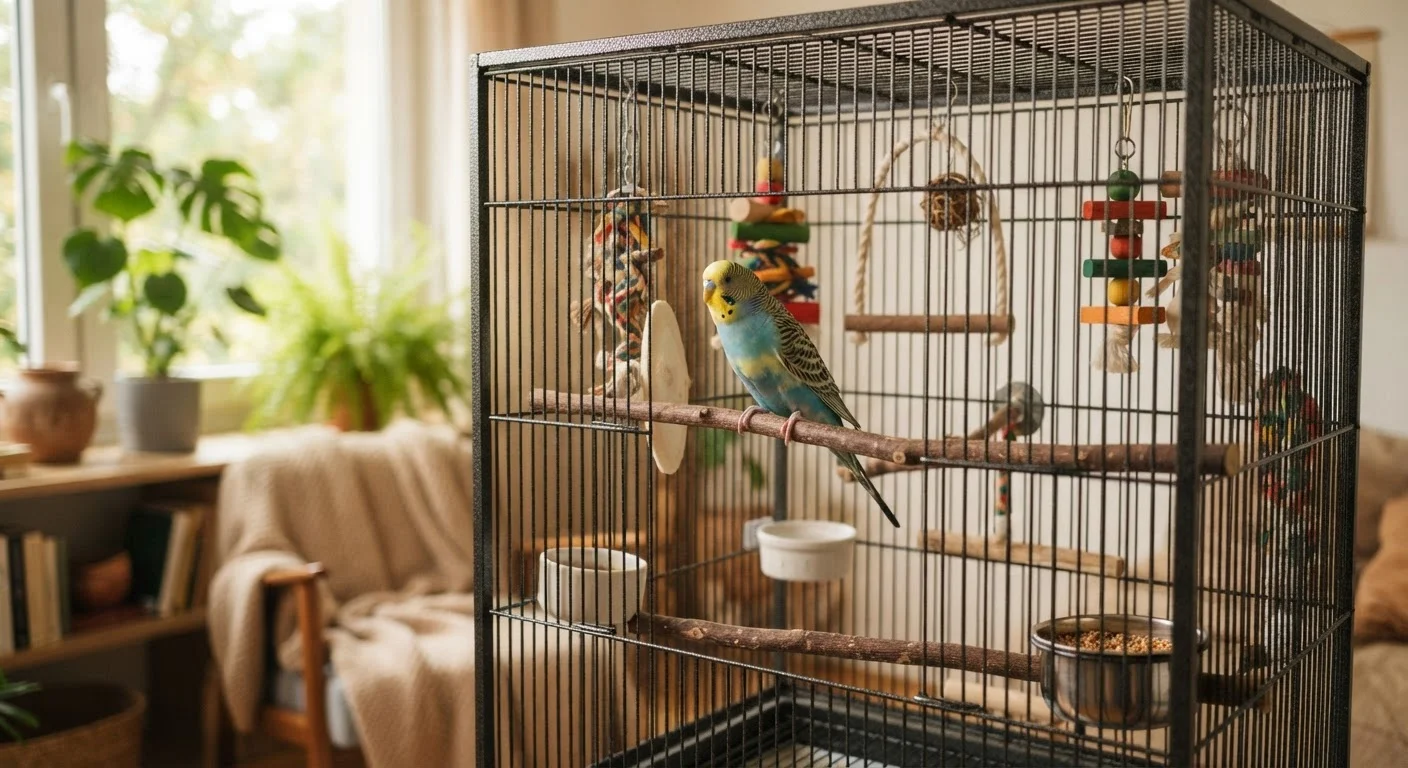
Before bringing any small animal home, review its species-specific needs honestly. A rabbit, for example, requires far more space and social interaction than many families anticipate — our guide to rabbit care from day one breaks down exactly what that commitment looks like. Similarly, birds carry demands that vary dramatically by species, so this species-by-species readiness checklist is worth reviewing before any feathered animal arrives.
The goal isn't to discourage families — it's to match the right species to your household's energy level, age range, and available time.
Age-Appropriate Responsibilities for Children
Assigning pet care tasks by developmental stage prevents frustration and keeps the animal safe. Use these general guidelines, always with adult oversight:
- Ages 2–4: Observe only. Toddlers can watch an adult feed or handle the pet but should not hold small animals unsupported. Their grip control and impulse regulation are not yet reliable.
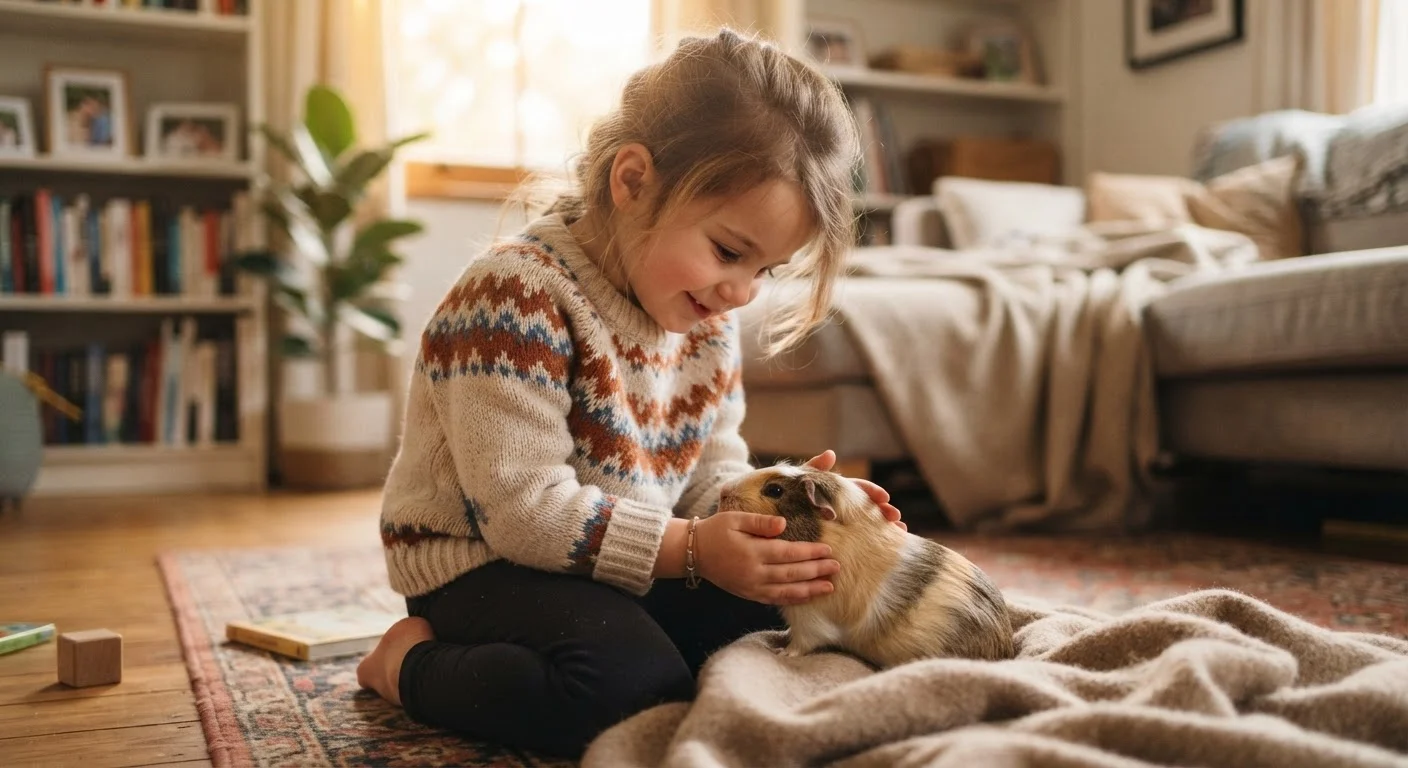
- Ages 5–7: Supervised participation. Children this age can help refill water bottles, offer vegetables under guidance, and practice gentle petting with an adult's hand nearby.
- Ages 8–11: Assisted caretaking. Older children can take on feeding routines, spot-clean enclosures, and handle calm, well-socialized animals — still with an adult present.
- Ages 12+: Shared stewardship. Tweens and teens can manage most daily care tasks independently, though a parent should remain the backup caretaker and monitor animal health.
No child, regardless of age, should be the sole responsible party for a pet's welfare. The adult in the household is always the primary caretaker.
Safe Handling Techniques for Small Animals
Improper handling is one of the leading causes of injury — to the animal and sometimes to the child. Teach these fundamentals before any child picks up a small pet:
Always support the animal's full body weight during handling.
Small animals — especially guinea pigs and rabbits — can kick powerfully when startled. An unsupported animal may fall and suffer a fracture. Teaching children to cradle the animal against their body reduces this risk significantly.
Introduce handling in short, calm sessions and end before the animal shows stress signals.
Prey animals have limited stress tolerance. Repeated or prolonged handling without recovery time elevates cortisol levels and can suppress immune function over time. Recognizing when to stop is as important as the handling itself.
Wash hands before and after every animal interaction.
Hand washing protects both the child and the pet. Residual food scents on a child's hands can trigger a defensive bite from a small rodent. Post-handling washing reduces transmission of bacteria like Salmonella, which some reptiles and rodents can carry asymptomatically.
Never allow chasing, cornering, or loud vocalizations near the enclosure.
Chronic stress in small animals manifests as reduced appetite, barbering (self-fur-pulling), and increased hiding. Children who run toward cages or shout near them can create a persistently anxious animal even without direct physical contact.
Teach children to read the animal's body language before reaching in.
Animals communicate discomfort before they bite or scratch. Teaching children to pause and observe gives the animal agency and prevents the majority of defensive bites, which typically occur when an animal feels trapped.
It also helps to be aware of common misconceptions that put small animals at risk. Our article on small pet myths that can actually harm your animal addresses several assumptions families often carry into pet ownership.
Creating a Safe Home Environment for Everyone
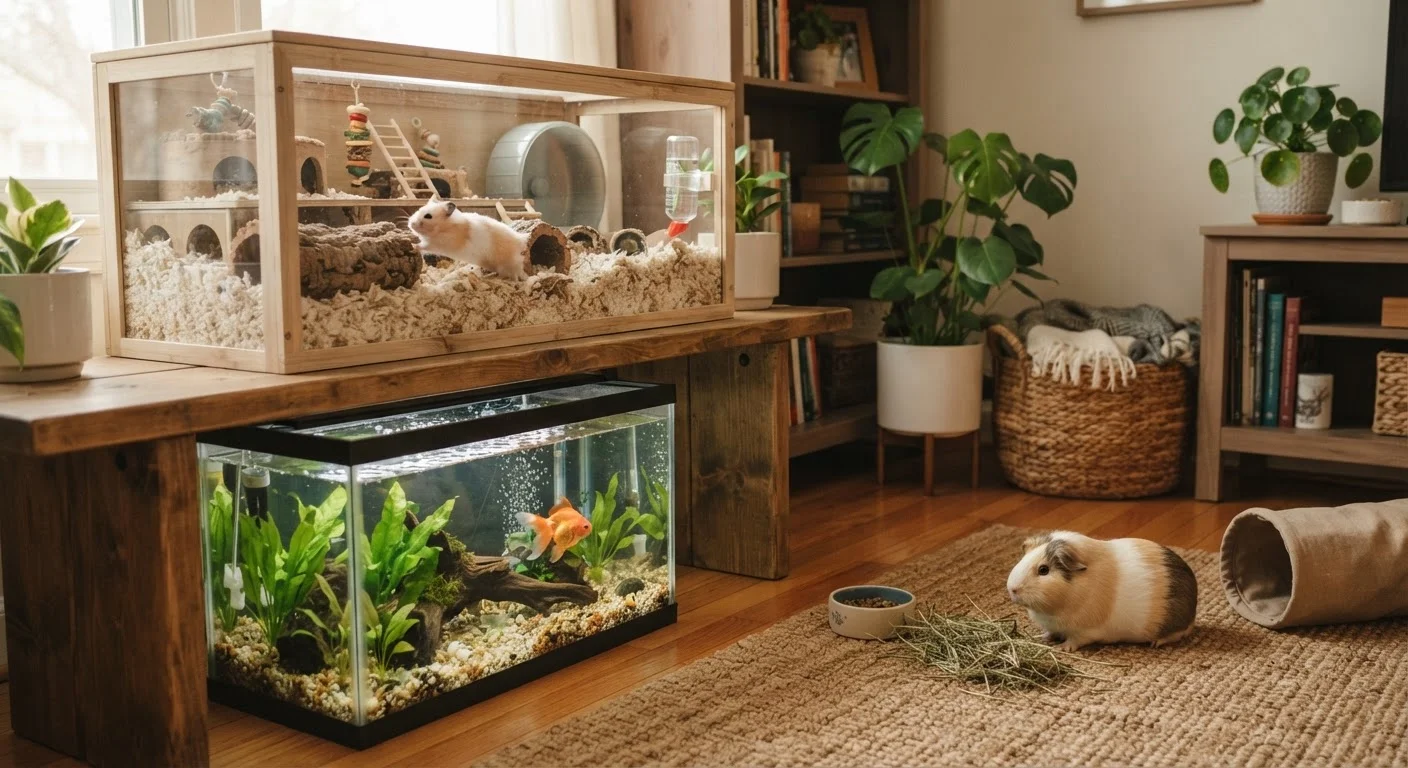
The physical setup of the home matters as much as individual interactions. Enclosures should be placed out of a toddler's reach, on a stable surface, away from high-traffic areas where the animal may be startled repeatedly throughout the day. For birds especially, cage placement affects long-term wellbeing — our budgerigar environment guide covers safe household placement in detail.
Species Matters: Not All Small Pets Suit All Ages
Hamsters are nocturnal, bite-prone when startled, and fragile under pressure — making them a better fit for children 8 and older rather than toddlers or preschoolers. Rabbits, while gentle when socialized, do not enjoy being held the way popular media often depicts. Guinea pigs are generally considered among the most child-friendly small pets due to their calmer temperament and vocal communication. Always research the specific species before assuming a small size equals easy handling.
Establishing a pet-care station with clearly labeled supplies — food, bedding, cleaning tools — helps children participate without rummaging through cabinets unsupervised. A consistent physical routine also reduces the chance of missed feedings or accidental double-feedings. For broader strategies on organizing family spaces so routines actually stick, see this guide to organizing a home with kids.
This article provides general educational information for pet owners and is not a substitute for guidance from a licensed veterinarian. Always consult a vet for health concerns specific to your animal.