Why Species-Specific Preparation Matters
Birds are among the most diverse companion animals in American homes — from the quiet, melodic canary to the decades-long commitment of a large parrot. Yet many first-time bird owners purchase supplies and set up enclosures based on generic "pet bird" advice, only to discover their specific species has very different needs.
A budgerigar (budgie) and a cockatoo are both parrots, but their cage size requirements, daily interaction demands, and noise output are worlds apart. Finches and canaries are largely hands-off birds that thrive as pairs; parrots are highly social and cognitively complex animals that can suffer real psychological distress without sufficient enrichment. See our honest assessment of parrot ownership for a frank look at what that commitment involves.
This checklist is organized into categories that apply broadly to all pet birds, followed by species-specific considerations. Work through each group before your bird arrives — not after.
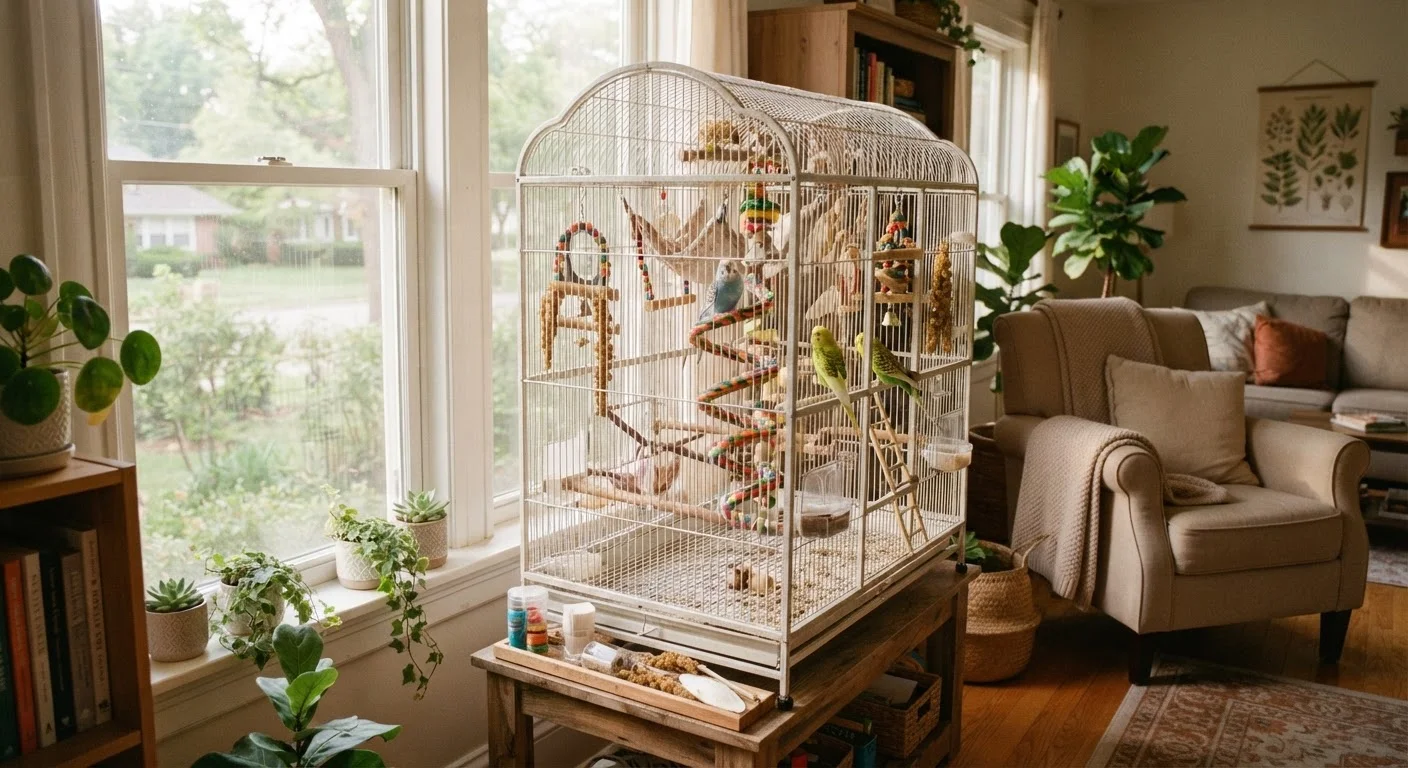
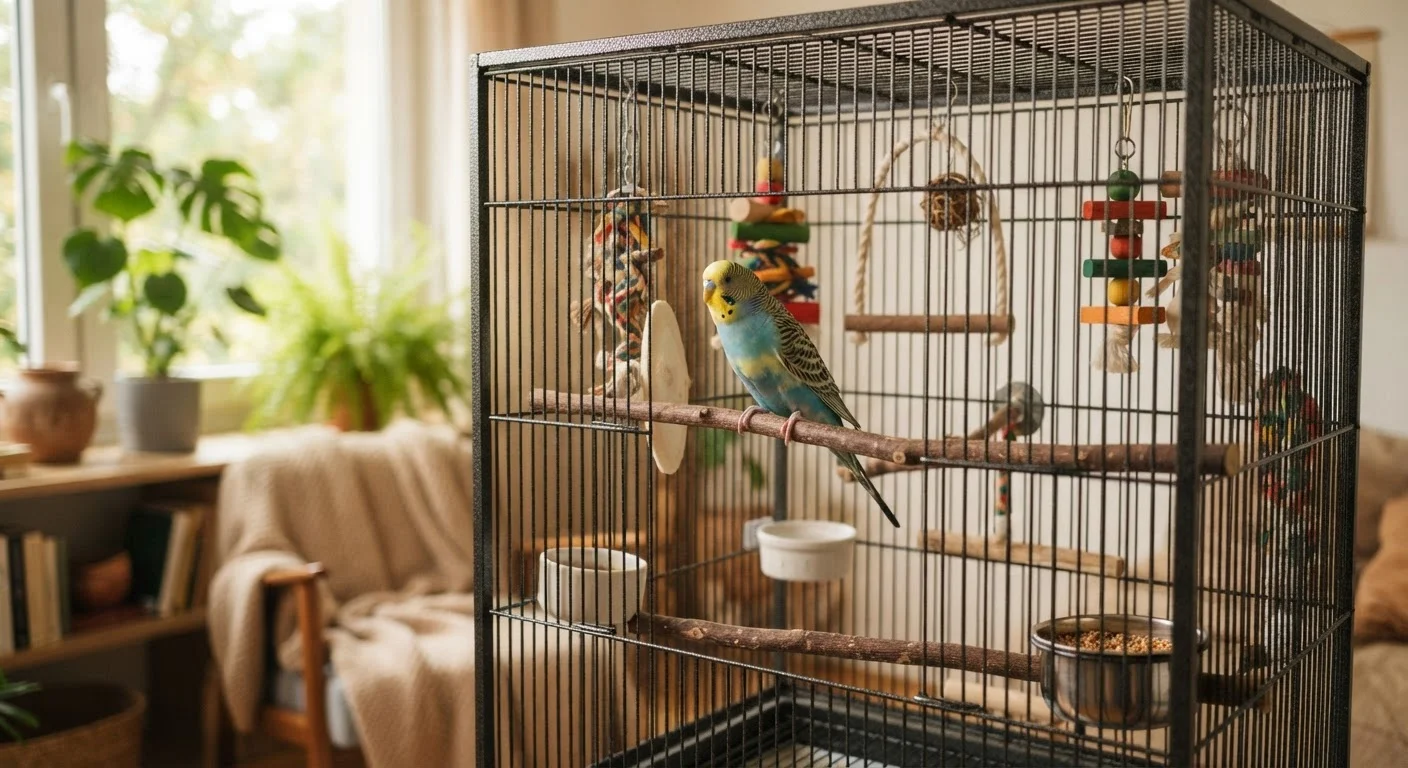
Species-appropriate cage
Provides safe, correctly sized living space matched to your bird's size and activity level.
Avian-safe perches (varied diameter and material)
Supports foot health and reduces the risk of pressure sores from uniform perching surfaces.
Stainless steel food and water dishes
Durable, non-porous dishes are easy to sanitize and resist bacterial buildup.
Bird carrier or transport cage
Safely transports your bird to and from veterinary appointments.
Species-appropriate foraging and enrichment toys
Provides mental stimulation critical for parrots and reduces boredom-related behaviors.
Digital kitchen scale (gram-accurate)
Allows you to monitor your bird's weight regularly — an early indicator of health changes.
Full-spectrum lighting (UVB lamp)
Supports vitamin D synthesis in birds housed primarily indoors, particularly beneficial for parrots.
Your Bird Readiness Checklist
Use the groups below to audit your preparation. Items marked must are non-negotiable for your bird's basic welfare. Should items reflect strongly recommended practices, and nice-to-have items will improve quality of life for both you and your bird.
Housing & Environment
Household Safety
Nutrition & Diet
Veterinary & Health Preparation
Time, Interaction & Lifestyle Fit
Birds Mask Illness — Act Quickly If Something Seems Off
As prey animals, birds instinctively hide signs of illness until they can no longer do so. By the time a bird looks obviously unwell — sitting fluffed, lethargic, or on the cage floor — the situation may already be serious. Familiarize yourself with your species' normal behavior, droppings, and weight so you can detect subtle changes early. Any suspected illness warrants same-day contact with your avian veterinarian.
Species Notes: Parrots, Canaries, and Finches
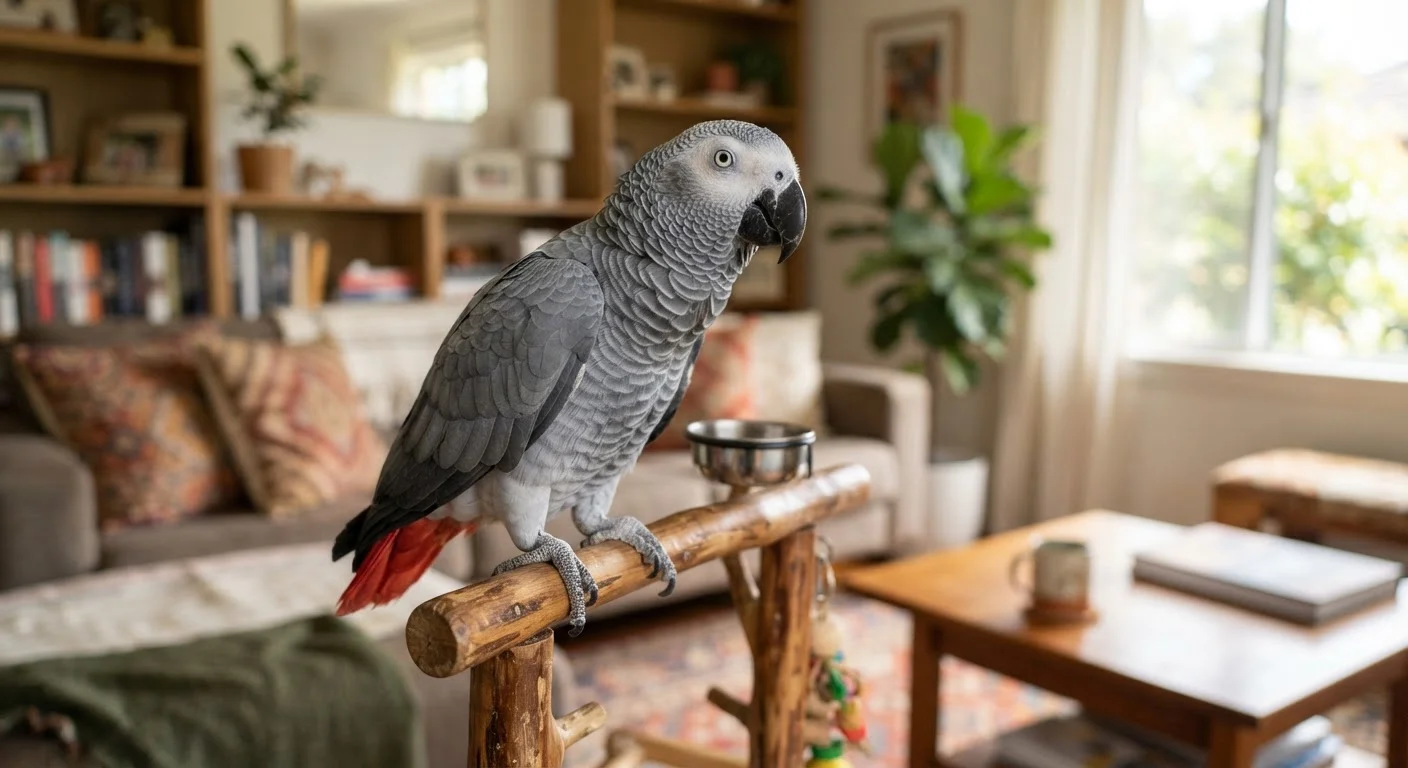
Parrots (budgies, cockatiels, conures, African greys, macaws, and others) are flock animals that bond closely with their human caregivers. Daily out-of-cage time, structured interaction, and mental stimulation are not optional extras — they are welfare requirements. Larger species can live 40–80 years; this is a multi-decade commitment. For detailed cage and environment setup specific to budgies, see our guide on setting up a budgerigar's environment.
Canaries are kept primarily for their song (males sing; females generally do not) and are best appreciated as observational pets rather than hands-on companions. They do not require extensive human interaction and can become stressed by frequent handling. A single canary is typically content alone; pairs or small groups need adequate space to avoid territorial tension.
Finches (zebra finches, society finches, and others) are highly social with their own kind and should generally be kept in same-species pairs or small groups. They thrive in flight cages that allow horizontal movement. Like canaries, they are not hands-on pets and are best enjoyed by watching and listening.
Non-Stick Cookware Is a Serious Risk
Polytetrafluoroethylene (PTFE), the coating used in most non-stick pans, releases odorless fumes when overheated that are rapidly fatal to birds. This risk applies even when cooking at normal temperatures. Many experienced bird owners remove all non-stick cookware from the home entirely — not just from rooms the bird occupies.
Seed-Only Diets Lead to Long-Term Health Problems
All-seed diets are a leading cause of nutritional deficiency in captive parrots and budgies. While seeds are palatable and birds often prefer them, they lack the protein, vitamins, and minerals found in a balanced diet. Introducing pellets and fresh vegetables early in your bird's life with your vet's guidance will support long-term health.
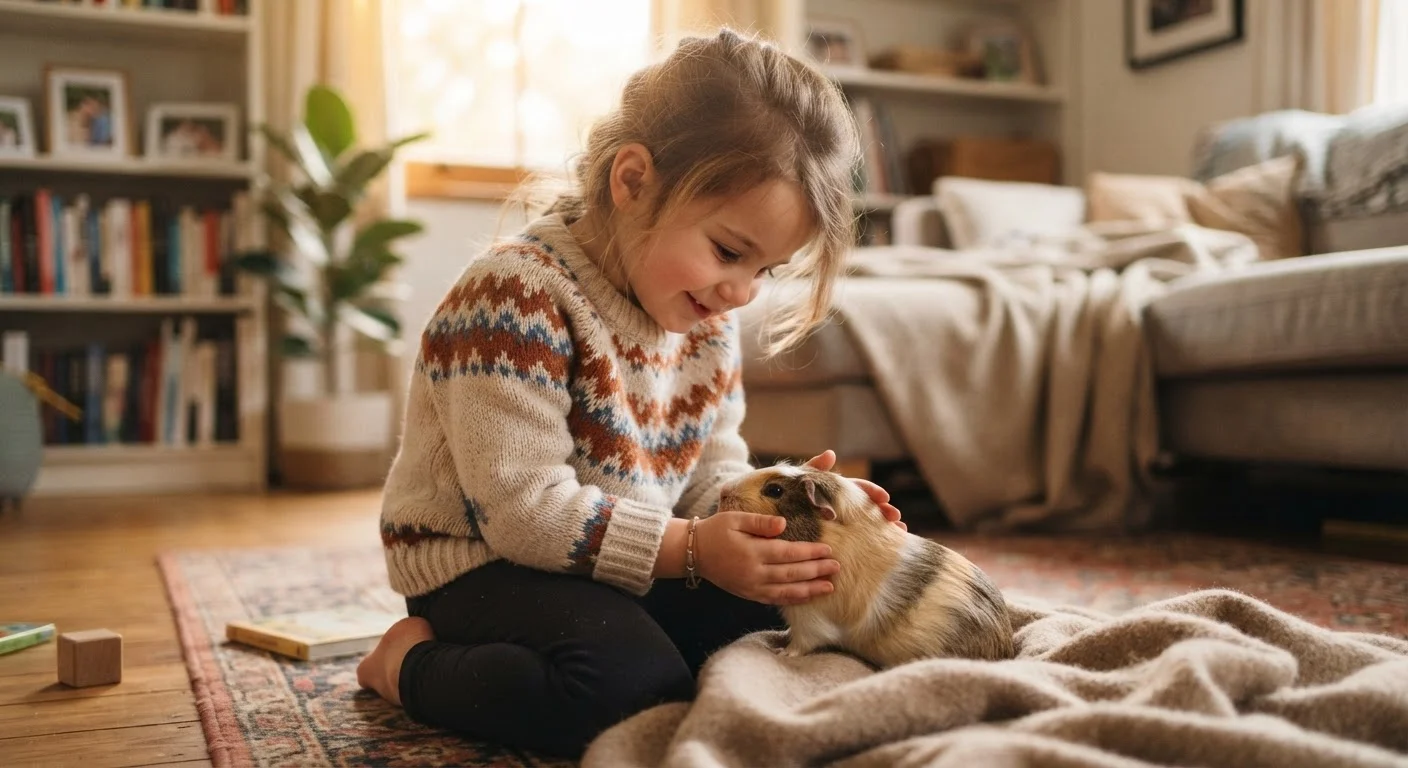
If your household includes young children, review our guidance on raising small pets alongside children before finalizing your bird choice.
Before Your Bird Arrives: Final Checks
In the 48 hours before pickup or delivery, run through this final walkthrough. Confirm your avian vet contact is saved and that you have a carrier appropriate for your species — a cardboard box is not suitable for transport. Ensure the cage is fully assembled, perches are installed at varying heights, and food and water dishes are in place with fresh supplies.
Remove or secure any hazards in rooms where your bird will have supervised out-of-cage time: ceiling fans should be off and treated as a hazard whenever the bird is free, windows and mirrors should be made visible with decals or blinds to prevent collision, and other pets should be reliably separated. The first few days should be calm and low-stimulus — let your bird acclimate to its new environment before introducing new people, sounds, or experiences.
This article provides general educational information for prospective pet bird owners and is not a substitute for guidance from a licensed avian veterinarian. Species needs vary; always consult a qualified professional for health, nutrition, and behavioral concerns specific to your bird.