Setting Up the Right Living Space
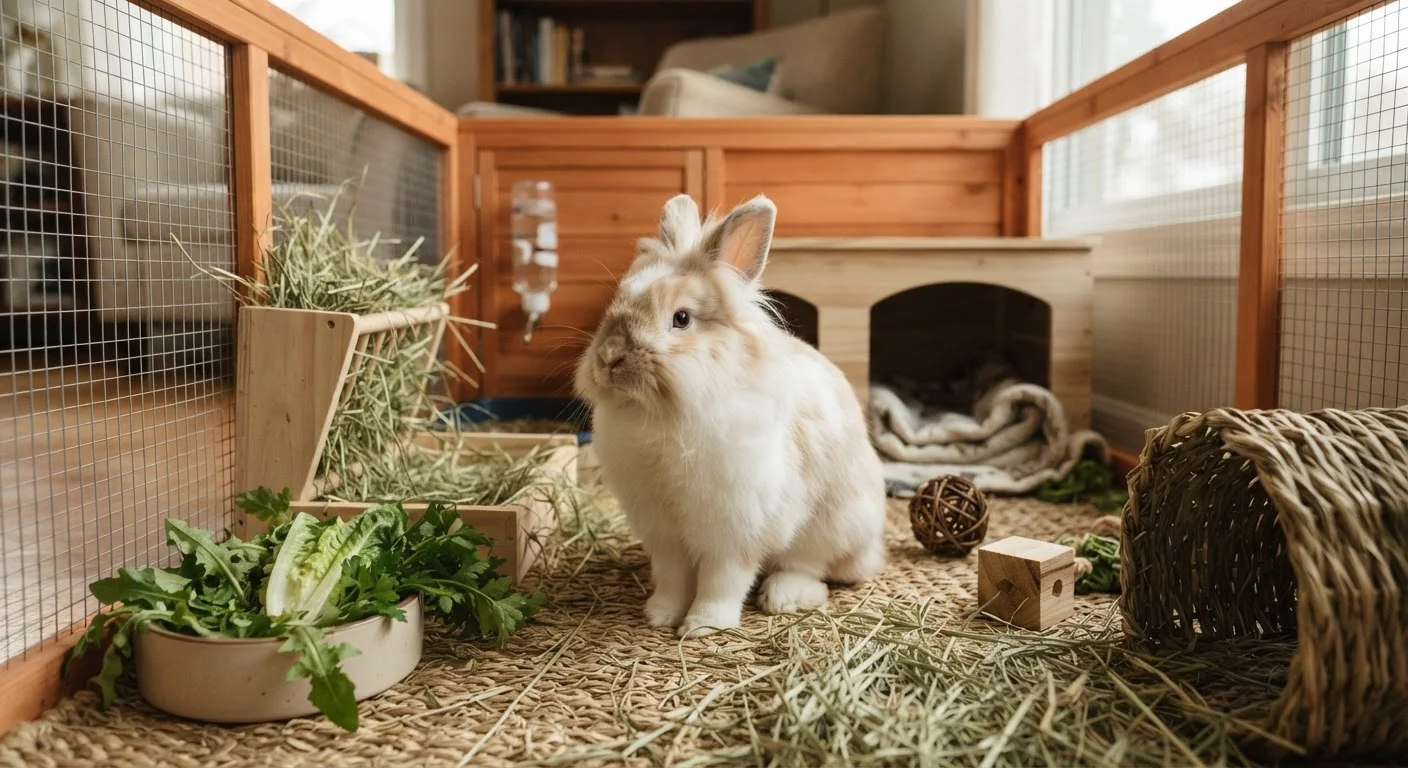
The enclosure you choose shapes nearly every aspect of your rabbit's daily life. The House Rabbit Society and most small-animal veterinarians recommend a minimum of 12 square feet of living space — far more than the compact wire cages still commonly sold in pet stores. A large puppy pen, a converted room corner, or a purpose-built rabbit condo all give your bunny room to stretch, binky (a joyful full-body leap), and move naturally.
Flooring matters too. Wire-bottom cages stress and injure rabbit feet; solid or tiled flooring covered with a washable mat or hay is far safer. Rabbits also need a covered hide box where they can retreat and feel secure.
Rabbit-Proof Before Day One
Do your rabbit-proofing before your rabbit arrives, not after. Secure or cover all electrical cords at floor level, remove toxic plants, and block gaps behind appliances. A few hours of preparation prevents the most common household hazards rabbits encounter.
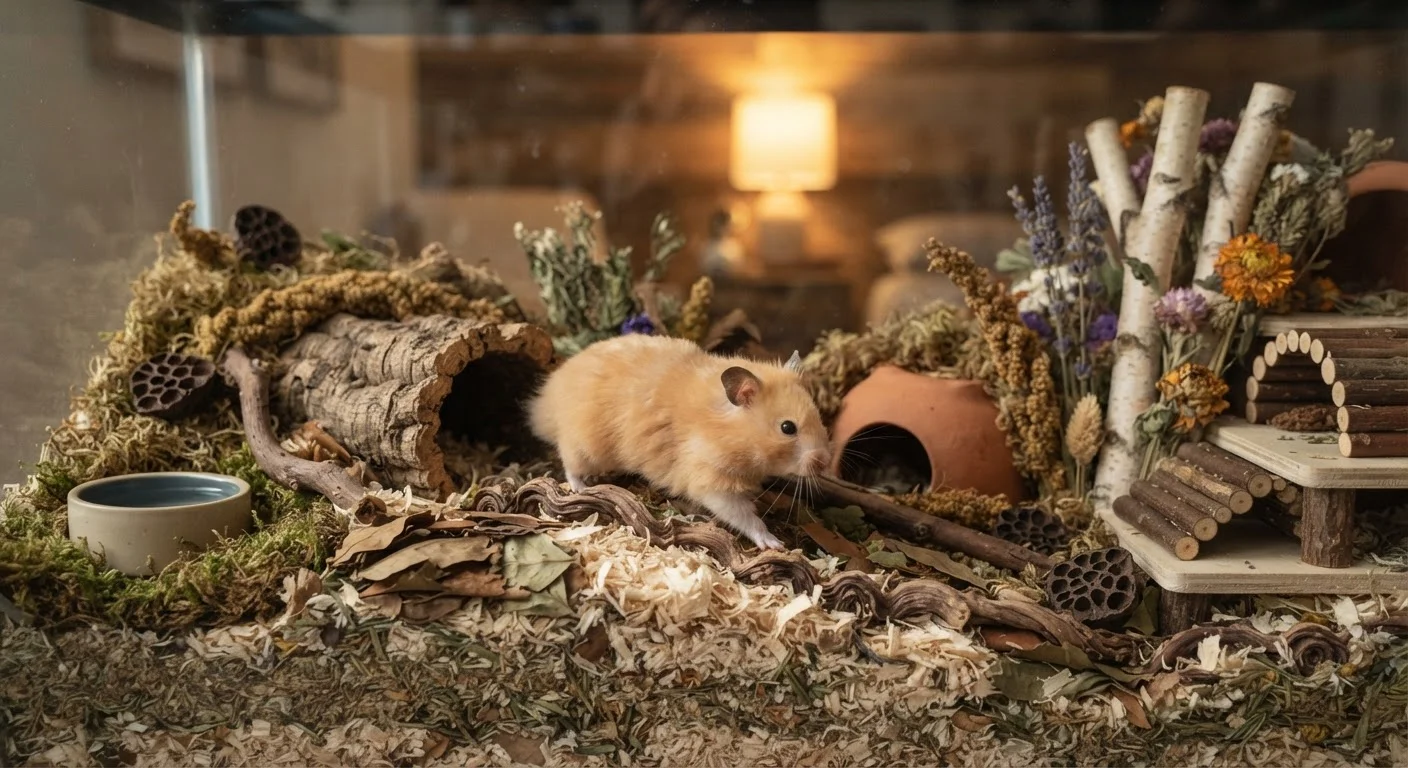
When rabbit-proofing your space for free-roaming time, secure loose electrical cords, block access under furniture where rabbits may get stuck, and remove toxic houseplants such as lilies, philodendron, and aloe vera. For a useful comparison of how enclosure needs differ across small species, see why hamsters need more space than most cages offer.
Place the enclosure in a quiet area away from direct sun and drafts. Rabbits are sensitive to heat and can suffer heatstroke at temperatures above 80°F. Keep their environment between 60°F and 75°F whenever possible.
What Rabbits Actually Need to Eat
Diet is one of the most misunderstood aspects of rabbit care. The single most important food a rabbit needs is unlimited timothy hay (or another grass hay such as orchard grass). Hay should make up roughly 80% of a rabbit's diet. It keeps the digestive system moving, prevents life-threatening GI stasis, and wears down continuously growing teeth.
GI Stasis
A potentially life-threatening condition in rabbits where the digestive system slows or stops. It is one of the leading causes of rabbit illness and death, and is largely preventable with a high-fiber, hay-rich diet.
Binky
A joyful behavior in which a rabbit leaps into the air and twists its body mid-jump. It is a reliable sign that a rabbit is feeling happy and comfortable in its environment.
Bonding
The process of introducing two rabbits so they form a stable, friendly pair. It typically involves supervised neutral-territory meetings and can take days to weeks.
Timothy Hay
A grass hay that forms the dietary foundation for adult pet rabbits. It provides the long-strand fiber necessary to keep a rabbit's digestive system functioning and teeth worn down properly.
Rabbit-Proofing
The practice of making a home environment safe for a free-roaming rabbit by securing cords, removing toxic plants, and blocking areas where the rabbit could get injured or stuck.
Fresh leafy greens — such as romaine lettuce, cilantro, parsley, and leafy kale — should be offered daily in modest amounts, roughly one packed cup per two pounds of body weight. Pellets, often over-relied upon, should be plain timothy-based and offered in small portions; roughly one quarter cup per five pounds of body weight per day is a common general guideline, though your vet can tailor this.
Treats including fruit should be rare — a small slice of apple or a single blueberry is plenty. High-sugar foods, starchy vegetables like corn, and anything processed have no place in a rabbit's regular diet. For a thorough comparison of small mammal nutritional needs, our small mammal nutrition guide covers dietary specifics across species.
Fresh water must always be available. A heavy ceramic bowl is often preferable to a bottle, as many rabbits drink more readily from an open bowl.
Social Needs and Mental Stimulation
Rabbits are not solitary animals by nature. In the wild, they live in complex social groups, and domestic rabbits carry those social instincts. A rabbit left alone for most of the day without interaction is at risk of boredom, depression, and destructive behavior. If your lifestyle does not allow for frequent daily engagement, a bonded rabbit pair is worth serious consideration.
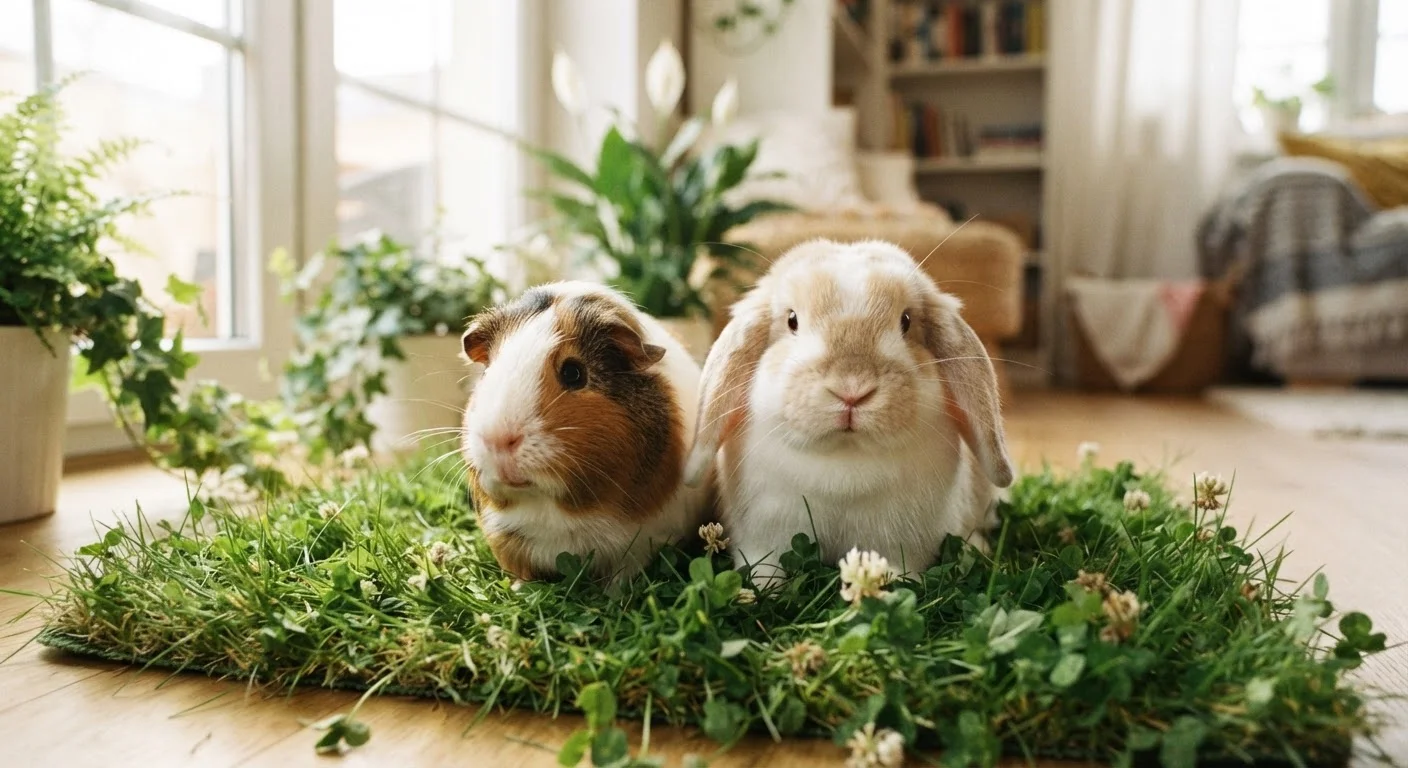
Bonding two rabbits requires patience — it typically involves a gradual neutral-territory introduction process — but the result is two animals that groom, rest beside, and comfort each other. If you are deciding between rabbit species options, our comparison of guinea pig vs. rabbit social and space needs can help clarify what fits your household.
Mental enrichment is equally important. Provide cardboard boxes to chew and rearrange, willow balls, tunnels, and foraging opportunities by hiding hay or herbs in paper bags. Rotate toys regularly to keep novelty high. Learning to read your rabbit's signals — a flopped-over posture signals contentment, thumping signals alarm — helps you respond appropriately. Our article on reading your small pet's body language explains these cues in detail.
Handling, Health, and Veterinary Care
Rabbits have fragile spines and powerful hind legs. An improperly supported rabbit that kicks forcefully can fracture its own back — a serious and sometimes fatal injury. Always support a rabbit's hindquarters fully when lifting, and keep handling sessions calm and low to the ground, especially while your rabbit is still adjusting to you.
Find a Rabbit-Savvy Vet First
Not every veterinarian has significant rabbit experience — rabbits are considered exotic small mammals and require specialist knowledge. Ask prospective vets directly how many rabbit patients they see and whether they perform rabbit spay and neuter procedures. Waiting until your rabbit is ill to find a qualified vet can cost critical time.
Find a rabbit-savvy veterinarian before you bring your rabbit home. Not all small-animal vets have deep experience with rabbits, and this species requires a specialist's eye. Schedule a wellness exam within the first week, and discuss spay or neuter timing — most vets recommend the procedure between four and six months of age for males and five to eight months for females, though individual cases may vary.
Watch your rabbit's litter box daily. Changes in droppings — smaller size, unusual shape, complete absence, or presence of mucus — can signal GI problems that need prompt veterinary attention. Rabbits cannot vomit, so digestive blockages are medical emergencies.
Grooming needs vary by breed. Short-haired rabbits need brushing a few times a week; long-haired breeds such as Angoras require daily combing to prevent dangerous wool blockages. Nails should be trimmed every six to eight weeks. If you're weighing how rabbit ownership compares to other pets in terms of daily commitment, our guide to caring for a small pet with children in the house addresses family-specific considerations.
This article is for general informational purposes only and is not a substitute for professional veterinary advice. Always consult a qualified veterinarian for guidance specific to your rabbit's health and care needs.