Understanding the Core Difference
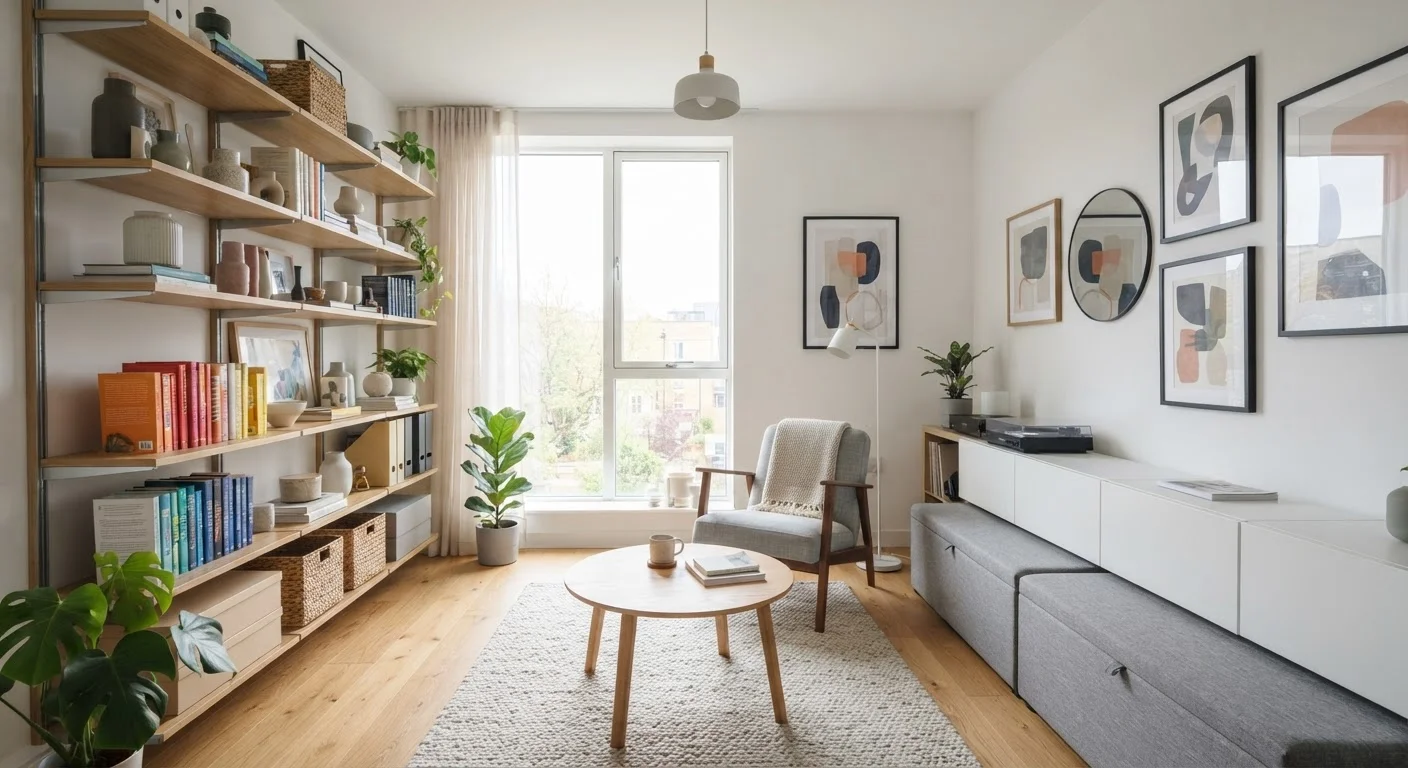
At its simplest, vertical storage uses the height of a room — walls, doors, and ceiling-adjacent space — to hold items. Think floor-to-ceiling bookshelves, wall-mounted pegboards, over-door organizers, and stacked cabinet units. Horizontal storage spreads capacity along a room's footprint — under-bed drawers, low credenzas, wide benches, and side-by-side cabinet runs.
Neither approach is universally superior. The right choice depends on your room's physical constraints — primarily ceiling height, wall availability, and how the space gets used day to day. A studio apartment with 10-foot ceilings has different storage potential than a finished basement with 7-foot ceilings, even if the square footage is identical.
Understanding this distinction is the first step toward making deliberate choices rather than simply buying whatever fits. For a deeper look at how layout decisions interact with space constraints, see our renovation strategies for compact rooms.
| Criterion | Vertical Storage | Horizontal Storage |
|---|---|---|
| Primary space used | Wall height and vertical surfaces | Floor footprint and surface area |
| Best ceiling height | 9 feet or higher | 8 feet or lower |
| Accessibility | May need step stool for upper zones | Items within easy reach |
| Visual effect | Draws eye upward, feels taller | Grounds the room, feels more open |
| Installation complexity | May require wall anchoring into studs | Typically freestanding; no installation |
| Best room types | Kitchens, offices, garages | Living rooms, bedrooms, entryways |
| Floor space impact | Minimal — keeps floors clear | Moderate — consumes some floor area |
Room-by-Room Guidance
Kitchen: Vertical storage tends to win here. Wall-mounted magnetic strips, open shelves above the counter, and tall pantry cabinets keep countertops clear. If your kitchen has limited wall space, a horizontal rolling cart provides flexible, accessible storage without permanent installation.
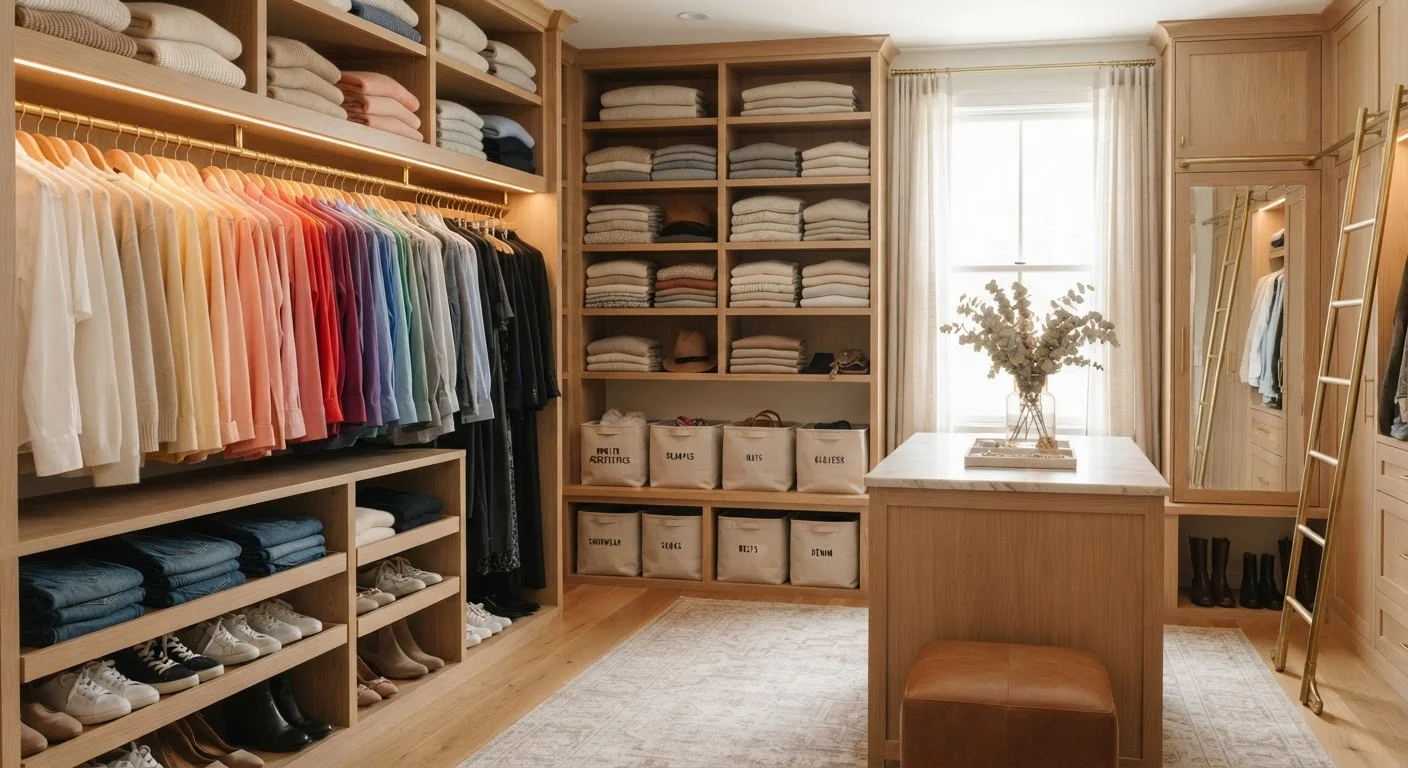
Bedroom: Both strategies work well together. Use vertical storage — over-door hooks, tall dressers, or high shelves for seasonal items — while relying on horizontal under-bed storage for bulkier items like extra linens. Closet organization methods that hold up over time can extend the same logic inside your wardrobe.
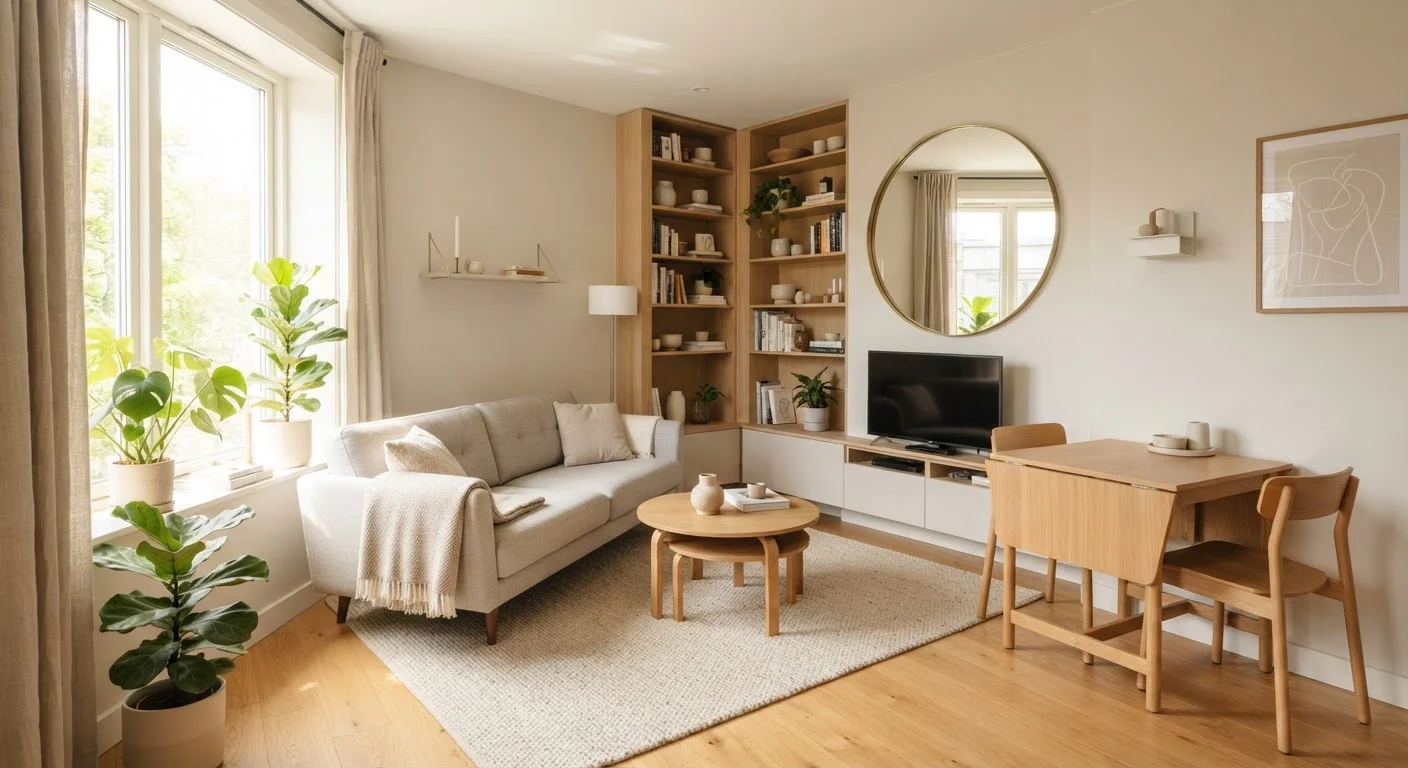
Living Room: Horizontal storage tends to be more appropriate, since tall shelving can make a living room feel cluttered and imposing. Ottomans with interior compartments, media consoles, and low bookshelves maintain function without sacrificing comfort.
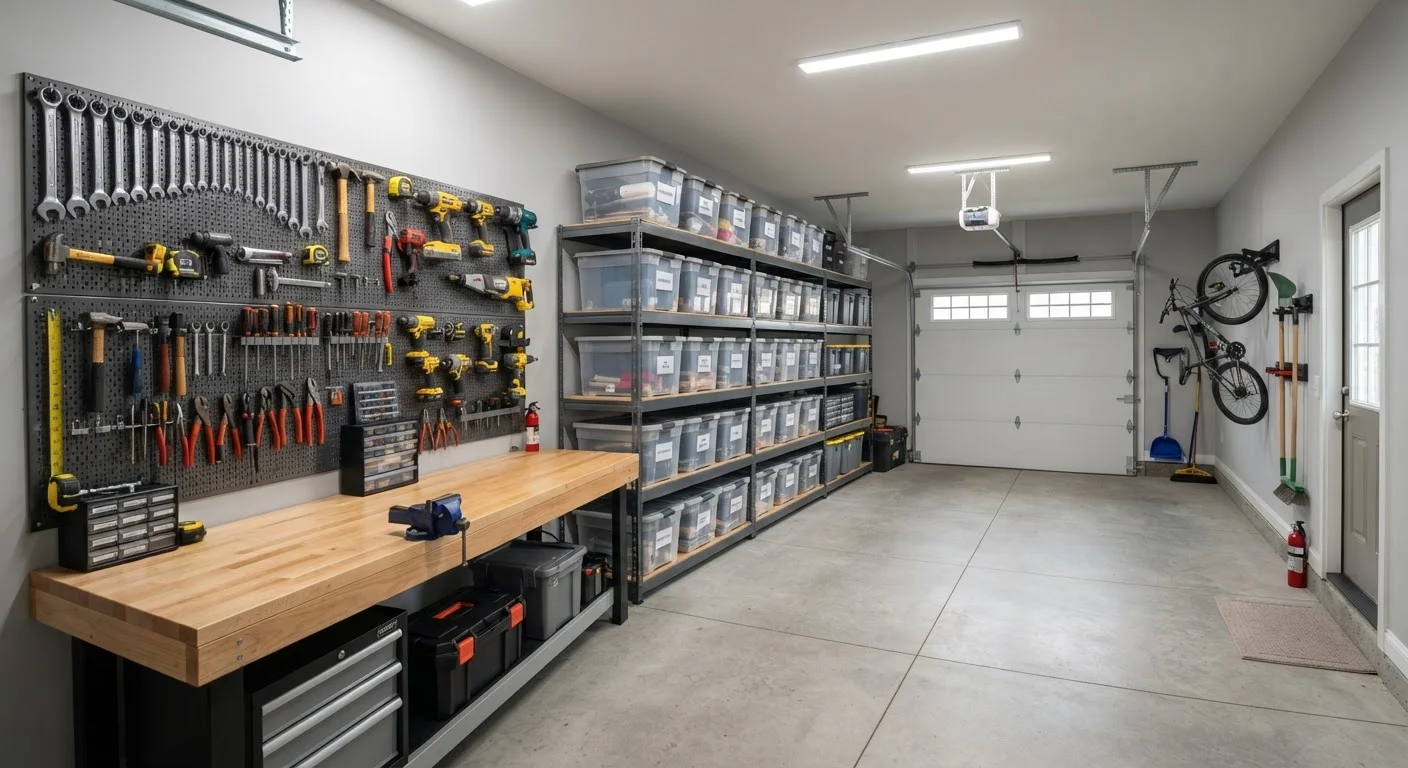
Garage and Utility Spaces: Vertical storage is strongly preferred. Wall-mounted tracks, overhead ceiling storage, and pegboard systems free the floor for vehicles and larger equipment. Our garage organization guide walks through a full zone-based approach.
~340 sq ft
Average US studio apartment size
According to U.S. Census Bureau data, studio apartments in urban areas average around 340 square feet, making vertical storage strategies especially relevant.
Up to 50%
Usable wall space often left unused
Interior design professionals commonly observe that homeowners in small spaces use less than half of available vertical wall area for storage purposes.
8–9 ft
Standard US residential ceiling height
Most American homes built after the 1990s feature ceiling heights of 8 to 9 feet, which meaningfully affects the viability of tall vertical storage units.
Key Trade-Offs to Weigh Before You Decide
Vertical storage has meaningful advantages but carries practical limits. Items stored above shoulder height require stools or ladders to retrieve — a real friction point for frequently accessed goods. Heavy wall-mounted units also require secure anchoring into studs or masonry; improper installation creates safety risks. If you're considering a significant wall-mounted system, consult a professional, particularly in rental units where drilling restrictions may apply.
Horizontal storage keeps items accessible and keeps a room's visual weight low. The trade-off is footprint — wide, low units consume floor space that a small room may not have to spare. Sliding under-bed storage is an exception, since it uses space that would otherwise be empty.
How you organize within your storage system also matters independently of its orientation. Comparing zone-based and category-based organization systems can help you decide how to sort items once you've chosen where to store them.
Rental Units: Check Before You Mount
Many rental agreements restrict permanent wall modifications such as drilling or anchoring. Before installing any wall-mounted storage system, review your lease and, if needed, speak with your landlord. Freestanding vertical shelving units — those that lean against the wall or use tension rods — are often a compliant alternative that still captures height. Always confirm what's permitted in writing to avoid security deposit disputes.
Building a Practical Hybrid Strategy
For most small spaces, the most effective approach is a deliberate mix: vertical storage for items used infrequently or for bulk, horizontal storage for everyday essentials within comfortable reach. Start by mapping your walls — note which surfaces are unobstructed, how high the ceiling is, and where natural traffic flows. Then assign storage type by frequency of use: daily items stay low and accessible, seasonal or rarely-used items go high or into deeper horizontal drawers.
A simple audit before purchasing anything prevents the common mistake of buying solutions that don't fit the actual room. Measure ceiling height, note window and door placements, and identify which walls bear weight before mounting anything heavy. For questions about structural walls, our overview of load-bearing vs. partition walls is a helpful starting point.
Keep in mind that no storage strategy eliminates the need to periodically reduce what you own. A well-organized small space still benefits from regular editing — removing items that no longer earn their place is the most durable organization habit of all.