
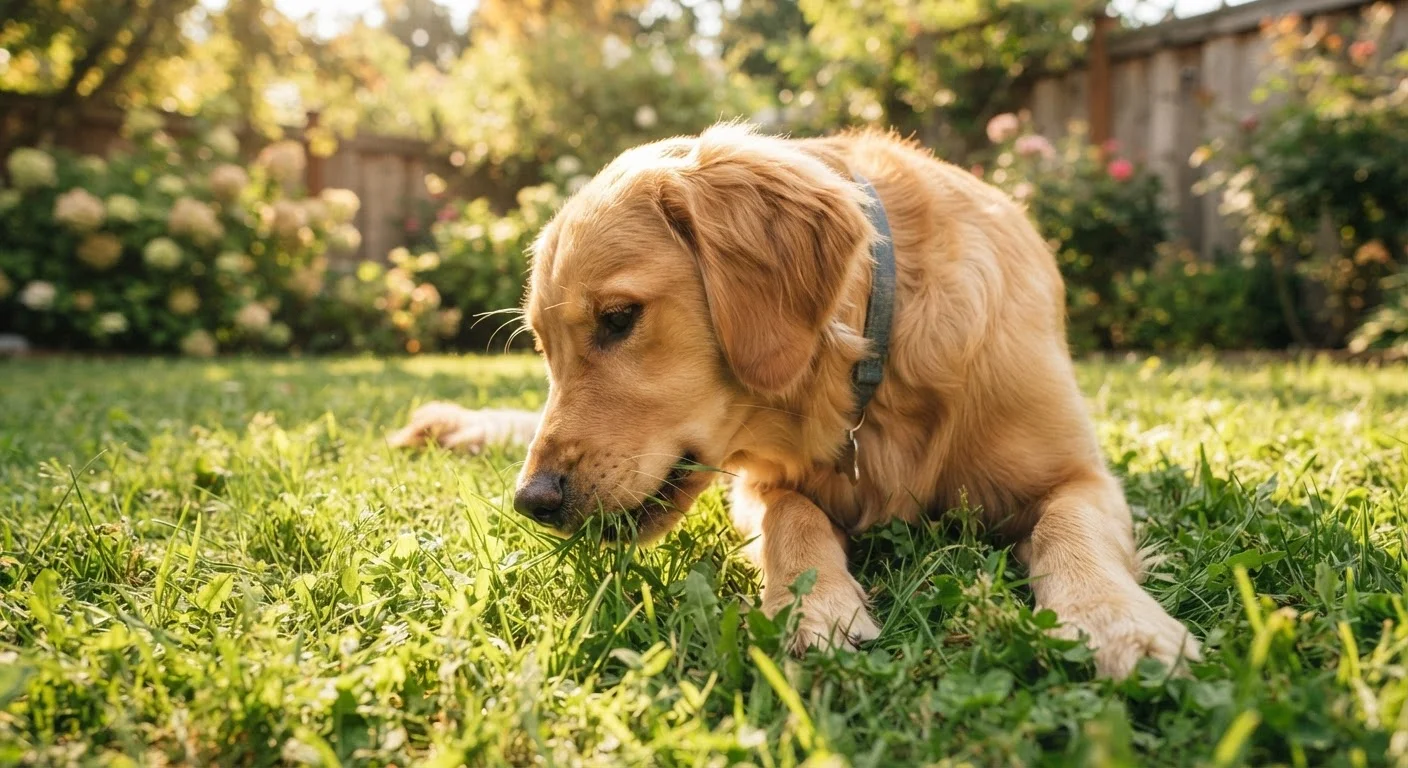
Why Dogs Eat Grass: The Leading Explanations
Walk through almost any neighborhood and you'll spot a dog pausing mid-stroll to chew on a patch of lawn. It's one of the most frequently asked-about behaviors among dog owners — and one of the most misread. Grass-eating is rarely a crisis, but understanding what drives it helps you respond appropriately.
Researchers and veterinarians have proposed several explanations, and the honest answer is that no single cause covers every dog:
- Instinctive behavior: Wild canids consume plant material as part of their natural diet, often through the stomach contents of prey. Domestic dogs may retain some version of this ancestral tendency.
- Fiber and digestive regulation: Grass adds roughage. Some dogs may seek it out when their diet is lower in fiber than their gut needs, helping move digestion along.
- Mild nausea or stomach discomfort: Some dogs appear to eat grass purposefully before or after vomiting, leading many owners to assume they're self-medicating. Research suggests this is less common than widely believed, but it does occur in some individuals.
- Boredom or sensory stimulation: For under-stimulated dogs, chewing on grass may simply be something to do — a texture and taste worth exploring.
- It tastes good: Fresh spring grass, in particular, can appeal to dogs on a purely sensory level. Not everything dogs do has a deeper explanation.
Common nutrition myths vets frequently correct are worth reviewing if you're wondering whether a dietary gap is behind the behavior — the connection is often less clear-cut than owners expect.
Check Before You Let Them Graze
Before allowing your dog to eat grass anywhere other than your own yard, consider whether the area may have been treated with pesticides, herbicides, or fertilizers. Public parks and neighbors' lawns frequently receive chemical treatments that aren't visible. When in doubt, redirect your dog's attention and move on.
When Grass-Eating Becomes a Concern
The vast majority of grass-eating episodes are benign. But there are specific patterns that shift it from a curiosity into a reason to call your veterinarian.
Watch for these red flags:
- Sudden onset of frantic or compulsive grass-eating, especially if new behavior for your dog
- Repeated vomiting — more than once or twice — following grass ingestion
- Blood in vomit or stool
- Lethargy, loss of appetite, or visible abdominal discomfort alongside the grass-eating
- Your dog has eaten grass that may have been treated with pesticides, herbicides, or lawn fertilizers
That last point deserves emphasis. Untreated grass carries minimal risk; chemically treated lawns are another matter. If you're unsure whether a lawn has been treated, assume caution and prevent access.
Older dogs who develop this behavior later in life may warrant closer attention. Senior dogs have shifting health needs that can include new GI sensitivities, making it worth flagging to a vet rather than assuming it's routine. Similarly, behavioral changes that might be pain-related — including unusual oral fixations — are covered in our guide on signs dogs may be in pain that owners often miss.
Grass vs. Grass-Like Plants: Know the Difference
Not everything that looks like grass is grass. Some ornamental grasses, sedges, and grass-like plants can cause GI irritation or contain compounds that are harmful to dogs. If your dog has access to landscaped areas with decorative plantings, verify which species are present and check with your vet about any that may pose a risk.
What You Can Do at Home — and When to Let a Vet Weigh In
If your dog's grass-eating appears routine and symptom-free, a few practical steps can minimize risk without eliminating the behavior entirely:
- Confirm your lawn is chemical-free before allowing grazing. If you use any lawn treatments, keep your dog off the grass per the product's safety window — and verify with your vet if uncertain.
- Review your dog's diet with your veterinarian. If fiber content is low, a dietary adjustment may reduce the behavior. Avoid making significant diet changes without professional guidance.
- Increase enrichment. If boredom is a likely driver, additional exercise, puzzle feeders, or appropriate chews may redirect the impulse.
- Keep a simple log. Note how often the behavior occurs, whether vomiting follows, and what the grass-eating looks like — calm nibbling vs. frantic eating. This information helps your vet assess the pattern efficiently.
Your dog's annual wellness visit is an ideal time to bring up recurring behavioral questions like this one. Vets can assess GI health, review diet, and help you distinguish between a harmless habit and an emerging concern — without requiring a separate urgent appointment.
This article is for general informational purposes only and does not constitute veterinary medical advice. Always consult a licensed veterinarian for questions about your dog's individual health and behavior.