Why the Indoor-Outdoor Question Matters
Where your cat spends their time has a direct impact on their health, behavior, and life expectancy. Veterinary and animal welfare organizations generally agree that indoor cats live longer on average — estimates often cite indoor lifespans of 12–18 years compared to 2–5 years for free-roaming outdoor cats, though individual variation is wide. Those numbers alone make this a question worth taking seriously.
The decision isn't purely about safety, however. Cats are predatory animals with strong instincts for exploration, hunting, and territory. An indoor environment that ignores those needs can produce stress, boredom-related behavior problems, and reduced wellbeing. The challenge is balancing protection with genuine quality of life.
For owners navigating this, it helps to understand what each lifestyle actually involves — including the often-overlooked middle-ground options.
The Case for Keeping Cats Indoors
Significantly longer average lifespan
Indoor cats are shielded from traffic, predators, and infectious diseases that dramatically shorten the lives of free-roaming cats. Veterinary data consistently shows indoor cats live well beyond the average outdoor cat.
Lower exposure to parasites and infectious disease
Diseases like FeLV (feline leukemia virus) and FIV (feline immunodeficiency virus) spread through contact with infected cats — a risk largely eliminated in single-household indoor environments.
No impact on local wildlife populations
Free-roaming domestic cats are documented predators of birds and small mammals. Keeping cats indoors removes that ecological pressure entirely.
Easier to monitor health and behavior changes
Indoor living makes it far easier to notice early signs of illness — changes in litter box habits, appetite, or activity level are much more visible when a cat is always home.
The strongest argument for indoor living is risk reduction. Outdoor cats face threats that are difficult to manage: vehicles, predators (including dogs, coyotes, and birds of prey), infectious diseases spread through contact with other cats, parasites, and accidental poisoning from lawn chemicals or rodenticides. These aren't rare edge cases — they're the primary reasons outdoor cats have significantly shorter average lifespans.
Indoor cats also pose no threat to local wildlife. Domestic cats are highly effective hunters, and free-roaming populations have a measurable impact on bird and small mammal populations — a consideration for owners who care about ecological responsibility.
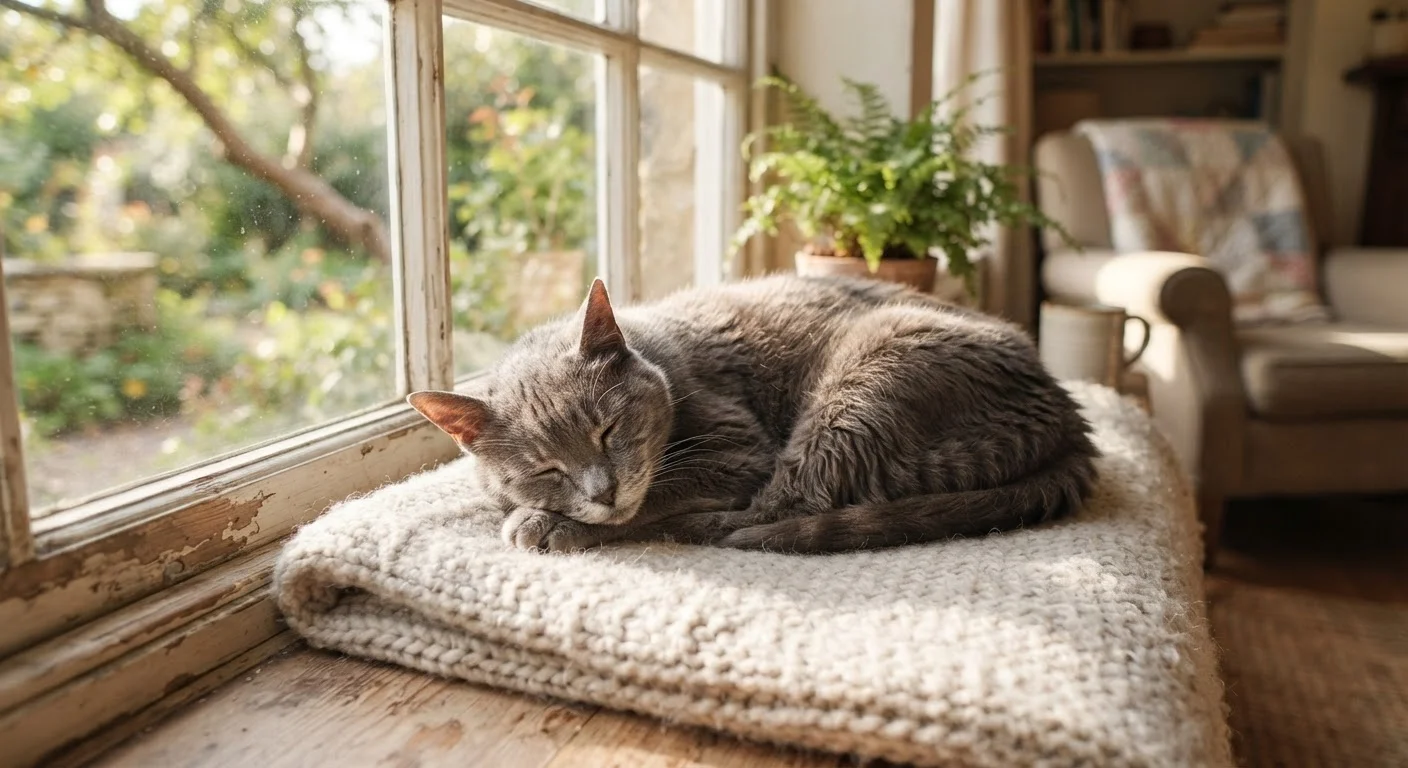
That said, indoor life only works well when owners actively meet their cat's behavioral needs. Vertical space, scratching surfaces, puzzle feeders, interactive play, and window perches aren't luxuries — they're how you replicate the cognitive stimulation an outdoor environment would otherwise provide. Nutrition also plays a role in keeping indoor cats healthy, since reduced activity can increase obesity risk without careful feeding management.
The Case for Outdoor Access
Higher risk of boredom and stress-related behavior
Without adequate enrichment, indoor cats can develop problems including overgrooming, inappropriate elimination, and redirected aggression. These issues reflect unmet behavioral needs, not personality flaws.
Increased obesity risk without managed activity
Indoor cats typically move less than outdoor cats, which combined with ad-libitum feeding can lead to weight gain and associated health complications like diabetes and joint stress.
Limits natural predatory and exploratory drives
Hunting, patrolling territory, and reacting to complex environments are core feline behaviors. Indoor-only environments require deliberate effort from owners to substitute meaningfully for these drives.
Difficult transition for established outdoor cats
Cats accustomed to outdoor roaming can experience genuine stress when restricted indoors, sometimes manifesting as chronic anxiety or persistent attempts to escape.
For cats that have always had outdoor access — especially those adopted as adults with established roaming habits — a sudden shift to full indoor living can cause significant stress. In those cases, the welfare calculus changes, and a managed outdoor lifestyle may genuinely serve the cat better than forced confinement.
Outdoor environments provide a level of sensory richness that's hard to replicate inside: shifting scents, natural light cycles, complex terrain, and real prey stimulation. For high-energy or particularly independent cats, outdoor access can reduce stress-related behaviors like overgrooming or aggression.
The key word is managed. Unrestricted free-roaming carries the highest risk profile. Owners considering outdoor access should weigh their local environment carefully — a quiet rural property differs enormously from a suburban street or urban area.
The Middle Ground: Supervised and Contained Outdoor Options
The indoor-outdoor binary often overlooks practical options that offer meaningful outdoor exposure without free-roaming risk. These include:
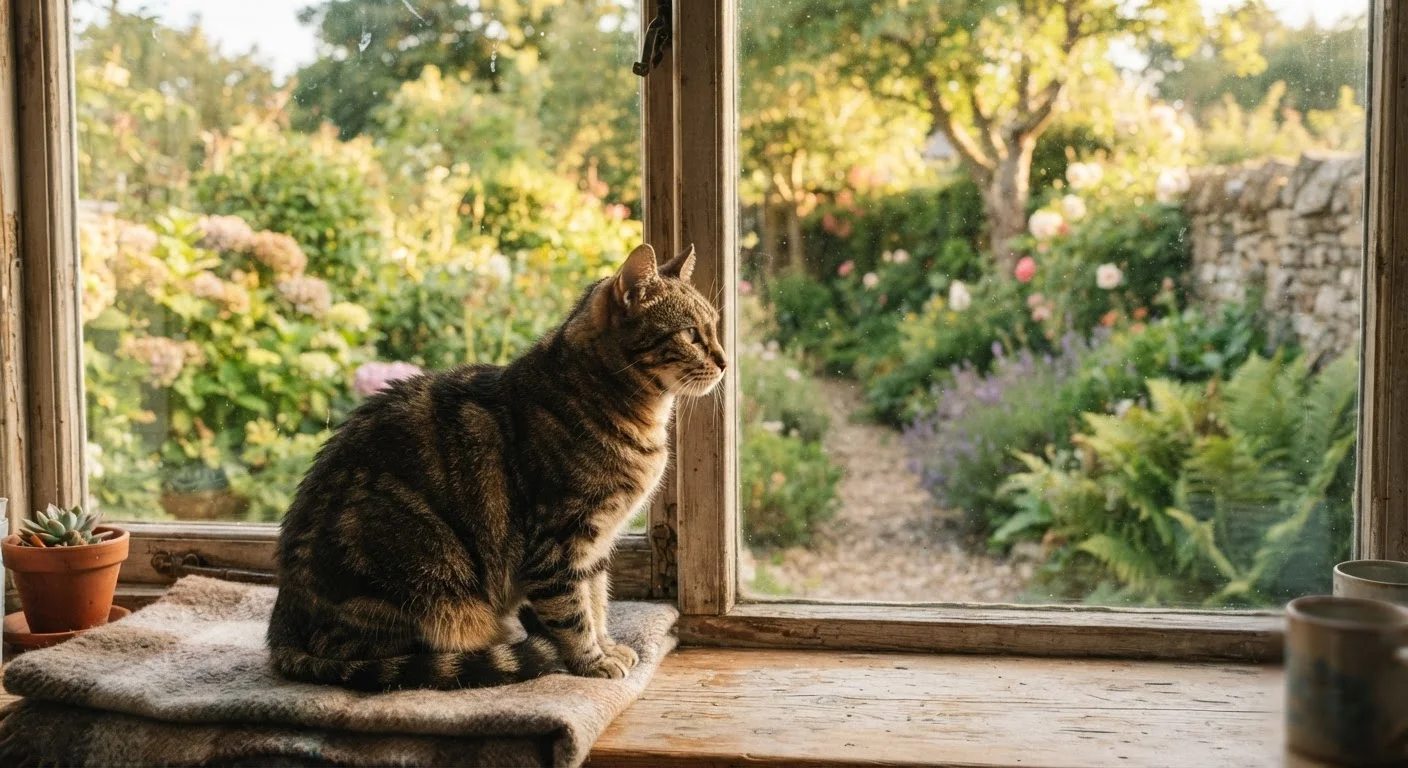
- Catios: Enclosed outdoor structures attached to a window or door that give cats fresh air, natural light, and outdoor sights and sounds while remaining fully contained.
- Leash and harness walks: With patience and positive reinforcement, many cats can be trained to walk on a harness — though this suits relaxed, curious temperaments better than anxious ones.
- Supervised yard time: Direct owner supervision during short outdoor sessions allows fresh air while limiting unsupervised risk.
These approaches are particularly worth considering for cats that are spayed or neutered (which reduces roaming drive and some disease transmission risk — see what owners should know before the procedure) and for cats transitioning between lifestyles.
Transitioning an Outdoor Cat Indoors
Shifting an established outdoor cat to full indoor living requires patience and a gradual approach. Introducing enrichment before restricting access — not after — helps reduce the stress of the change. Provide ample vertical space, consistent play sessions, and window access to outdoor views and scents. Expect an adjustment period of several weeks, and consult your veterinarian if anxiety behaviors persist.
Factors That Should Shape Your Decision
No single lifestyle suits every cat. Consider these factors when deciding:
- Age and health status
- Senior cats or those with chronic conditions often do better indoors, where temperature, diet, and safety are more controllable. Older cats have distinct environmental needs that indoor living is better positioned to meet.
- Temperament
- Timid or anxious cats may find outdoor environments overwhelming; confident, exploratory cats may chafe under full indoor restriction.
- Prior experience
- A cat raised entirely indoors rarely misses what they've never known. A cat with years of outdoor access may struggle with sudden confinement.
- Your local environment
- Traffic density, predator presence, neighborhood cat populations, and disease prevalence in your region all affect risk levels meaningfully.
If you share your home with multiple cats, the lifestyle decision interacts with social dynamics too — see how to manage multi-cat environments for guidance on reducing conflict in shared indoor spaces.
This article provides general information about cat care and is not a substitute for advice from a licensed veterinarian familiar with your cat's individual health history.