
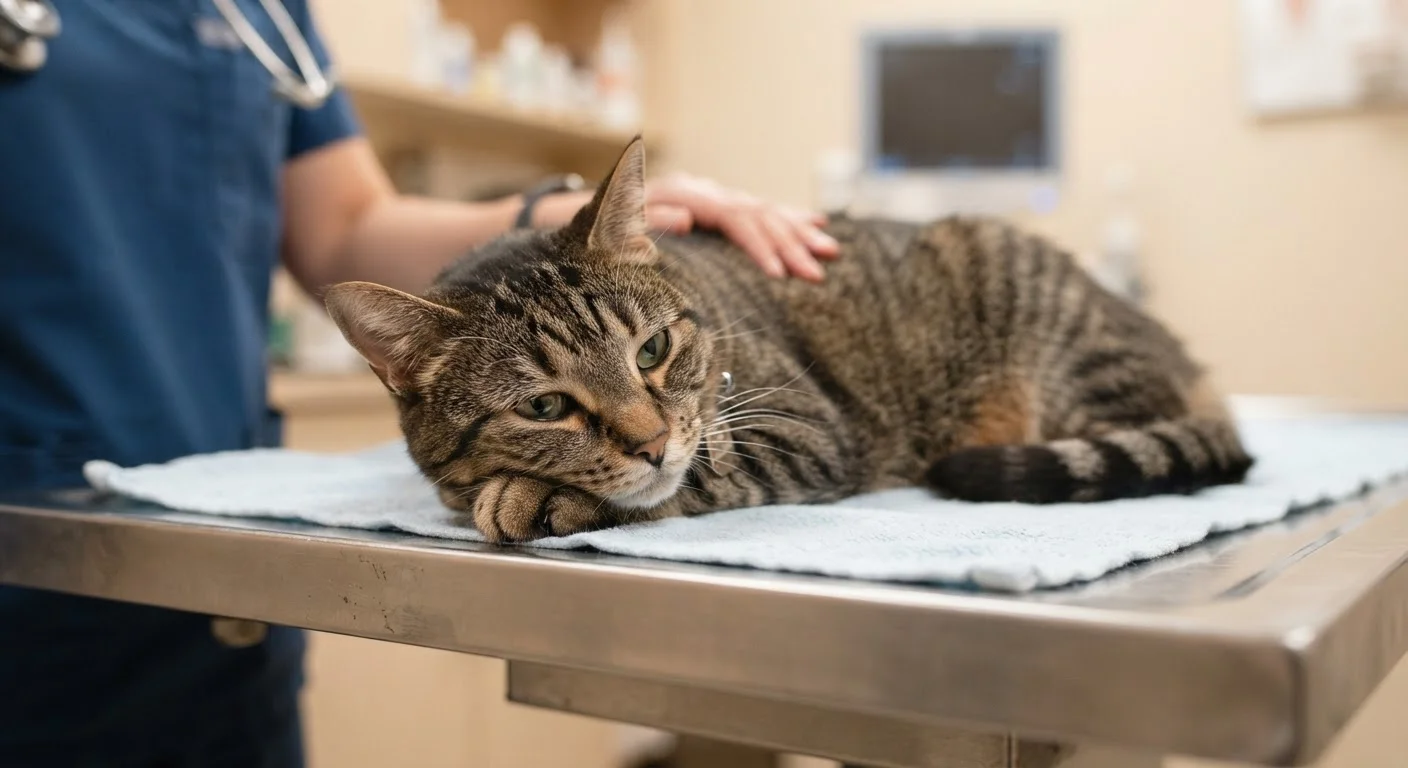
What Each Procedure Actually Involves
The terms spaying and neutering are often used interchangeably with "fixing" a cat, but they refer to distinct surgeries performed on cats of different sexes.
Spaying (ovariohysterectomy) is performed on female cats and involves the surgical removal of the ovaries and uterus while the cat is under general anesthesia. Some veterinarians perform an ovariectomy — removing only the ovaries — which is considered equally effective in many cases. The incision is made in the abdomen, making it a more involved surgery with a slightly longer recovery.
Neutering (orchiectomy) is performed on male cats and involves removing both testicles through small incisions in the scrotal area. It is generally a quicker procedure and considered less invasive than spaying. Most male cats resume normal activity within a few days.
Both surgeries are among the most commonly performed veterinary procedures in the United States and carry a low complication rate when performed by a licensed veterinarian. If you're bringing home a new cat, discussing these procedures with your vet early is an important step in establishing a care plan.
Health and Behavioral Implications
Beyond population control, both procedures carry documented health and behavioral benefits — though it's important to understand these as general patterns, not guarantees for every individual cat.
For Spayed Females
- Eliminates the risk of uterine infections (pyometra), which can be life-threatening
- Significantly reduces the risk of mammary (breast) tumors, particularly when performed before the first heat cycle
- Prevents the stress and discomfort associated with recurring heat cycles
- Eliminates the possibility of unwanted pregnancy
For Neutered Males
- Removes the risk of testicular cancer
- Reduces the likelihood of urine spraying used to mark territory
- Decreases roaming behavior driven by the instinct to find a mate — relevant whether your cat is indoors, outdoors, or both
- May reduce inter-cat aggression and fighting-related injuries
| Spaying (Female) | Neutering (Male) | |
|---|---|---|
| Procedure type | Abdominal surgery; ovaries/uterus removed | Scrotal incision; testes removed |
| Anesthesia required | Yes, general anesthesia | Yes, general anesthesia |
| Typical recovery time | 10–14 days restricted activity | 3–5 days restricted activity |
| Key health benefit | Reduces mammary tumors; prevents pyometra | Eliminates testicular cancer risk |
| Behavioral effects | Ends heat cycles and associated vocalizing | Reduces spraying, roaming, and aggression |
| Recommended age (general) | Around 4–6 months (vet-dependent) | Around 4–6 months (vet-dependent) |
It's worth noting that neither procedure guarantees behavior change — environmental factors, early socialization, and individual temperament all play a role. Some behaviors that develop before the surgery may persist.
Watch for Post-Surgery Warning Signs
After either procedure, contact your veterinarian promptly if you notice excessive redness, swelling, discharge, or opening at the incision site, or if your cat seems lethargic, refuses food for more than 24 hours, or shows signs of pain. These can indicate infection or complications that require professional attention. Do not wait to see if symptoms resolve on their own.
Timing, Recovery, and What to Expect
Most veterinary organizations in the U.S. suggest having cats spayed or neutered around four to six months of age, though practices vary. Some shelters perform these procedures as early as eight weeks old (pediatric altering), while some veterinarians recommend waiting until sexual maturity is more established — particularly for certain larger breeds. Your vet is the best resource for timing guidance specific to your cat.
Ask Your Vet About Timing Early
Scheduling a wellness visit before your cat reaches four months gives your veterinarian time to assess overall health and flag any conditions that could affect surgical timing or anesthesia safety. Bring a list of questions, including what pre-surgical bloodwork, if any, is recommended. Early planning makes for a smoother experience for both you and your cat.
Recovery Overview
Neutered males typically recover within three to five days. Activity restrictions are minimal, though the incision site should be monitored for swelling or discharge.
Spayed females generally require ten to fourteen days of restricted activity. Owners should prevent jumping and rough play, check the incision daily, and use an e-collar (the "cone") if the cat tends to lick the wound.
Post-operative care for both includes keeping the cat indoors, providing a quiet recovery space, and following the veterinarian's instructions on pain management and activity limits. Attend any scheduled follow-up appointments.
Weight gain is a common concern after altering, since both procedures reduce hormone levels that influence metabolism. Adjusting food portions and monitoring your cat's body condition are practical steps — see our guide on choosing the right food for your cat for nutritional context.
This article is for general informational purposes only and does not constitute veterinary or medical advice. Always consult a licensed veterinarian for guidance specific to your cat's health and circumstances.