Nutritional Profiles: What's Actually Inside Each Format
At their core, both dry and wet cat foods are designed to meet the AAFCO nutritional standards for feline life stages — but they achieve this through very different ingredient compositions.
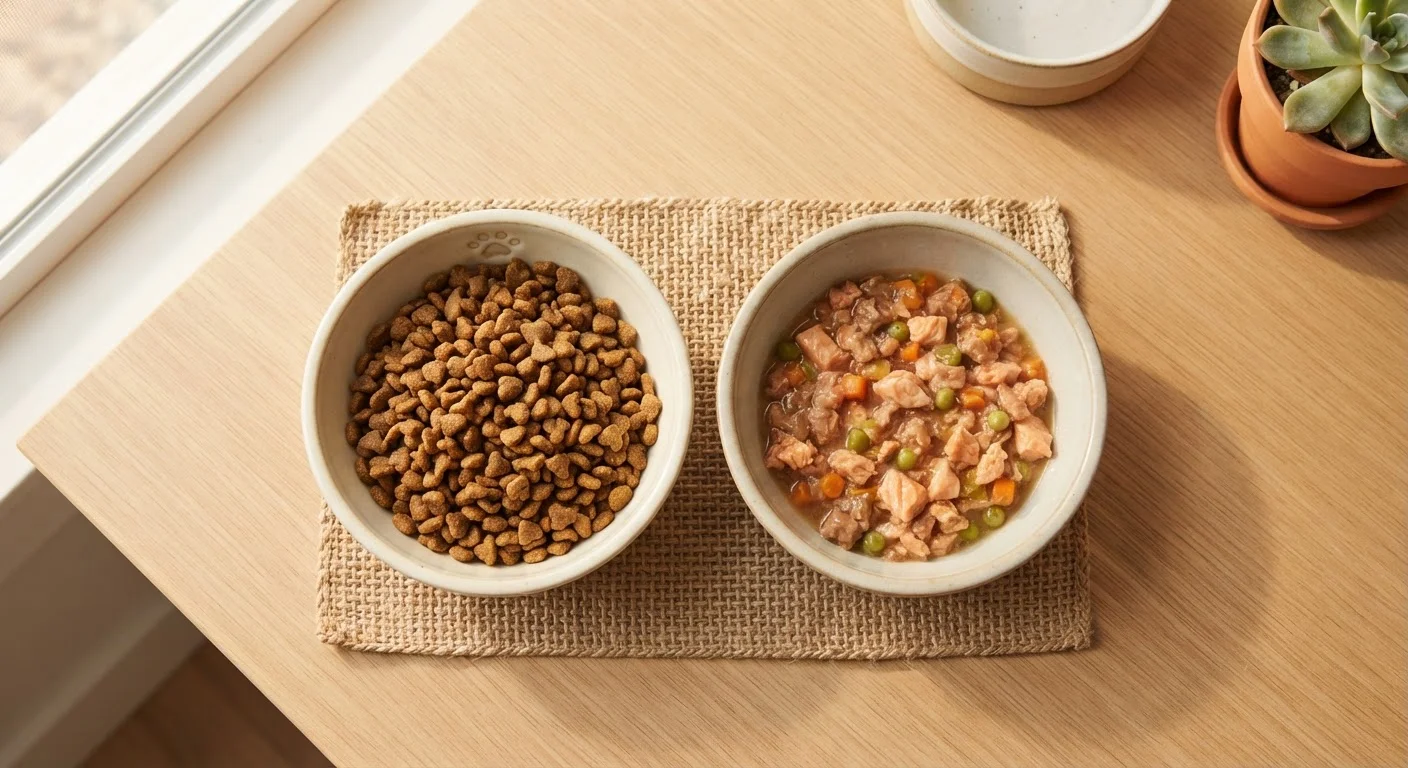
Dry kibble is typically manufactured by extruding a mixture of proteins, grains or grain-free starches, fats, and added vitamins under high heat. The resulting product is calorie-dense, with moisture content usually between 6–10%. Because carbohydrates are needed to bind kibble during extrusion, dry food often contains higher carbohydrate levels than wet food — something worth noting since cats are obligate carnivores with limited ability to metabolize carbohydrates efficiently.
Wet canned food, by contrast, contains 70–80% moisture and is generally higher in animal protein relative to its carbohydrate content. The canning process preserves nutrients without requiring the same binders used in kibble. For cats — who evolved from desert-dwelling ancestors with a naturally low thirst drive — this moisture delivery can be physiologically significant.
| Criterion | Dry Food (Kibble) | Wet Food (Canned) |
|---|---|---|
| Moisture content | 6–10% | 70–80% |
| Protein-to-carb ratio | Moderate protein, higher carbs | Higher protein, lower carbs |
| Caloric density | High (per gram) | Lower (per gram) |
| Urinary health support | Limited (low moisture) | Stronger (high moisture) |
| Shelf life (opened) | Weeks, if sealed | Hours at room temp |
| Cost per calorie | Generally lower | Generally higher |
| Dental benefit | Minimal (standard kibble) | Minimal (similar outcome) |
For first-time cat owners navigating these choices early, our guide to bringing your first cat home covers how to establish a feeding routine that sets your cat up well from the start.
Hydration, Urinary Health, and Why Water Intake Matters
Cats have a relatively weak thirst response compared to dogs and many other mammals. In the wild, they obtain most of their fluid intake through prey. This biological quirk means a cat eating only dry food may consistently consume less water than their body needs — a gap that can, over time, contribute to urinary tract problems and chronic kidney disease.
Wet food helps bridge this gap passively. A cat eating canned food may take in twice the daily fluid of a cat eating only kibble, even if both have constant access to a water bowl. This makes wet food a commonly recommended option for cats with a history of urinary crystals, feline idiopathic cystitis (FIC), or early-stage kidney disease.
70–80%
Moisture content in typical wet cat food
Compared to just 6–10% in dry kibble, canned food delivers substantially more hydration per meal according to AAFCO compositional data.
~2×
Daily fluid intake advantage for wet-fed cats
Studies in veterinary nutrition literature suggest cats eating wet food consume roughly twice the daily fluid of cats eating only dry food, even with water available.
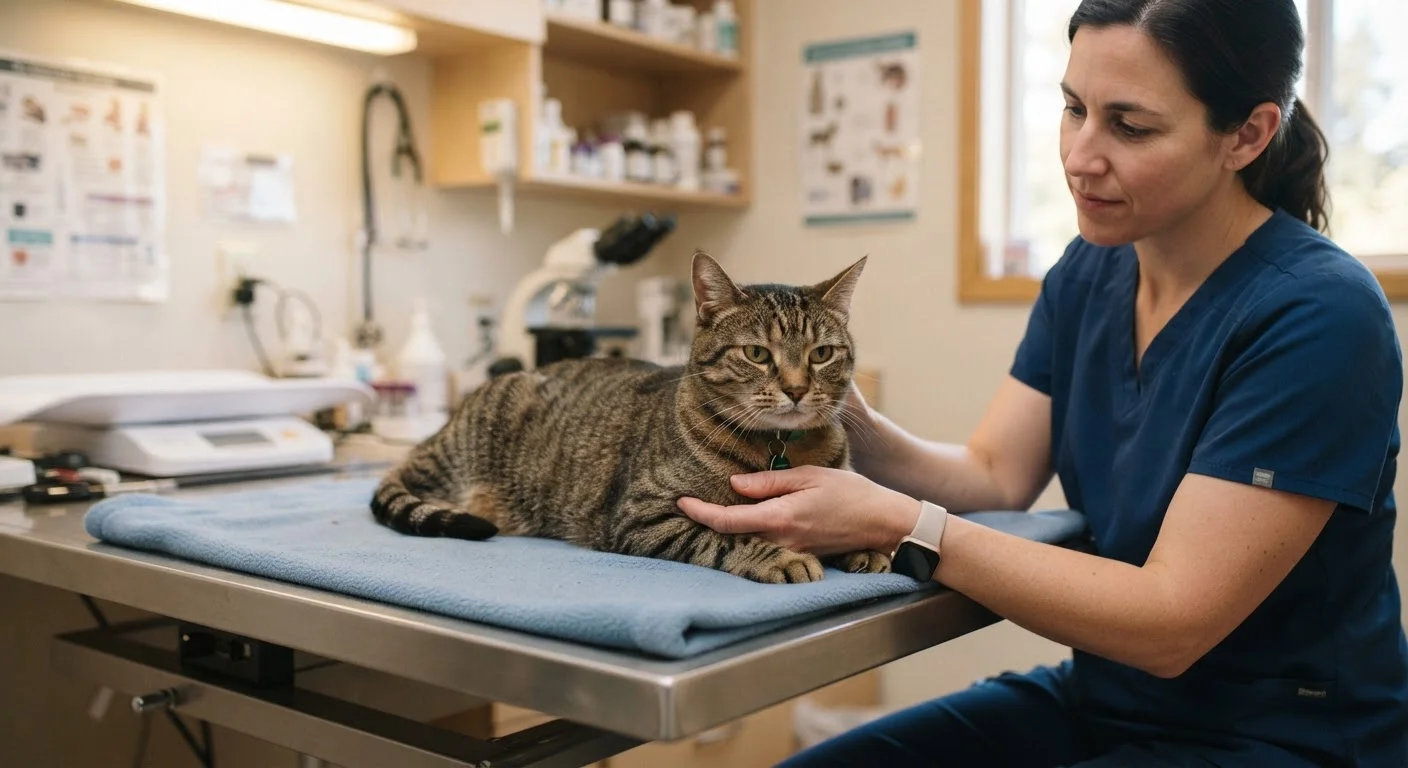
That said, dry food does not inevitably cause urinary issues — many cats eating kibble live long, healthy lives when they drink well. Factors like genetics, stress, and diet composition all play roles. Owners concerned about urinary health should discuss their cat's specific risk profile with a veterinarian rather than assuming one format is inherently harmful or safe.
Senior cats deserve special mention here. As detailed in our guide to caring for a senior cat, cats over 10 often experience declining kidney function and reduced thirst sensitivity, making moisture-rich food a particularly relevant consideration for aging felines.
Dental Health: Separating Fact from Common Misconception
A widespread belief holds that dry kibble cleans cats' teeth through mechanical abrasion, while wet food promotes tartar buildup. The reality is more nuanced — and worth examining critically.
Most kibble pieces are small enough that cats crack them with minimal chewing, providing little consistent dental cleaning action. Some veterinary-formulated dental diets do use larger, fibrous kibble structures designed to reduce plaque, but standard dry food offers only modest dental benefit at best. The veterinarian-corrected myths about cat health article addresses this and similar misconceptions in more depth.
Wet food does not inherently cause worse dental outcomes than kibble in controlled comparisons. The most effective tool for feline dental health remains regular tooth brushing with cat-safe toothpaste and periodic professional cleanings by a veterinarian — regardless of which food format a cat eats.
On Dental Health: Don't Skip Brushing
Neither dry nor wet food provides reliable dental protection on its own. Veterinary dental associations, including the American Veterinary Dental College, recommend tooth brushing as the gold standard for home dental care in cats. Ask your veterinarian to demonstrate proper technique and recommend cat-safe toothpaste — never use human toothpaste, which can be toxic to cats.
Practical Considerations: Cost, Convenience, and Combining Both
On a per-calorie basis, wet food typically costs more than dry food — sometimes considerably so. Canned food also spoils quickly once opened (usually within a few hours at room temperature) and requires refrigeration of leftovers, adding a layer of daily management. Dry kibble, once opened, stays stable for weeks if stored in a sealed container away from moisture and heat.
Many veterinarians and feline nutrition experts suggest a mixed feeding approach: dry food for daytime free-feeding or convenience, supplemented with one or more wet food meals per day. This strategy can support hydration while remaining practical for busy households. However, portion control matters — simply adding wet food on top of a cat's existing dry food intake can contribute to excess calorie consumption and weight gain over time.
Owners of both cats and dogs navigating similar questions can also review the comparison of dry and wet food for dogs to understand how the considerations differ between species.
This article provides general nutritional information for educational purposes only. It is not a substitute for personalized veterinary advice. Always consult a licensed veterinarian before making significant changes to your cat's diet, especially if your cat has an existing health condition.