When Does a Cat Become 'Senior'?
Veterinary and feline health organizations generally classify cats as senior starting around age 10 to 11, and as geriatric at age 15 and above. This is distinct from dogs, whose aging timeline varies significantly by size — as explored in our guide on senior dog care.
Chronological age alone doesn't tell the whole story. A 12-year-old cat with excellent genetics, consistent veterinary care, and a well-managed diet may be in far better physical condition than a 10-year-old cat with a history of health issues. That said, the biology of feline aging does follow a recognizable pattern: organ function gradually changes, immune resilience decreases, and the ability to regulate body weight and temperature becomes less efficient.
Understanding which life stage your cat has entered allows you to take proactive steps rather than reactive ones — and that proactive mindset is the foundation of good senior cat care.
10–11
Age cats are classified as senior
Most veterinary organizations use this threshold to define the senior life stage in domestic cats.
~30%
Older cats with chronic kidney disease
Research estimates that chronic kidney disease affects a significant proportion of cats over age 15, making early screening essential.
2x/year
Recommended vet visit frequency
Veterinary guidelines recommend biannual wellness exams for senior cats to catch age-related conditions earlier.
Nutrition Changes for Aging Cats
Senior cats have different nutritional requirements than younger adults, but the specifics depend heavily on each individual's health status. Some older cats struggle to maintain weight and muscle mass, requiring calorie-dense, highly digestible protein. Others — particularly those with reduced activity or certain metabolic conditions — may be prone to weight gain.
Key nutritional considerations for senior cats include:
- Protein quality: Older cats generally need high-quality, easily digestible protein to support muscle maintenance. However, cats with kidney disease may require protein restriction — always under veterinary guidance.
- Hydration: Kidney function commonly declines with age. Wet food or food toppers can meaningfully increase daily water intake, which supports kidney and urinary tract health.
- Phosphorus levels: Elevated dietary phosphorus can accelerate kidney disease progression in cats already experiencing reduced renal function.
- Omega-3 fatty acids: These have been associated with supporting joint health and reducing inflammation, though a veterinarian should guide supplementation.
Never change a senior cat's diet significantly without consulting a veterinarian first. Nutritional needs are highly individual and can shift based on concurrent health conditions.
Transition Senior Diets Gradually
If your vet recommends switching to a senior-formulated food, make the change slowly over 7–10 days by mixing increasing amounts of the new food with the old. Abrupt diet changes can cause digestive upset in cats of any age, and older cats are often more sensitive to sudden shifts in food texture or flavor.
Veterinary Care and Monitoring
If your adult cat has been seeing the vet once a year, it's time to increase that to twice annually once they reach their senior years. A great deal can change in six months for an aging cat, and many of the most common senior feline conditions — chronic kidney disease, hyperthyroidism, diabetes, dental disease, and hypertension — are far more manageable when caught early.
A thorough senior wellness exam typically includes:
- Physical examination assessing weight, coat quality, muscle condition, and joint flexibility
- Blood panel to evaluate kidney, liver, and thyroid function
- Urinalysis to detect early kidney changes or urinary tract issues
- Blood pressure measurement, which is particularly important given how common hypertension is in older cats
- Dental assessment
Hyperthyroidism and Kidney Disease Often Coexist
These two conditions are common in senior cats and can mask each other during testing — treating hyperthyroidism can reveal underlying kidney disease that was previously hidden. This makes comprehensive, paired bloodwork essential. Your veterinarian should be aware of this interaction when interpreting results for an older cat.
Keep a written log of your cat's eating habits, water intake, litter box use, and activity level between vet visits. This kind of observational data is genuinely valuable to your veterinarian and can help flag trends that aren't yet visible on bloodwork.
Environmental Adjustments at Home
An older cat's physical comfort depends significantly on how well the home environment accommodates their changing body. Arthritis — technically degenerative joint disease — is common in senior cats and often goes undiagnosed because cats are expert at masking pain.
Practical modifications that make a real difference include:
- Low-entry litter boxes: Replace high-sided boxes with ones that have a low entrance point to reduce the physical demand of getting in and out.
- Ramps or steps: If your cat used to jump to favorite spots on furniture or windowsills, ramps allow them to continue accessing those areas without joint strain.
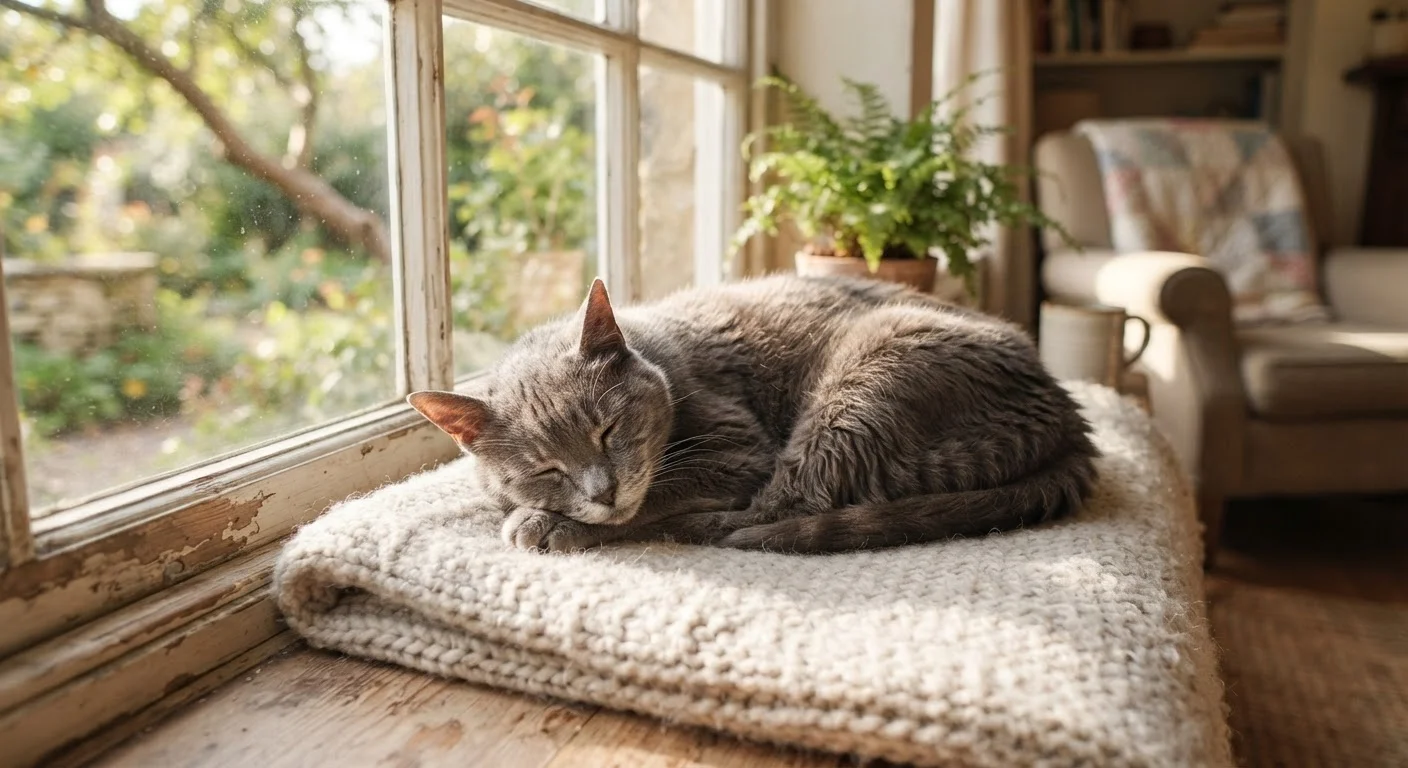
- Heated beds: Warmth eases joint stiffness, and older cats often seek it out instinctively. Orthopedic or self-warming beds provide meaningful comfort.
- Food and water placement: Keep bowls accessible at floor level and in multiple locations if your home has multiple floors — an arthritic cat may avoid climbing stairs.
For cats that spend time outdoors, revisiting that arrangement as they age is worth careful consideration. Our article on indoor versus outdoor cat trade-offs can help you weigh the risks and benefits.
Place a second litter box on each floor of your home as your cat ages — reduced mobility means a cat in discomfort may not make it to a single box in time.
Litter box avoidance is one of the most common senior cat complaints, and access barriers are frequently the cause rather than behavioral problems.
Video your cat walking and rising from rest at home and share the footage with your vet. Cats often move more naturally in their own environment than in a clinical setting, making subtle gait changes easier to observe.
Arthritis and pain are frequently underdiagnosed in cats because clinical exam conditions trigger a masking response; home video provides evidence that isn't filtered by stress.
Recognizing Pain and Behavioral Changes
Cats instinctively conceal discomfort, which means behavioral changes are often the first visible signal that something is physically wrong. Senior cat owners should be attentive to shifts such as:
- Increased vocalization, especially at night (can signal pain, cognitive dysfunction, or hyperthyroidism)
- Changes in litter box habits, including avoiding the box or urinating outside it
- Reduced grooming or, conversely, excessive grooming of a specific area
- Withdrawal from social interaction or hiding more than usual
- Changes in appetite or water consumption
- Difficulty jumping, stiffness when rising, or visible hesitation before movement
None of these changes should be dismissed as simply "getting old." Each one is a reason for a veterinary conversation. Pain management options for cats have improved considerably, and quality of life can often be substantially enhanced once the underlying cause is identified and addressed.
Don't Attribute Changes to 'Just Aging'
It can be tempting to assume that a cat sleeping more, eating less, or becoming less playful is simply showing normal signs of old age. In many cases, these changes reflect treatable medical conditions — not inevitable decline. Report any noticeable behavioral or physical change to your veterinarian rather than monitoring at home alone.
Mental Stimulation and Quality of Life
A quieter, slower senior cat still benefits from daily mental engagement. Cognitive decline — sometimes called feline cognitive dysfunction — affects a meaningful proportion of cats over 15, and some researchers believe environmental enrichment may help support cognitive health as cats age, though more study is needed.
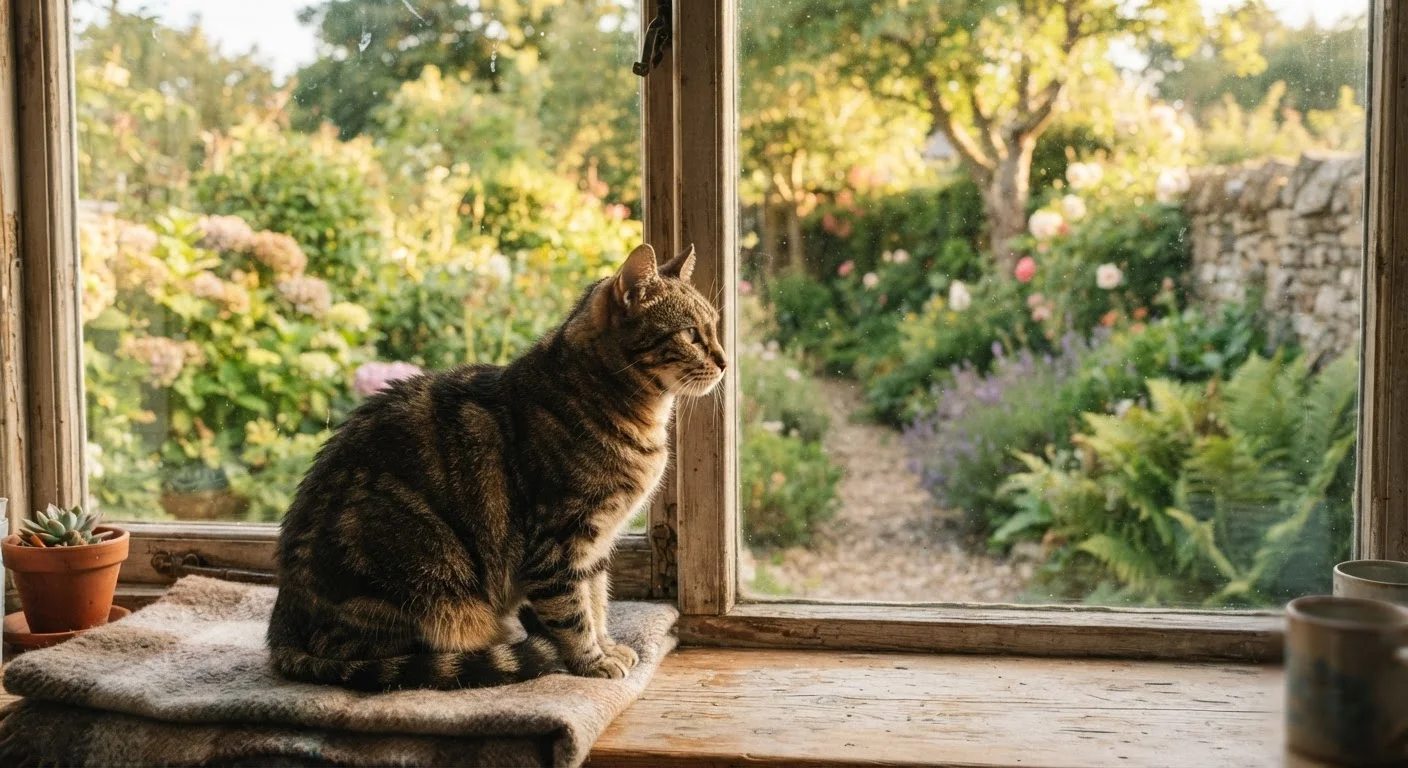
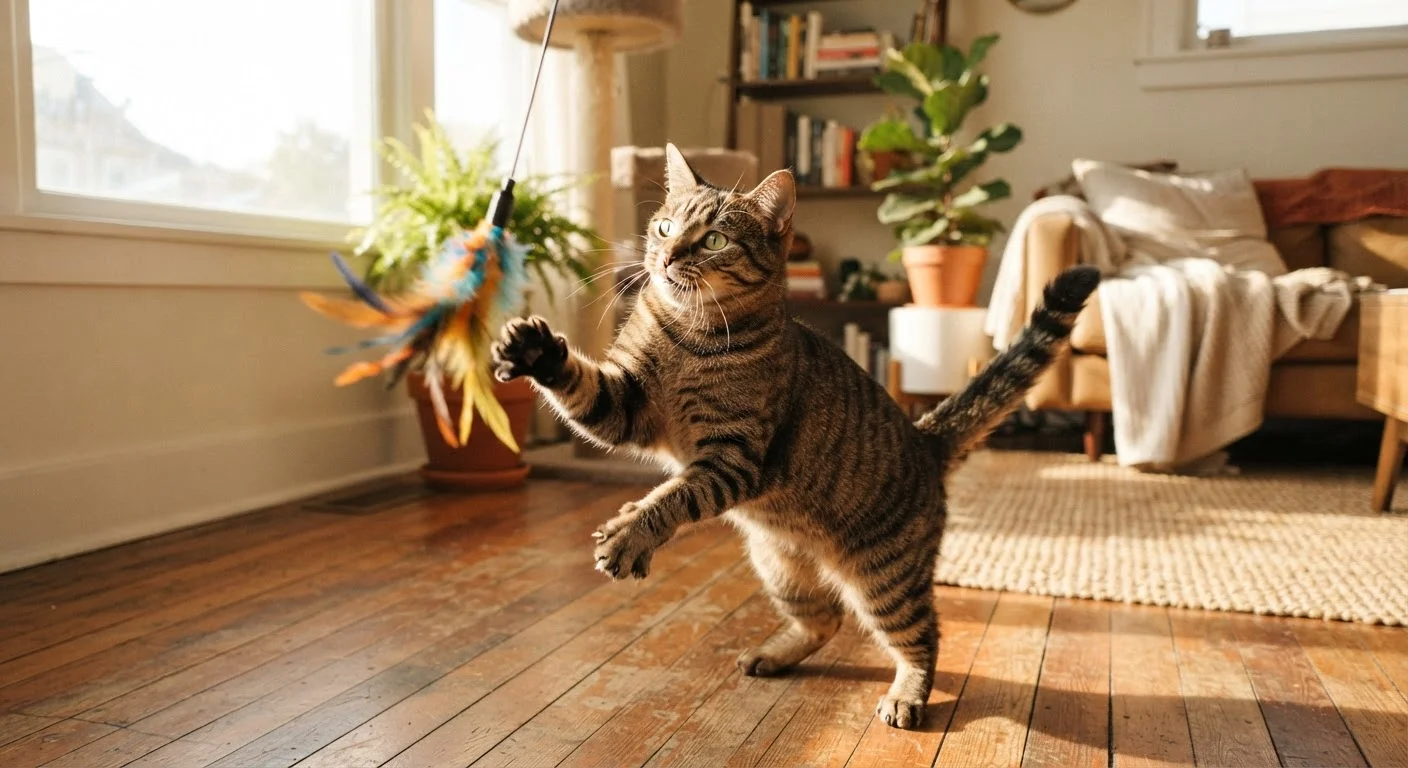
Even with reduced mobility, senior cats can enjoy gentle enrichment: food puzzles adjusted for slower play, window perches for passive bird-watching, short interactive toy sessions that don't demand high-impact movement, and consistent social interaction with familiar people.
For practical daily enrichment ideas that scale to an older cat's energy level, see our guide to keeping a cat mentally stimulated every day.
Above all, quality of life for a senior cat is shaped by attentive, consistent ownership. Routine check-ins, calm handling, and a stable environment contribute as much to wellbeing as any specific medical intervention. The investment you made setting the right foundation — whether from a first-time owner's perspective or years of experience — pays forward into every stage of your cat's life.
This article is for general informational purposes only and does not constitute veterinary advice. Always consult a licensed veterinarian for guidance specific to your cat's health, diet, and medical needs.