The Problem Sinking Funds Solve
Every budget has a vulnerability: the expense you technically knew was coming but never planned for. The car needs new tires every few years. Homeowners insurance renews annually. Holiday spending arrives the same time every December. None of these are emergencies — but without a plan, they feel like one.
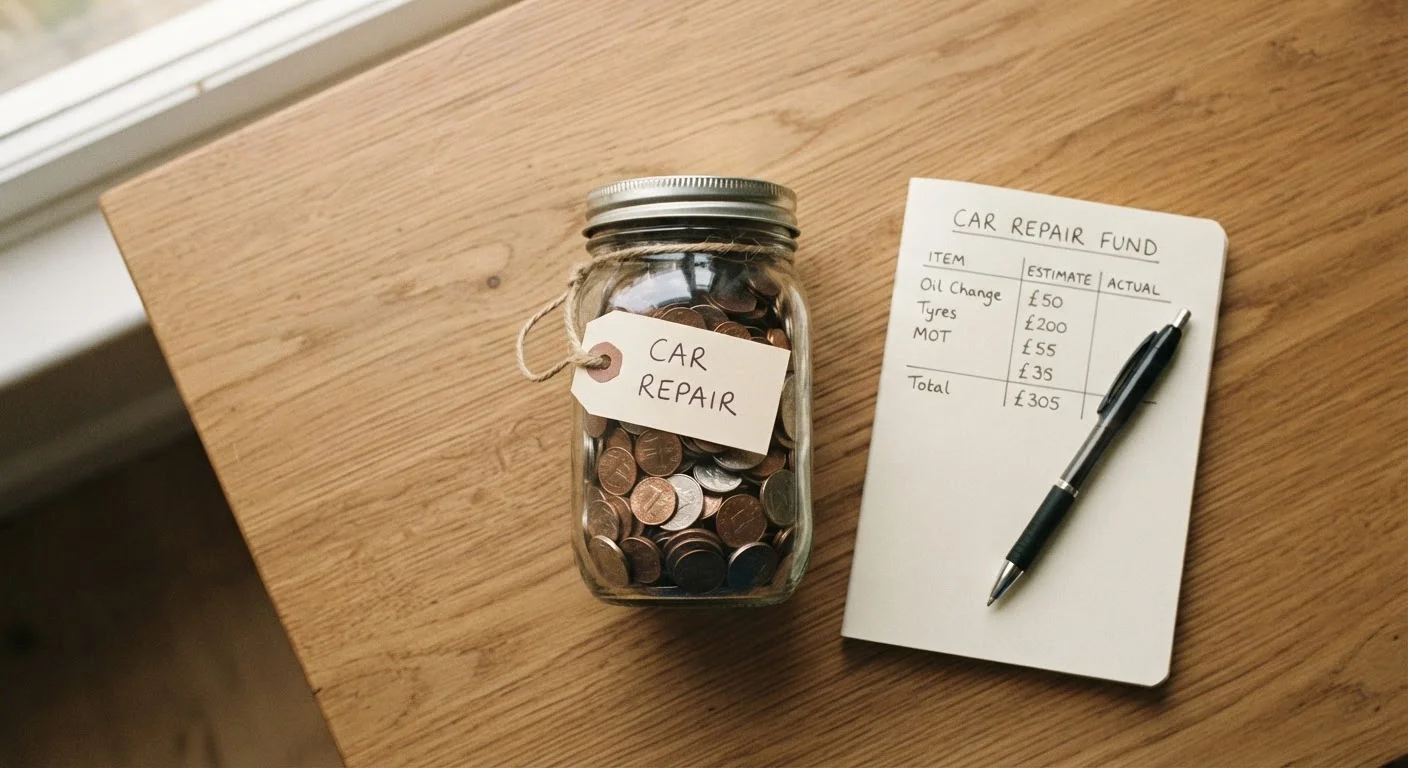
This is where sinking funds close the gap. Rather than absorbing a $600 car repair from a single paycheck or reaching for a credit card, you've already been saving $50 per month into a dedicated car-maintenance fund. When the bill arrives, you pay it without stress — and without debt.
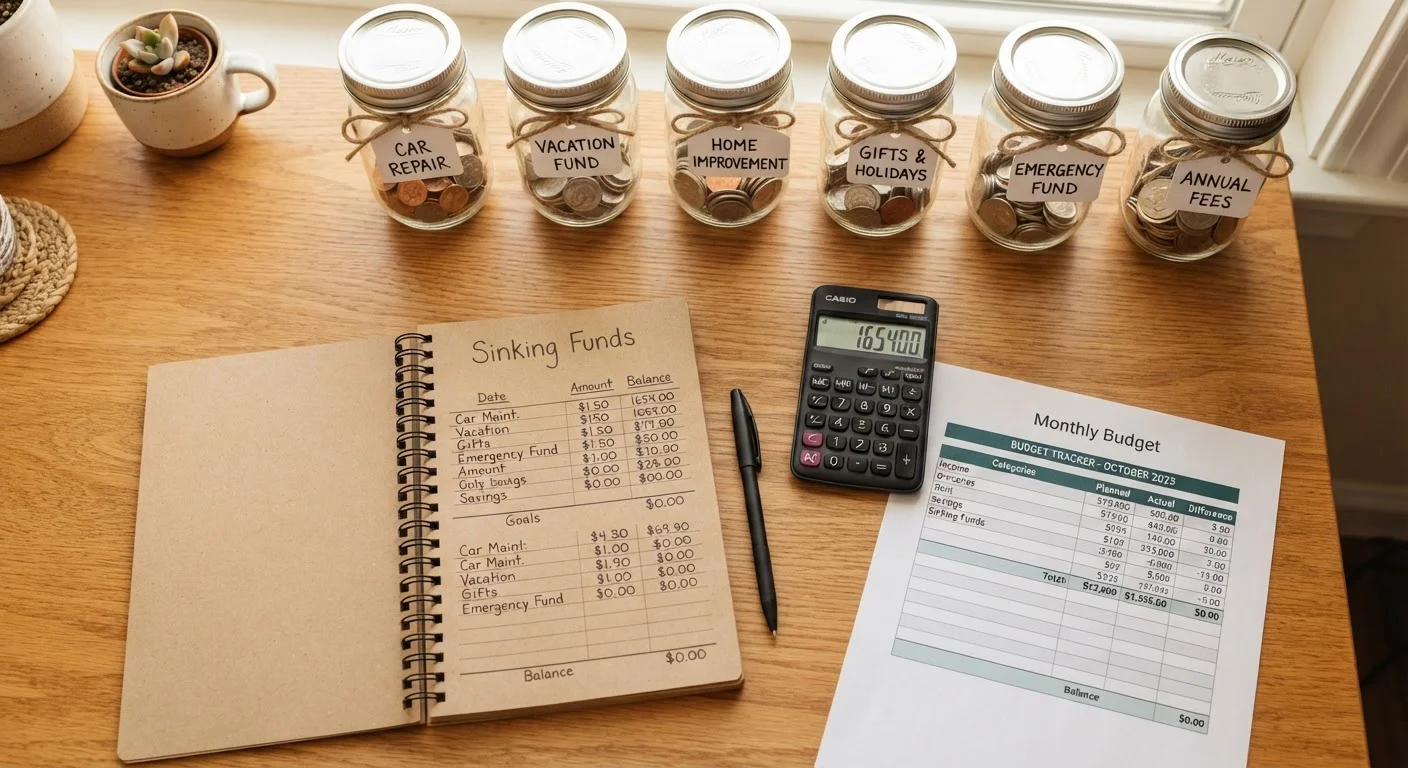
The core insight is simple: irregular expenses are only financially painful when treated as unpredictable. Most aren't. Sinking funds convert that denial into a practical monthly habit. For a deeper look at how to set one up alongside your regular savings strategy, see this step-by-step overview on the technique.
~1 in 4
Americans with no emergency savings
Federal Reserve research has consistently found that a significant share of U.S. adults would struggle to cover an unexpected $400 expense — a gap sinking funds are specifically designed to address for predictable costs.
$1,500+
Average car repair bill in the U.S.
Industry data from auto repair associations suggests major vehicle repairs routinely reach four figures, making a monthly car-maintenance sinking fund one of the highest-impact categories for most households.
12x
Months to fund a full year of irregular bills
Spreading any annual expense over 12 equal monthly contributions eliminates lump-sum budget pressure entirely — the fundamental math that makes sinking funds effective.
How to Set Up a Sinking Fund
Setting up a sinking fund takes three steps: identify the expense, set a target, and divide by time.
- Name the expense. Be specific. "Car" is vague; "car maintenance and registration" tells you exactly what the fund covers.
- Set a realistic target. Look at past bills, manufacturer guidance, or average costs for your area. You don't need perfection — a reasonable estimate is enough to start.
- Calculate the monthly contribution. Divide your target by the number of months until you need the money. A $1,200 holiday fund started in January becomes $100 per month if Christmas is your deadline.
Keep each fund in a separate, labeled account or sub-account so you're never tempted to raid it for something else. Automating the monthly transfer on payday removes the friction of manual saving and keeps the habit consistent.
Start With Your Most Stressful Expense
If the idea of multiple sinking funds feels overwhelming, launch just one — for whichever irregular expense has caused the most budget stress in the past year. Once that fund is funded and running on autopilot, adding a second category becomes straightforward. Building the habit matters more than starting with a complete system.
Which Expenses Benefit Most
Not every cost needs its own sinking fund. Focus on expenses that are large enough to disrupt a monthly budget, irregular enough that they don't appear on every paycheck cycle, and predictable enough that you can estimate their cost and timing.
Annual subscriptions, pet wellness visits, vehicle registration, home maintenance, and back-to-school shopping are common starting points. The full breakdown of irregular expenses suited to sinking funds covers additional categories worth considering.
Sinking Funds Are Not a Replacement for an Emergency Fund
A sinking fund covers costs you've anticipated; an emergency fund absorbs genuine surprises — sudden job loss, an unplanned medical bill, or urgent home damage. Financial planners generally recommend maintaining both. If you're building from scratch, prioritize a basic emergency cushion before opening multiple sinking fund categories.
This article is for general informational purposes only and does not constitute personalised financial advice. Consider consulting a licensed financial professional for guidance tailored to your specific situation.