Why Renovation Budgets Go Wrong
Most renovation budgets don't fail because homeowners spend too much overall—they fail because money gets allocated in the wrong places. Spending generously on decorative tile while underfunding the waterproofing layer beneath it is a classic example. The tile looks great for a year; then a leak causes thousands in damage.
The core principle of smart budget renovation is simple: invest where failure is expensive, save where failure is fixable. Cosmetic choices that can be updated later are ideal candidates for frugality. Systems and structures that are difficult or hazardous to redo are not.
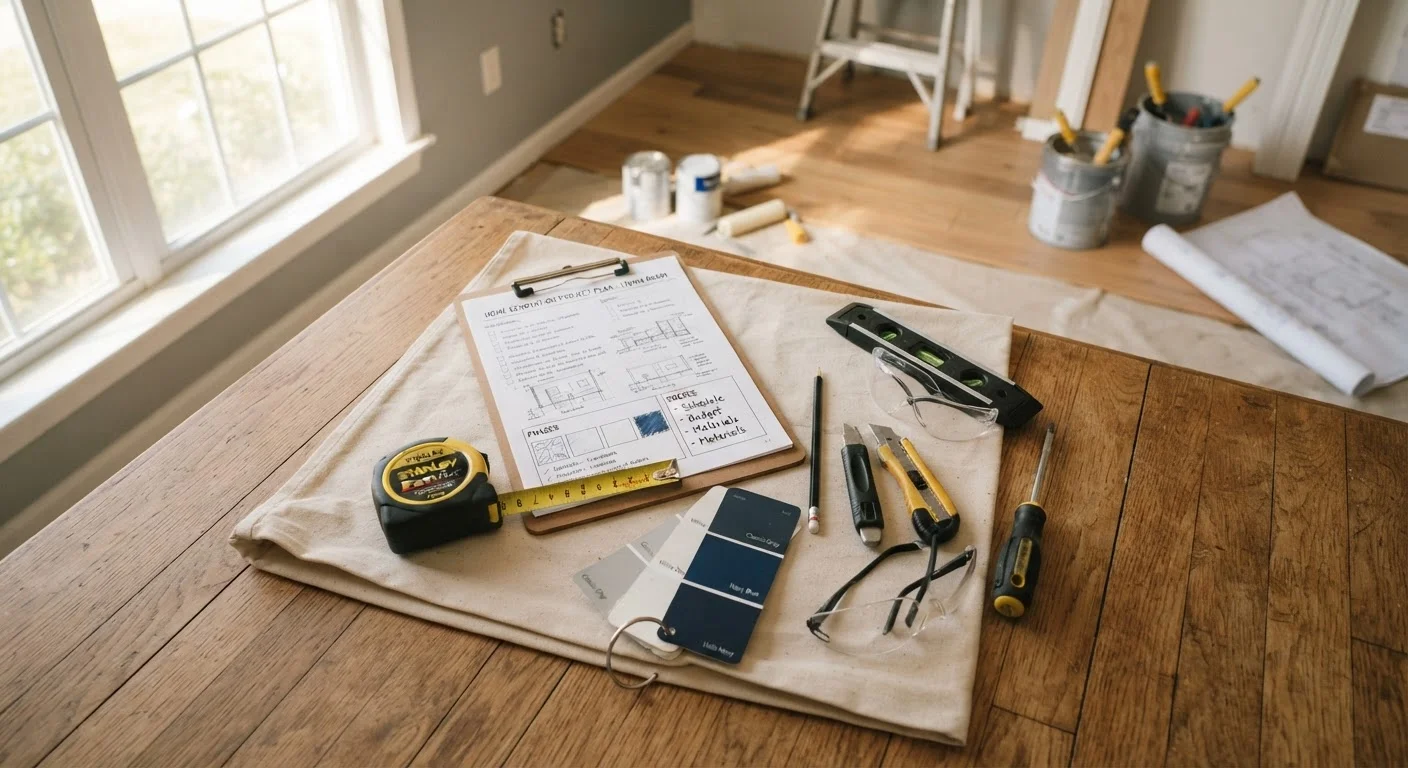
Before any project starts, understanding the full scope—including permits and sequencing—prevents the most painful budget surprises. See our guide to sequencing renovation tasks to understand how professionals order the work.
A Note on General Financial Information
The cost ranges and savings strategies discussed in this article are general in nature and vary significantly by region, project scope, and local labor markets. They are not personalized financial advice. For help building a renovation budget, consider consulting a financial planner or reviewing foundational resources on budgeting basics.
Where Cutting Costs Genuinely Pays Off
Several renovation categories reward DIY effort and economical choices without meaningful downside risk.
DIY painting delivers high return for low cost
Interior painting is one of the most impactful cosmetic changes a homeowner can make. Done carefully, a DIY paint job is virtually indistinguishable from professional results at a fraction of the price.
Hardware swaps refresh rooms without remodeling
Replacing cabinet pulls, faucets, and light fixtures is inexpensive, requires minimal tools, and can dramatically modernize a dated kitchen or bathroom without major construction.
Off-the-shelf storage systems rival custom millwork
Modular shelving and closet systems from standard retailers can replicate the look and function of custom built-ins at a significantly lower cost, especially in smaller rooms.
Cosmetic landscaping boosts curb appeal affordably
Mulching beds, trimming overgrowth, and adding low-maintenance plantings are DIY-friendly tasks that improve a home's first impression without professional labor costs.
- Paint and finishing: Interior painting is one of the highest-return DIY tasks. Proper prep—cleaning walls, taping trim, using quality primer—determines results more than paint brand alone.
- Cabinet hardware and fixtures: Swapping drawer pulls, cabinet handles, and light switch plates costs little and refreshes a room's look significantly. No special skills required.
- Landscaping and curb appeal basics: Mulching, planting perennials, and pressure-washing driveways are budget-friendly projects most homeowners can handle themselves.
- Open shelving and storage: Floating shelves and closet organizers from standard lumber or off-the-shelf systems can replace expensive custom millwork at a fraction of the cost.
For renters or those in smaller spaces, many of these same low-cost strategies apply. The renovation strategies for compact rooms article covers approaches that work even when square footage is limited.
Where Cutting Costs Creates Bigger Bills Later
Certain areas of a renovation carry consequences that compound over time when underbudgeted. These are not places to economize.
Skipping waterproofing leads to expensive structural damage
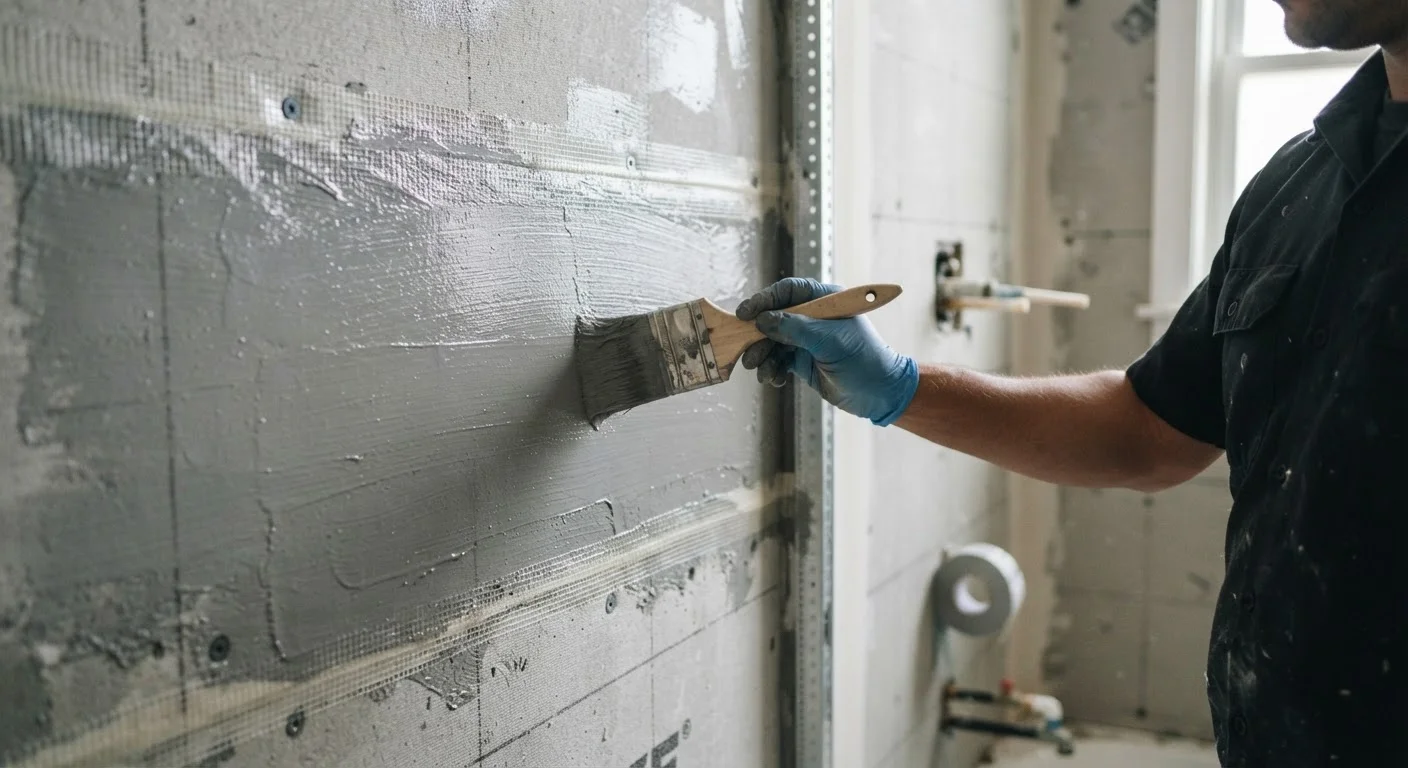
Inadequate moisture barriers beneath tile or flooring allow water infiltration that can rot subfloors, damage framing, and trigger mold remediation—repairs that far exceed the cost of proper waterproofing upfront.
Unlicensed electrical work creates fire and insurance risk
Electrical work that doesn't meet code can cause fires, fail inspection, and give insurers grounds to deny claims. Most jurisdictions require licensed electricians for panel and wiring work.
Unpermitted renovations complicate resale
Buyers' inspectors and lenders often flag unpermitted work, which can force sellers to undo completed projects, reduce sale prices, or delay closings significantly.
Cheap subfloor materials cause long-term instability
Subfloor quality determines how floors feel and perform for decades. Using undersized or moisture-prone materials to save money often results in squeaking, buckling, or tile cracking within a few years.
Cutting corners on contractor vetting invites disputes
Hiring unlicensed or uninsured contractors to save on labor can leave homeowners liable for on-site injuries and with no legal recourse if work is substandard or left incomplete.
Waterproofing is the most overlooked budget line in bathroom and kitchen renovations. What's hidden behind tile or beneath a floor does the actual protective work. Our article on bathroom waterproofing explains why the hidden moisture barrier is where most tile failures originate.
Electrical and plumbing work that isn't up to code creates fire and water damage risk, and can void homeowner's insurance claims. These trades require licensed professionals in most jurisdictions—verify your local requirements before starting.
~35%
Of renovation budgets lost to rework
Industry estimates suggest that roughly a third of renovation cost overruns stem from having to redo work done out of sequence or to insufficient quality standards.
Top 3
Causes of house fires include electrical faults
According to the U.S. Fire Administration, electrical malfunctions consistently rank among the leading causes of residential house fires, underscoring the risk of substandard wiring work.
For any project that touches structural elements, electrical panels, gas lines, or load-bearing walls, consult a licensed contractor. Our resource on what to know before hiring a contractor walks through how to vet credentials and understand contracts before signing anything.
The Permit Question: A Cost You Shouldn't Skip
Permits feel like an added expense, but they're actually a form of protection. Unpermitted work can complicate or block a home sale, result in forced removal of completed work, and—in the case of electrical or structural changes—create genuine safety hazards.
Many homeowners are surprised to learn that even seemingly minor projects may require permits depending on local jurisdiction. Our homeowner's road map to permits and inspections is a useful starting point for understanding when permits are legally required and what the process involves.
Budget the permit cost into the project from day one rather than treating it as optional. It's a line item that protects every dollar you've spent on the renovation itself. For larger projects, also review our kitchen remodel pre-start checklist to confirm your plans, budget, and permits are aligned before any demolition begins.
This article is for general informational purposes only. For work involving electrical systems, gas lines, structural elements, or plumbing, always consult a licensed professional and verify local permit requirements before starting any project.