What We Actually Mean by Neutrals and Statement Pieces
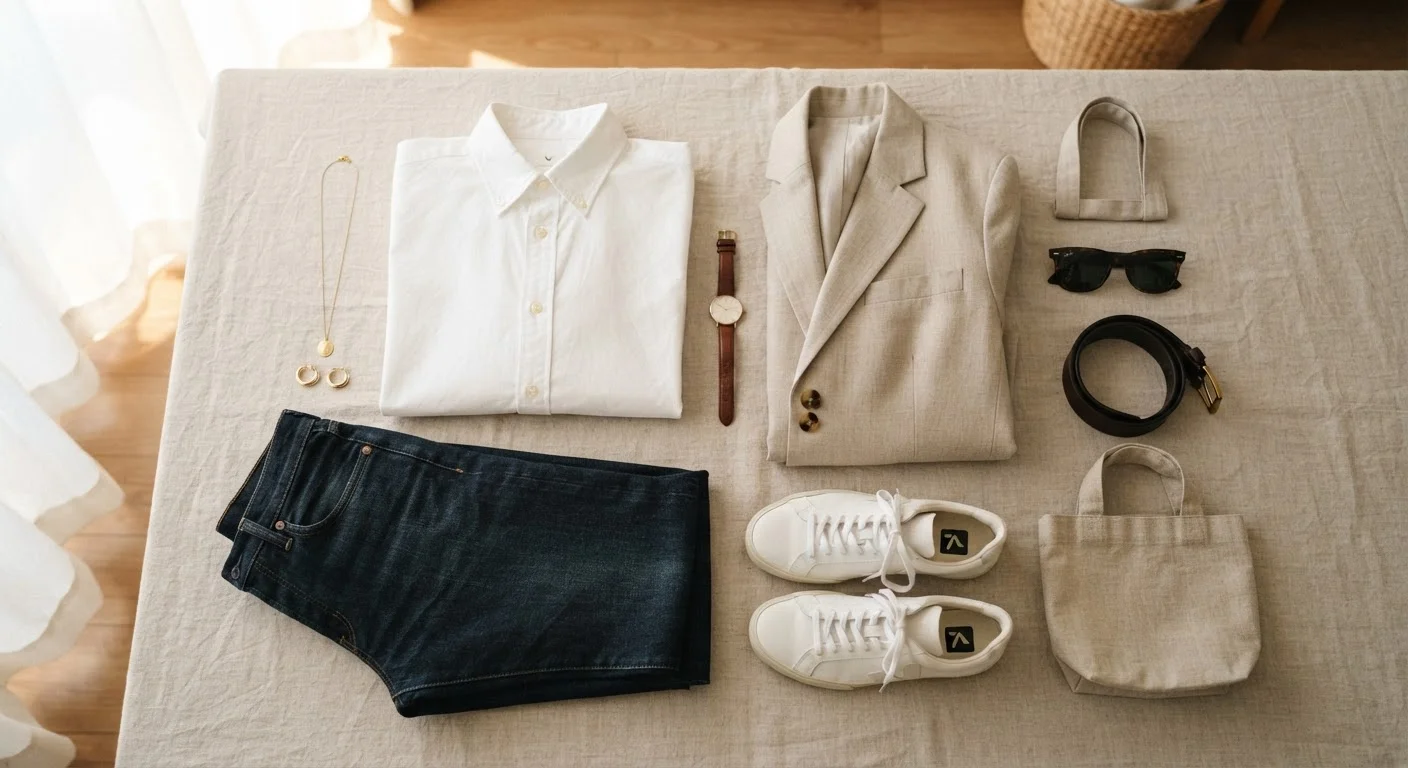
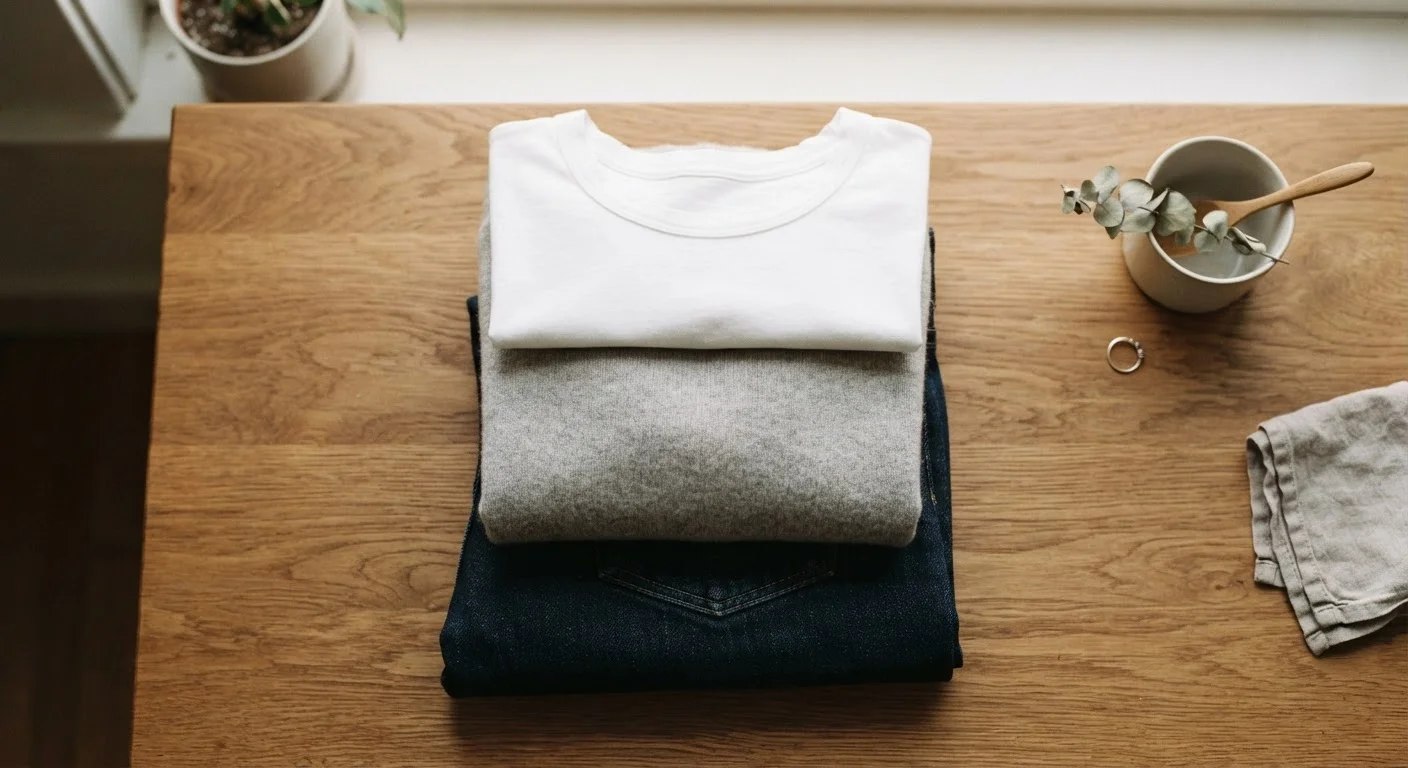
The terms get thrown around constantly in style content, but they're worth pinning down. Neutrals are colors and patterns that don't compete visually — think white, black, gray, navy, camel, cream, and olive. They're the pieces in your wardrobe that quietly agree with everything around them. Statement pieces, by contrast, are designed to draw attention: a graphic print, a saturated color, an unusual silhouette, or a striking accessory that anchors the whole look.
Neither category is inherently better. The friction comes when a wardrobe skews too hard in one direction. All neutrals and you're dressed, but the outfits feel flat or interchangeable. All statement pieces and nothing coordinates — getting dressed becomes stressful instead of expressive.
It's also worth noting that "statement" doesn't have to mean loud or maximalist. A well-structured blazer in a deep burgundy can be just as much of a statement as a floral-print skirt — it just communicates a different mood. For a deeper look at how individual foundational items fit into the picture, see how classic staples earn their place in a functional wardrobe.
How the Two Work Together (and When They Don't)
The most practical framework many stylists use is a rough 70/30 split: the majority of what you own is neutral or easy-to-pair, and about a third carries the visual interest. This isn't a rigid rule — it's a starting point that prevents both wardrobe paralysis and the chaos of a closet full of pieces that refuse to cooperate.
| Criterion | Neutral Pieces | Statement Pieces |
|---|---|---|
| Primary function | Create cohesion and flexibility | Add personality and visual interest |
| Outfit versatility | Pairs with almost anything | Works with a narrower range of items |
| Decision fatigue | Low — easy to grab and go | Higher — requires intentional pairing |
| Style expression | Subtle, understated | Clear, distinctive |
| Risk of clashing | Very low | Moderate if layered heavily |
| Ideal wardrobe share | ~70% of total pieces | ~30% of total pieces |
Statement pieces tend to shine brightest when they're doing a specific job: lifting a plain outfit, communicating occasion-readiness, or expressing a mood. When multiple statement pieces appear in the same outfit, they often compete with each other rather than complement — and the overall effect reads as busy rather than intentional.
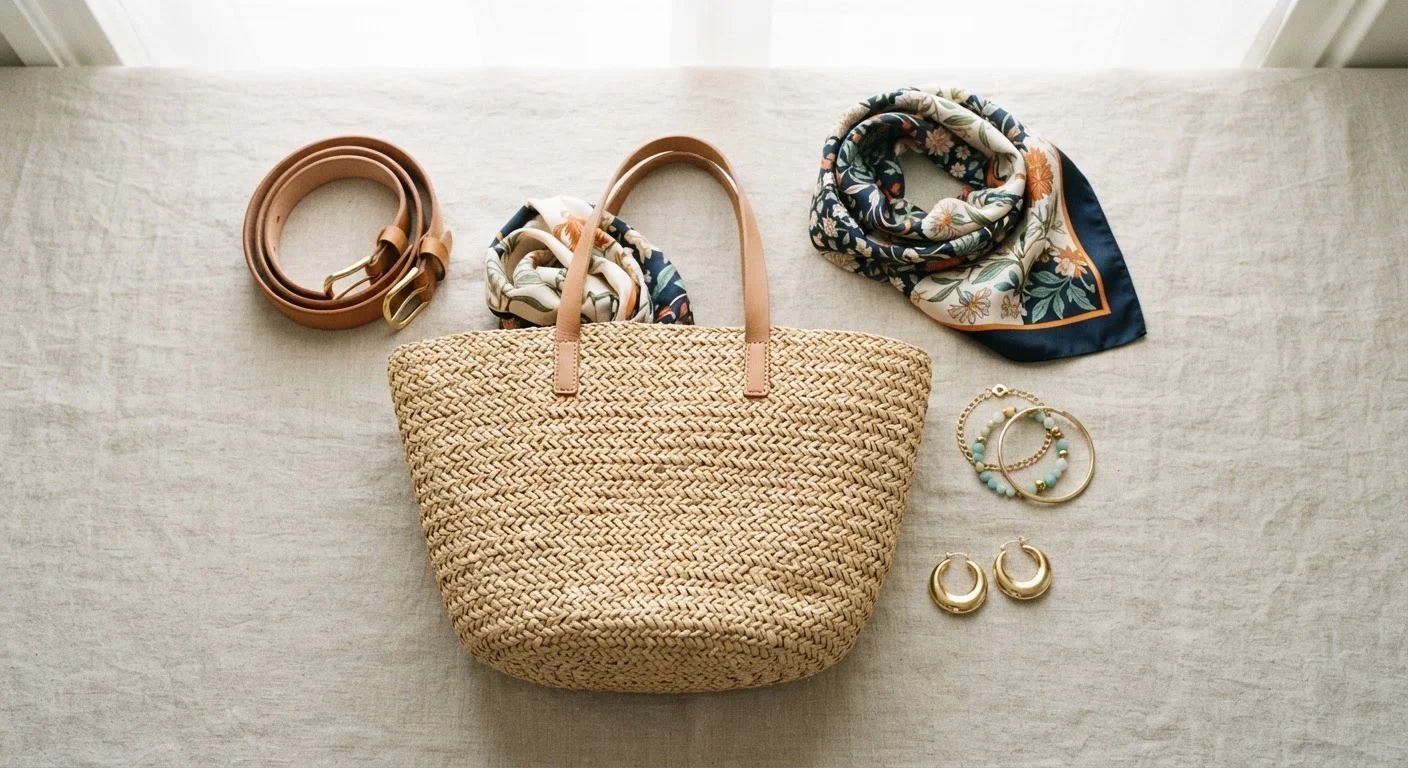
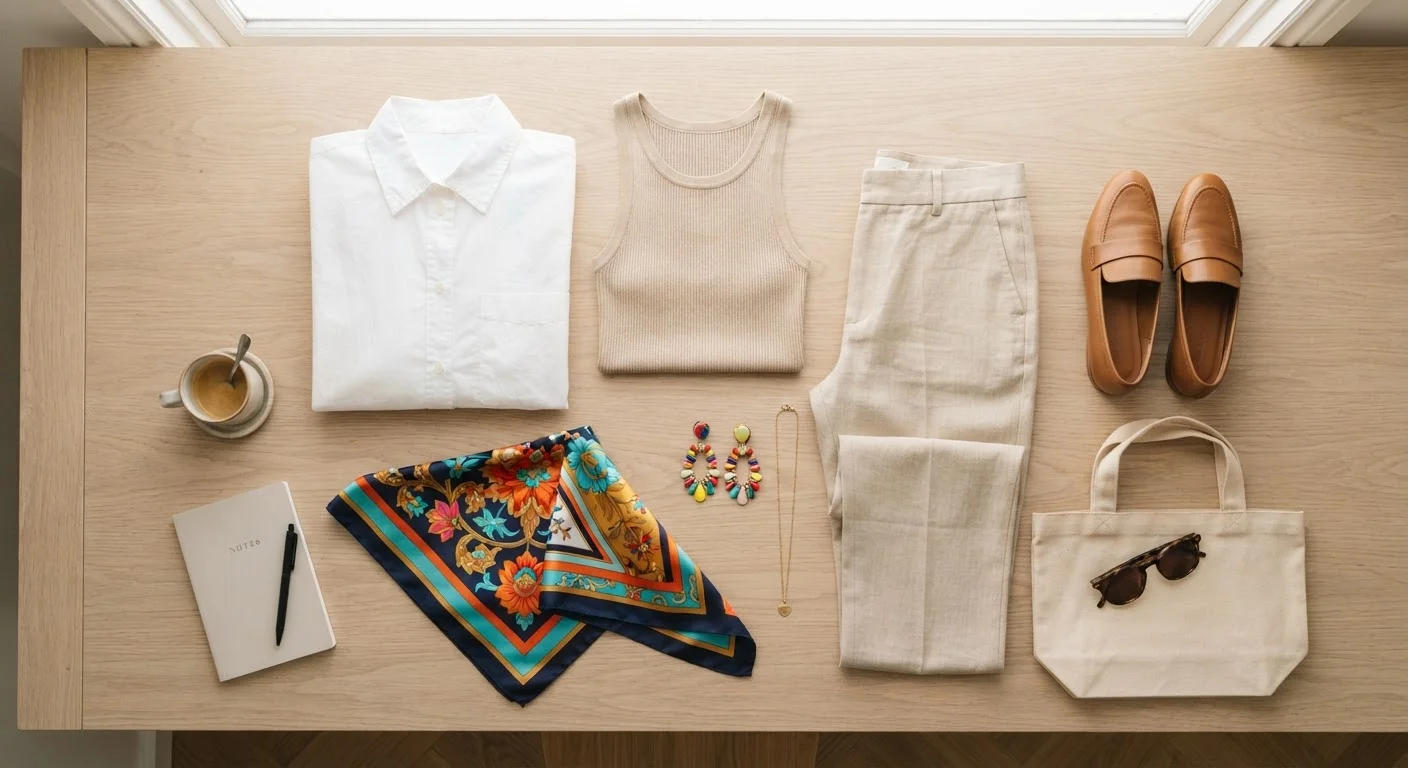
That said, there are ways to successfully layer bolder items. The key is giving each piece enough visual space. A printed top paired with solid-color bottoms in a hue pulled from the print is a classic, low-risk approach. A statement bag or shoe against otherwise neutral clothing is even simpler. Accessories can be one of the most versatile styling tools precisely because they add personality without overcommitting the whole look.
Building the Balance Into Your Actual Wardrobe
Knowing the theory is one thing; applying it to a real closet is another. If you're starting from scratch or trying to restructure what you have, the most useful move is an honest inventory. Pull out everything and look at the ratio of neutrals to bolder items. Most people find they're either drowning in basics with nothing exciting, or hoarding statement pieces they can never figure out how to wear.
Neutrals Are Wider Than You Think
Many people mentally limit neutrals to black, white, and gray — but the category is broader. Navy, camel, khaki, olive, and even soft blush all function as neutrals in practice because they pair harmoniously with a wide range of colors. Expanding your definition opens up a lot more personality within the "foundation" portion of your wardrobe.
If neutrals are your gap, the fix is relatively straightforward — a handful of well-fitting pieces in versatile colors expands your outfit options quickly. Our guide to building a versatile wardrobe from scratch walks through exactly that process without requiring a big spend.
If statement pieces are your gap — or if the ones you own never seem to work — the issue often isn't the pieces themselves. It's that the neutrals around them aren't flexible enough. A bold item needs a neutral partner that's proportionally balanced in fit and formality. A structured printed jacket doesn't pair naturally with relaxed joggers not because of color, but because the formality levels clash. Understanding how colors interact with each other can also unlock combinations you hadn't considered — color coordination doesn't require fashion expertise, just a few simple principles.
Finally, before adding anything new, try shopping your own closet first. You may already have the balance — it just needs to be seen differently.
20%
Of wardrobe worn most of the time
Research on consumer behavior suggests most people regularly wear only about 20% of the clothes they own, highlighting how curation matters more than volume.
70/30
Neutral-to-statement ratio
A 70% neutral, 30% statement split is a widely cited starting framework among wardrobe stylists for building a functional, expressive closet.