
Why Your Closet Probably Has More Than You Think
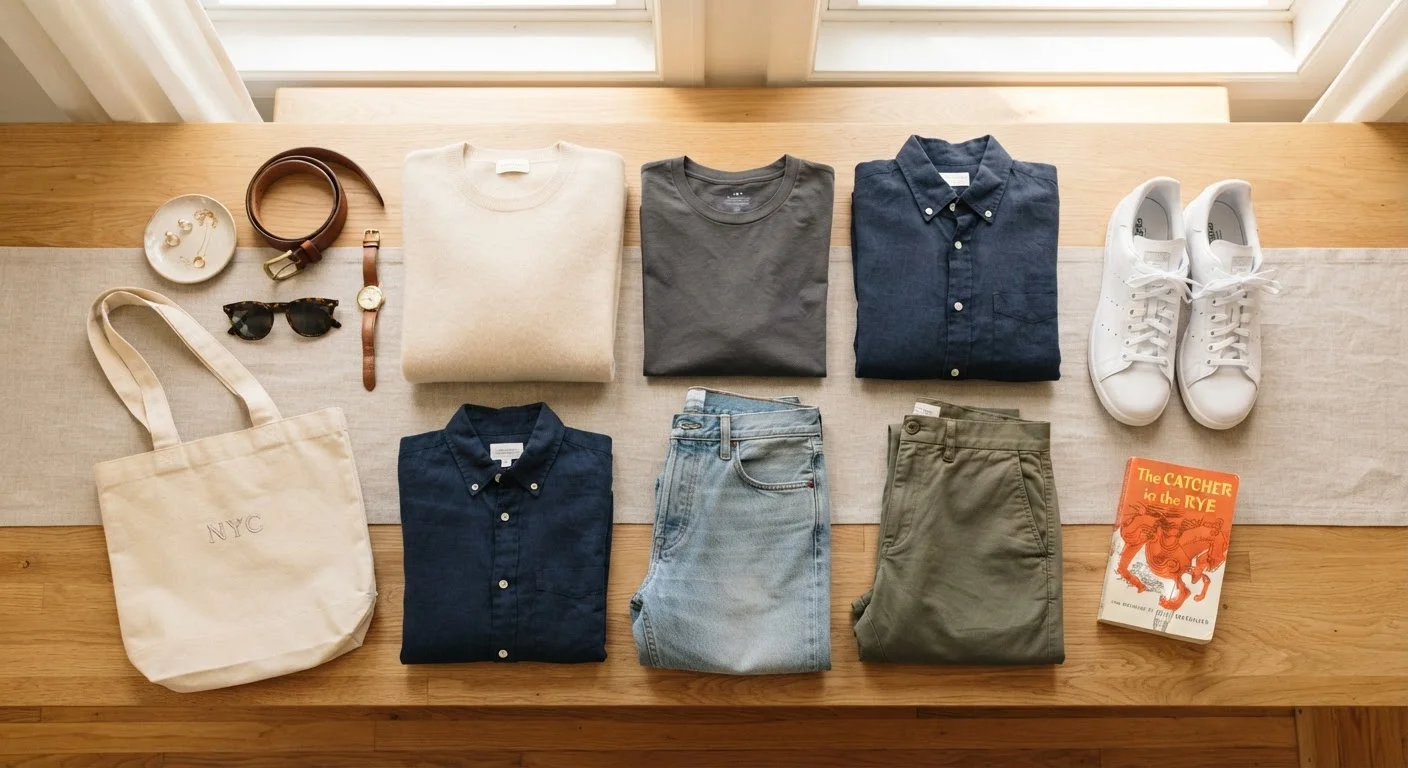
The so-called 80/20 rule of wardrobes is surprisingly consistent: many people reach for the same small cluster of items while a significant portion of their clothing barely sees daylight. Garments get pushed to the back of the rail, shoved into drawers after laundry, or quietly forgotten once a newer piece arrives. The result is the paradoxical feeling of having nothing to wear while standing in front of a stuffed closet.
Shopping your own closet is a practical reset. It's not about a dramatic overhaul or declaring half your wardrobe trash — it's about genuinely seeing what you have. For a deeper look at how to dress confidently day-to-day with what you already own, our complete guide to everyday American style covers the full picture.
Quick Moves That Instantly Expand Your Outfit Options
Once you've done a closet audit, a few simple styling habits can dramatically increase the number of outfits you're able to pull together. Changing your shoes alone can shift a dress from casual to polished. Tucking in a shirt — fully, half, or just at the front — changes the entire silhouette of an outfit. Layering a denim jacket over a dress you'd normally wear alone creates a completely different look for cooler weather.
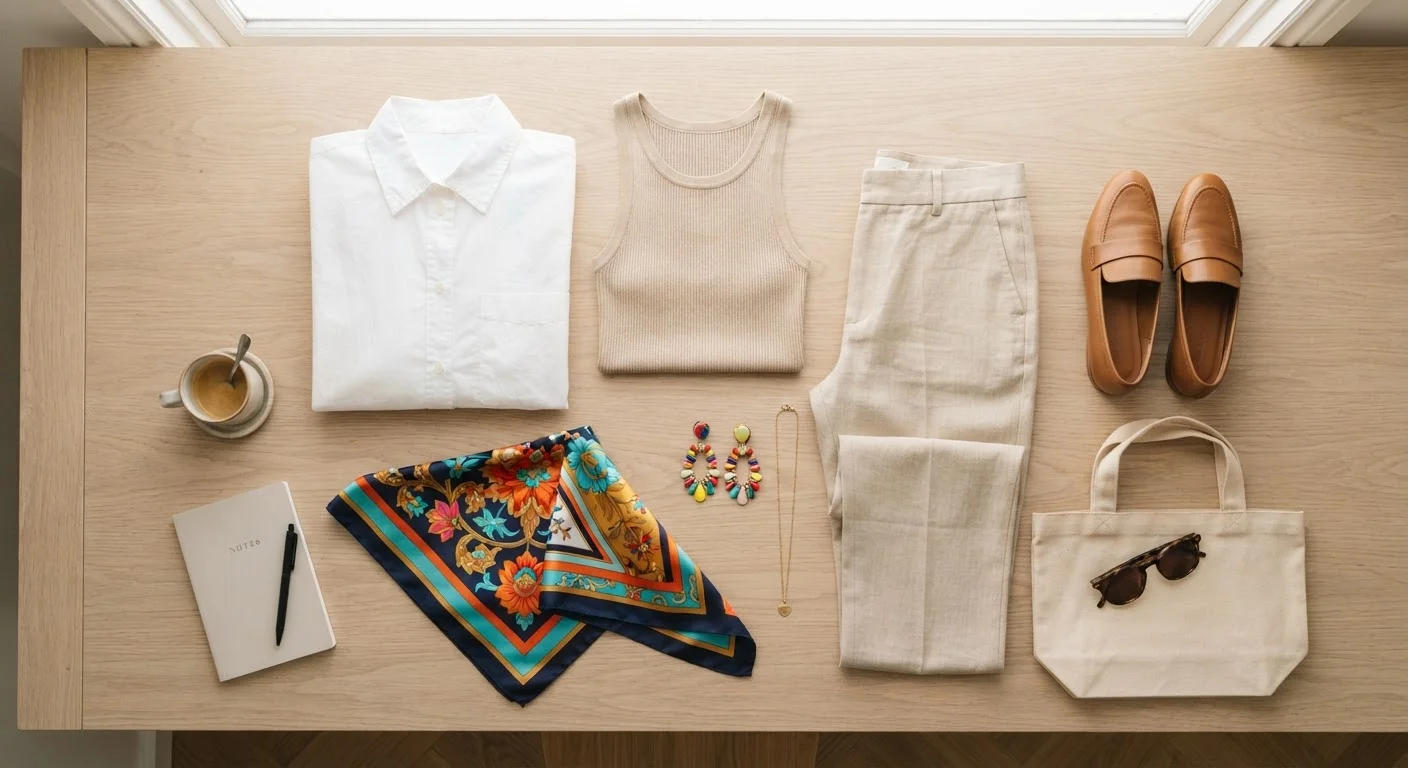
Understanding how neutrals and statement pieces work together is one of the most powerful skills for remixing a wardrobe. If most of your closet is neutral, one bold piece can anchor multiple outfits. If you have statement-heavy items that feel unwearable, pairing them with a simple neutral tones them down without hiding them.
How Fit and Accessories Change the Game
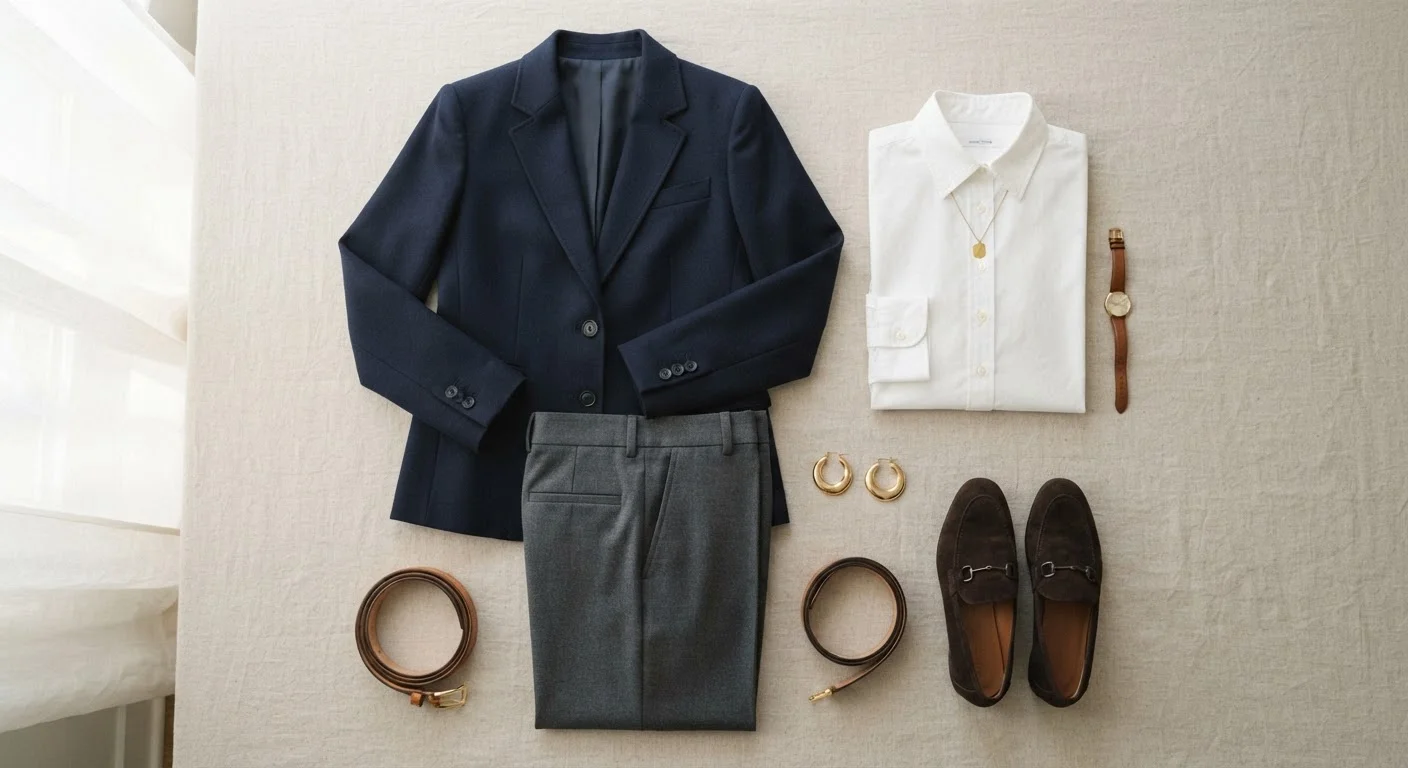
An item you never wear might not be the wrong piece — it might just be slightly off in fit. A too-long hem, a boxy silhouette, or a neckline that gapes can make an otherwise great garment feel unwearable. Minor tailoring — hemming pants, taking in a side seam — can resurrect pieces you'd written off entirely. Our article on how clothing fit affects every outfit breaks down exactly why this matters more than price or brand.
Accessories are another underused tool. A belt that cinches a loose dress, a scarf tied at the neck, or a swap from sneakers to loafers can make the same base outfit feel intentionally styled rather than thrown together. For a realistic look at what accessories can and can't do, see our piece on accessories as a styling tool.
Knowing When You've Actually Found a Gap
Shopping your closet reveals something valuable: clarity. Once you've audited, remixed, and restyled what you own, any remaining gaps become obvious and specific. You don't need "more tops" — you need a long-sleeve layer in a neutral that works under three things you already own. That specificity makes any future purchase more intentional and less likely to become another forgotten item.
If you do find real gaps after a thorough audit, our guide to building a versatile wardrobe on a tight budget can help you fill them thoughtfully. And for seasons when your wardrobe needs a reset without any new spending, our piece on seasonal wardrobe transitions without buying new clothes is a great next step.