Why Night Is Different for Your Skin
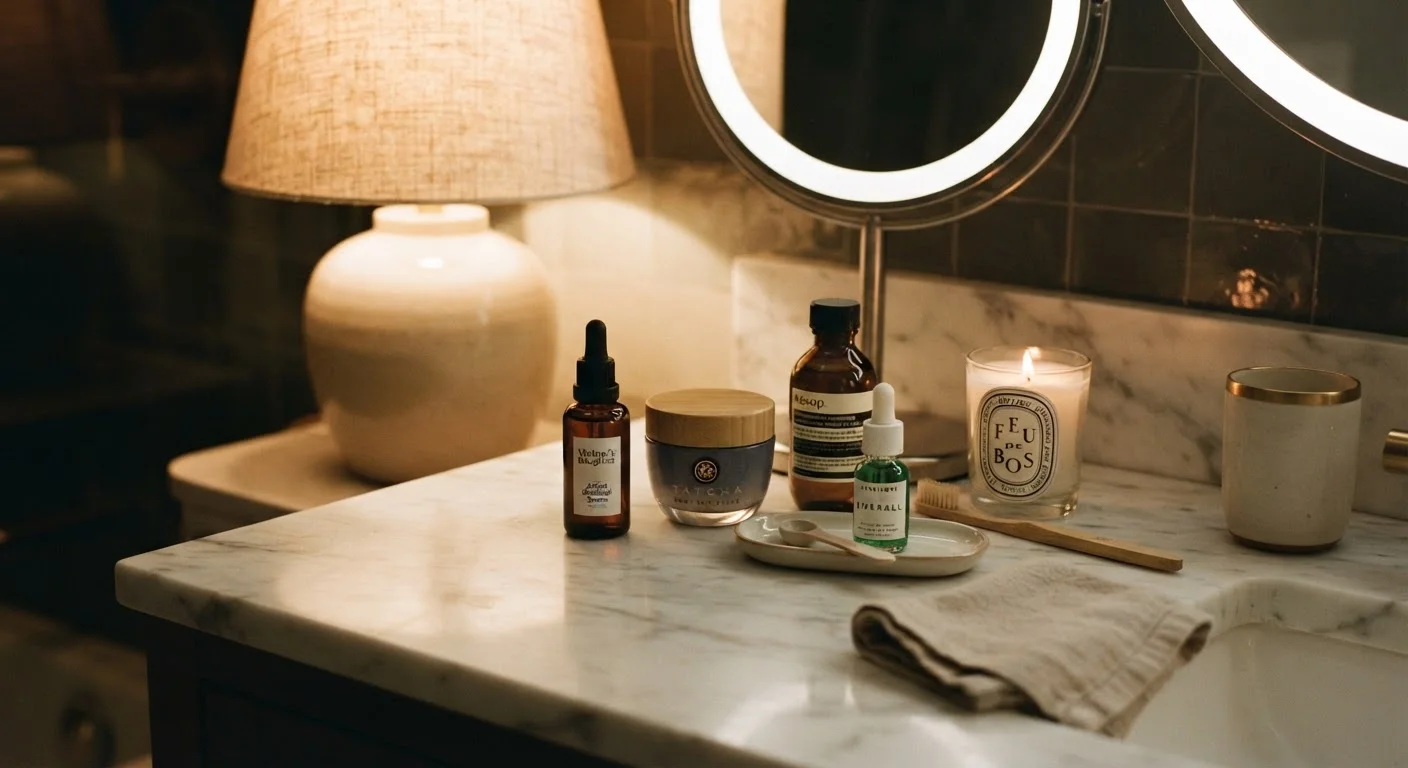
Your skin is not passive while you sleep. Research in dermatology consistently shows that skin cell turnover accelerates during the nighttime hours, and the skin barrier is more permeable in the evening — meaning active ingredients can penetrate more effectively. At the same time, your skin loses moisture more easily overnight (a process called transepidermal water loss), which is exactly why the right products applied before bed can make a meaningful difference.
There's also a practical reason to take your evening routine seriously: daytime skin accumulates sunscreen, pollution particles, sebum, and often makeup. Leaving that on overnight can contribute to clogged pores and dullness. A thorough cleanse isn't optional — it's the foundation of everything else.
If you're just building your first routine, this beginner-friendly primer covers the essentials before you add any nighttime-specific steps.
Your Routine Can Be Simple
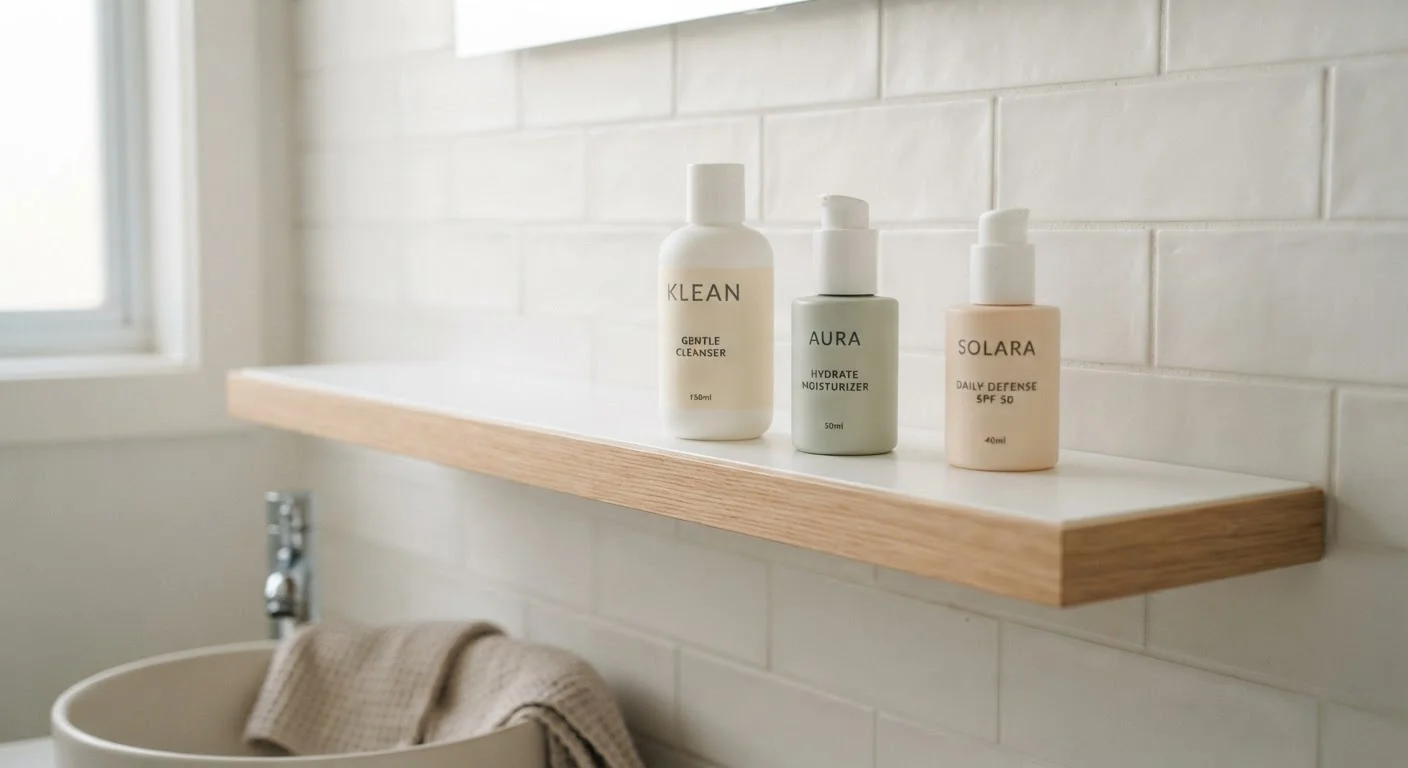
A cleanser and a moisturizer are enough to form a solid nighttime routine. Active ingredients like retinoids and exfoliants add benefit, but only when your skin has adjusted to the basics first. Start with two steps and build from there — consistency matters far more than complexity.
What to Do — Step by Step
The following steps are ordered to maximize both effectiveness and skin comfort. You don't need every product every night — pick what fits your skin's actual needs.
What you will need
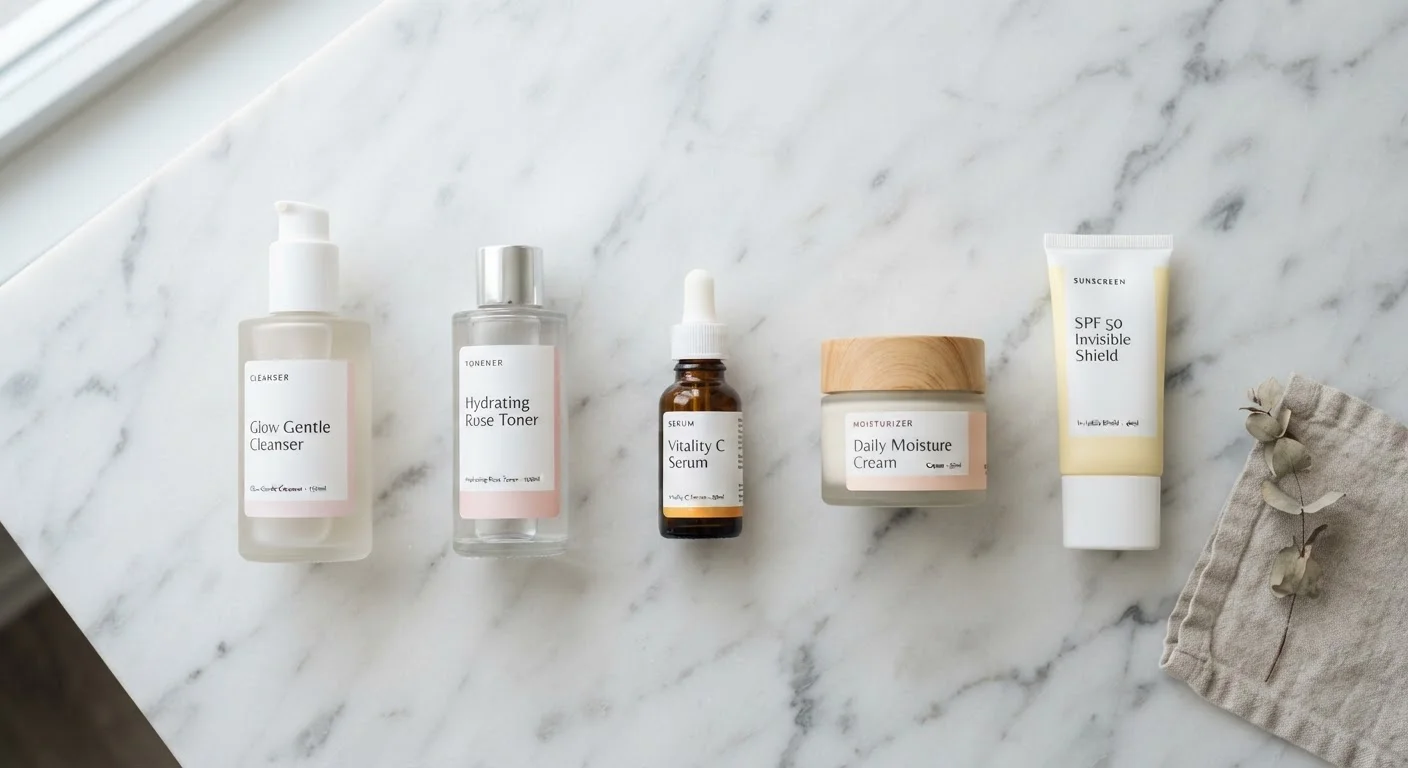
Double-cleanse if you wore SPF or makeup
Start with an oil-based cleanser or micellar water to dissolve sunscreen and makeup. Follow with a water-based cleanser suited to your skin type to remove any remaining impurities. If you skipped SPF and makeup today, a single gentle cleanse is enough.
Apply any toner or essence
A hydrating toner or essence applied to slightly damp skin can prep the surface and help subsequent products absorb more effectively. Modern toners are far gentler than their astringent predecessors. Learn what toners actually do before deciding if this step is right for you.
Use your treatment serum or active ingredient
This is where retinoids, AHAs, or targeted serums go — applied to clean skin before heavier products. Use only one active per night if you're new to them, and introduce any new ingredient gradually to gauge your skin's tolerance.
Seal with a nighttime moisturizer
Nighttime moisturizers tend to be richer than daytime formulas because they don't need to sit comfortably under makeup or SPF. Look for ingredients like ceramides, hyaluronic acid, or squalane that support barrier repair and lock in hydration overnight. If your current moisturizer feels less effective than it used to, here's what's actually happening — it's not always what you think.
Add eye cream or facial oil if needed
Eye creams are applied last among water-based products, as the under-eye area is delicate and benefits from targeted ingredients. A facial oil, if you use one, goes on top of everything else — oils seal in the layers below rather than being absorbed first.
For a deeper look at why product order matters, see the logic behind skincare layering.
Ingredients That Earn Their Place at Night
Certain ingredients belong in a nighttime routine specifically because sunlight either degrades them or makes skin more sensitive to UV damage after use.
- Retinoids (retinol, retinal, tretinoin): Vitamin A derivatives that support cell turnover. They break down in sunlight and increase photosensitivity, so nighttime use is the standard recommendation. Start slowly — even a few nights a week — and always follow with a rich moisturizer.
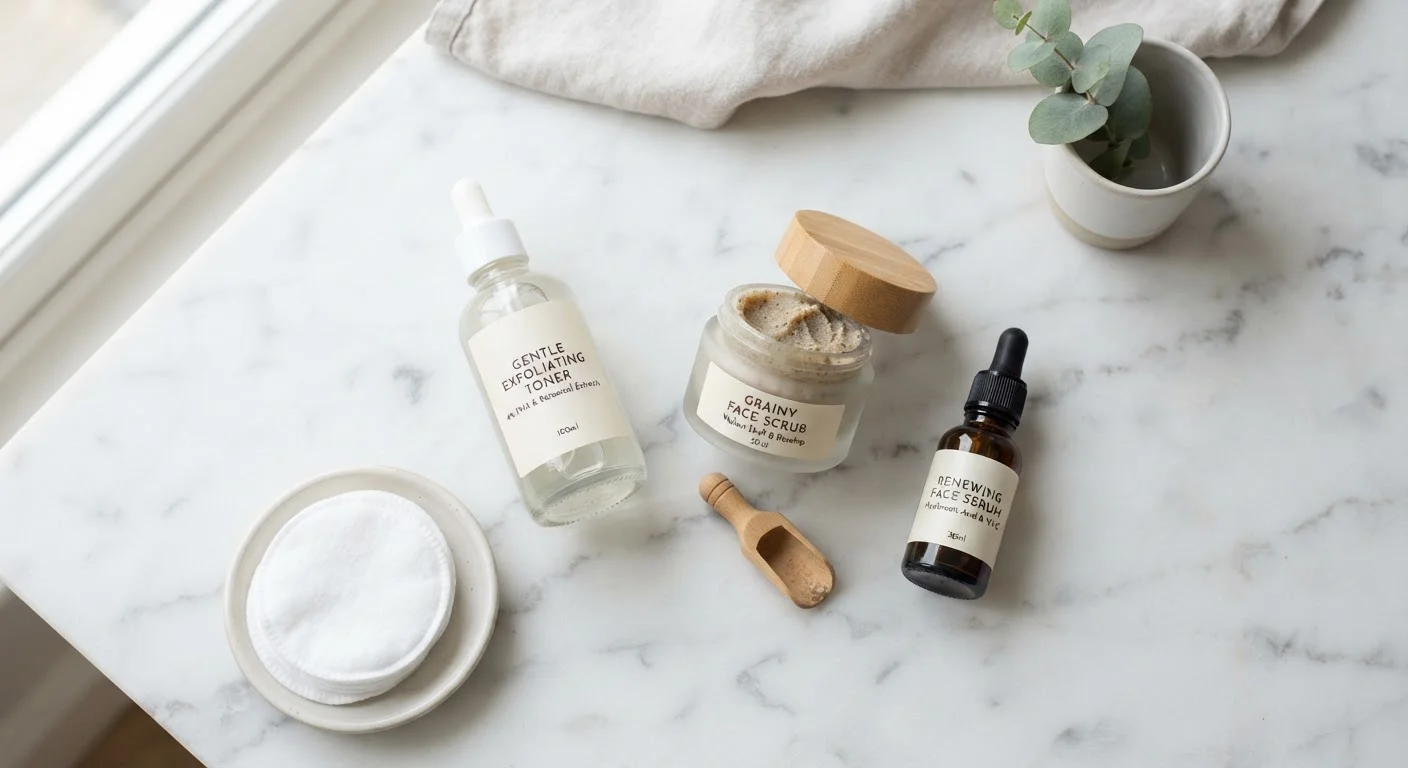
- AHAs (glycolic acid, lactic acid): Chemical exfoliants that work by loosening the bonds between dead skin cells. They increase sun sensitivity, making evening application the safer choice. See this guide on chemical versus physical exfoliation before adding one to your lineup.
- Niacinamide: A form of vitamin B3 that helps regulate oil production and supports barrier function. It's versatile enough for day or night but pairs well with heavier nighttime moisturizers.
- Peptides: Short chains of amino acids that are often found in anti-aging serums. Evening use lets them work during the skin's natural repair window.
Curious about the difference between a serum and an ampoule? This breakdown of concentrated formats can help you choose the right vehicle for active ingredients.
Introduce Actives One at a Time
Adding multiple new ingredients simultaneously makes it nearly impossible to identify what's causing a reaction if irritation occurs. Introduce one new product at a time, wait at least two weeks before adding another, and patch-test on the inside of your wrist or jaw first. If you experience persistent redness, peeling, or discomfort, discontinue use and consult a dermatologist.
This article is for general informational purposes only and is not medical or dermatological advice. If you have a skin condition or concerns about a specific ingredient, consult a qualified dermatologist or healthcare professional.