Why a Simple Routine Actually Works
Social media has convinced many of us that effective skincare requires a 12-bottle shelf and an MBA in cosmetic chemistry. It doesn't. Dermatologists generally agree that a consistent, minimal routine outperforms an elaborate one applied haphazardly. The science is straightforward: your skin responds to regular, gentle support — not to being overwhelmed with actives.
The beauty industry thrives on complexity, but your skin's actual needs are pretty modest. It wants to stay clean, hydrated, and protected from UV damage. Everything else is refinement, not foundation. Starting simple also means fewer variables when something goes wrong — you'll actually know which product is causing a reaction if you're only using three.
Give Any Routine Time to Work
Skin cells turn over roughly every four to six weeks, which means you likely won't see the full effect of a new product until you've used it consistently for at least that long. Resist the urge to swap products after one week — patience is genuinely part of the routine.
The Three Non-Negotiables
Every dermatologist-backed beginner routine builds from the same three pillars:
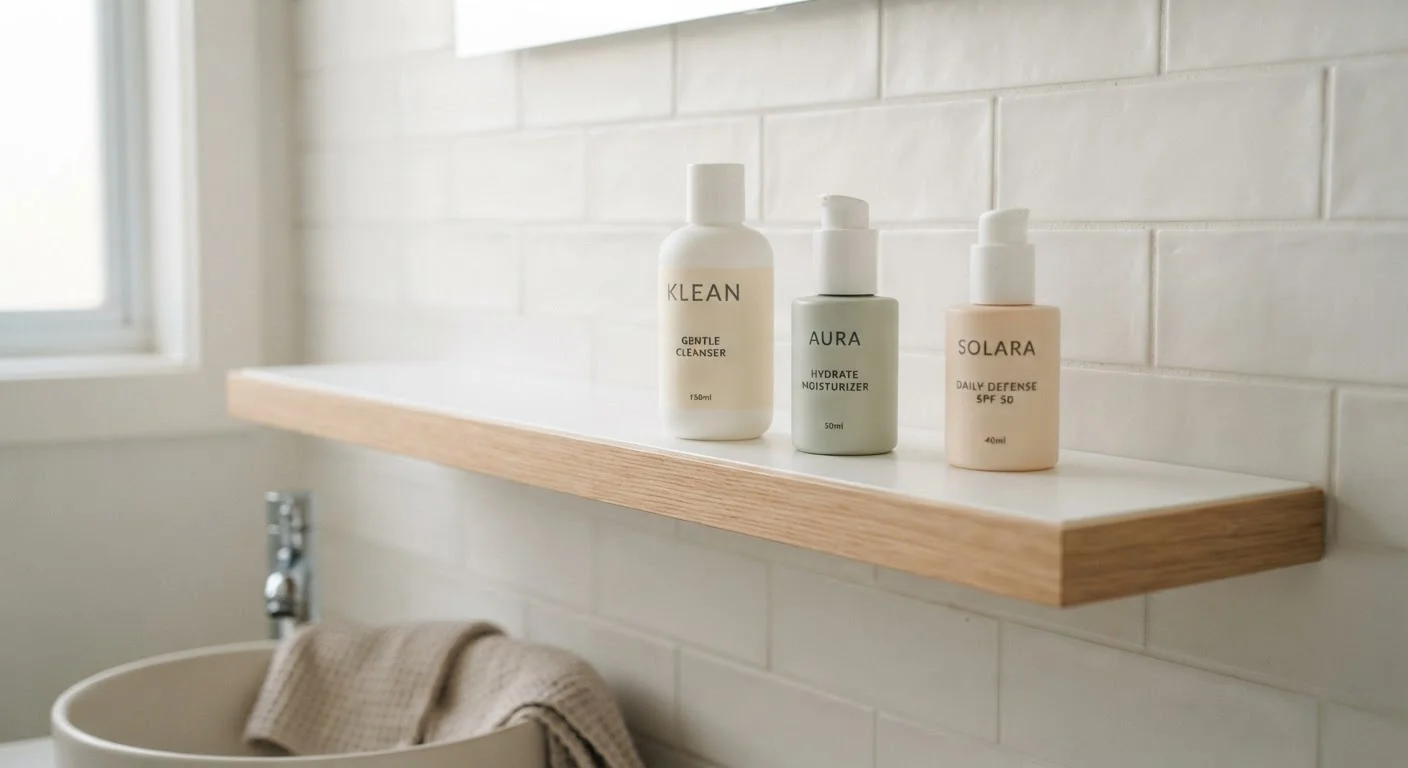
- Cleanser — removes dirt, oil, sweat, and pollution that accumulate throughout the day. A gentle, non-stripping formula is usually right for most skin types.
- Moisturizer — reinforces your skin's barrier, preventing moisture loss and keeping skin resilient. Even oily skin needs hydration; skipping it can cause the skin to overcompensate by producing more oil.
- Broad-spectrum SPF 30 or higher — worn every morning, this is consistently identified by skin health professionals as one of the most impactful long-term habits you can build. UV exposure contributes to both early signs of aging and more serious skin concerns.
If you're building a daytime habit, that's your complete starting lineup. For evenings, the SPF steps out and the other two stay. Check out our evening skincare guide for a deeper look at why nighttime is its own opportunity.
Broad-spectrum SPF
A sunscreen that protects against both UVA (aging) rays and UVB (burning) rays. The SPF number indicates the level of UVB protection; 'broad-spectrum' is what ensures UVA coverage too.
Skin barrier
The outermost layer of your skin that acts like a protective seal, keeping moisture in and irritants out. A healthy barrier means skin that feels comfortable, looks even, and reacts less to products.
Retinoid
A family of vitamin A-derived ingredients used in skincare for their well-researched effects on skin cell turnover. Retinoids range from over-the-counter retinol to prescription-strength tretinoin.
T-zone
The forehead, nose, and chin, which form a T-shape across the face. This area tends to have more oil-producing glands and is commonly oilier than the cheeks in people with combination skin.
Patch test
Applying a small amount of a new product to a discreet area of skin — usually the inner arm or jawline — and waiting 24–48 hours to check for irritation before using it on your full face.
Niacinamide
A form of vitamin B3 used in skincare. It's generally well-tolerated and studied for helping even out skin tone, reducing the appearance of pores, and supporting the skin's barrier.
Know Your Skin Type First
Choosing products without knowing your skin type is a bit like buying shoes without knowing your size — you might get lucky, but you'll probably be uncomfortable. The classic categories are:
- Dry
- Feels tight or rough, may flake. Benefits from richer, cream-based moisturizers.
- Oily
- Looks shiny, pores appear larger. Lightweight, gel-based formulas typically work well.
- Combination
- Oily through the forehead, nose, and chin (the T-zone) but drier on cheeks. May need slightly different approaches for different areas.
- Sensitive
- Reacts easily to ingredients or environmental changes. Fragrance-free, minimal-formula products are usually more comfortable.
You don't need a clinical test — just wash your face, wait 30 minutes, and see what it's doing naturally. If you're dealing with persistent acne, rosacea, eczema, or any concerning skin changes, that's the territory of a licensed dermatologist, not a beginner guide.
This article provides general skincare information and education. It is not medical or dermatological advice. If you have persistent skin concerns, please consult a qualified healthcare professional.
How to Layer Products Correctly
Order matters more than most beginners expect. The rule of thumb is to go from thinnest to thickest texture, allowing each layer to absorb before applying the next. A practical morning sequence looks like this:
- Cleanse with lukewarm water and a gentle cleanser.
- If using a lightweight serum (optional at this stage), apply it to slightly damp skin.
- Follow with moisturizer while skin is still a little damp — this helps lock in hydration.
- Finish with sunscreen as the final step.
Applying sunscreen before moisturizer dilutes its protective film and reduces effectiveness. Applying moisturizer over sunscreen can do the same. The order isn't arbitrary — it reflects how each formula is designed to interact with skin.
Sunscreen Is the Last Morning Step — Always
Many sunscreens are designed to form a film on the skin's surface, and that film needs to be the outermost layer to work as intended. Applying other products on top can physically disrupt this protective barrier. Keep SPF as your morning finale, and let it sit for a minute or two before applying makeup if you wear any.
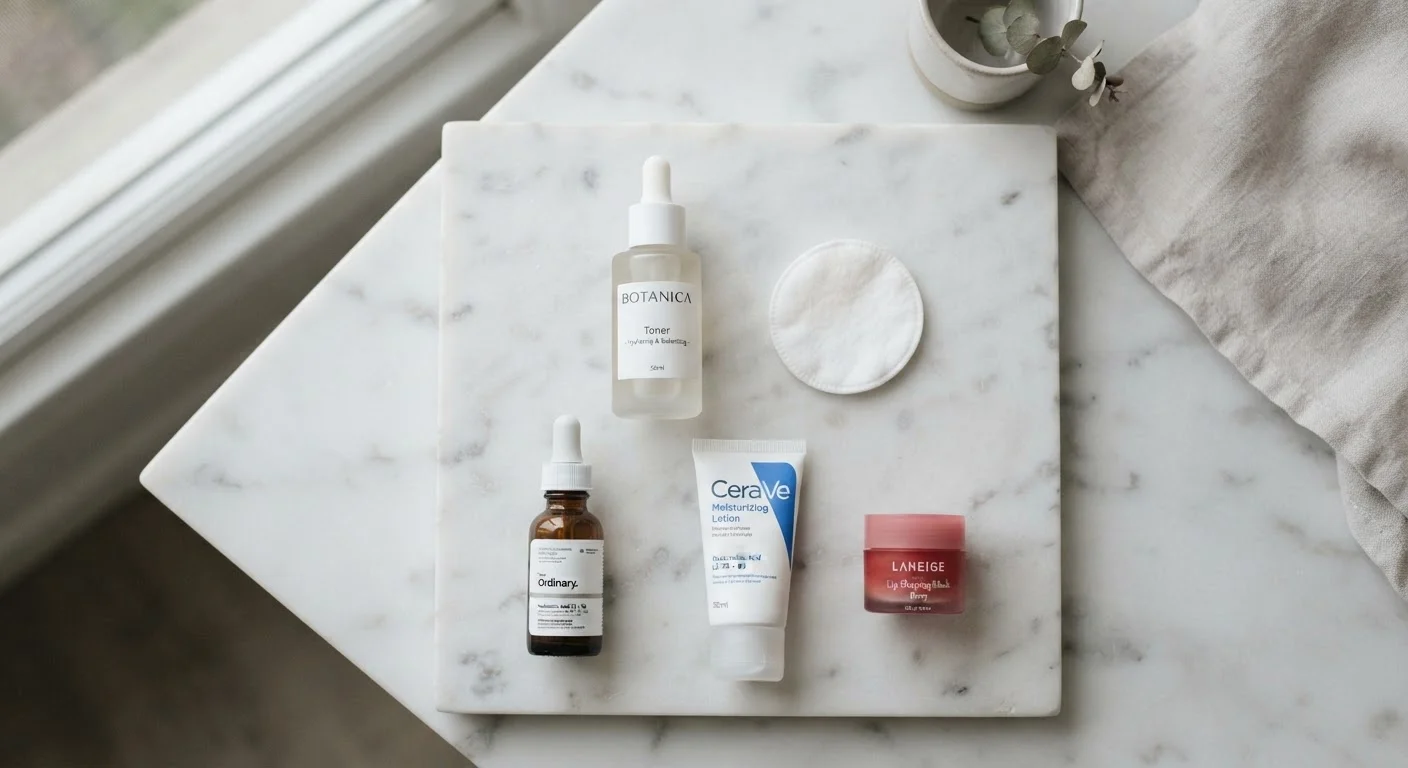
If you're curious about adding a toner to the mix, our guide to what modern toners actually do will help you decide whether it's worth the extra step.
When to Add More (and When Not To)
Once your three-step routine feels effortless — ideally after four to six consistent weeks — you're in a good position to consider additions. Common next-level ingredients include vitamin C (a daytime antioxidant), niacinamide (which helps with uneven tone and pore appearance), and retinoids (a vitamin A derivative with strong evidence for supporting skin renewal, though they require a gradual introduction and sometimes a prescription).
The key word is gradual. Introducing multiple new products at once makes it impossible to identify what's helping or hurting. Add one product, use it for a few weeks, and assess honestly before moving on.
Don't Layer Too Many Actives at Once
Certain ingredient combinations — like retinoids with exfoliating acids, or vitamin C with niacinamide in high concentrations — can cause irritation or reduce each other's effectiveness. When adding new actives, introduce one at a time and research how it interacts with what you already use. When in doubt, a dermatologist can help you sequence them safely.
A more complex routine isn't automatically a better one — and it's certainly a more expensive one. The same philosophy applies to makeup: a curated few items, used well, consistently beat an overcrowded collection. Your future self's skin will thank you for starting steady rather than starting spectacular.