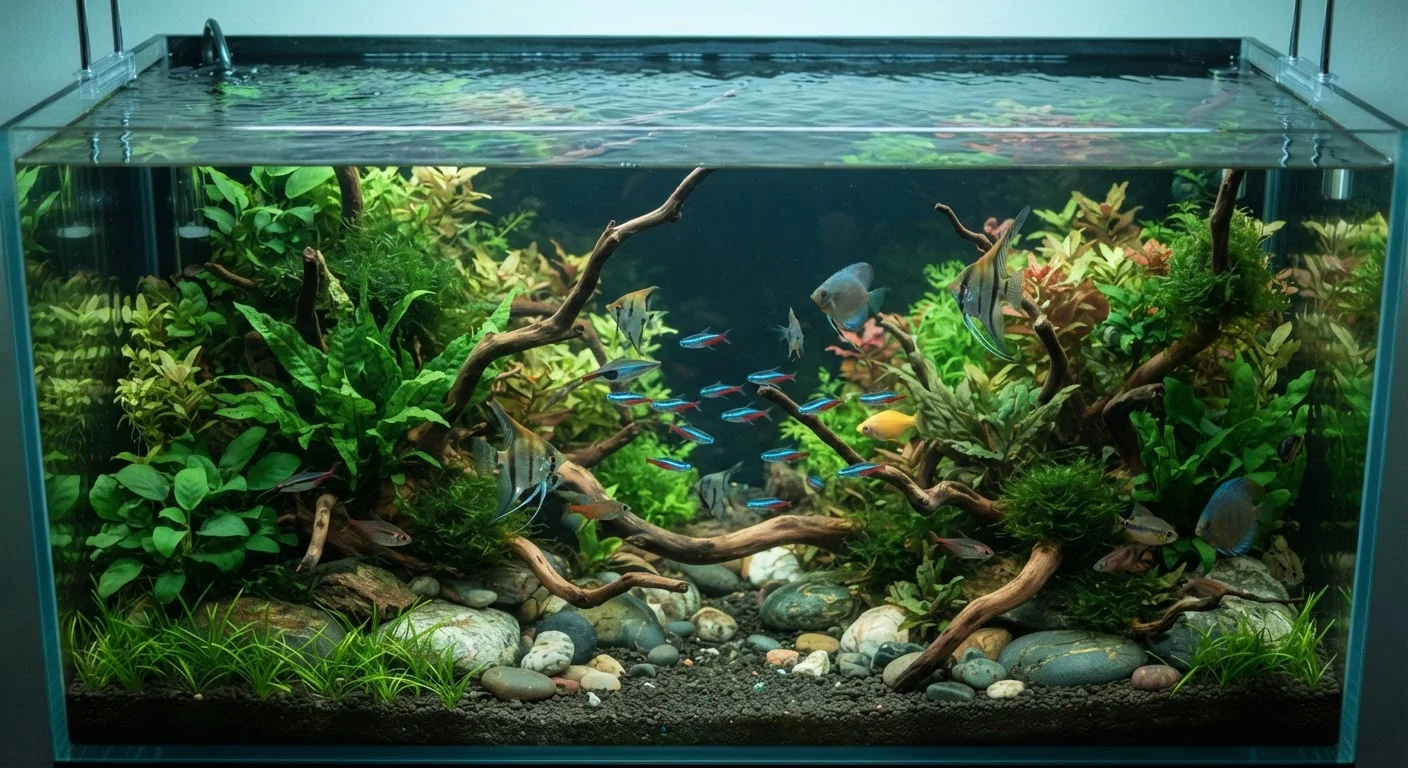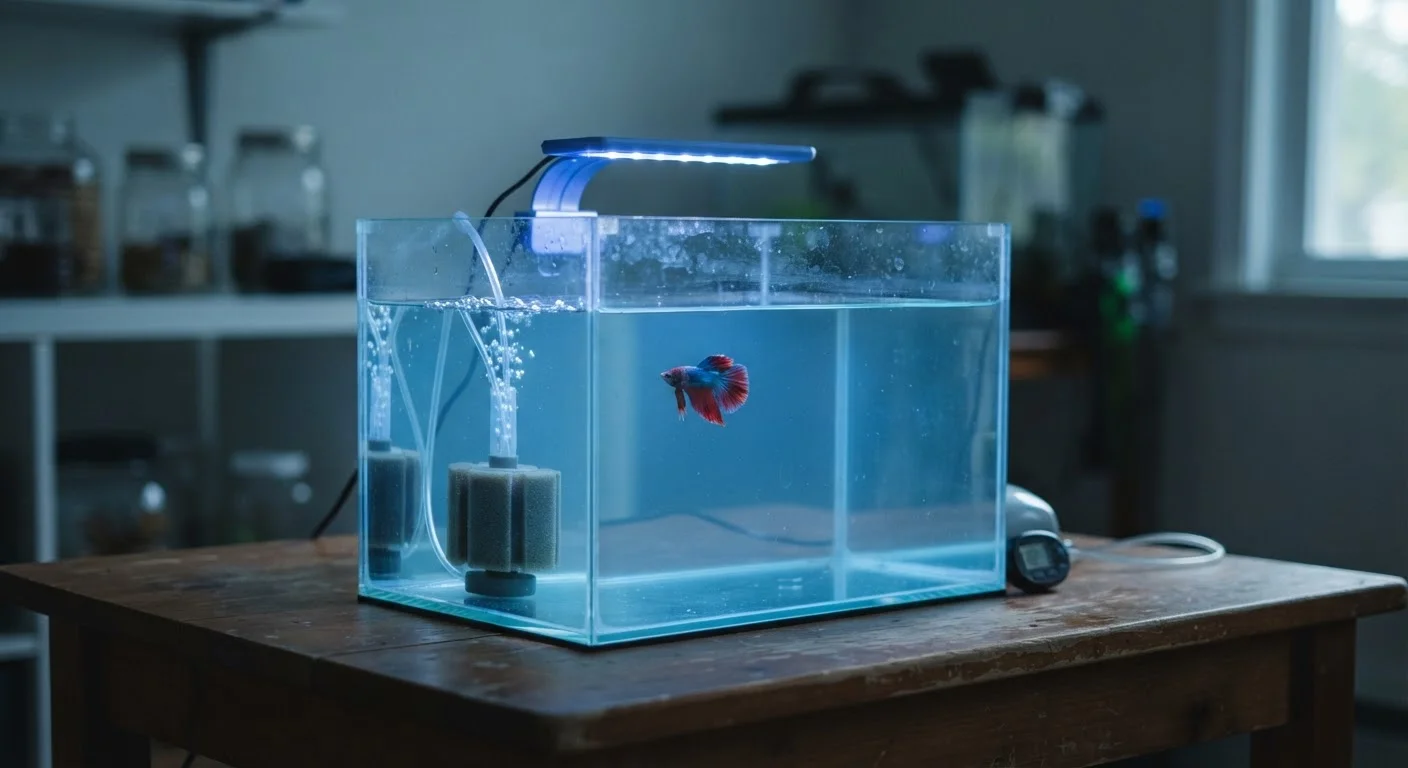
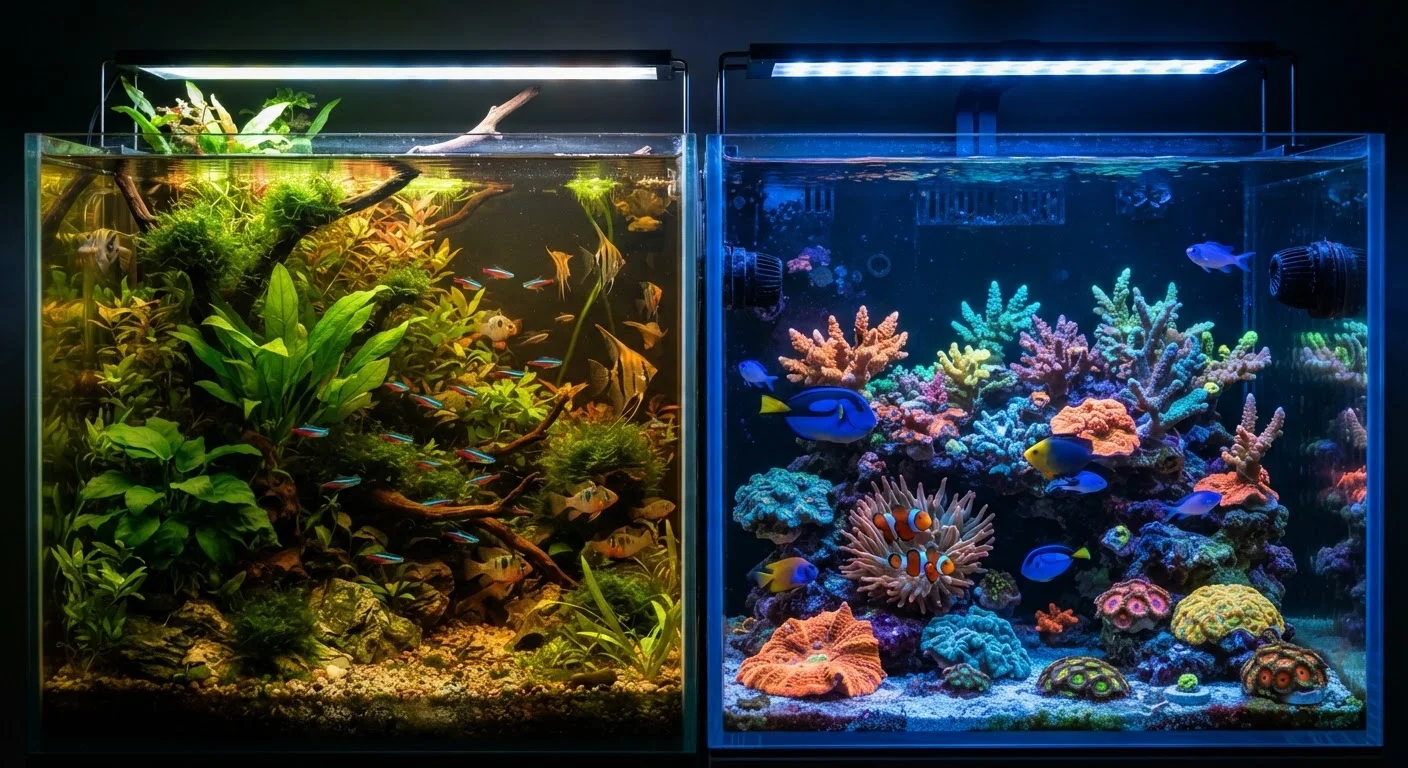
Setup Costs and Equipment Demands
The initial investment is one of the starkest differences between freshwater and saltwater systems. A basic freshwater tank — including the aquarium, filter, heater, lighting, substrate, and a few starter fish — can often be assembled for a few hundred dollars. Saltwater setups, by contrast, typically require a protein skimmer, live rock, specialized lighting for corals, a more powerful filtration system, and a reliable source of saltwater mix or a reverse osmosis unit. Entry-level marine setups routinely run two to four times the cost of a comparable freshwater system before a single fish is added.
Ongoing equipment expenses follow a similar pattern. Saltwater tanks demand consistent monitoring with test kits for parameters like salinity, alkalinity, calcium, and magnesium — especially if you plan to keep corals. Freshwater tanks primarily require monitoring for ammonia, nitrite, nitrate, and pH, which are important but generally easier to stabilize once the tank is properly cycled.
| Criterion | Freshwater Aquariums | Saltwater Aquariums |
|---|---|---|
| Typical startup cost | Lower — often $100–$400 | Higher — often $400–$1,500+ |
| Water parameter complexity | Moderate — 4–5 key parameters | High — 7+ interdependent parameters |
| Species hardiness | Generally hardy and forgiving | Sensitive to environmental changes |
| Species sourcing | Mostly captive-bred | Often wild-caught |
| Maintenance time (weekly) | 2–4 hours for most setups | 4–8+ hours for marine/reef tanks |
| Visual impact potential | High (especially planted tanks) | Exceptional (coral reef displays) |
| Recommended experience level | Beginner-friendly | Intermediate to advanced |
Water Chemistry and Maintenance Complexity
Both tank types depend entirely on a stable nitrogen cycle — the biological process that converts toxic fish waste into less harmful compounds. Understanding this process before stocking any fish is non-negotiable regardless of which system you choose. See what a healthy fish tank actually requires for a detailed breakdown of cycling, stocking levels, and the parameters that keep fish alive long-term.
Saltwater systems amplify the consequences of water chemistry mistakes. Marine fish and invertebrates evolved in the ocean's remarkably stable conditions, making them far less tolerant of parameter swings than most freshwater species. A sudden salinity shift or alkalinity crash can stress or kill marine animals within hours. Freshwater fish — particularly livebearers, tetras, and cichlids — generally tolerate gradual fluctuations better, giving owners more time to identify and correct problems.
Both Systems Punish Rushing
One of the most common mistakes in both freshwater and saltwater fishkeeping is adding fish before the tank has fully cycled — a process that typically takes four to eight weeks. Skipping or shortcutting this step leads to ammonia spikes that are stressful and often lethal for fish. Patience during the cycling phase is the single most protective step a new aquarist can take, regardless of which system they choose.
Routine water changes remain essential in both systems, typically 10–25% of tank volume weekly or biweekly. Saltwater changes require mixing and conditioning new salt water in advance, adding preparation time to every maintenance session.
Species Variety and Sourcing Considerations
Freshwater fishkeeping offers an enormous variety of species — from guppies and bettas to discus, angelfish, and dozens of catfish and loach species. The vast majority are captive-bred, meaning they arrive in better health, are more accustomed to aquarium conditions, and carry fewer pathogens than wild-caught animals.
Marine fishkeeping opens access to some of the ocean's most visually spectacular animals — clownfish, tangs, gobies, wrasses, and a wide range of invertebrates and corals. However, a significant portion of marine fish are still collected from wild reefs, which raises both ethical sourcing questions and practical care challenges. Wild-caught fish are more easily stressed and more prone to introducing disease into an established system. This makes quarantine procedures critical before any new marine addition joins your display tank — a step that applies equally to freshwater but is especially high-stakes in marine setups. Quarantining a new fish properly is one of the most important practices most beginners overlook in both environments.
~700+
Freshwater fish species commonly kept in home aquariums
Estimates from aquarium industry surveys suggest several hundred to over 700 species are regularly available to hobbyists in the U.S. market.
~1,800
Marine fish species documented in the aquarium trade
According to published trade analyses, marine fishkeeping draws from a vast pool of coral reef species, though availability and sustainability vary widely.
4–8 weeks
Typical nitrogen cycle completion time for new tanks
Both freshwater and saltwater systems require this biological maturation period before the tank can safely support fish.