Why the Annual Wellness Visit Is More Than a Shot Appointment
Many dog owners think of the yearly vet visit primarily as a time to update vaccinations. In reality, vaccinations are just one component of a comprehensive physical exam that covers your dog's entire body. Vets use this appointment to establish a health baseline, catch early signs of disease, and update preventive care — all at once.
For dogs with no obvious symptoms, an annual visit is often the only opportunity a veterinarian has to identify problems before they become serious. Conditions like early-stage dental disease, heart murmurs, weight changes, and lumps can all be caught during a routine exam when an owner might not yet notice anything wrong at home.
If you have a new dog or are still learning what consistent care looks like, the first-dog guide covers how to build healthy vet habits from the start. For dogs over seven, annual visits may shift to biannual — see how senior dogs' care needs change for more detail.
This article provides general educational information about veterinary wellness visits. It is not a substitute for personalized veterinary advice. Always consult your licensed veterinarian for guidance specific to your dog's health.
What to Bring and How to Prepare
A little preparation before the appointment allows the vet to focus on your dog rather than tracking down background information. Gather the following before you go:
Vaccination records
Allows the vet to confirm which vaccines are current and identify what's due.
Fresh stool sample
Used to screen for intestinal parasites during the fecal exam.
Written list of observations and questions
Ensures you don't forget key symptoms or concerns during the appointment.
Current medication and supplement list
Helps the vet check for interactions and confirm preventive dosing is appropriate.
Recent photos or video clips
Useful if your dog shows an intermittent symptom — like a limp or unusual gait — that may not appear in the clinic.
Write down any behavioral or physical changes you've noticed since the last visit — changes in appetite, thirst, energy level, elimination habits, or coat condition are all worth mentioning. Vets work best with specific observations, so even small details are useful.
What Vets Examine During a Wellness Visit
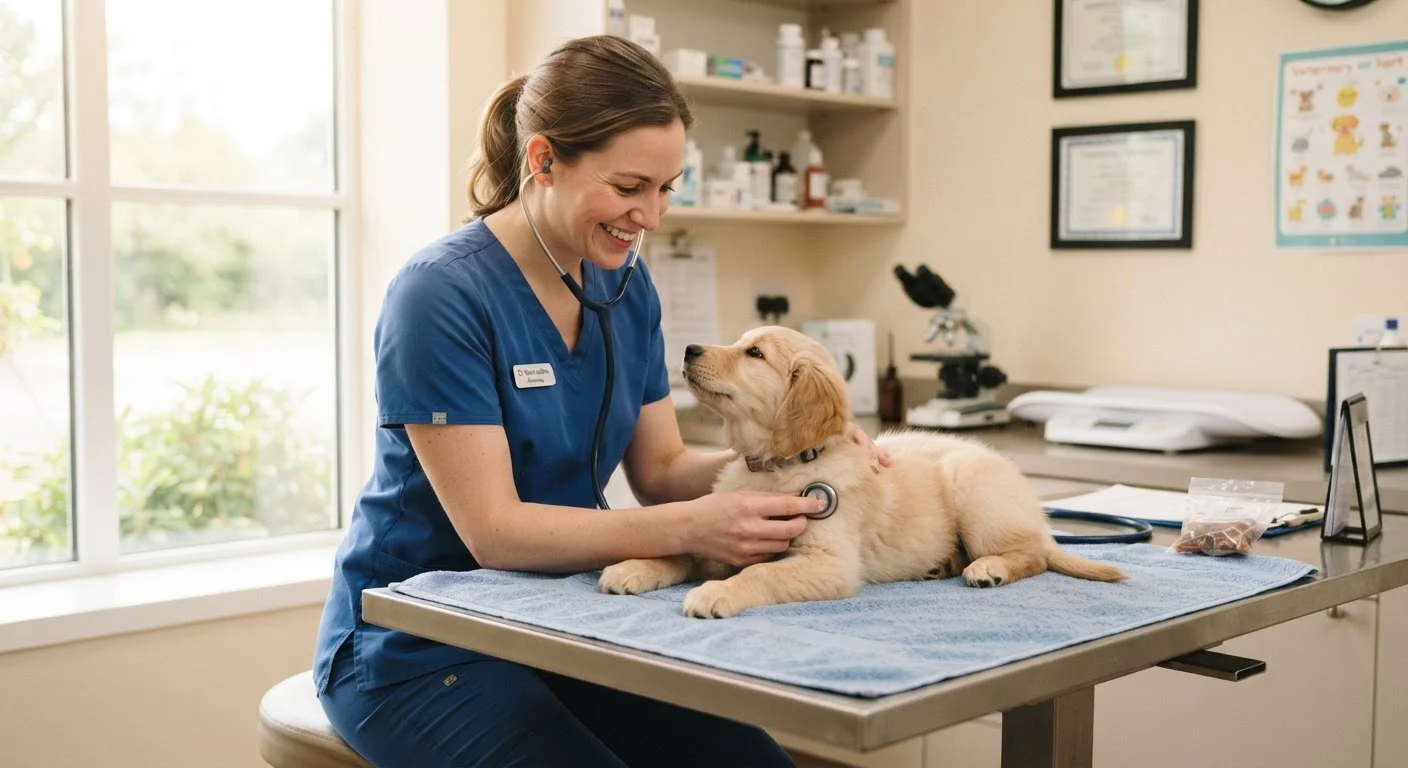
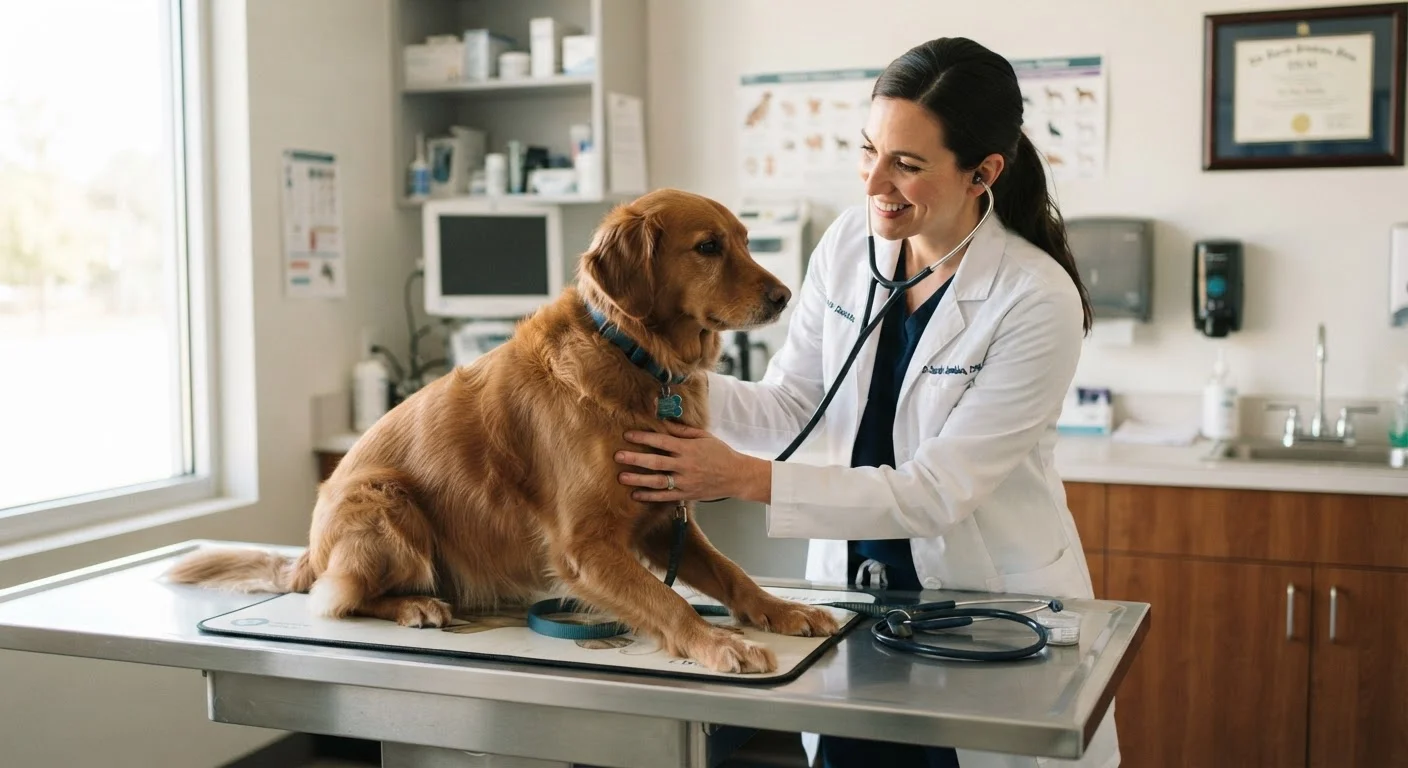
A standard wellness exam follows a systematic head-to-tail approach. Each area gives the veterinarian information that contributes to the overall picture of your dog's health.
Owner Preparation
Head and Sensory Organs
Body Systems and Physical Condition
Preventive Care Updates
Vaccinations are reviewed and updated as needed based on your dog's age, lifestyle, and risk exposure. If you want a deeper understanding of which vaccines are considered core versus optional, the dog vaccination schedule overview explains the full timeline for puppies and adults.
Don't Skip Visits When Your Dog Seems Fine
Many dogs mask discomfort instinctively, making it difficult for owners to detect early health changes at home. Skipping annual visits because your dog appears healthy can mean conditions like dental disease, thyroid disorders, or early organ changes go undetected until they require more intensive treatment. Preventive care is most effective when it's consistent, not reactive.
Questions Worth Asking Before You Leave
The exam itself tells the vet a great deal, but your observations at home are equally valuable. Use the appointment as a two-way conversation. Some questions that tend to surface useful information:
- Is my dog's current weight appropriate for their breed and age? Vets can advise on portion adjustments if needed.
- Are there any early signs of dental disease? Dental health is one of the most overlooked aspects of dog care — ask what a home care routine should include.
- Is my parasite prevention up to date and appropriate for where we live? Regional parasite risk varies significantly.
- Are there any lumps, bumps, or skin changes I should monitor? Get clarity on what warrants a follow-up call versus a return visit.
- Does my dog's coat or skin look healthy? This connects to both nutrition and grooming — the year-round grooming routine guide covers what consistent coat care looks like between visits.
If Something Seems Off Between Visits, Don't Wait
An annual checkup is not a substitute for urgent care. If your dog shows sudden changes in behavior, appetite, breathing, or mobility — or if you notice vomiting, diarrhea, or pain lasting more than 24 hours — contact your veterinarian promptly rather than waiting for a scheduled appointment. Early intervention consistently leads to better outcomes.