Core vs. Non-Core Vaccines: Know the Difference
Veterinary guidelines divide canine vaccines into two categories: core and non-core. Understanding this distinction helps you have a more informed conversation with your vet.
Core vaccine
A vaccine recommended for all dogs regardless of lifestyle because the target disease is widespread, serious, or transmissible to humans.
Non-core vaccine
A vaccine recommended selectively based on a dog's geographic location, environment, or activity level rather than universal risk.
DA2PP / DHPP
A combination vaccine protecting against Distemper, Adenovirus (Hepatitis), Parvovirus, and Parainfluenza — given as a single injection.
Titer test
A blood test that measures the level of antibodies in a dog's system to help determine whether existing immunity is sufficient before revaccinating.
Booster
A follow-up dose of a vaccine given after the initial series to refresh or extend immunity over time.
Core vaccines are recommended for every dog, regardless of lifestyle, because the diseases they prevent are widespread, severe, or pose a public health risk. The standard core vaccines for dogs include:
- Distemper — a serious viral illness affecting the respiratory, gastrointestinal, and nervous systems
- Parvovirus — a highly contagious and potentially fatal disease, especially in puppies
- Adenovirus (Hepatitis) — protects against infectious canine hepatitis
- Rabies — legally required in most U.S. states; fatal to both dogs and humans
The first three are typically administered together in a combination shot commonly called the DA2PP or DHPP vaccine.
Non-core vaccines are given based on a dog's individual risk factors — where they live, their activities, and their exposure to other animals. Common non-core vaccines include Bordetella (kennel cough), Leptospirosis, Lyme disease, and Canine Influenza. Your veterinarian can help determine which, if any, are appropriate for your dog.
Puppy Vaccination Timeline
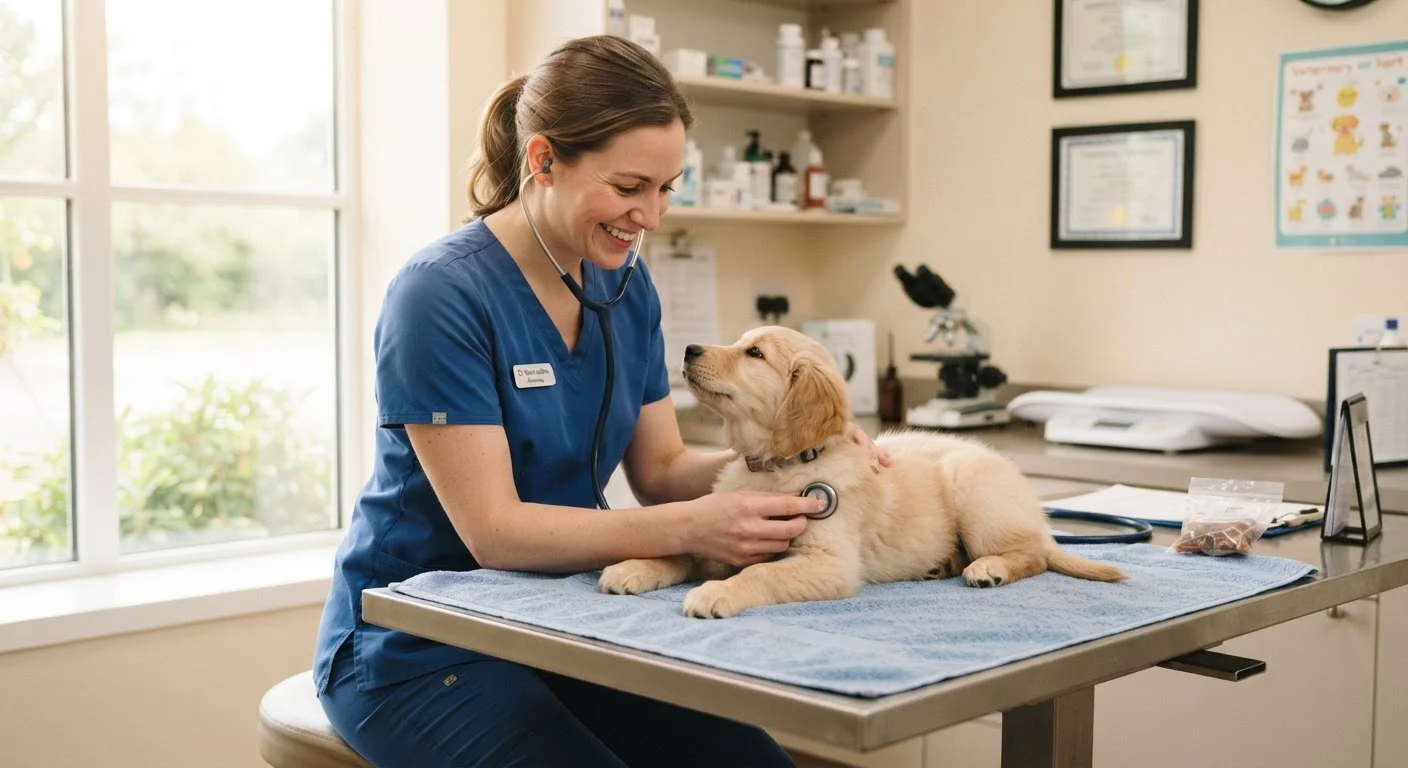
Puppies need a series of vaccines — not just one — because maternal antibodies gradually decline and a single dose may not produce full immunity. The series typically follows this general schedule:
| First puppy vaccines | 6–8 weeks of age (DA2PP series begins) (American Animal Hospital Association (AAHA) Canine Vaccination Guidelines) |
| Frequency of puppy boosters | Every 2–4 weeks until 16+ weeks old (AAHA Canine Vaccination Guidelines) |
| Rabies vaccine timing | 12–16 weeks, per local law (Varies by state and municipality) |
| Core series completion | At or after 16 weeks of age (AAHA Canine Vaccination Guidelines) |
| Adult DA2PP booster interval | Every 3 years after the first annual booster (AAHA Canine Vaccination Guidelines) |
During this window, it's worth knowing that socialization is also happening rapidly. See our guide to the puppy socialization window for how to balance safe exposure with incomplete vaccination status.
Most vets consider a puppy's core series complete after a booster is given at or after 16 weeks of age. A rabies vaccine is typically given between 12 and 16 weeks, depending on local regulations. Your vet will customize the exact timing based on your puppy's health and history.
Adult Dog Boosters and Ongoing Protection
Vaccination doesn't end after puppyhood. Adult dogs need boosters to maintain immunity over time. Here's a general framework:
- DA2PP (core combination): A booster is given one year after the puppy series, then typically every 3 years for healthy adult dogs.
- Rabies: Given one year after the initial puppy dose, then every 1 to 3 years depending on the vaccine used and local law.
- Non-core vaccines: Bordetella and Leptospirosis, for example, are often recommended annually if your dog is at ongoing risk.
Titers as an Alternative to Routine Boosters
Some veterinarians offer titer testing as a way to assess a dog's existing immunity before automatically administering a booster. While not a replacement for rabies vaccination (which is legally required), titers can help inform decisions about non-rabies core vaccines in certain dogs. Discuss this option with your vet to see whether it's appropriate for your pet.
Vaccination discussions are just one part of a broader annual wellness visit. Our overview of what goes into a dog's annual wellness visit explains the full picture of what vets assess each year.
If you've adopted an adult dog with unknown vaccine history, your vet may recommend restarting a series or running titer tests — blood tests that measure existing antibody levels — to help determine next steps.
This article provides general educational information about canine vaccination. It is not a substitute for personalized veterinary advice. Always consult a licensed veterinarian to determine the appropriate vaccination plan for your individual dog.