
Why Exclusions Are the Most Misunderstood Part of Any Policy
Most people buy insurance expecting it to cover the unexpected. What they often don't anticipate is that the policy itself draws a clear line between what qualifies as covered and what doesn't — and that line is defined by exclusions.
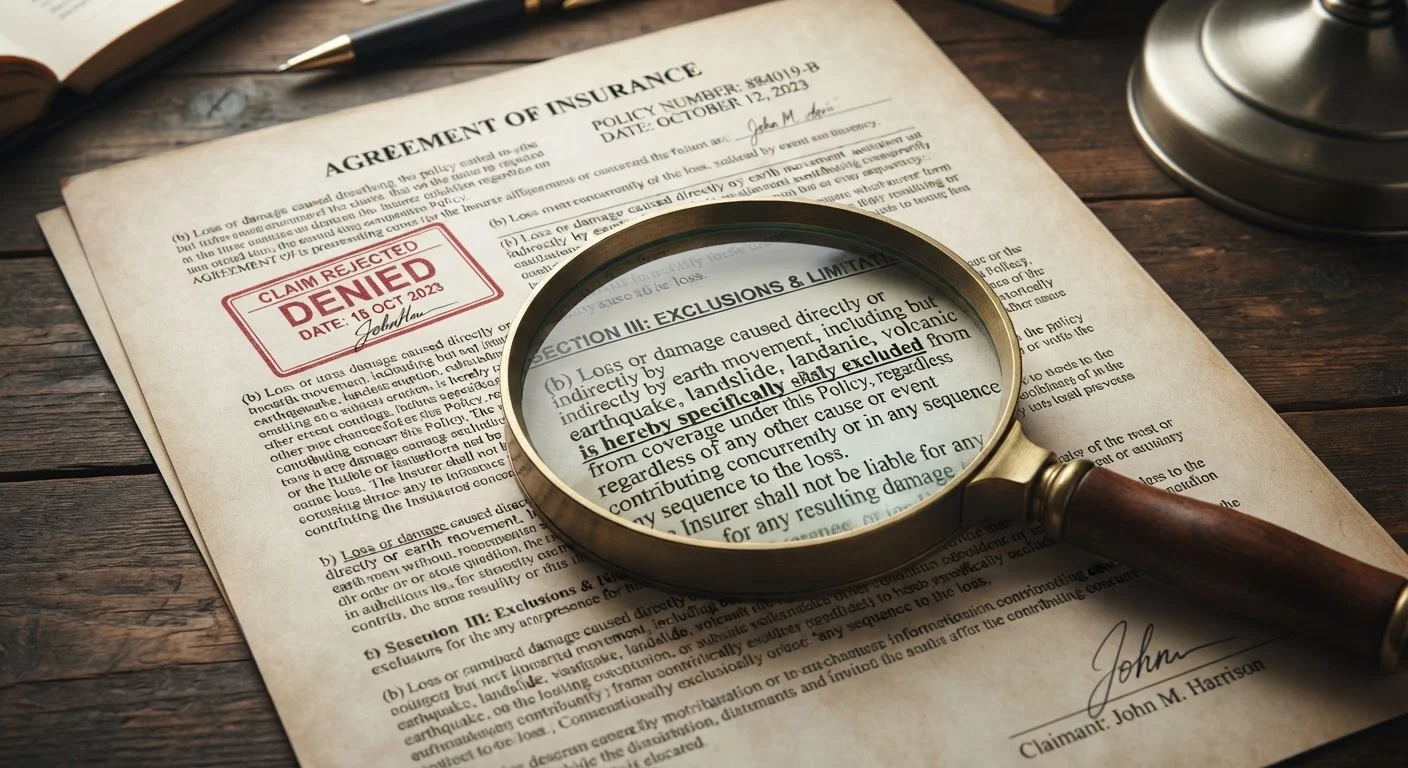
An exclusion isn't a loophole or a trick. It's a contractual term that limits where the insurer's obligation begins and ends. The problem is that most policyholders read the summary materials, not the full document. When a claim is filed, the exclusions section becomes very relevant, very quickly.
Understanding exclusions before you need to file a claim — rather than after — is one of the most practical steps any policyholder can take. See the policy terms every insured person should know for a plain-English breakdown of how these clauses fit into the broader policy structure.
Exclusions Are Not the Same as Limits
A coverage limit caps how much your insurer will pay for a covered loss. An exclusion removes that loss from coverage entirely — no payment is possible regardless of the amount. These are two different concepts, and confusing them is a common mistake. For more on how limits work, see coverage limits vs. policy limits.
Common Exclusions Across Major Policy Types
While every policy is different, certain exclusions appear consistently across the industry. Knowing which ones are most common helps you ask the right questions when reviewing your own coverage.
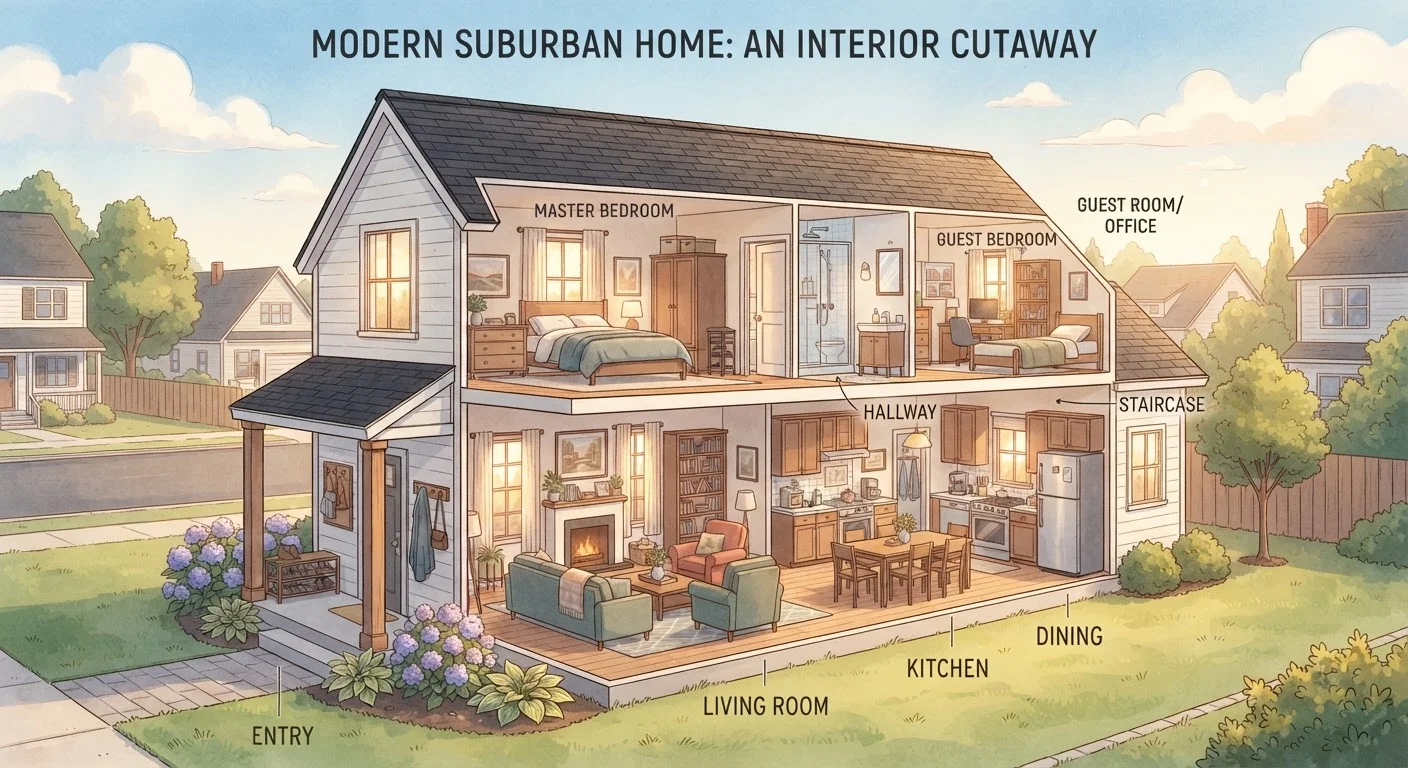
Homeowners Insurance
- Flooding: Standard homeowners policies do not cover flood damage, regardless of the cause. Separate flood coverage is required.
- Earthquakes: Seismic damage is excluded by most standard policies and requires a separate endorsement or policy.
- Wear and tear: Gradual deterioration, rot, and maintenance-related damage are not covered events.
- Intentional acts: Damage you or a household member causes deliberately is excluded across virtually all policy types.
Auto Insurance
- Mechanical breakdown: Standard auto policies don't cover engine or transmission failures from normal use.
- Using a vehicle for business: Personal auto policies typically exclude losses that occur while using the vehicle commercially.
Health Insurance
- Cosmetic procedures: Elective cosmetic treatments are generally excluded unless medically necessary.
- Experimental treatments: Procedures not yet approved or recognized as standard of care may be denied.
For a deeper look at how these exclusions play out in a homeowners policy specifically, see what a standard homeowners policy includes and excludes.
~40%
Homeowners without flood insurance
Industry estimates suggest a large majority of U.S. homeowners lack separate flood coverage, even in moderate-risk areas, leaving them exposed to a commonly excluded peril.
1 in 4
Small businesses affected by a covered loss annually
According to insurance industry research, roughly one in four small businesses will experience a covered property or liability loss in any given year — making exclusion awareness especially important.
Top reason
Why property claims are denied
Policy exclusions — including flood, wear and tear, and intentional acts — are among the most frequently cited reasons insurers deny property insurance claims.
How to Read the Exclusions Section Without Getting Lost
Insurance policy language can feel dense, but the exclusions section follows a predictable structure once you know what to look for. Here's how to approach it.
- Start with the insuring agreement. This section states what is broadly covered. Exclusions then narrow that coverage, so you need to understand the starting point first.
- Read each exclusion literally. Courts generally interpret policy language according to its plain meaning. If an exclusion says "surface water," it means surface water — not just rivers or lakes.
- Look for exceptions to the exclusions. Some policies include sub-clauses that bring certain excluded items back in. These are sometimes called "exceptions to exclusions" and they matter.
- Ask about endorsements. Some exclusions can be removed or modified for an additional premium. A licensed agent can clarify which ones apply to your situation.
If a claim has already been denied, understanding why claims get denied can help you connect the denial reason to the specific policy clause involved.
Request a Coverage Review Before You Need to File
Ask your insurance agent to walk through the exclusions in your current policies during your next renewal conversation. Explain the specific risks most relevant to your property, location, and lifestyle. This kind of proactive review often surfaces gaps — like a missing flood or earthquake endorsement — that would otherwise go unnoticed until a claim is filed.
Filling the Gaps Exclusions Create
Identifying what your policy excludes is only useful if you take the next step: determining whether that gap matters for your situation and whether it can be addressed.
Some excluded risks are manageable through separate products. Flood insurance, earthquake coverage, and umbrella liability policies all exist precisely because standard policies leave those exposures uncovered. Policy riders and endorsements are another common mechanism — they let you modify a base policy to include coverage that would otherwise be excluded.
Not every gap needs to be filled with a new policy. Some excluded risks are low-probability events in your area, or losses you could manage financially without insurance. The point isn't to buy coverage for everything — it's to make that decision consciously, with full knowledge of what your current policy does and doesn't do.
For a broader view of how gaps form across a coverage portfolio, insurance coverage gaps explained walks through the most common patterns and why they tend to go unnoticed until it's too late.
This article is for general informational purposes only and does not constitute personalized insurance, legal, or financial advice. Policy terms, exclusions, and coverage options vary by insurer and by state. Always read your actual policy documents and consult a licensed insurance agent or adviser before making coverage decisions.