
Where Coverage Gaps Come From
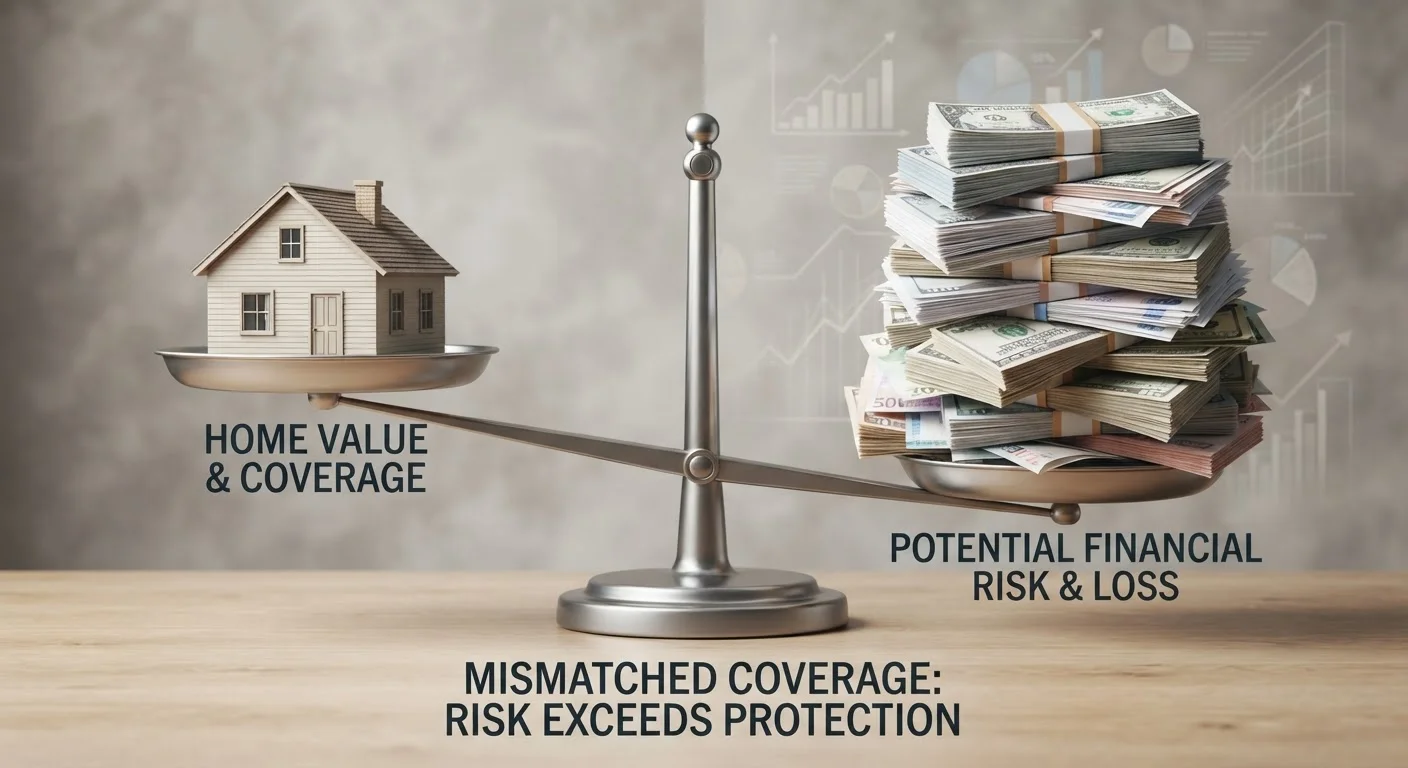
Most people assume that buying a policy means they're covered. In practice, every insurance policy has boundaries — events it won't pay for, dollar limits it won't exceed, and time frames it applies to. When a loss falls outside those boundaries, the result is a coverage gap.
There are four common sources of gaps:
- Exclusions: Language in a policy that specifically removes certain events from coverage. Flood damage is excluded from most standard homeowners policies, for example. Understanding policy exclusions is one of the most effective ways to spot gaps before a claim happens.
- Insufficient limits: A policy pays up to a ceiling. If your loss exceeds that ceiling, the remainder is your problem. Coverage limits that don't match your actual risk are a common and often overlooked gap.
- Missing policy types: You may own a home and a car but have no disability or umbrella coverage. Those absent policy types leave entire categories of risk unaddressed.
- Coordination failures: When two policies overlap, each may expect the other to pay first. If neither responds, the gap falls on you.
Gaps Vary by State and Policy Type
Insurance is regulated at the state level, which means what's required, what's excluded, and what's available can differ significantly depending on where you live. A gap that's common in one state may be addressed by a mandated coverage requirement in another. Always review your actual policy documents and local requirements rather than relying on general rules of thumb.
Why Gaps Often Go Unnoticed Until It's Too Late
Insurance is easy to set and forget. Policies renew automatically, life circumstances change, and few people read their full policy documents. That combination means gaps quietly widen without any immediate warning.
A homeowner who renovates and adds significant value to their property may not update their dwelling coverage limit. A freelancer who leaves an employer-sponsored health plan may experience a gap between the old plan ending and a new one starting. A renter who borrows a friend's car may not realize their personal auto policy has restrictions on non-owned vehicles.
The core coverage types that apply to your life — health, auto, home or renters, life, and liability — each carry their own gap risks. Understanding how they work individually is a starting point for seeing where protection ends.
Schedule an Annual Coverage Review
Life changes — home values increase, families grow, income rises, and new risks appear. Set a reminder each year to review your active policies against your current situation. Policy renewal time is a natural checkpoint, but you don't have to wait for it. Even a 30-minute review can surface gaps you didn't know existed.
Real Consequences of Unprotected Exposure
A coverage gap isn't just a theoretical problem. It translates directly into out-of-pocket financial exposure at exactly the moment you're least prepared for it — after an accident, an illness, a lawsuit, or a disaster.
The financial impact can range from a manageable deductible-sized bill to a loss large enough to affect long-term financial stability. Liability gaps are particularly consequential because there is often no upper ceiling on what you could owe another person.
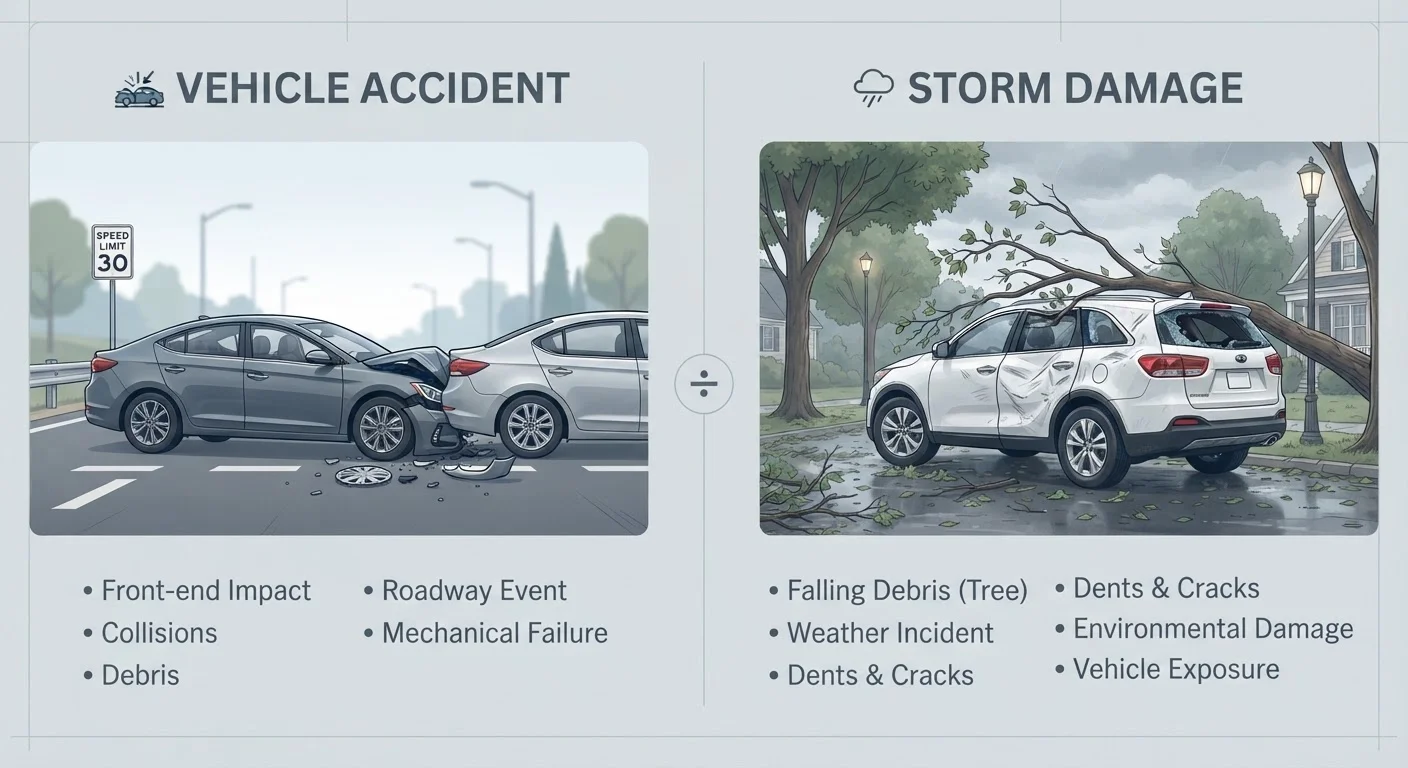
It's also worth noting that coverage types interact. Liability and comprehensive coverage serve different purposes, and a gap in one doesn't get filled by the other. Understanding where each policy's responsibilities begin and end matters.
40%
U.S. adults without disability income insurance
According to the Council for Disability Awareness, a significant share of American workers have no income replacement if they become unable to work due to illness or injury.
1 in 6
Homeowners in flood-prone areas without flood insurance
FEMA data consistently shows that a large portion of properties in moderate-to-high flood zones carry no flood insurance policy, leaving owners exposed to uninsured losses.
How to Start Assessing Your Own Gaps
You don't need to be an expert to do a basic coverage review. A structured approach helps.
- List every policy you currently hold and what it covers at a high level.
- Identify the risks you face — your health, property, income, vehicles, and any legal exposure from your activities or profession.
- Compare the two lists. Are there risks with no corresponding policy? Are any limits significantly lower than the value at stake?
- Read the exclusions section of your most important policies. This is where many surprises live.
- Talk to a licensed insurance agent or broker. They can review your full picture and flag gaps you may have missed.
If your situation involves health plan types, the structure of your plan shapes what's covered and what isn't. How HMO and PPO plans differ in access and cost is a useful reference when reviewing health coverage gaps specifically.
For a broader grounding in how policies are structured, the policy essentials hub covers key terms, limits, and how claims work — all useful context when you're reading your own documents.
This article is for general informational purposes only and does not constitute personalized insurance, financial, or legal advice. Coverage terms, exclusions, and regulations vary by provider and state. Read your actual policy documents carefully and consult a licensed insurance professional for guidance specific to your situation.