Why the Policy Form Type Is More Important Than Most People Realize
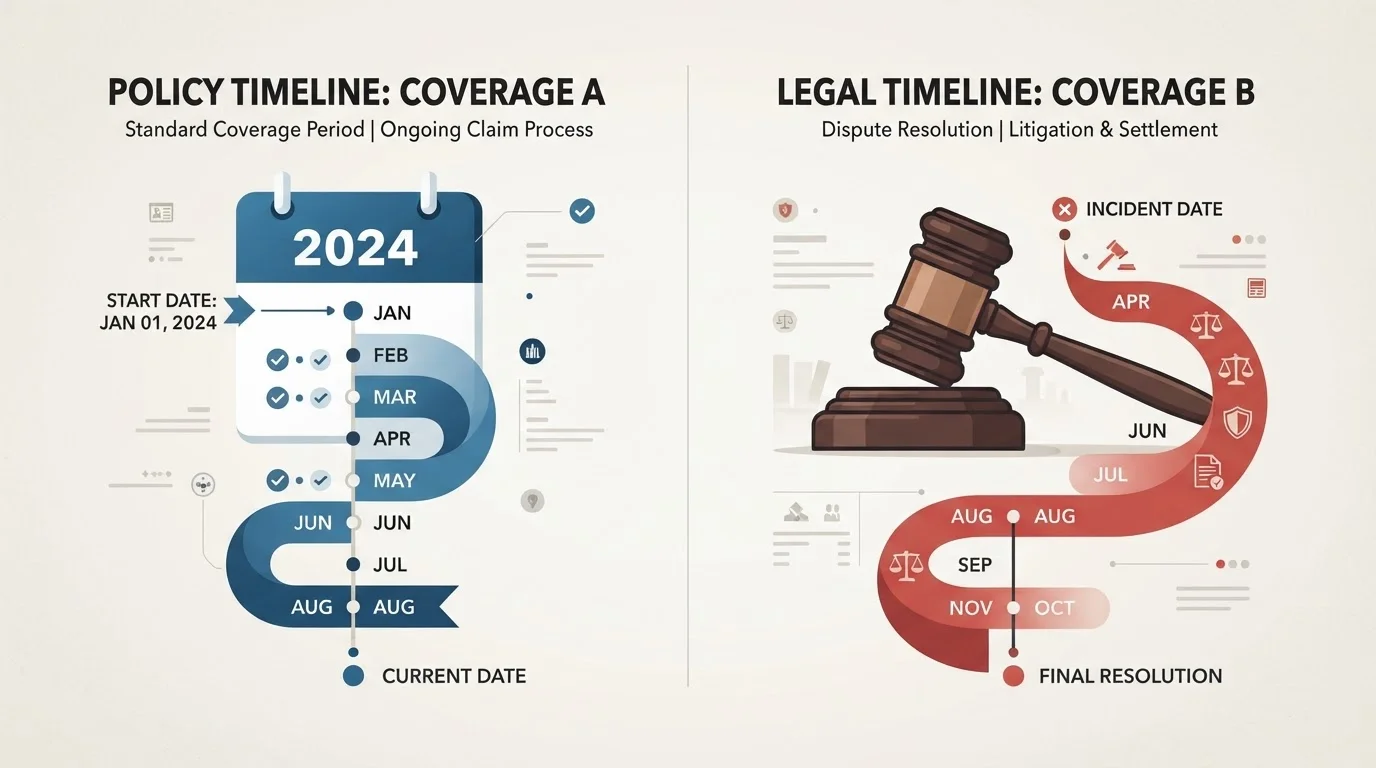
Most people focus on what their insurance covers — not when it covers them. But for certain policies, timing is the whole ballgame. Two policies with identical coverage limits and the same premium can produce completely different outcomes depending on which policy form governs them.
This distinction shows up most clearly in professional liability insurance (sometimes called errors and omissions, or E&O), general liability, and medical malpractice. If you carry any of these, understanding whether you have an occurrence policy or a claims-made policy isn't optional reading — it's essential. A coverage gap here can mean a denied claim on something you thought you were fully protected against. See also: how coverage gaps form and why they matter.
Occurrence Policies: Coverage Follows the Incident
An occurrence policy covers any incident that takes place during the policy period — full stop. It doesn't matter when the claim is actually filed. If the event happened while the policy was active, you're covered, even if the policy has since expired or been cancelled.
Example: A contractor completes a job in March while covered by an occurrence policy. The policy expires in December. In the following February, the client files a claim alleging faulty work. Because the alleged incident occurred during the active policy period, coverage applies.
This makes occurrence policies straightforward and durable. Once the policy year closes, coverage for events that happened in that year is locked in. You don't need to maintain continuous coverage to preserve protection for past work.
Verify Your Policy Form Before Assuming Coverage
Your declarations page should state whether you have an occurrence or claims-made form. If it's not obvious, ask your insurer directly — don't guess. This distinction becomes critical the moment a claim surfaces long after an incident occurred. A licensed agent can walk you through the exact language in your policy.
Claims-Made Policies: Coverage Follows the Filing Date
A claims-made policy takes a different approach: it covers claims that are reported while the policy is active. If the policy has lapsed by the time a claim is filed, coverage typically does not apply — even if the underlying incident happened years earlier when you were insured.
This creates real risk during transitions. Professionals who retire, change carriers, or let a policy lapse without buying an extended reporting period (commonly called a tail) can find themselves exposed to claims with no coverage behind them.
That said, claims-made policies often carry lower initial premiums because the insurer's risk is more contained. Premiums typically rise over time as the "mature" policy period extends — a schedule known as a step rating or claims-made progression.
Letting a Claims-Made Policy Lapse Is Risky
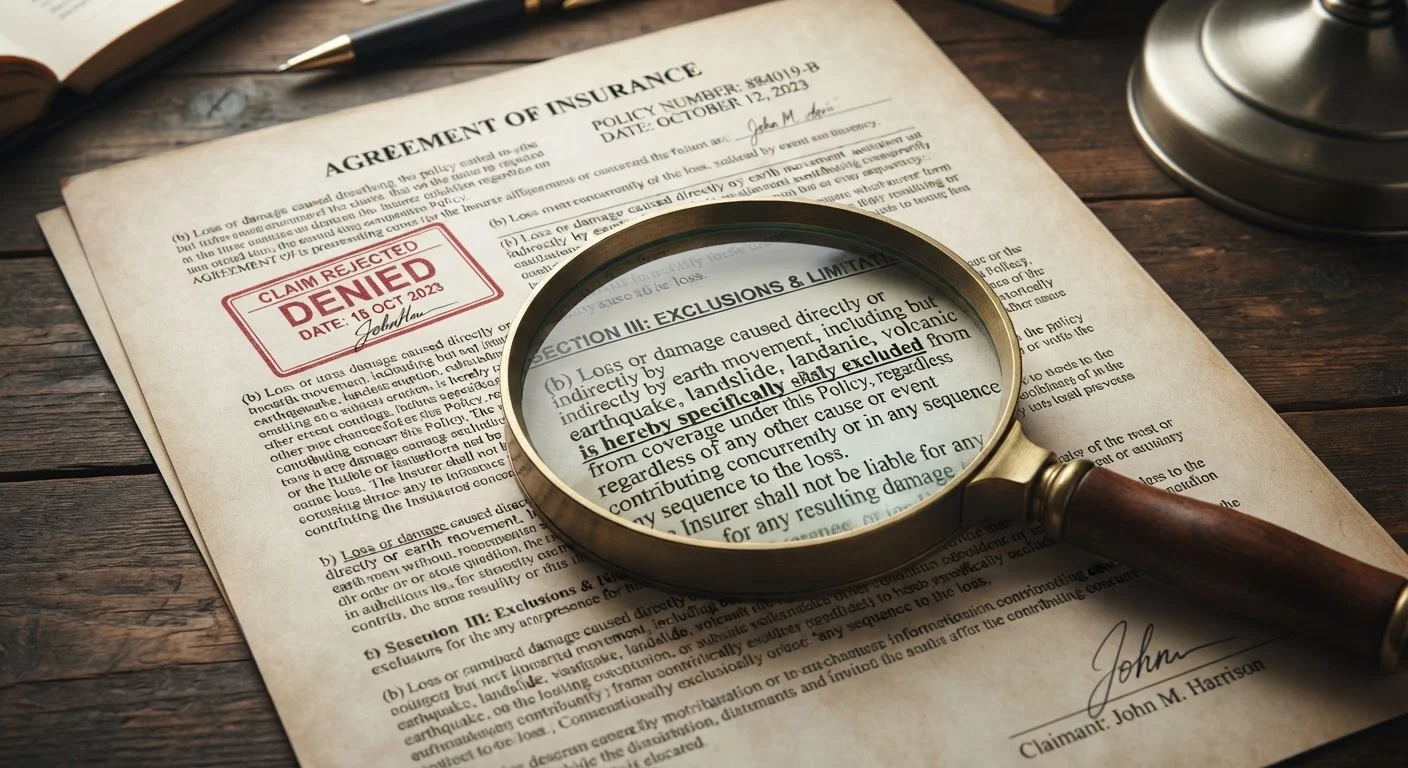
If a claims-made policy expires without tail coverage in place, any claims filed after the expiration date may be denied — even for incidents that clearly happened during the covered period. This is one of the most common and costly misunderstandings in professional liability insurance. Never allow a claims-made policy to lapse without first consulting your insurer about your extended reporting options.
Understanding exactly what triggers a denial is closely related — see why claims get denied and the policy language behind each reason.
Head-to-Head: How the Two Forms Compare
The table below summarizes the core structural differences between occurrence and claims-made policies across the criteria that matter most to policyholders.
| Occurrence Policy | Claims-Made Policy | |
|---|---|---|
| What triggers coverage | Incident occurs during policy period | Claim is filed during active policy period |
| Coverage after policy expires | Yes, for incidents during the policy period | No, unless tail coverage is purchased |
| Initial premium | Typically higher | Typically lower, rises over time |
| Complexity to manage | Lower — coverage is locked in by year | Higher — requires tracking filing windows |
| Risk when switching insurers | Minimal — past years remain covered | High — prior acts coverage may be needed |
| Common policy lines | General liability, auto, homeowners | Professional liability, malpractice, E&O |
For a deeper look at how coverage limits interact with either policy form, see how coverage limits and policy limits differ.
Tail Coverage and Prior Acts: Filling the Gaps
Claims-made policies come with two important add-ons worth knowing:
- Extended Reporting Period (Tail Coverage): Purchased when a claims-made policy ends, this extends the window during which claims can be filed for incidents that occurred while the policy was active. Tail coverage is often expensive — sometimes equal to 100–200% of the annual premium — but it protects against delayed claims after you've stopped carrying coverage.
- Prior Acts Coverage (Nose Coverage): When switching to a new claims-made policy, prior acts coverage extends backward to cover incidents that occurred before the new policy's inception date, provided the prior policy had no coverage for them. It's the reverse of tail coverage.
Neither of these features is automatic — they must be explicitly added and paid for. Always verify with your insurer or a licensed agent before allowing a claims-made policy to lapse. Also worth reviewing: what policies commonly exclude.
This article provides general information about insurance policy structures and is not personalized insurance, legal, or financial advice. Coverage terms, eligibility, and costs vary by provider, state, and individual circumstances. Consult a licensed insurance agent or adviser before making coverage decisions.