The Gap Between What Renters Assume and What's Actually True
A significant share of renters across the U.S. go without renters insurance — and surveys consistently show that many of them believe they're already covered somehow, or simply don't think they have enough stuff worth protecting. Both assumptions tend to fall apart quickly when a real loss occurs.
This article addresses the most common misconceptions about renters insurance head-on. Each myth below reflects something a real segment of renters believes — and each correction explains what's actually at stake. For a broader look at how coverage gaps surprise people, see insurance myths that lead to costly assumptions and things people get wrong about what their policy covers.
Myth
My landlord's insurance covers my belongings if something goes wrong.
Fact
Your landlord's policy covers the building itself — walls, roof, plumbing — not anything you own inside the unit.
This is the most widespread misconception in renters insurance. A landlord's property insurance is designed to protect the landlord's investment: the physical structure. It has no obligation to — and does not — cover a tenant's furniture, electronics, clothing, or other personal property. If a pipe bursts and ruins your couch and laptop, your landlord's insurer will not pay to replace them. Only a renters policy in your name does that.
Myth
Renters insurance is expensive, so it's not worth it on a tight budget.
Fact
Renters insurance is typically one of the more affordable personal insurance products available, often ranging from $15 to $30 per month depending on coverage level and location.
Cost perception is one of the main reasons renters skip coverage — and it's frequently inaccurate. While premiums vary based on where you live, how much coverage you need, and what deductible you choose, renters insurance is generally considered a low-cost product. The bigger financial risk, for most people, is replacing several thousand dollars of belongings out of pocket after a loss. Exact pricing depends on individual circumstances, so getting an actual quote is the only reliable way to know what you'd pay.
Myth
Renters insurance only pays out if someone breaks in and steals my stuff.
Fact
Renters insurance typically covers a range of named perils, which often include fire, smoke, vandalism, certain water damage, and more — not just theft.
Many renters picture renters insurance as purely a theft-protection product. In reality, most standard policies cover losses from a list of named perils — specific events spelled out in the policy language. Theft is one of them, but fire damage, smoke damage, vandalism, and certain kinds of sudden water damage (like a burst pipe) are also commonly included. What's not covered is equally important to understand: gradual damage, floods, and earthquakes are typically excluded from standard policies. Always check the named perils list in any policy you're considering.
Myth
If I don't own much, renters insurance isn't worth the cost.
Fact
Even modest possessions can total thousands of dollars to replace, and liability coverage protects you regardless of how many belongings you have.
The "I don't own enough" reasoning underestimates both the value of everyday possessions and the liability component of renters insurance. Clothing, a smartphone, a laptop, cookware, and basic furniture can easily represent $10,000 or more in replacement cost — even without luxury items. Beyond that, liability coverage kicks in if you're held responsible for someone else's injury or property damage. That protection has nothing to do with how many belongings you own, and it can prevent financially damaging situations that have nothing to do with your stuff.
Myth
My roommate has renters insurance, so I'm covered too.
Fact
Renters insurance policies typically cover only the named insured — not all occupants of the unit automatically.
Sharing a policy sounds efficient, but it usually doesn't work the way people assume. Most renters insurance policies extend coverage only to the named policyholder and, in some cases, a spouse or domestic partner specifically listed. A roommate's policy will generally not cover your belongings in a claim. Some insurers allow roommates to be added to a policy, but this varies and typically requires explicit agreement. If you live with others, each person generally needs their own policy or needs to be specifically listed on the same one — confirm this directly with the insurer.
Why Underestimating Your Belongings Is a Costly Habit
Most renters mentally catalog their belongings as "not that much" — a few pieces of furniture, some clothes, a laptop. But when people sit down and actually list their possessions room by room, the total replacement cost routinely surprises them. Electronics, clothing, kitchen equipment, tools, books, and hobby gear add up faster than intuition suggests.
~$15–$30
Typical monthly renters insurance premium
Industry estimates suggest most renters policies fall in this range, though premiums vary by location, coverage amount, and deductible.
$20,000+
Average household personal property value
When renters inventory their belongings room by room, total replacement costs frequently exceed initial estimates by a wide margin.
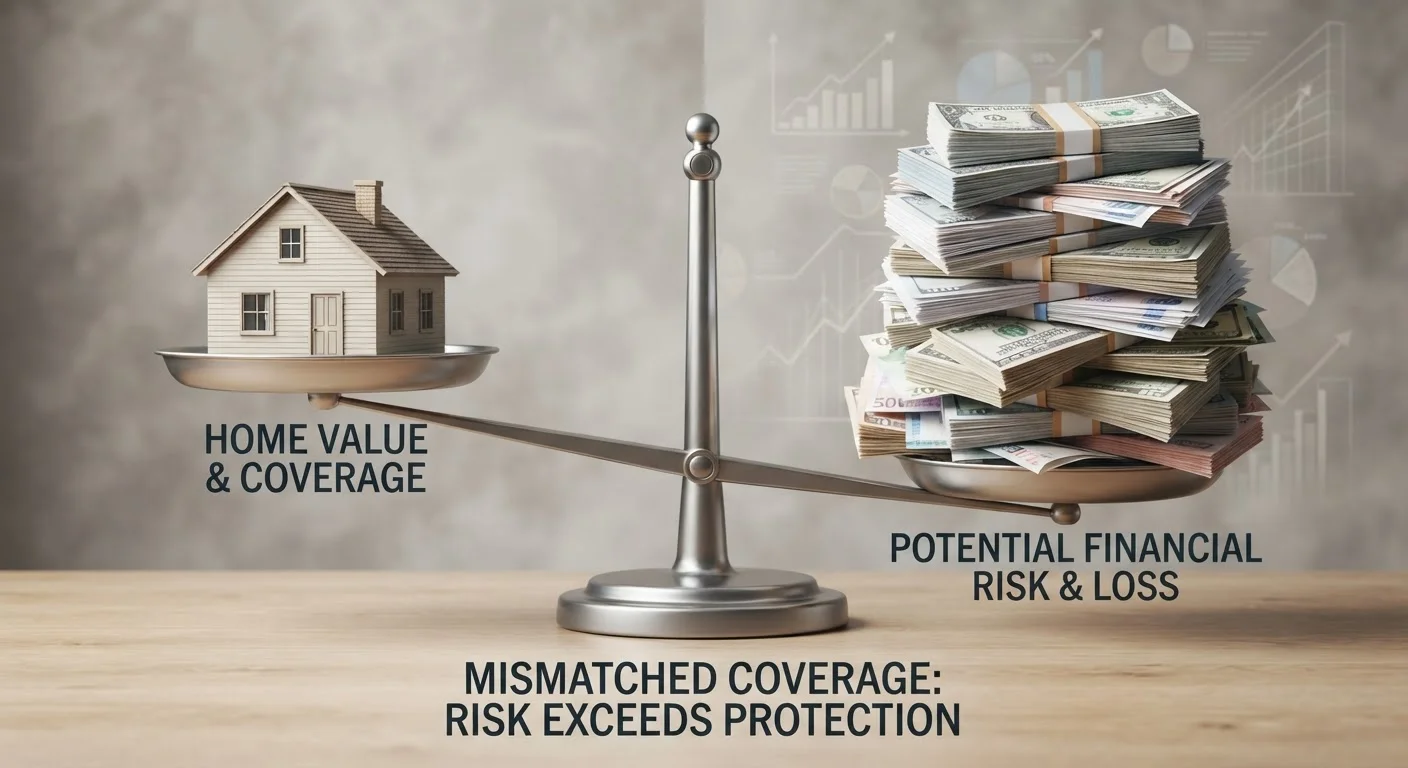
The distinction between actual cash value and replacement cost value matters here. Actual cash value pays out what your depreciated item was worth at the time of loss. Replacement cost value pays what it actually costs to buy a comparable item new. Policies differ on this — it's one of the most important things to check when evaluating a policy. For a deeper look at how coverage limits can drift out of step with real exposure, see why your coverage amount and your actual risk may not match.
Liability coverage is another benefit that renters routinely undervalue. If a guest is injured in your apartment, or if you accidentally cause damage to a neighbor's unit — a kitchen fire that spreads, for example — renters liability coverage can protect you from significant out-of-pocket costs. This is a protection that has nothing to do with your belongings at all.
Standard Policies Don't Cover Everything
Floods and earthquakes are almost universally excluded from standard renters insurance policies. If you live in an area with meaningful flood or seismic risk, you'll likely need separate coverage for those perils. Don't assume a renters policy covers all natural disasters — read the exclusions section carefully and ask your insurer directly about what's not included.
Understanding what renters insurance doesn't cover is just as important as knowing what it does. Floods, earthquakes, and certain high-value items often require separate coverage or endorsements. For a full breakdown of standard exclusions, see what renters insurance actually covers — and what it doesn't and what insurance policies don't cover and why it matters.
This article is for general informational purposes only and does not constitute personalized insurance, financial, or legal advice. Coverage terms, exclusions, and premiums vary by provider and state. Always read your actual policy documents and consult a licensed insurance agent or adviser for guidance specific to your situation.