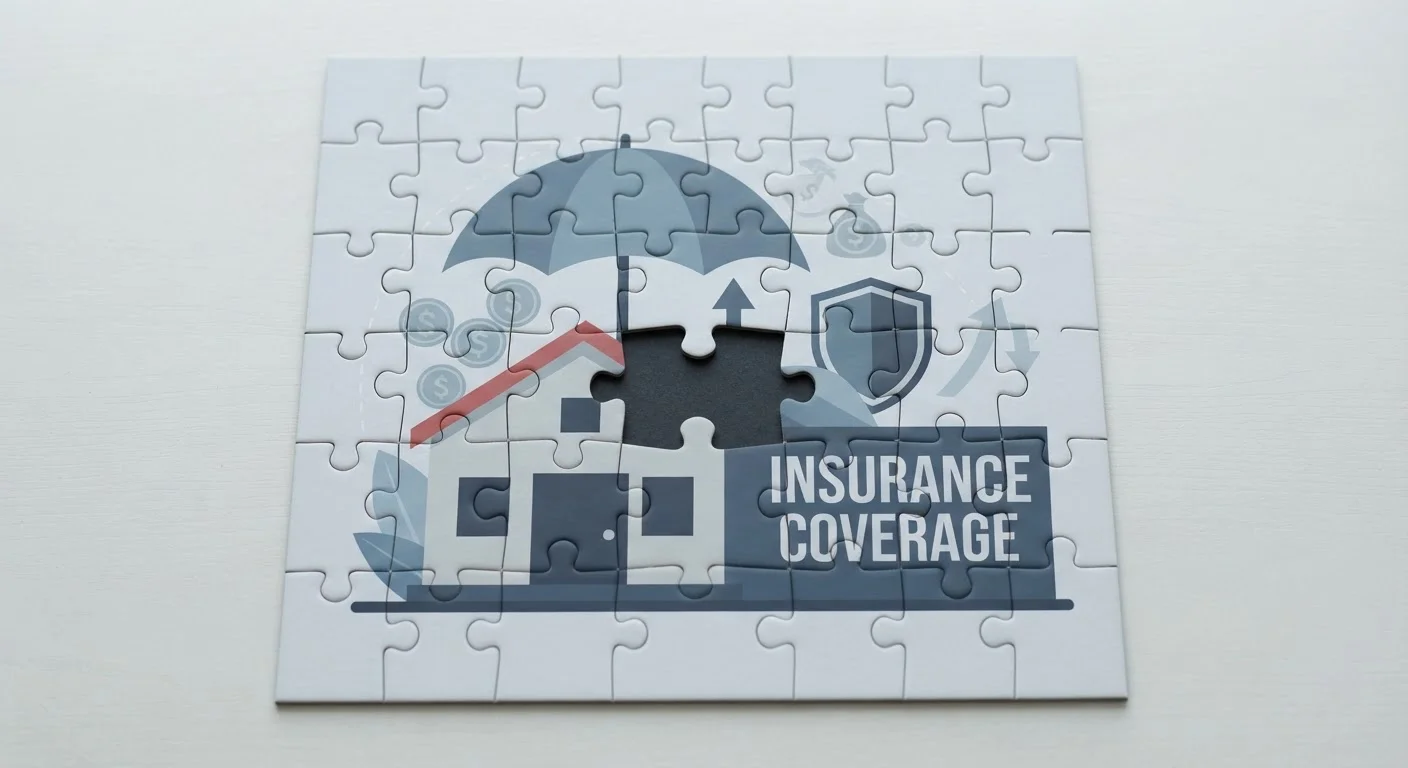
The Gap Nobody Talks About
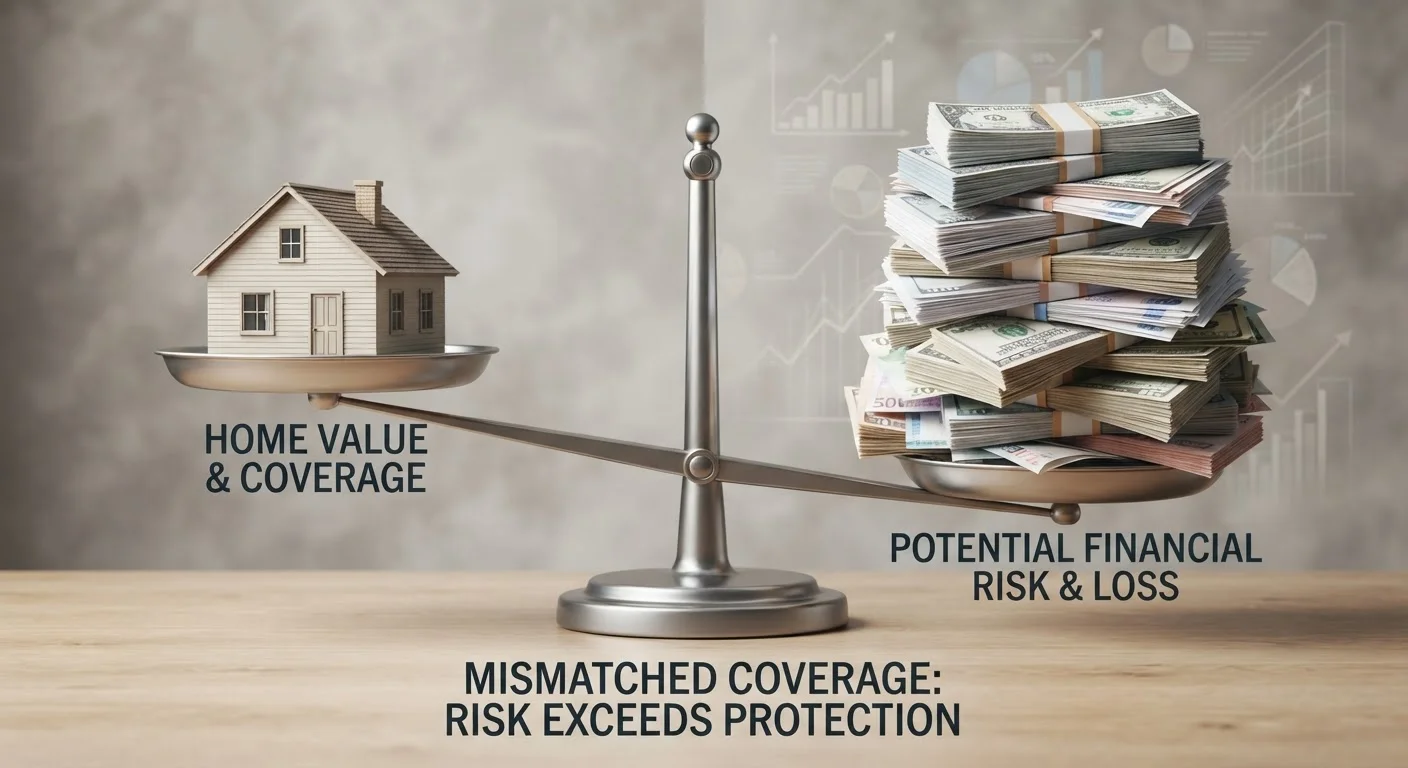
Most people pick a coverage amount when they first buy a policy, file it away, and don't think about it again. That works fine — until something goes wrong and they discover their limit covers far less than they thought. The mismatch between what a policy pays out and what a loss actually costs is one of the most common, and preventable, financial surprises in personal insurance.
This gap doesn't usually happen because someone made a careless choice. It happens because circumstances change and policies don't automatically change with them. Understanding why the drift occurs is the first step toward closing it. For a broader look at how these gaps form, see what coverage gaps are and why they matter.
Setting coverage limits once and never revisiting them.
Why it happens: Buying insurance feels like a task to complete, not an ongoing process. Once the policy is active, most people shift their attention elsewhere.
Ignoring the effect of inflation on replacement costs.
Why it happens: A coverage limit that felt adequate five years ago may fall short today because construction costs, medical expenses, and property values have risen — but the policy limit hasn't.
Failing to update coverage after a major life event.
Why it happens: People tend to think of insurance updates as optional rather than necessary when something changes — a new job, a marriage, a significant renovation, or an inheritance.
Choosing minimum liability limits to lower premiums.
Why it happens: Lower premiums feel like savings, and the worst-case scenario feels abstract until it happens. Minimum limits are often set by regulation, not by what a serious claim would actually cost.
Assuming a standard policy covers all types of losses automatically.
Why it happens: Policy language is dense, and most people rely on what they remember from a sales conversation rather than reading the actual document. This creates blind spots around exclusions and sub-limits.
How to Bring Your Coverage Back in Line
Correcting a coverage mismatch doesn't require starting from scratch. A structured annual review — ideally before each policy renewal — is the most effective habit you can build. Pull out your declarations page, list your significant assets, and compare the two honestly.
Liability Limits Protect More Than Property
Many people focus on property coverage when reviewing a policy and overlook liability limits entirely. If you're found legally responsible for an injury or significant property damage, your liability limit is what stands between you and a judgment that could affect your savings, assets, or future wages. Minimum required limits are rarely sufficient for someone with meaningful financial assets. A licensed insurance professional can help you assess whether your liability coverage is proportionate to your actual exposure.
Pay particular attention to liability limits, which are often set at the minimum required rather than the amount that would actually protect your savings and future income. Understanding how limits apply to specific losses is also worth the effort — coverage limits versus policy limits work differently and that distinction matters when a claim is filed.
If your situation has grown more complex — a paid-off mortgage, a home-based business, adult children still on your policy — a licensed insurance agent can help you identify where your limits may have drifted out of step. This article is general information, not personalized advice; your actual needs depend on your specific circumstances, policy language, and state regulations.
Don't Rely on Memory When Reviewing Coverage
What you were told when you purchased a policy and what the policy document actually says are sometimes different things. Coverage terms, exclusions, and sub-limits are defined in writing, and those definitions control what gets paid — not informal summaries or verbal assurances. Always review the actual policy language, and ask your insurer for clarification in writing if something is unclear.
Reviewing coverage also means reading what the policy actually says, not just what you remember being told at sign-up. Misunderstandings about exclusions and conditions are surprisingly common, and many policyholders only discover coverage gaps after a claim is denied.