What Liability Coverage Actually Does
Liability coverage is the foundation of nearly every auto insurance policy in the United States. At its core, it pays for harm you cause to other people — not to you or your own vehicle.
There are two components most liability policies include:
- Bodily injury liability: Covers medical bills, lost wages, and legal costs if you injure someone else in an accident you caused.
- Property damage liability: Covers repairs or replacement costs for another person's car, fence, mailbox, or other property you damage.
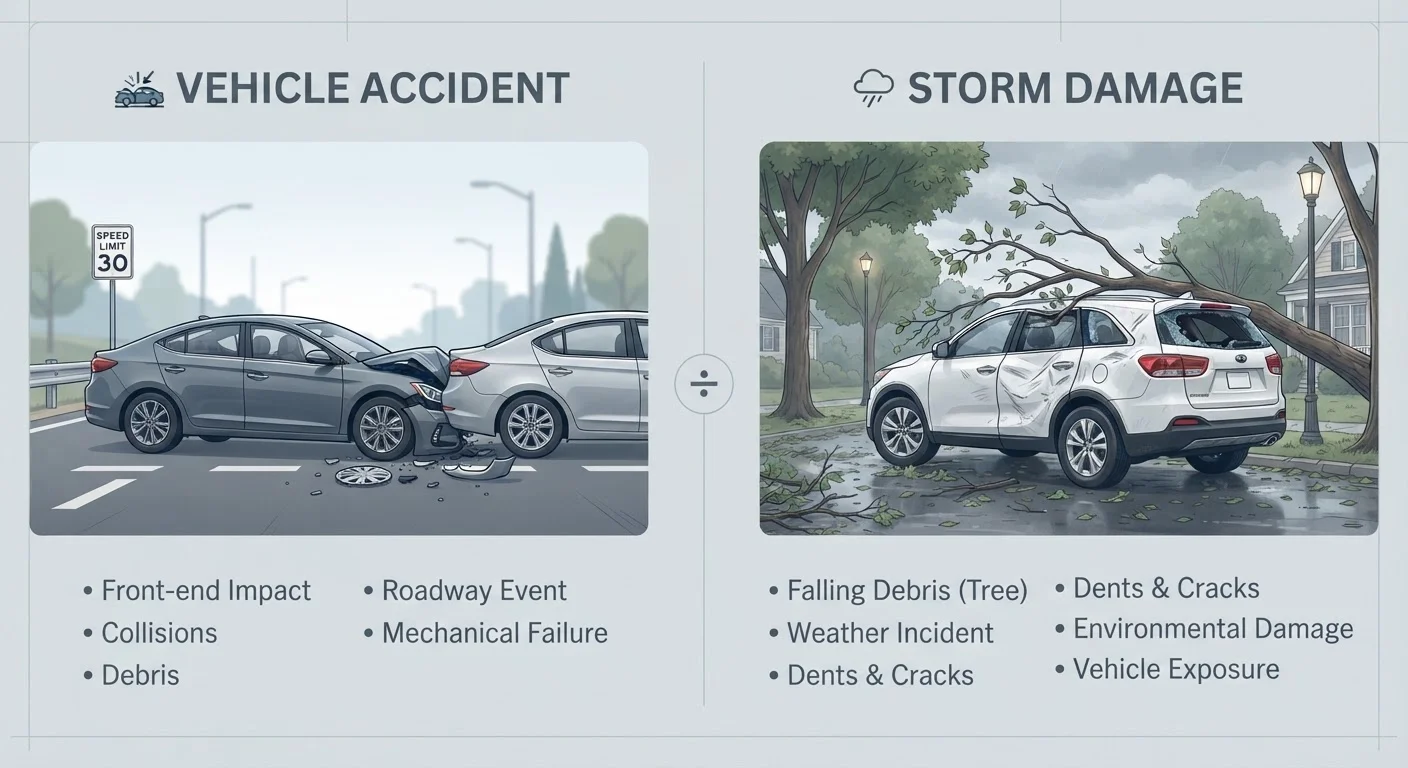
What liability does not cover is equally important to understand. If you rear-end another driver and your own car is damaged, liability pays nothing toward fixing your vehicle. Your own medical bills from that same accident are also excluded — that's where separate coverages like personal injury protection (PIP) or medical payments coverage come in.
Because liability protects the public from financial harm caused by drivers, nearly every state requires it as a legal minimum to operate a vehicle. The specific dollar limits required vary significantly by state, and minimum limits aren't always sufficient to cover the real costs of a serious accident. For a fuller picture of how these coverage types interact, see what liability, collision, and comprehensive each cover.
| Criterion | Liability Coverage | Comprehensive Coverage |
|---|---|---|
| What it protects | Other people and their property | Your own vehicle |
| Legally required | Yes, in most states | No (but lenders may require it) |
| Covers your car's damage | No | Yes (non-collision events) |
| Covers theft | No | Yes |
| Covers weather damage | No | Yes |
| Subject to deductible | No | Yes |
| Covers your medical bills | No | No |
What Comprehensive Coverage Actually Does
Comprehensive coverage protects your own vehicle — but only from specific types of non-collision events. Despite its name suggesting broad protection, it has a defined scope.
Common events covered under a standard comprehensive policy include:
- Theft of the vehicle
- Vandalism
- Weather damage (hail, flooding, wind)
- Fire
- Falling objects (trees, debris)
- Animal strikes (hitting a deer, for example)
Comprehensive does not cover damage from a collision with another vehicle or object — that's what collision coverage handles. It also won't pay for mechanical breakdowns or general wear and tear.
Unlike liability, comprehensive is not legally mandated by any state. However, if you're financing or leasing your vehicle, your lender will almost certainly require it as a condition of the loan. The reasoning is straightforward: they have a financial interest in the vehicle's condition until you've paid it off.
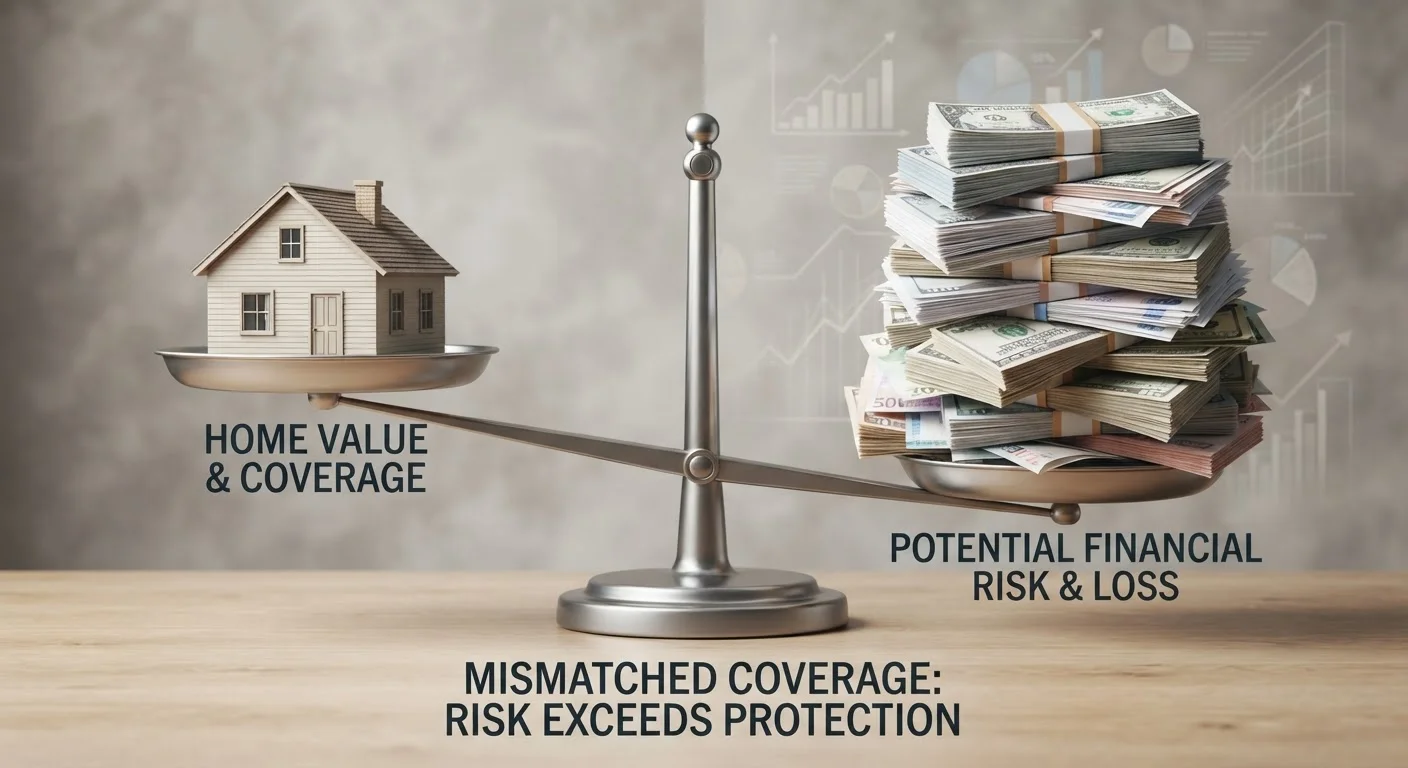
Comprehensive claims are subject to a deductible — the amount you pay out of pocket before your insurer covers the rest. Choosing a higher deductible lowers your premium but increases what you'd pay after a loss. Understanding how those numbers interact with your actual exposure is worth reviewing; coverage amounts and real financial risk don't always align as neatly as people assume.
~13%
U.S. drivers estimated to be uninsured
According to Insurance Research Council estimates, roughly 1 in 8 drivers on U.S. roads carries no auto insurance at all.
~$11,000
Average comprehensive claim cost
Industry data from the Insurance Information Institute indicates average comprehensive claim payouts have risen with vehicle replacement costs in recent years.
Key Differences and Coverage Gaps to Watch For
The most common misconception drivers hold is believing that carrying liability insurance means their car is protected. It isn't. Liability is entirely outward-facing — it manages what you owe others, not what happens to your own property.
Comprehensive fills a different lane: inward-facing protection for your vehicle against events beyond typical driving. Neither coverage type overlaps with the other, which means a driver carrying only liability who parks their car and has it stolen has no claim to file. The loss is entirely out of pocket.
It's also worth knowing what neither type covers. Both exclude intentional damage, wear and tear, and losses outside the policy's defined terms. Exclusions are where policies often surprise people most — what standard policies don't cover is a useful area to review before assuming you're protected.
For a broader look at how coverage limits affect actual claim payouts, the difference between coverage limits and policy limits is also worth understanding before a loss occurs.
Collision Coverage Is a Separate Category
Liability and comprehensive are often discussed together, but collision coverage — which pays for damage to your vehicle from a crash — is a third, distinct type. Many drivers carry all three, but they address entirely separate scenarios. Assuming any one of them substitutes for another is one of the more common coverage gaps people discover only after filing a claim.
This article provides general insurance information for educational purposes and is not personalized insurance, legal, or financial advice. Coverage terms, requirements, and exclusions vary by provider and state. Always read your actual policy documents and consult a licensed insurance agent for guidance specific to your situation.