Why Organization Efforts Stall Out
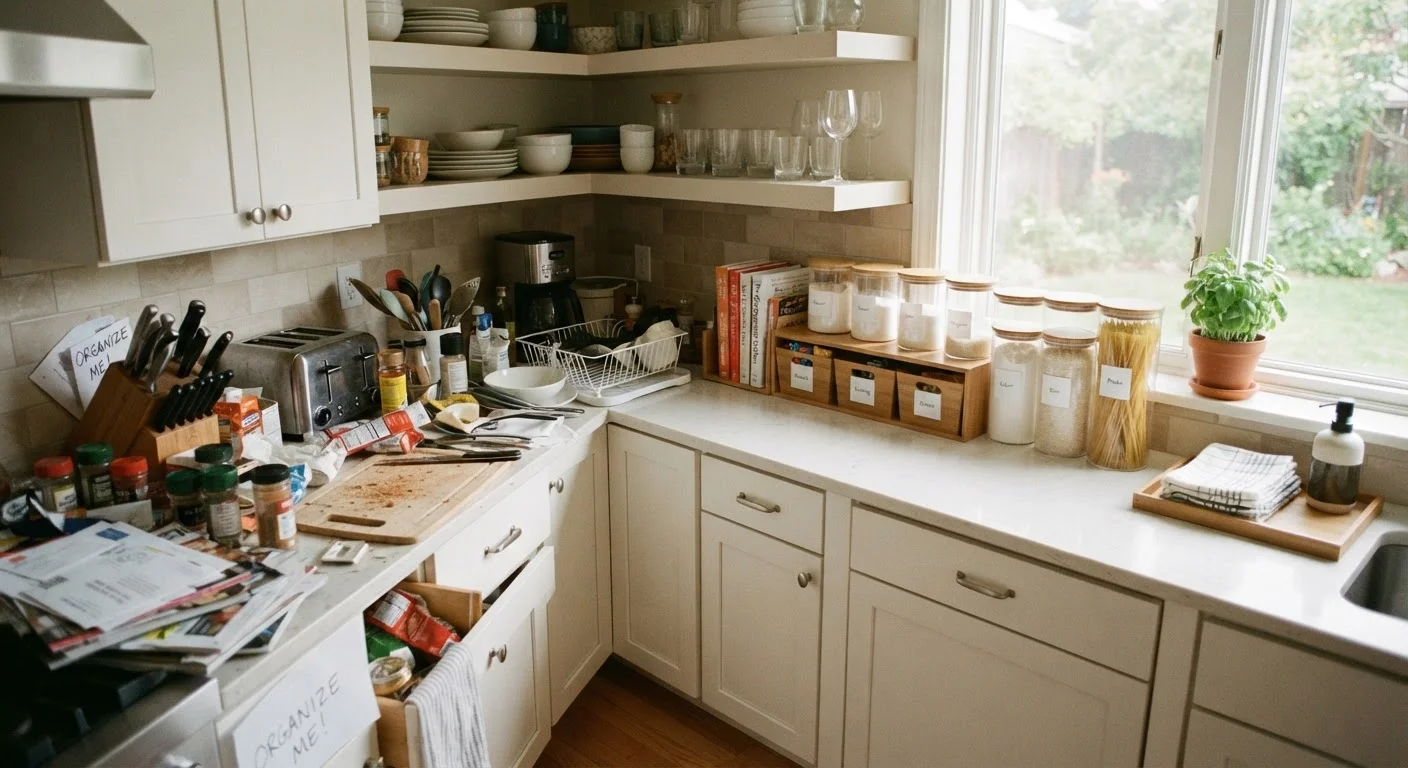
Most people who organize their homes don't fail because they lack motivation or the right containers. They fail because the system they build doesn't account for how their household actually behaves day to day. A perfectly arranged pantry means little if the family's habits put things back in random spots. Understanding where these efforts break down — and why — is the first step toward building something that actually holds.
Clutter and disorder are also linked to elevated stress. In fact, disorganized environments can quietly compound daily anxiety in ways that are easy to miss. For a broader look at habits that unintentionally raise stress levels, see ways people accidentally make stress worse.
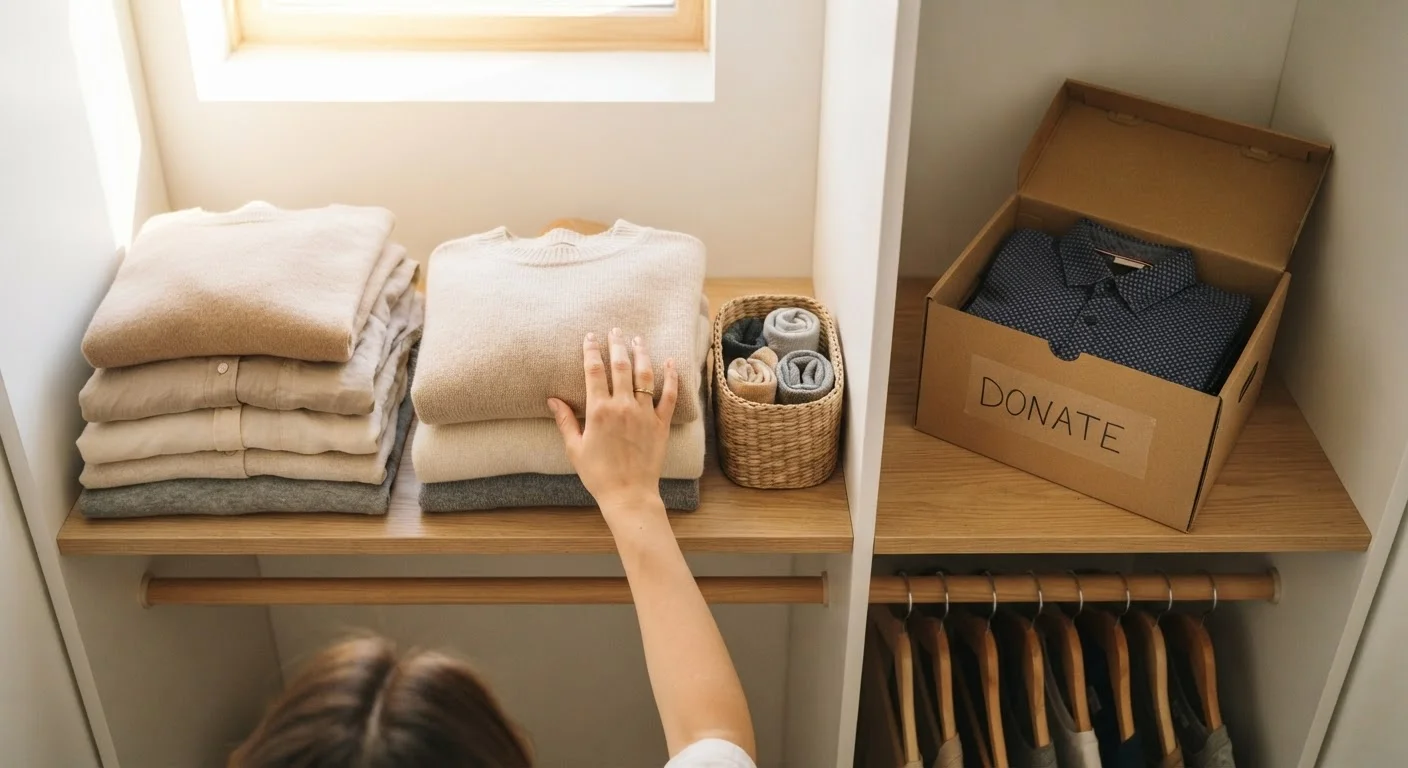
Organizing before decluttering.
Why it happens: Sorting and containing feels productive, so many people skip the harder step of deciding what to remove entirely.
Choosing storage solutions that look great but create daily friction.
Why it happens: Aesthetic containers, lids that require two hands, or bins placed on high shelves get abandoned quickly because the effort outweighs the benefit.
Organizing in one marathon session without a maintenance plan.
Why it happens: The initial effort feels like a permanent fix, so people don't build in any routine to sustain it.
Creating a system only one person in the household understands.
Why it happens: The person doing the organizing naturally builds a system that makes sense to them, without communicating the logic to others.
Tackling the entire home at once instead of room by room.
Why it happens: Whole-home overhauls feel efficient, but they create overwhelm and often result in half-finished spaces.
Building a System That Sticks
Avoiding these mistakes is half the work. The other half is designing a system suited to your household's actual patterns — not an idealized version of them. That means involving everyone who shares the space, keeping storage solutions visible and easy to use, and scheduling brief weekly resets rather than waiting for things to spiral.
Don't Over-Invest Before Testing the System
Purchasing large quantities of matching containers, custom shelving, or specialty organizers before testing a layout is a common and costly mistake. Live with a rough version of the system for two to four weeks first. You'll quickly learn what needs adjustment — and avoid spending on solutions that don't fit how your household actually operates.
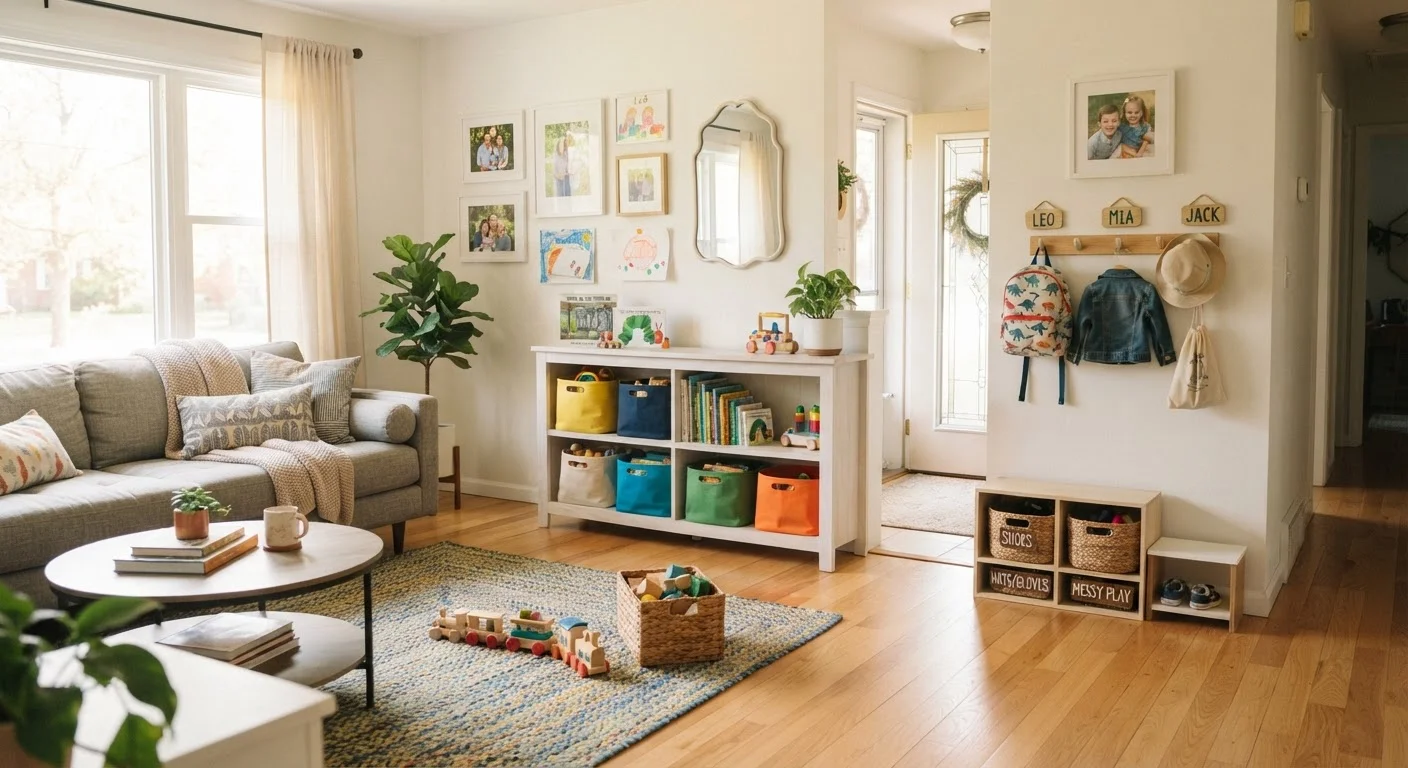
If your household includes children, the bar for simplicity must be even lower. Organizational systems need to be easy enough for kids to participate in independently. Our guide on organizing a home with kids covers strategies specifically built for real family life.
One of the most reliable long-term habits is the one-in, one-out rule — replacing an item only when an equivalent one leaves. It prevents the slow accumulation that undoes even the best-organized spaces. Learn more about why the one-in, one-out rule works and when it has limits.
If a larger home refresh is part of the plan, sequencing matters. Organizing efforts that happen before or alongside renovations avoid redundant work. Weekend renovation planning can help you coordinate both projects efficiently.