What's Actually Inside Your Phone's Chip
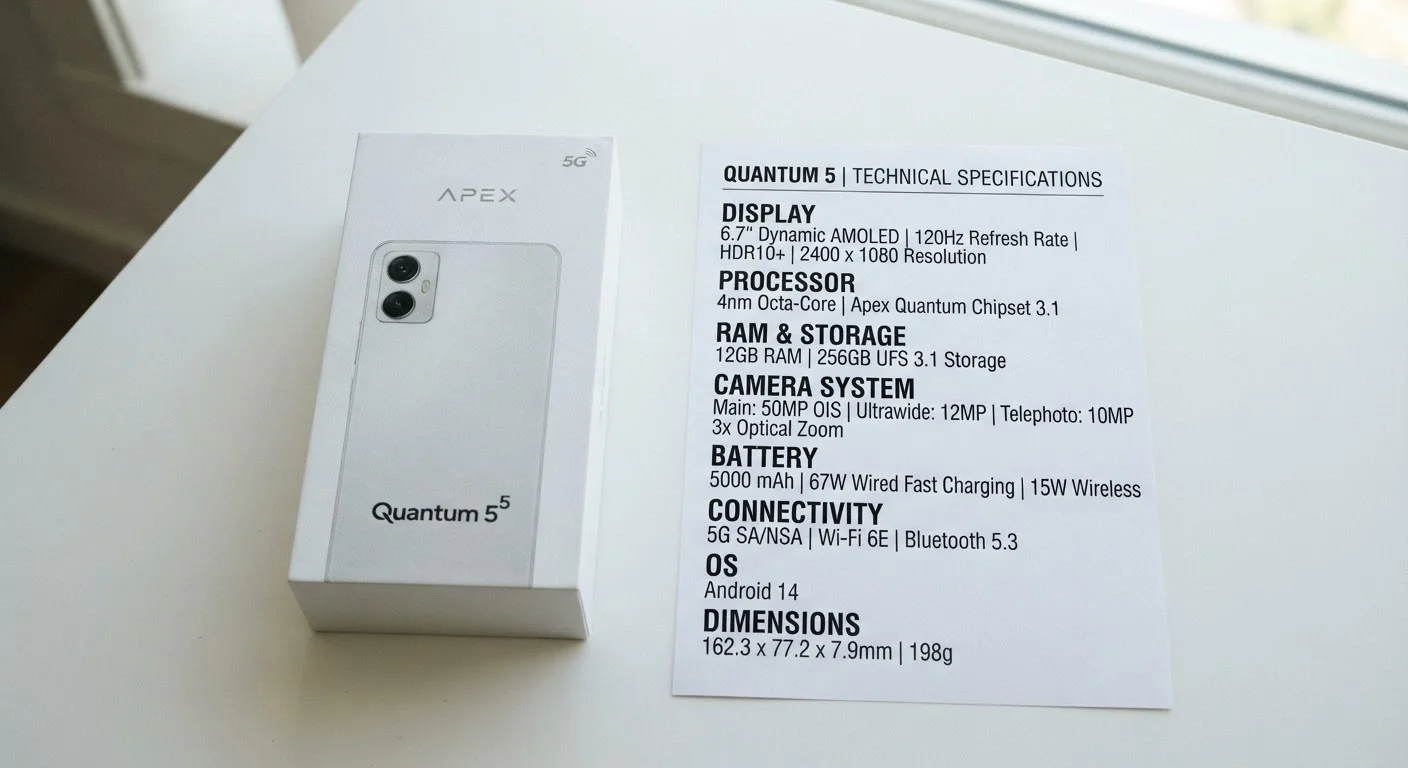
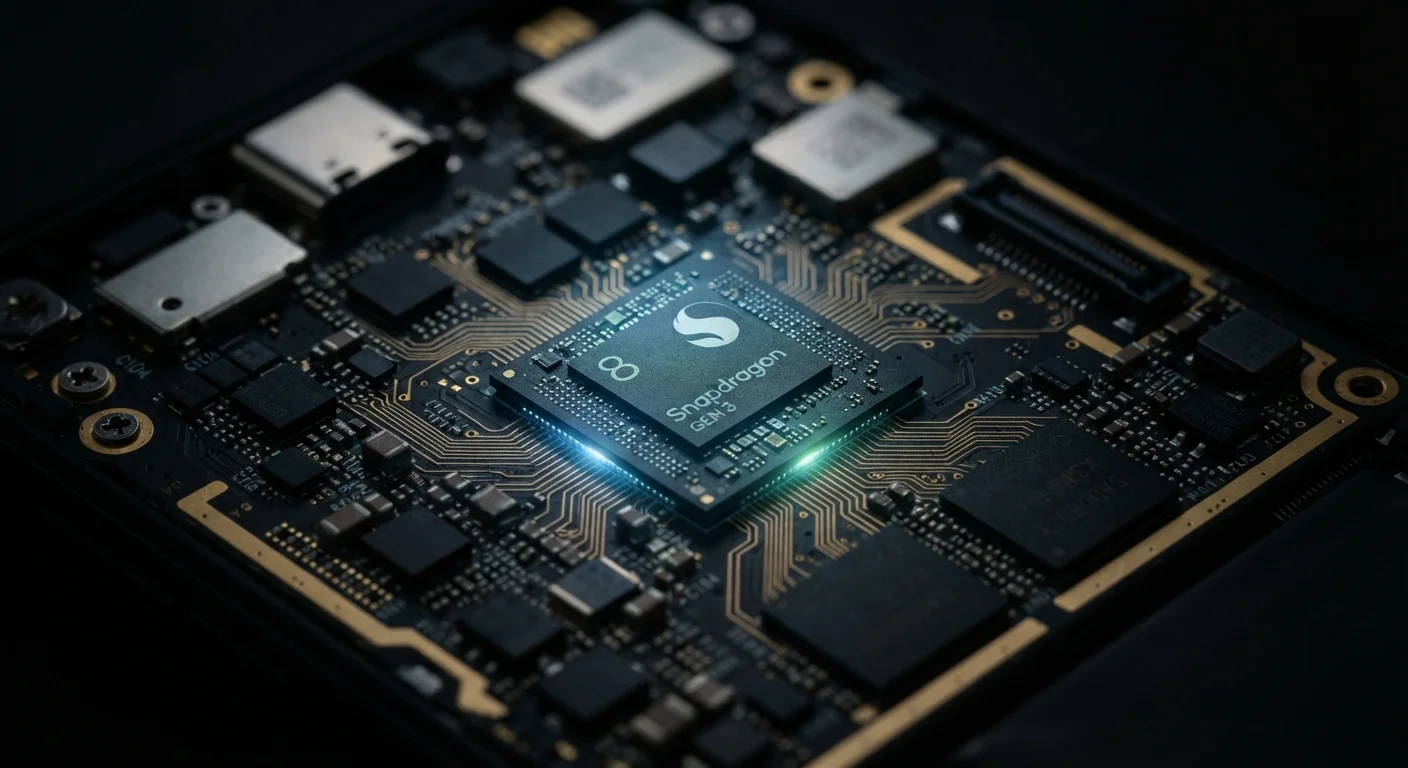
When people compare phones, they often focus on camera megapixels or screen size. But the processor chip — the SoC — quietly determines the quality of nearly every experience on the device. Understanding what's packed inside it helps explain why two phones with similar-looking specs can feel dramatically different in use.
A modern SoC contains several distinct processing units working in concert:
- CPU (Central Processing Unit): Handles general computation — opening apps, running the operating system, executing logic.
- GPU (Graphics Processing Unit): Renders images, video playback, and game visuals.
- NPU (Neural Processing Unit): Accelerates AI tasks like voice recognition, photo enhancement, and predictive text.
- ISP (Image Signal Processor): Processes data from the camera sensor in real time.
- Modem: Manages cellular, Wi-Fi, and Bluetooth connections.
Because these components share the same chip and communicate at high speed, the SoC's overall design — not just any single unit — determines how your phone performs. See our guide to smartphone specs decoded for a broader look at how these numbers translate to daily use.
~50%
Efficiency gain per generation in leading mobile SoCs
Industry analyses of successive chip generations have documented roughly 30–50% improvements in performance-per-watt between major process node transitions, such as moving from 7nm to 4nm fabrication.
3–5x
NPU speed increase in recent chip generations
Chip designers have publicly reported neural processing throughput improvements of three to five times over two-to-three-generation spans, enabling on-device AI features that previously required cloud processing.
10°C
Temperature rise that can trigger sustained throttling
Thermal engineering research indicates that a sustained chip temperature rise of roughly 10°C above optimal operating range is commonly sufficient to trigger automatic clock speed reduction in modern mobile processors.
How Chip Architecture Shapes Battery Life
Battery capacity (measured in milliamp-hours, or mAh) gets most of the attention in battery discussions, but the chip is equally important. A processor built on an older or less efficient process node draws more power to do the same work — regardless of battery size.
Modern SoCs use a big.LITTLE or cluster-based core architecture. This means the chip has separate sets of cores: high-performance cores for demanding tasks and smaller efficiency cores for routine work like checking email or streaming music. When your phone is doing something light, the efficiency cores handle it at a fraction of the power cost. This intelligent task-routing is a primary reason why newer-generation chips often extend battery life meaningfully even in phones with similar-sized batteries.
Process node size (e.g., 4nm vs. 7nm) also matters. A smaller node means more transistors fit in less space, generating less heat per operation and consuming less energy. This is why chip generation — not just core count — often predicts real-world battery performance better than mAh ratings alone. For a deeper look at battery expectations, see our article on battery life claims vs. reality.
Look at Chip Generation, Not Just Core Count
When evaluating phones, check which generation of SoC is inside rather than counting CPU cores alone. A newer chip with fewer cores often outperforms an older chip with more cores in both speed and power efficiency. Chipmaker release notes and independent benchmark databases can help you compare generations without needing to interpret raw GHz numbers.
Gaming, Heat, and Sustained Performance
Gaming is one of the most processor-intensive tasks a phone can handle. The GPU renders frames; the CPU manages game state; the NPU may handle anti-cheat or AI opponents; the modem keeps the connection alive. All of this happens simultaneously, and all of it generates heat.
This is where thermal throttling becomes a practical concern. When a chip gets too hot, it automatically reduces its clock speed to prevent damage — a process called throttling. The result is dropped frame rates, stuttering, or lag mid-game. A well-designed SoC, combined with adequate phone cooling hardware (heat pipes, graphite sheets, or vapor chambers), can sustain peak performance for longer before throttling kicks in.
A chip that performs brilliantly in a 30-second benchmark but throttles heavily after five minutes of gaming is less useful than one that holds a moderate, consistent performance level throughout a session. This gap between peak and sustained performance is why spec sheets alone don't tell the whole story — a point explored further in our article on why high spec sheets don't always mean a better experience.
“The most important advances in mobile computing over the past decade have come not from adding more cores, but from making each core dramatically more efficient — doing more work while consuming less energy.”
— Jim Keller, Semiconductor architect and chip designer, known for work at multiple leading processor companies
The Chip's Role in Camera and AI Performance
Smartphone cameras have improved dramatically without a major increase in sensor size. Much of that improvement comes from the chip, not the lens. The ISP processes raw sensor data to reduce noise, balance exposure, and apply computational photography techniques — all in a fraction of a second.
The NPU accelerates AI-driven features: scene recognition, portrait mode depth mapping, night mode stacking, and real-time video enhancement. A faster, more capable NPU means these features run more quickly and with better accuracy. This is why two phones with similar camera hardware can produce noticeably different photos — the chip's processing pipeline shapes the final image as much as the physical optics do.
As phones age, the gap between what software demands and what the chip can efficiently deliver widens. This contributes to the slowdown many users notice over time — a pattern explained in our article on why phones slow down over time. Understanding the chip's central role helps you evaluate whether an upgrade is truly warranted or whether software optimization could close the gap.
Software Optimization Matters as Much as Hardware
A powerful chip running poorly optimized software will underperform a modest chip with a well-tuned operating system. This is why some phones with mid-range processors feel faster in daily use than flagship competitors. The relationship between chip and software is collaborative — hardware sets the ceiling, but software determines how close to that ceiling you actually get.