Why Camera Specs Are So Easy to Misread
Smartphone camera marketing thrives on big numbers. A "200MP camera" or "10x optical zoom" sounds impressive on a box, but those figures rarely tell the full story of what you'll actually see in your photos. Understanding what each spec genuinely controls — and what it doesn't — is the fastest way to cut through the noise.
This guide explains each common camera specification in plain language, focusing on real-world impact rather than raw numbers. For a broader look at how specs translate to daily performance across the whole phone, see our full smartphone specs breakdown.
| Aperture sweet spot | f/1.6–f/2.0 for low-light photography |
| Diminishing MP returns | Most users see little benefit beyond 12–16 MP for everyday use |
| Sensor size notation | Smaller denominator (e.g., 1/1.28") = physically larger sensor |
| Optical vs. digital zoom | Optical zoom preserves detail; digital zoom enlarges a crop |
| Video for most users | 1080p at 30fps is sufficient for everyday video sharing |
| Multiple lenses | Lens quality matters more than lens count |
The Core Specs: What They Control and What They Don't
Megapixels (MP) measure how many individual light-capturing points a sensor contains. More megapixels produce larger image files and can support heavy cropping, but they do not automatically mean sharper or better-looking photos. A sensor with fewer, larger pixels often outperforms a high-MP sensor in low light because larger pixels capture more light per unit. Above roughly 12–16 MP, most users see diminishing returns for everyday social sharing or even print use at standard sizes.
Aperture is expressed as an f-number (e.g., f/1.8). Confusingly, a lower f-number means a wider opening, which lets in more light and produces shallower depth-of-field (the blurry background effect). A wide aperture like f/1.6 performs meaningfully better in dim conditions than f/2.4. Unlike interchangeable-lens cameras, smartphone apertures are fixed — they cannot be adjusted during shooting.
Sensor size is arguably the most important spec few people check. Larger sensors gather more light across the whole frame, which improves dynamic range (detail in both bright and dark areas) and reduces digital noise in low-light shots. Sensor sizes are listed in fractional-inch notation (e.g., 1/1.28"), where a smaller denominator means a physically larger sensor.
Optical Image Stabilization (OIS) uses a mechanical mechanism inside the lens to counteract hand tremor during shooting. This matters for low-light photography and video because it allows the shutter to stay open longer without blur. Electronic Image Stabilization (EIS) is software-based and generally less effective, though both together can complement each other.
Megapixels (MP)
A measure of how many individual light-sensing pixels a camera sensor contains. More megapixels allow larger prints and more cropping flexibility, but don't directly determine photo quality.
Aperture (f-number)
The size of the lens opening that lets light reach the sensor. Lower f-numbers (e.g., f/1.6) mean a wider opening, better low-light performance, and more background blur.
Sensor Size
The physical dimensions of the image sensor. Larger sensors capture more light, producing better dynamic range and less noise, especially in dim conditions.
Optical Zoom
Zoom achieved by physically moving lens elements to magnify the scene. Preserves image quality, unlike digital zoom, which merely enlarges a cropped portion of the frame.
Optical Image Stabilization (OIS)
A hardware mechanism that physically shifts the lens or sensor to counteract hand movement. Reduces blur in low-light photos and smooths handheld video.
Dynamic Range
A camera's ability to capture detail in both very bright and very dark parts of a scene simultaneously. Higher dynamic range means fewer blown-out highlights and crushed shadows.
Computational Photography
Software and AI processing that enhances photos beyond what the hardware alone can produce — including features like Night Mode, HDR, and portrait effects.
Digital Zoom
A zoom effect created by cropping and enlarging part of the image digitally. Convenient but degrades image sharpness, unlike optical zoom.
Zoom, Multiple Lenses, and Video Specs
Optical zoom uses actual lens movement to magnify a subject without throwing away pixel data. Digital zoom simply crops and enlarges a portion of the existing image — the same as pinching in on a photo after you've taken it. For any zoom beyond 1x, optical zoom preserves far more detail. Many phones combine both: a 5x optical zoom with software enhancement to reach 10x, 30x, or more. The quality at those extended digital-zoom distances varies widely.
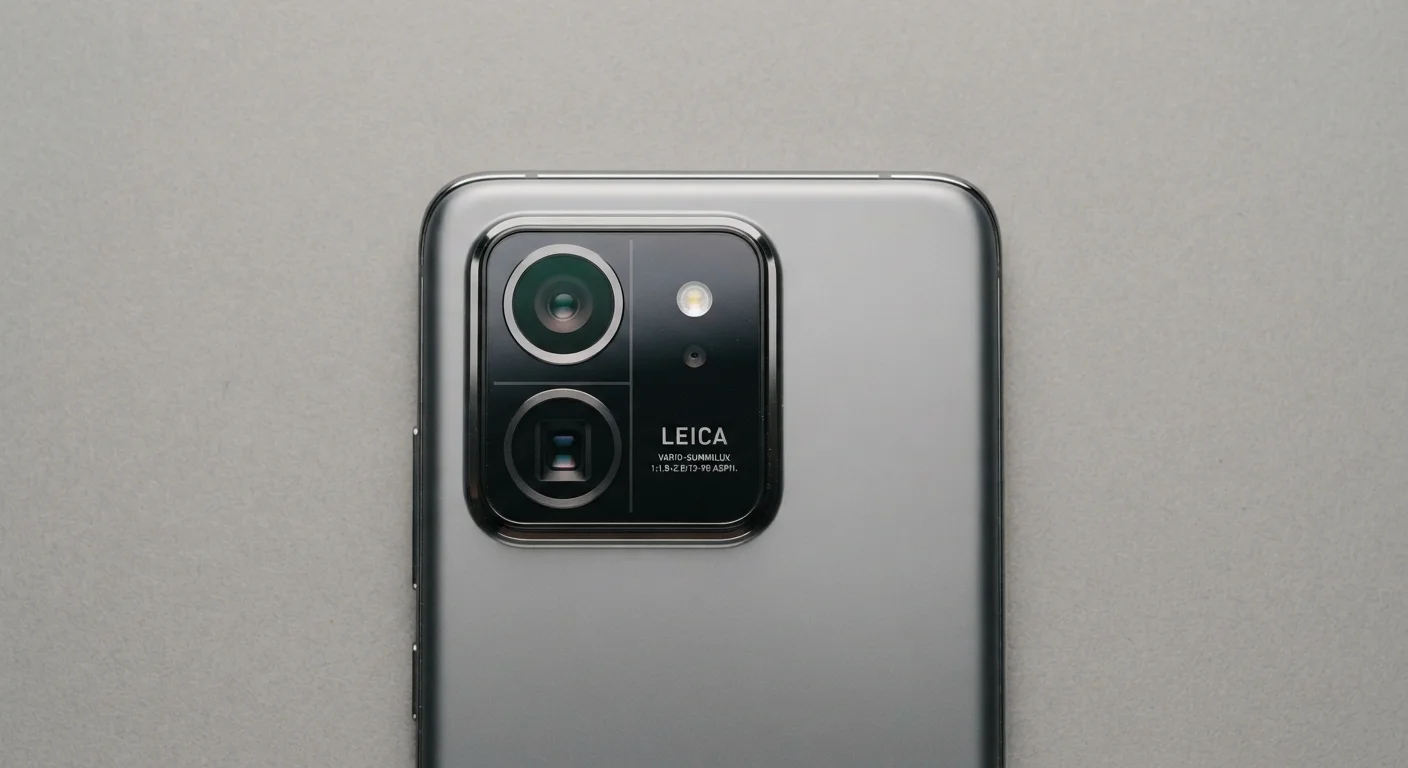
Most mid-range and flagship phones now include multiple rear cameras — typically a main lens, an ultrawide lens, and a telephoto lens. The ultrawide captures a broader field of view, useful for landscapes or group shots in tight spaces. The telephoto handles zoom. What matters is the quality of each individual lens and sensor, not the total count. A third lens that uses a very small, poor-quality sensor adds limited value.
Video resolution and frame rate work together. 4K at 30fps produces detailed, smooth-looking video for most purposes. Higher frame rates (60fps, 120fps) enable slow-motion footage and smoother motion but generate larger files. Most users will find 1080p at 30fps or 60fps entirely sufficient for everyday video. For those who care about video quality in depth, our screen resolution explainer covers how display specs interact with the footage you capture.
Night mode and computational photography are software-driven features that stack multiple frames or use AI processing to brighten and sharpen low-light images. These are increasingly important — a phone with good computational photography can outperform one with a technically superior sensor but weaker software. They're harder to compare from a spec sheet alone and are best evaluated through real-world sample images.
If you're making a broader purchase decision, the common mistakes first-time buyers make is worth reading before you commit. And for the complete picture on everything beyond the camera, our end-to-end buyer's guide covers the full decision from start to finish.