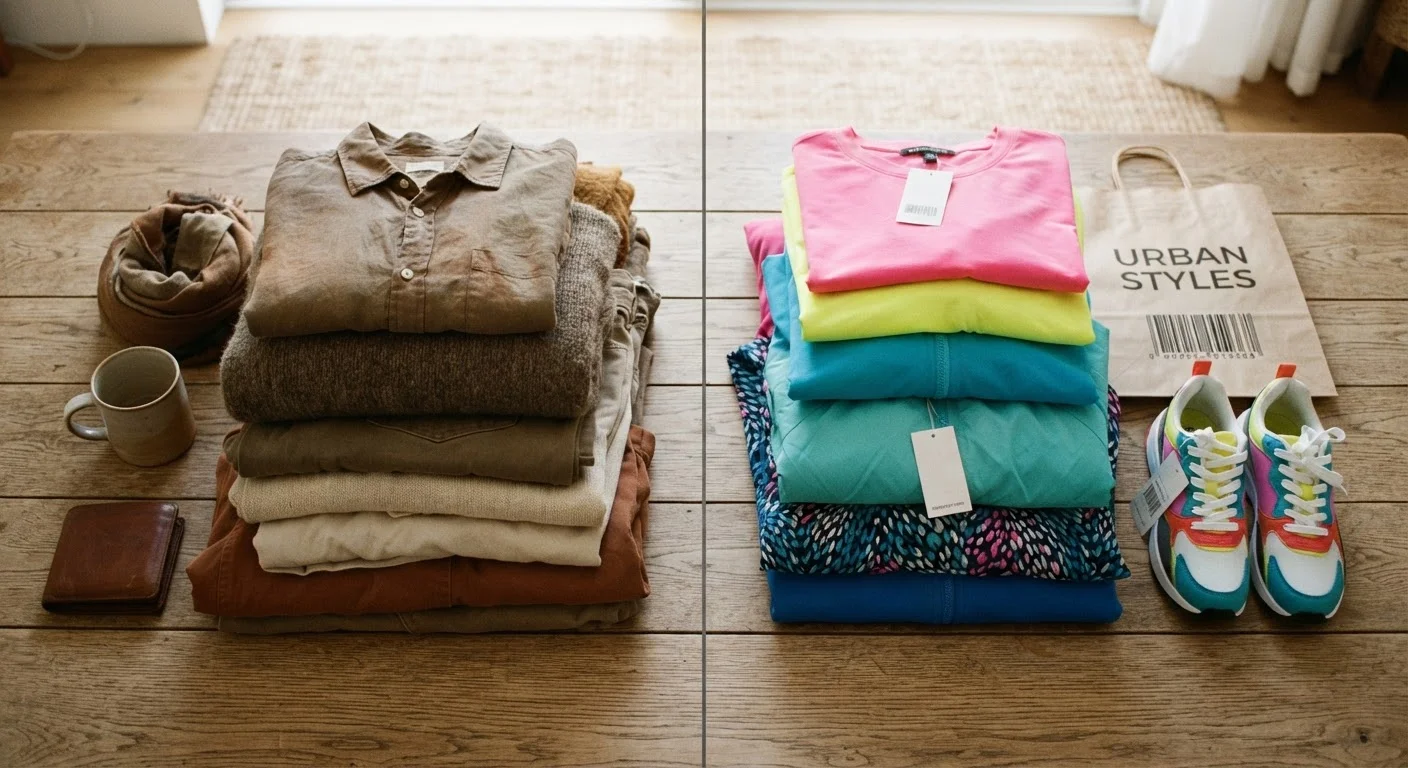
Why Such a Simple Idea Feels So Hard
"Buy less, choose well" is the kind of advice that sounds obvious the moment you hear it — and then evaporates the second you're actually shopping. That gap between knowing and doing isn't a personal failure. It's the result of some very real psychological and environmental forces working against you.
Retail environments — physical and digital — are deliberately designed to trigger impulse decisions. Limited-time messaging, endless scrolling, and algorithmically curated "you might also like" suggestions are all engineered to short-circuit the thoughtful pause that intentional shopping requires. Add to that the sheer volume of options available today, and it's no surprise that many shoppers experience genuine decision fatigue — the same kind of mental exhaustion that affects other areas of daily life where we're asked to choose constantly.
The result: people buy things they don't truly need, not because they're careless, but because the system they're shopping within isn't built for reflection.
Mindful Shopping Looks Different for Everyone
"Buy less, choose well" is a principle, not a prescription. For someone rebuilding a wardrobe from scratch, buying more (thoughtfully) may be entirely appropriate. For someone drowning in options, buying much less is the priority. Context matters — and so does your budget. This kind of intentional thinking applies just as well to other spending areas; for instance, eating well on a budget involves very similar trade-offs between quality, cost, and decision-making load.
The Real Obstacles (Beyond Willpower)
Most conversations about mindful shopping put the burden entirely on the individual. But willpower alone is a weak strategy. A few structural obstacles make intentional purchasing harder than it should be:
- Aspirational buying: We often buy for the life we imagine rather than the one we're actually living — the party dress for events that don't happen, the workout gear for a routine not yet built.
- Unclear wardrobe gaps: Without knowing what you already own and what you genuinely need, every purchase is a guess. Most people wear roughly 20% of their wardrobe 80% of the time, which means the other 80% represents choices that didn't quite land.
- Price anchoring: A low sticker price feels like a win even when the item won't get worn. A more useful lens is cost-per-wear — what you actually pay divided by how many times you'll realistically reach for it.
~20%
Of wardrobe items worn regularly
A commonly cited behavioral pattern suggests most people regularly wear only about 20% of their clothing, leaving the majority rarely or never touched.
60%
Increase in clothing production since 2000
According to the Ellen MacArthur Foundation, global clothing production roughly doubled between 2000 and 2015, with garment utilization rates falling significantly in the same period.
35%
Of clothing worn less than once
Research from the Waste and Resources Action Programme (WRAP) in the UK suggests a significant proportion of purchased clothing is worn fewer times than consumers initially intend.
If you're interested in building a smarter foundation from scratch, a practical wardrobe-building approach can help you identify genuine gaps before adding anything new.
Strategies That Actually Create Change
Changing shopping habits doesn't require a dramatic overhaul. Small, structured shifts tend to be far more durable than sweeping resolutions.
Start with a closet audit, not a shopping trip
Before buying anything, pull out what you own and engage with it honestly. What fits well right now? What do you reach for instinctively? What has tags still attached after a year? The answers are more instructive than any style guide. For a deeper approach, shopping your own closet first is one of the highest-return moves available.
Define your actual lifestyle in writing
A quick, honest inventory of your week — how many days you work from home, exercise, attend social events, handle outdoor tasks — creates a practical brief for what your wardrobe actually needs to do. Buying for your real life, not an edited version of it, reduces regret significantly.
Use a waiting period for non-essentials
A 48-to-72-hour pause before purchasing anything non-essential disrupts impulse momentum without requiring enormous discipline. Most things feel less urgent after a couple of days.
The "Three Item" Rule for New Purchases
Before buying any clothing item, ask yourself: can I name three things I already own that work with this? If you can't, it's a sign the piece may not integrate well into your existing wardrobe — no matter how appealing it looks on its own. This simple filter catches a surprising number of near-misses before they become regrets.
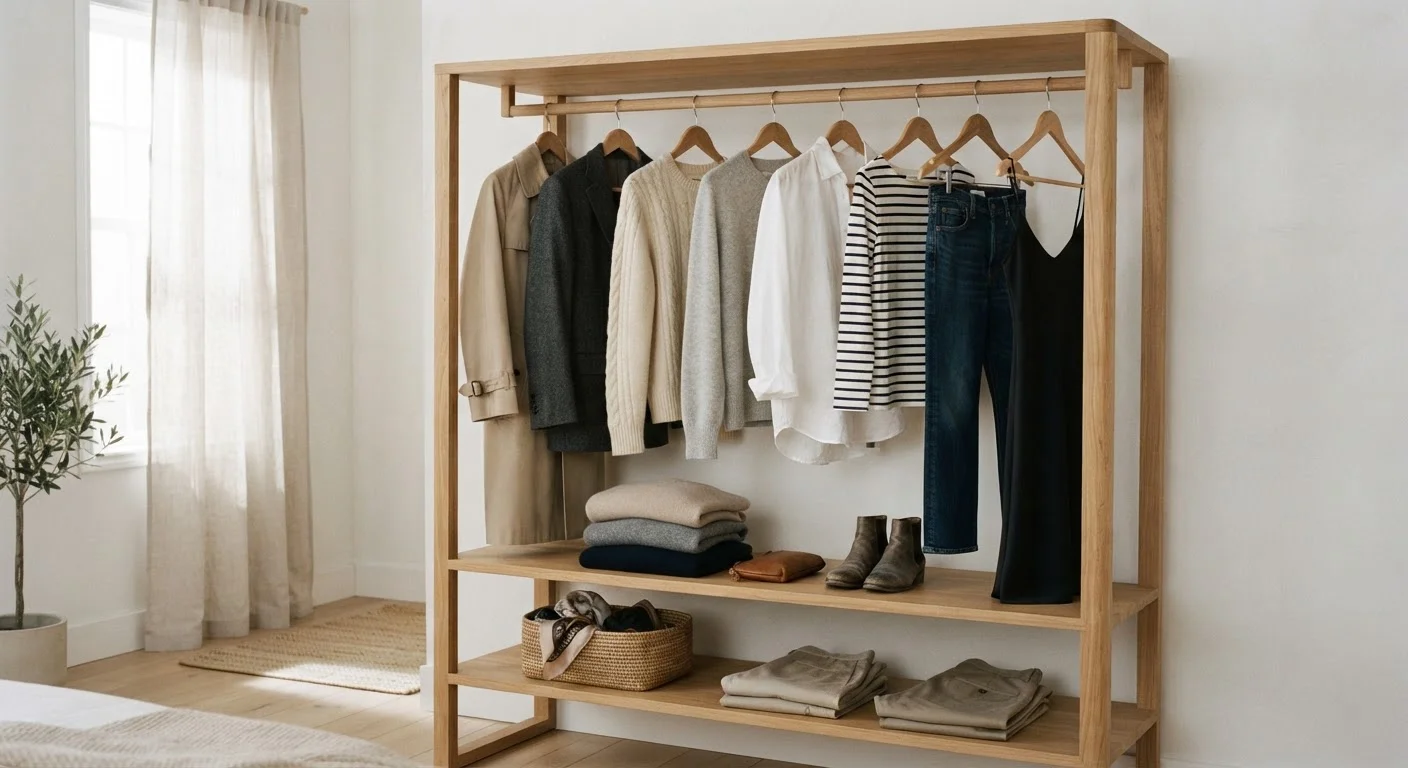
The capsule wardrobe concept offers a structured framework for those who want clearer guidelines on building a focused, functional wardrobe.
Progress Over Perfection
Mindful wardrobe-building is genuinely a skill — and like most skills, it improves with practice rather than appearing fully formed. Early attempts will include mistakes. You'll buy something that seemed right in the store and wear it twice. That's not failure; that's calibration.
The goal isn't a perfect, minimalist wardrobe. It's a gradual shift toward choices that reflect your real preferences, real lifestyle, and real body — not an aspirational version of any of those things. Over time, that shift compounds. The closet gets more useful, the shopping trips get more decisive, and the post-purchase regret fades.
And if you find yourself drawn to the broader question of spending intentionally across other areas of life, the same principles translate well — whether you're thinking about basic budgeting habits or everyday spending decisions. Intentionality, practiced anywhere, tends to spread.