
What Is Pilling and Why Does It Happen?
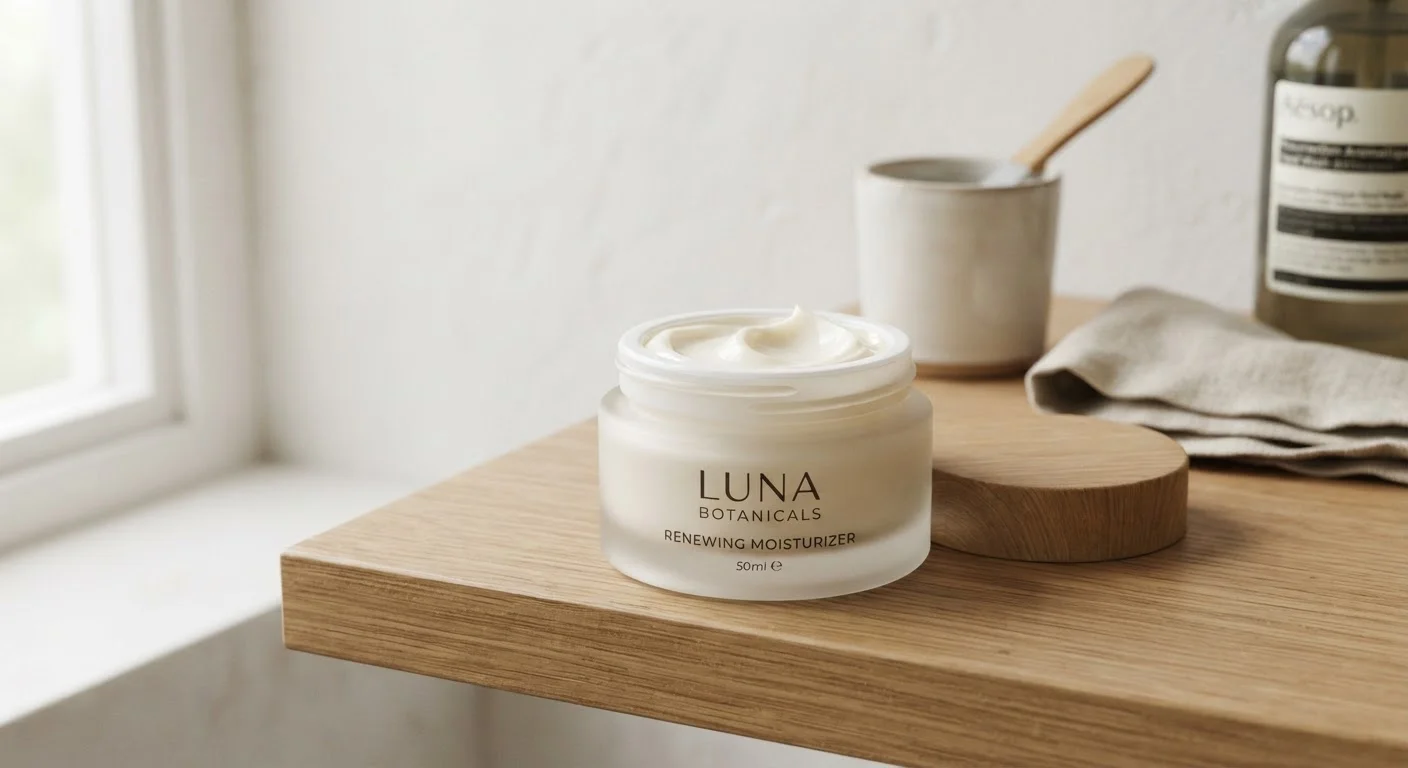
If you've ever noticed tiny grey or translucent balls rolling off your face while applying your moisturizer, you've experienced pilling. It looks a little like eraser shavings, and it's one of the most common frustrations in multi-step skincare routines. The good news: it's almost always fixable.
Pilling occurs when the ingredients in one product can't properly bond with the ingredients beneath it — or when too much product is applied too quickly for the skin surface to accept. The result is that instead of absorbing, the formula sits on top and physically clumps together when touched or rubbed.
Understanding the root causes makes it much easier to prevent. If you've ever wondered why your routine suddenly started pilling even though you've used the same products for months, check out our article on why your moisturizer may feel less effective over time — changes in skin texture or barrier function can also play a role.
~70%
Skincare users who report experiencing pilling
Industry surveys consistently find that pilling is one of the most commonly reported frustrations among multi-step skincare routine users.
30–60 sec
Recommended wait time between skincare layers
Many dermatologists suggest waiting at least 30 to 60 seconds between applying each product to allow partial absorption before the next step.
The Most Common Pilling Mistakes — and How to Fix Them
Most pilling problems trace back to a handful of repeated errors in application technique and product layering. The mistakes below cover the most frequent culprits, along with straightforward ways to correct them.
Layering products without waiting for each one to absorb first.
Why it happens: Modern skincare routines often involve four, five, or more steps, and it's tempting to apply everything at once to save time in the morning.
Layering silicone-based products over water-based formulas.
Why it happens: Silicone and water-based ingredients don't bind well. Because many primers and moisturizers contain silicones (look for ingredients ending in "-cone" or "-siloxane"), they can sit on top of thinner serums and ball up.
Using too much product with each application.
Why it happens: Many people assume more product means better results, but the skin surface can only absorb so much at once. Excess product sits on top and rubs into little balls when friction occurs.
Skipping regular gentle exfoliation, allowing dead skin cell buildup.
Why it happens: A layer of accumulated dead cells on the skin's surface creates an uneven, flaky texture that prevents products from adhering properly, causing them to pill.
Applying sunscreen or moisturizer over a product that hasn't fully set.
Why it happens: Sunscreens, especially mineral formulas, tend to be thick and physically resistant. When spread over a still-tacky serum or treatment, the friction causes both layers to break down and ball up.
Pilling Isn't a Sign of a Bad Product
A product pilling on your skin doesn't mean it's low quality or that your skin is rejecting it. Pilling is almost always a layering or technique issue, not a formulation flaw. Before swapping out products, try adjusting your routine order and application method — you may find those pricey products work beautifully once they're applied correctly.
Once you've nailed down the cause of your pilling, it's worth revisiting your overall evening routine — nighttime is when skin does its deepest repair work, and a well-ordered routine can make a significant difference. Our guide on what to do differently in your evening skincare routine walks through which steps matter most before bed.
Building a Routine That Works Smoothly
Preventing pilling long-term is less about finding the "right" products and more about building a routine with intentional order and technique. A few consistent habits make the biggest difference:
- Always layer lightest to heaviest. Cleanse, then tone or mist, then serum, then moisturizer, then oil or sunscreen. This order aligns with how different textures absorb.
- Pat, don't rub. Pressing products gently into skin minimizes the friction that causes pilling. This small shift in technique is often all that's needed.
- Less is genuinely more. A thin, even layer absorbs far better than a thick application and leaves no excess sitting on the surface.
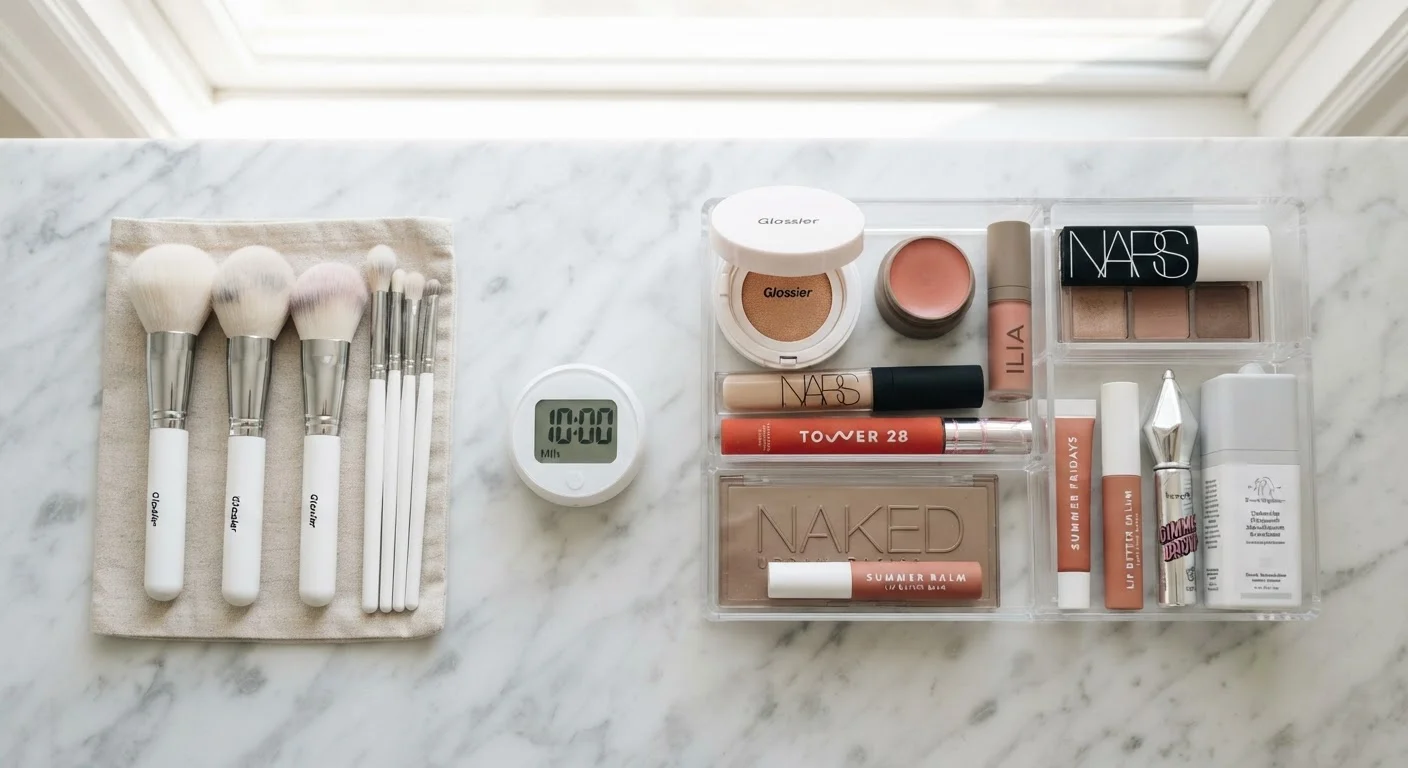
- Keep your application tools clean. Residue on sponges or brushes can interfere with how products sit on skin. Our guide on makeup hygiene habits that protect your skin covers how tool care affects your overall skin health.
Don't Over-Exfoliate to Solve Pilling
It's tempting to scrub more aggressively when pilling happens, but over-exfoliating can strip the skin barrier and cause irritation, redness, or sensitivity. Stick to gentle exfoliation no more than one to three times per week, and always consult a dermatologist if you're unsure what's appropriate for your skin type. More is rarely better when it comes to exfoliation.
This article is for general informational and educational purposes only and is not a substitute for professional dermatological advice. If you have persistent skin concerns, consult a qualified dermatologist.