Why the First Few Months Matter So Much
Between roughly 3 and 16 weeks of age, a puppy's brain is primed to absorb new experiences in a way it never will be again. During this period — commonly called the socialization window — exposure to people, animals, sounds, and environments shapes how the dog interprets the world for the rest of its life. Experiences encountered during this phase tend to be filed as "normal" rather than threatening, laying the foundation for a confident, adaptable adult dog.
After the window closes, the brain becomes more cautious by design — an evolutionary safeguard that makes unfamiliar things more likely to trigger a fear response. This doesn't mean a dog who misses early socialization is beyond help, but it does mean that building confidence later requires considerably more time and effort.
Understanding this timeline is one of the most useful things a new owner can know. It reframes those early weeks from a chaotic adjustment period into a deliberate developmental opportunity — one that repays the effort many times over in a calmer, more adaptable companion. For a parallel look at another early-life priority, see our dog vaccination schedule overview, since timing these two processes together requires some planning.
Quality of Exposure Beats Quantity
A puppy that has three genuinely positive encounters with strangers benefits more than one rushed through twenty interactions. Focus on reading your puppy's comfort level and keeping the emotional tone of each exposure pleasant. One good experience per day adds up quickly over the socialization window.
What Socialization Actually Involves
Socialization is often reduced to "let your puppy meet other dogs," but that framing leaves out most of the picture. A well-socialized puppy has been gently exposed to a wide range of stimuli across several categories:
- People: Different ages, sizes, appearances, and movement styles — including children, people in hats or uniforms, and individuals using walkers or wheelchairs.
- Animals: Other dogs of varying sizes, as well as cats, livestock, or whatever species the dog is likely to encounter in its future environment.
- Sounds: Vacuum cleaners, traffic, thunder, fireworks, power tools, and other common household or outdoor noise.
- Surfaces and environments: Grass, gravel, tile, stairs, car rides, elevators, and veterinary clinics.
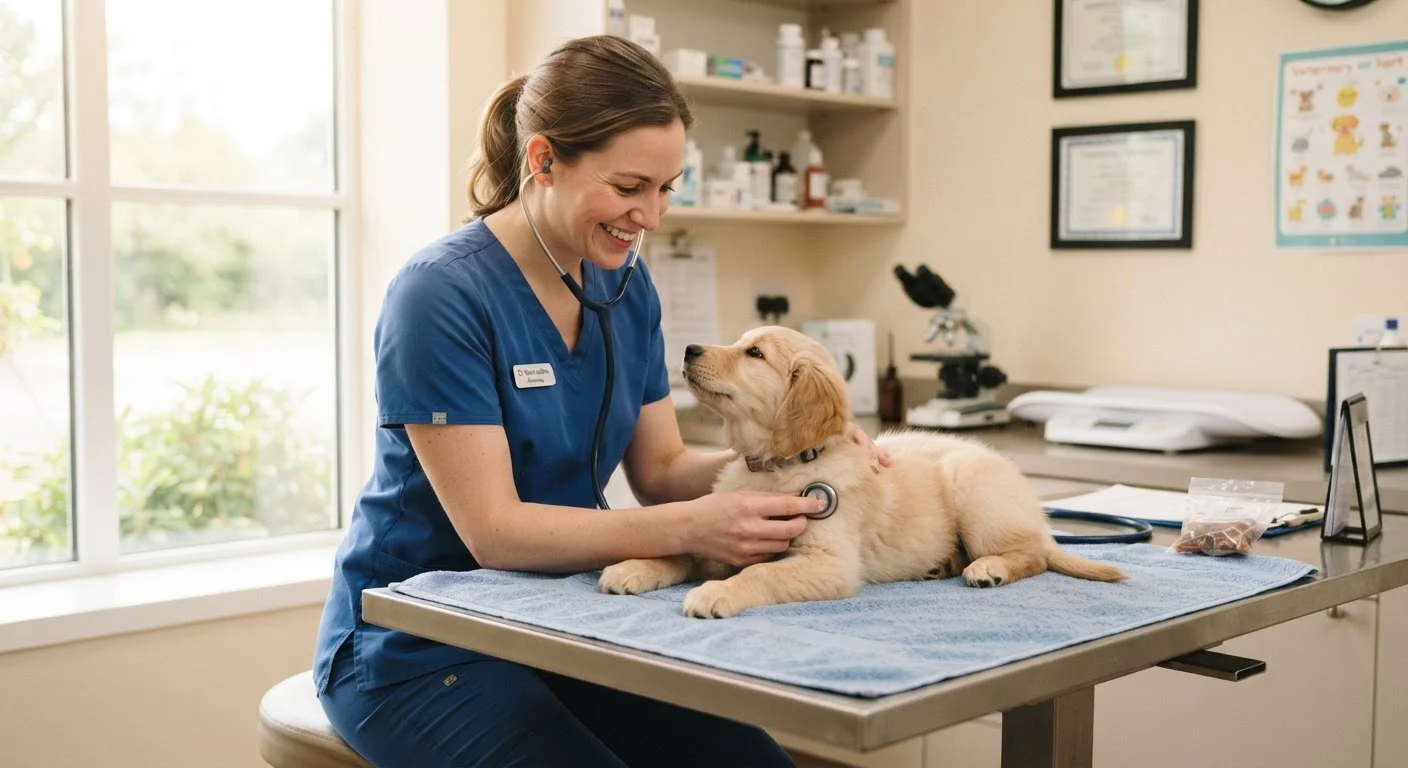
- Handling: Having paws, ears, and mouth touched — preparing the dog for grooming and veterinary exams without distress.
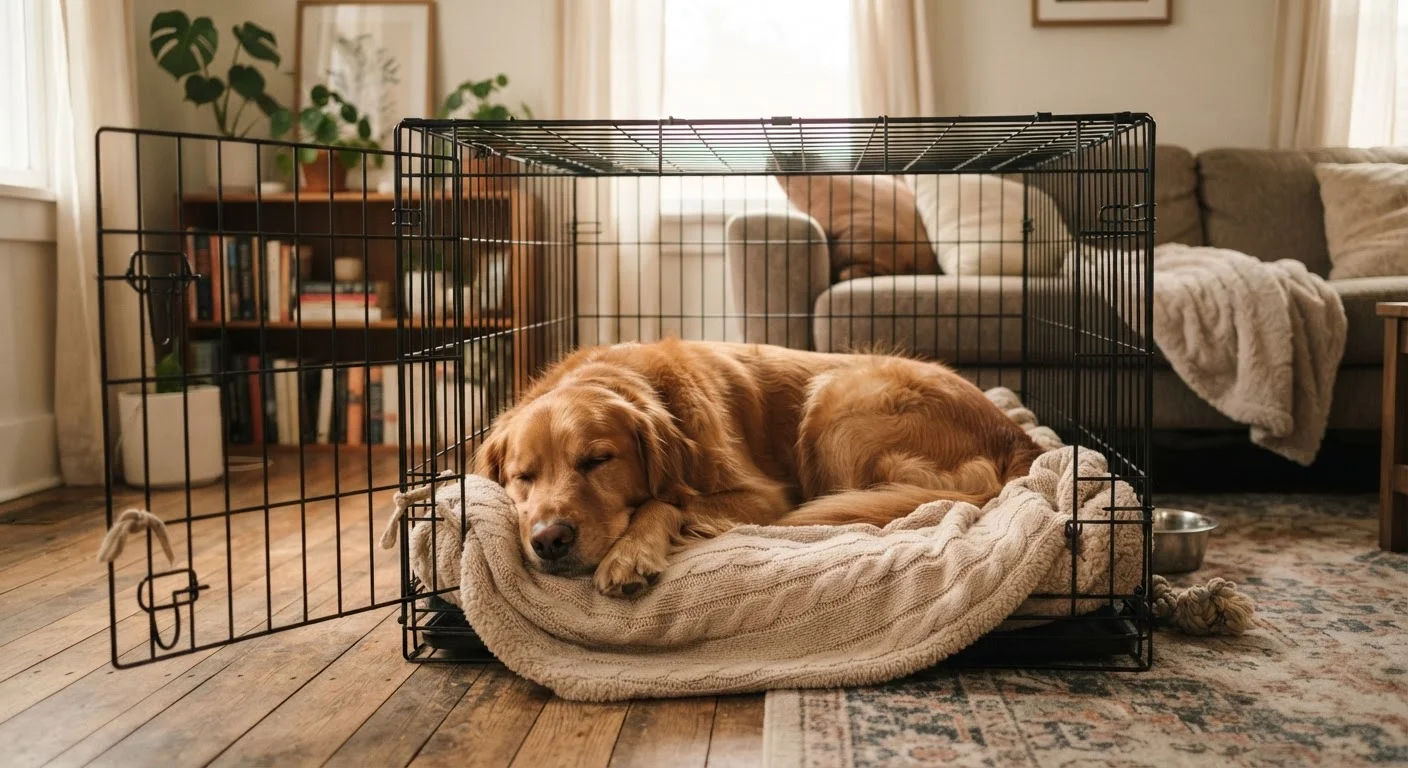
The goal isn't to overwhelm the puppy with stimulation. It's to introduce novelty in small, positive doses so the nervous system learns that new things are typically manageable rather than alarming. Crate training can complement socialization by giving a puppy a predictable, secure base to decompress between outings.
Avoid Flooding and Forced Exposure
Placing a frightened puppy into a stressful situation and waiting for it to "get over it" — a method sometimes called flooding — can worsen fear rather than resolve it. If a puppy is showing clear distress, remove it from the situation and reintroduce the stimulus at a lower intensity in a future session. Progress should always feel voluntary to the puppy.
How to Socialize Your Puppy: Step by Step
Effective socialization follows a consistent approach: keep sessions short, keep the puppy's body language in mind, and pair new experiences with something pleasant. Work through the steps below progressively, adjusting the pace to your individual puppy's comfort level.
What you will need
Start with low-intensity, controlled environments
Begin socialization inside familiar settings before moving to busier public spaces. Invite calm, puppy-friendly adults to visit your home. Let the puppy approach on its own terms rather than placing it in a stranger's lap. Offer a treat immediately after any voluntary social contact.
Introduce novel sounds at low volume
Play recordings of common sounds — city noise, thunderstorms, appliances — at a low volume while the puppy eats or plays. Gradually increase the volume over multiple sessions as the puppy shows no sign of distress. Never use loud sounds to "toughen" a puppy; this approach tends to increase fear rather than reduce it.
Vary surfaces and physical environments
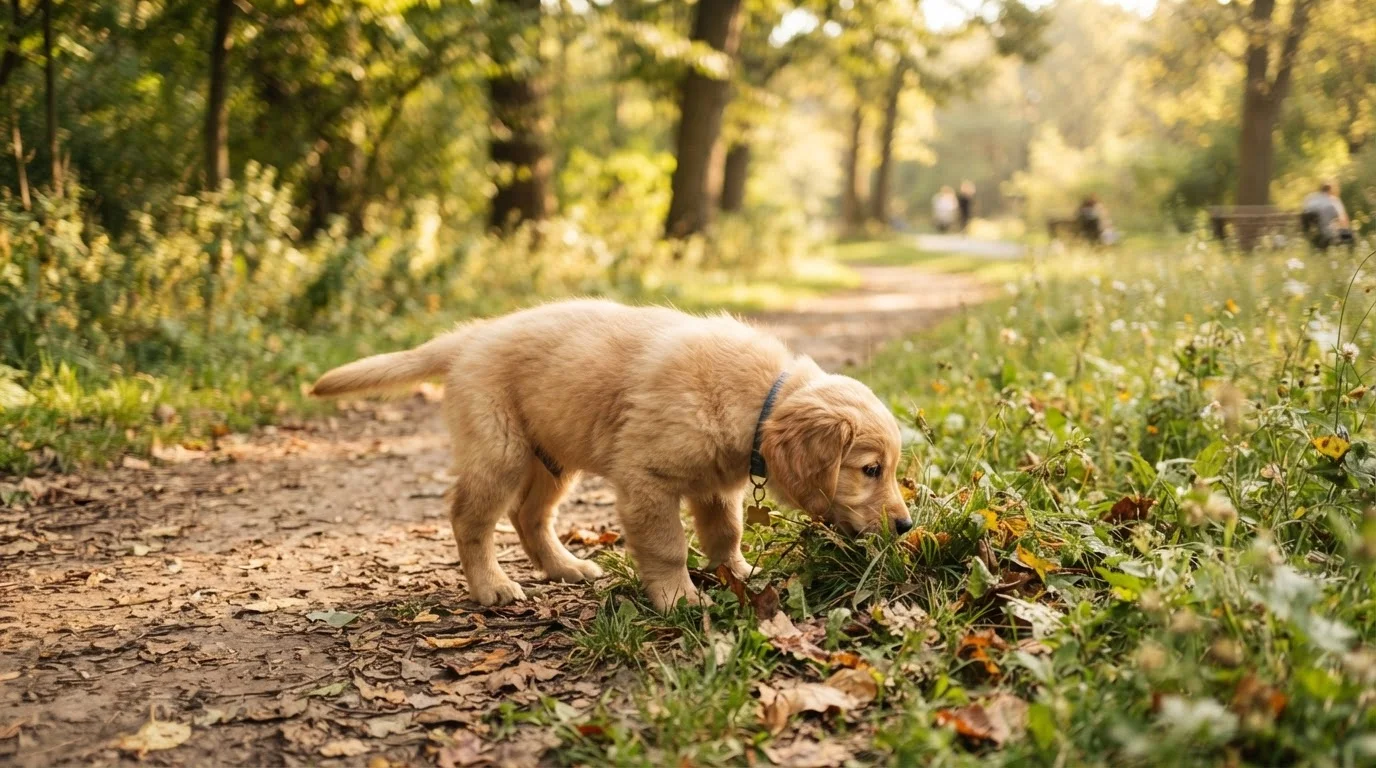
Walk your puppy across different textures — carpet, tile, gravel, grass, and wooden decking. Visit novel locations such as parking lots, pet-friendly stores, or quiet park benches. Each new environment builds the puppy's general confidence, not just comfort with that specific place.
Practice gentle, routine handling daily
Touch your puppy's paws, ears, gums, and tail briefly every day. Pair each type of handling with a treat and keep sessions under two minutes. This builds tolerance for grooming and veterinary examinations, reducing stress during professional care throughout the dog's life.
Arrange supervised dog-to-dog interactions
Introduce your puppy to calm, vaccinated adult dogs or similarly aged puppies in a controlled setting. Puppy classes run by certified trainers are an excellent option — they provide structured, monitored interactions with dogs whose health status is verified. Watch for play that remains mutual; if one puppy consistently tries to escape, separate the animals and reintroduce at a slower pace.
Observe and respect your puppy's threshold
Each puppy has an individual temperament. Some are bold and approach novelty eagerly; others are naturally more cautious. Watch for stress signals — yawning, looking away, lowered body posture — and use them as cues to slow down rather than push harder. Socialization done at the puppy's own pace is far more effective than socialization done on a rigid schedule.
This article is for general informational and educational purposes only and does not constitute veterinary advice. Always consult a licensed veterinarian for guidance specific to your puppy's health, vaccine status, and individual needs.