
Why Preparation Makes All the Difference
Bringing a cat home is exciting — but cats are sensitive to environmental change, and an unprepared space can make their first days unnecessarily stressful for both of you. Working through this checklist before your cat walks through the door means you've already handled the logistics, so you can focus on the relationship.
Whether you're adopting a kitten or a mature adult cat, the same principles apply: safe space, reliable routine, and a veterinary plan in place from day one. For a deeper walkthrough of the transition itself, see our guide to bringing your first cat home.
Supplies and Setup
Home Safety
Veterinary and Health Planning
Feeding and Routine
Essential Tools to Have on Hand
Before working through the checklist, make sure you have the right supplies. The list below covers what you'll need to complete your preparation — not just what you'll eventually buy for your cat's ongoing care.
Litter box and scoop
Required for waste management; choose a box large enough for your cat to turn around comfortably.
Cat carrier
Needed immediately for safe transport to your home and to future vet appointments.
Food and water bowls
Shallow, wide bowls reduce whisker fatigue and are easier for cats to eat and drink from comfortably.
Scratching post or pad
Gives cats an appropriate surface to scratch, protecting furniture and supporting claw health.
Cat-safe cleaning spray
Enzymatic cleaners neutralize odors from accidents without leaving residues harmful to cats.
Pheromone diffuser
Synthetic feline pheromones can help reduce stress and ease a cat's adjustment to a new environment.
Safety-Proofing and Vet Planning
Two of the most commonly overlooked preparation steps are home safety and early veterinary contact. Cats are natural explorers, and many household items — certain houseplants, electrical cords, small objects, and cleaning chemicals — pose real risks to a curious animal.
Lilies Are Extremely Toxic to Cats
All parts of true lilies (Lilium and Hemerocallis species) are highly toxic to cats and can cause rapid kidney failure even in small amounts. Remove any lily plants from your home entirely before your cat arrives. If you suspect your cat has ingested any part of a lily, contact a veterinarian or animal poison control immediately.
Don't Skip the 'Escape Route' Check
New cats — especially those recently rehomed — may bolt when startled. Walk through your home and identify any gaps in fencing, unsecured screens, or doors that open directly to the outdoors. Temporarily confining your cat to a single room while they adjust gives you time to address these risks calmly.
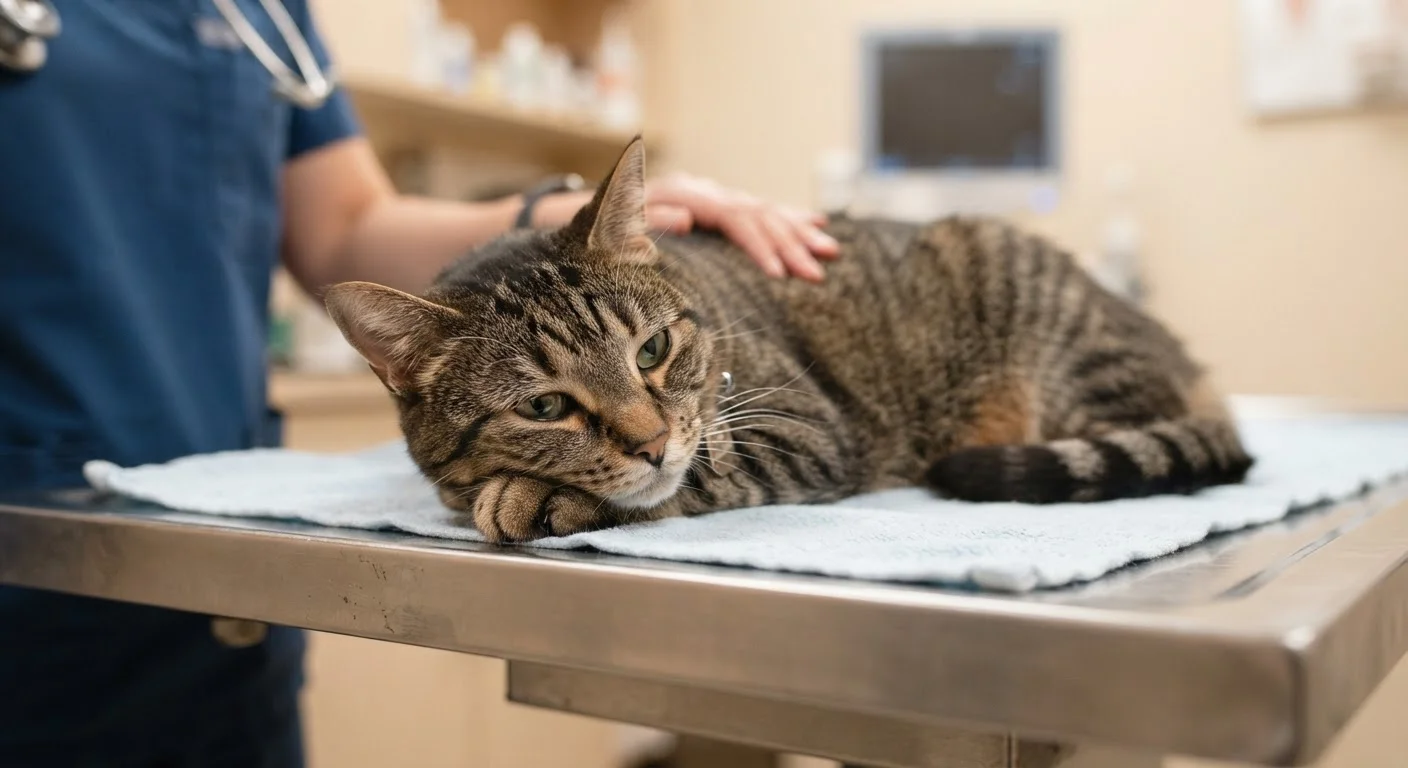
On the veterinary side, establishing a relationship with a vet before problems arise is one of the most valuable things a new owner can do. This includes discussing spay or neuter timing if it hasn't already been addressed. Our article on what cat owners should understand before spaying or neutering covers the key considerations to bring to that conversation.
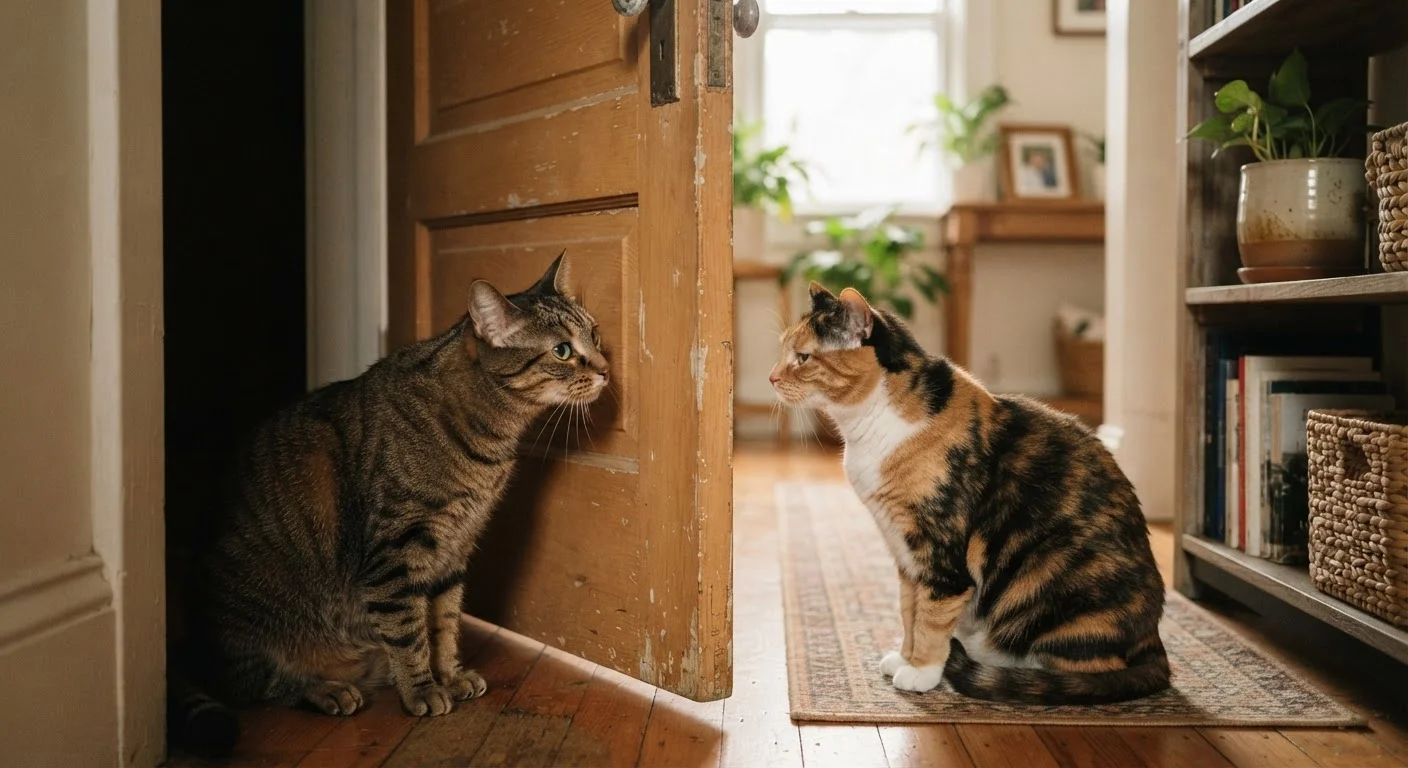
If you're planning to add a second cat down the road, it also helps to understand the introduction process early. Our multi-cat introduction guide outlines a structured, low-stress approach.
Establish Vet Contact Before Problems Arise
Many first-time cat owners wait until something goes wrong to find a veterinarian. Locating and registering with a vet before your cat arrives means you have a trusted point of contact from day one. Some practices have waitlists for new patients, so starting early is practical, not just precautionary.
This article is for general informational purposes only and does not constitute veterinary advice. Always consult a licensed veterinarian for guidance specific to your cat's health and needs.