
The Core Idea Behind Zero-Based Budgeting
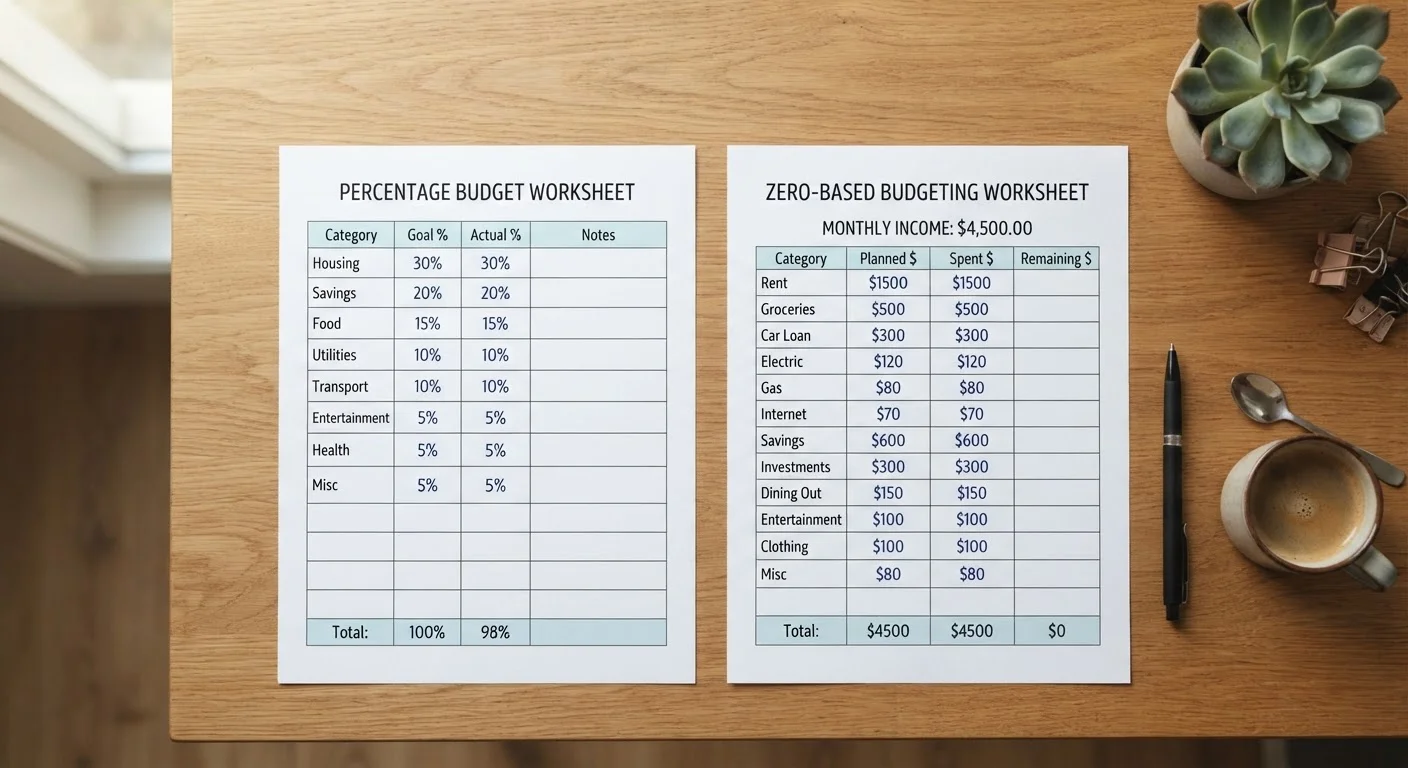
The name sounds intimidating, but the concept is straightforward. Before each month begins, you list your total expected income. Then you assign every dollar to a category — rent, groceries, utilities, savings contributions, debt payments, even entertainment — until the remaining unallocated balance reaches zero.
That final zero isn't about being broke. It's about being deliberate. A dollar sitting in your checking account without a job tends to get spent on something forgettable. Giving it a label — even if that label is "emergency fund contribution" — means it's working for you.
This is fundamentally different from tracking spending after the fact. Most people check their bank accounts and discover where their money went. Zero-based budgeting asks you to decide where it's going first, then follow that plan. See our guide to building your first personal budget if you're starting from scratch.
~33%
Americans with a written monthly budget
Various consumer finance surveys consistently find that fewer than one in three Americans maintain a formal written budget, despite widespread awareness of budgeting benefits.
$500+
Average monthly untracked discretionary spending
Financial wellness research suggests many households underestimate discretionary spending by several hundred dollars per month when budgeting from memory rather than tracking.
How to Actually Build One
Start with your net monthly income — what actually lands in your bank account after taxes and deductions. If your income varies, use a conservative estimate based on your lower months.
Next, list every spending category you can think of: fixed expenses like rent and insurance, variable necessities like groceries and fuel, discretionary categories like dining out and subscriptions, and then savings goals and any debt minimums or extra payments. Assign a dollar amount to each.
When your total allocations match your income, you're done. If you have money left over, that's not success yet — it means you haven't finished assigning. Add it to savings, a debt payment, or a category you underestimated. If your allocations exceed income, trim categories until they balance.
Track Your First Month Before Guessing
If you've never tracked spending closely, your first zero-based budget will have rough category estimates. That's fine — treat month one as a data-gathering exercise. Review what you actually spent, then use those real numbers to build a more accurate budget in month two. Most people find their estimates are off by 20–30% in at least a few categories.
The comparison between zero-based and percentage-based budgeting can help you decide which framework suits your situation if the monthly rebuild feels like too much maintenance.
When This Method Makes the Most Sense
Zero-based budgeting delivers the most value in specific situations. If you consistently reach the end of the month wondering where your money went, the forced pre-assignment process closes that gap. Every dollar has an address before it can wander.
It's also particularly effective when you're actively paying down debt or working toward a savings goal with a hard deadline — like building an emergency fund or saving for a down payment. The method makes trade-offs visible. Want to spend more on dining out? You'll see immediately which category has to shrink to accommodate that.
People with variable income can adapt zero-based budgeting, though it takes more adjustment. Budget from your minimum expected income, then allocate any surplus as it arrives rather than leaving it unassigned.
That said, this approach isn't for everyone. It requires consistent monthly effort and category-level attention that some people find tedious. For those whose finances are already steady, a simpler framework explored in this introduction to personal budgeting might be less friction for similar results.
For anyone ready to explore common misconceptions that might be holding them back, budgeting myths that keep people from starting is a useful companion read.
This article is for general informational and educational purposes only and does not constitute personalized financial advice. Consider consulting a qualified financial professional for guidance tailored to your specific circumstances.