
Why Asking Questions Before You Sign Matters
Insurance policies are legal contracts, and what you don't ask about before signing can hurt you just as much as what you don't read. Gaps in coverage, unexpected exclusions, and mismatched deductibles are the kinds of surprises that only surface at the worst possible moment — when you're filing a claim.
This checklist is designed to help you slow down before you commit. It applies across the four most common personal insurance types: health, auto, home, and life. Use it in conversation with an agent or adviser, and alongside the policy documents themselves. For a deeper look at how policies are structured, see our First-Timer's Guide to Reading an Insurance Policy.
This article is for general informational purposes only and is not personalized insurance, financial, or legal advice. Coverage, terms, and eligibility vary by provider and state. Always read your actual policy documents and consult a licensed insurance agent or adviser before making any coverage decisions.
Verbal Assurances Don't Count
If an agent tells you something is covered but it isn't written into the policy, that verbal statement generally won't hold up if you file a claim. Always ask for any coverage assurances to be shown to you in the actual policy document. If a feature matters to you, verify it in writing before you sign.
Tools You'll Want Nearby
Before working through the checklist, gather a few resources that will make your review more productive and accurate.
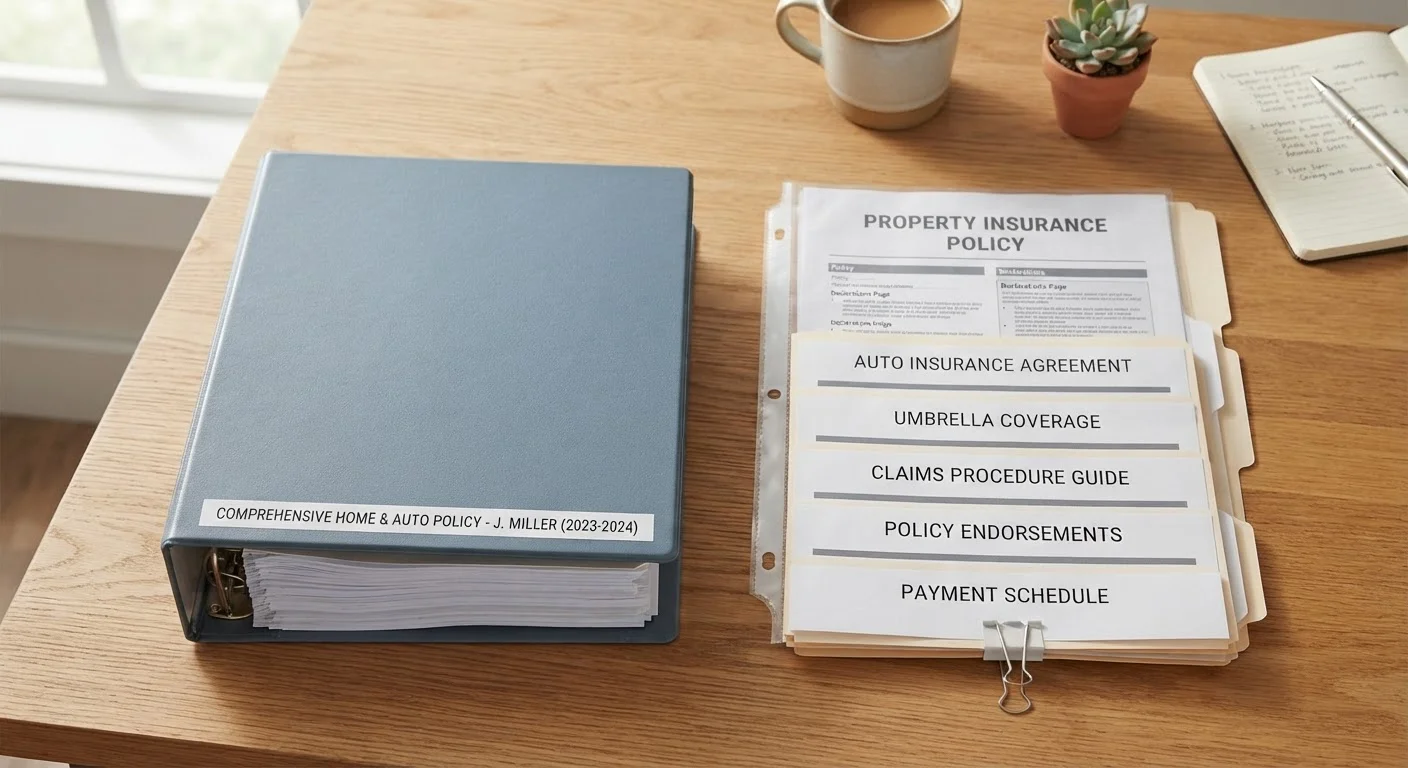
The policy document (declarations page and full policy)
Contains the binding terms, limits, exclusions, and definitions that govern your coverage.
Licensed insurance agent or broker
Can explain policy language in plain terms and clarify how specific provisions apply to your situation.
Your current policy (if replacing coverage)
Helps you spot coverage gaps or changes when comparing an existing policy to a new one.
List of your current providers, medications, or assets
Lets you verify whether specific doctors, prescriptions, or property are covered under the policy being reviewed.
The Questions to Ask
Work through these groups in order, or jump to the section most relevant to the policy type you're reviewing. The Complete Walkthrough of the Insurance Selection Process provides additional context for each stage.
Coverage Fundamentals
Costs Beyond the Premium
Claims Process
Policy-Type Specific Questions
Renewal, Cancellation, and Changes
Don't Rely on a Summary Sheet Alone
Insurers often provide a brief summary of benefits or a coverage highlights sheet. These are useful starting points but are not the binding contract. Important exclusions and conditions are typically spelled out only in the full policy document. Always ask to see — and read — the complete policy before agreeing to coverage.
If you're comparing whether to bundle multiple policies together or buy them separately, the trade-offs are worth understanding on their own terms — see our piece on bundling policies vs. buying separately.