What Bundling Actually Means
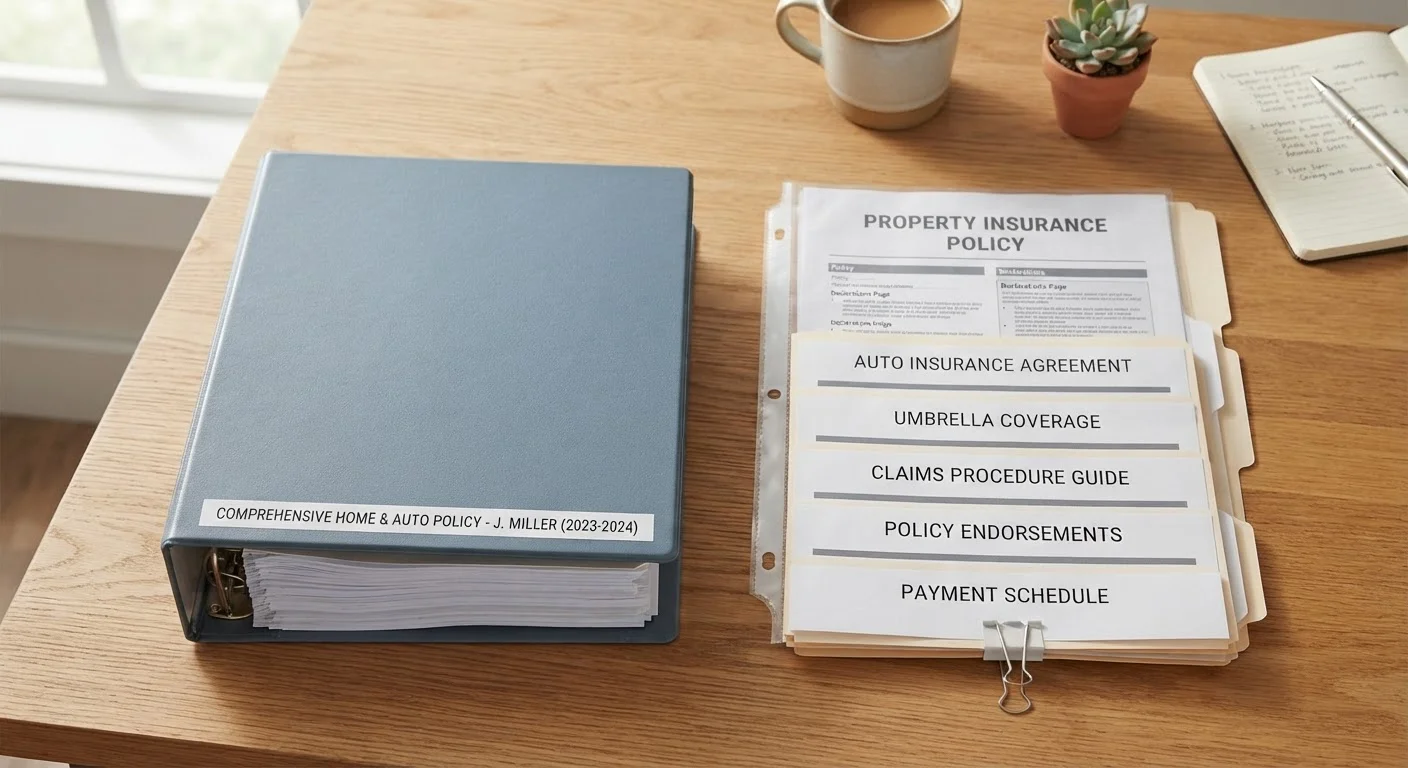
Bundling, in insurance terms, means purchasing two or more policies — most commonly homeowners and auto — from the same provider. Insurers typically reward this with a multi-policy discount, sometimes called a bundle discount, applied to one or both premiums.
The appeal is straightforward: one company, one billing relationship, and a reduced combined cost. But bundling is a commercial arrangement, not a coverage standard. What counts as a bundle, how large the discount is, and which policies qualify all vary by provider. Before assuming you're getting a deal, it helps to understand what you're actually comparing.
If you're still sorting out which types of coverage you need in the first place, start with this overview of evaluating your coverage needs before weighing bundling decisions.
The Case for Bundling
The clearest argument for bundling is cost savings. Multi-policy discounts can meaningfully reduce your total annual premium. Beyond price, bundling cuts administrative friction — one renewal date, one contact for claims involving both policies, and one set of login credentials to manage.
There's also a potential loyalty benefit. Some insurers offer additional perks to long-term bundled customers, such as accident forgiveness or diminishing deductibles. And if a single incident involves both your home and vehicle (a tree falling on your car in your driveway, for example), having one insurer handle the claim can simplify coordination.
5–25%
Typical multi-policy discount range
Industry sources generally cite multi-policy discounts in this range, though actual savings vary by provider, state, and individual risk profile.
2 in 3
Homeowners who also bundle auto
Surveys of U.S. insurance consumers consistently show that a majority of homeowners purchase their auto coverage from the same provider.
That said, the discount percentage you see advertised is an estimate — your actual savings depend on your location, credit-based insurance score, claims history, and the specific policies involved. Treat any quoted percentage as a starting point for comparison, not a guaranteed outcome.
The Case for Buying Separately
Buying policies separately lets you optimize each one independently. Your state may have highly competitive auto insurance options that a single bundling provider can't match. Or your home's construction type, location, or age may mean one specialist insurer offers significantly broader coverage than a generalist bundler.
Separate purchasing also protects you from a common hidden cost: a below-average policy in one category propping up a bundle discount in another. If your bundled home policy has a high deductible or weak personal property limits, the "savings" may be costing you in coverage quality.
Watch for Coverage Gaps in Bundle Packages
Some bundled policies are structured to maximize the appearance of savings while quietly reducing coverage limits or increasing deductibles. A lower combined premium isn't a win if it comes with a higher out-of-pocket exposure after a claim. Read both policies in full, not just the premium summary.
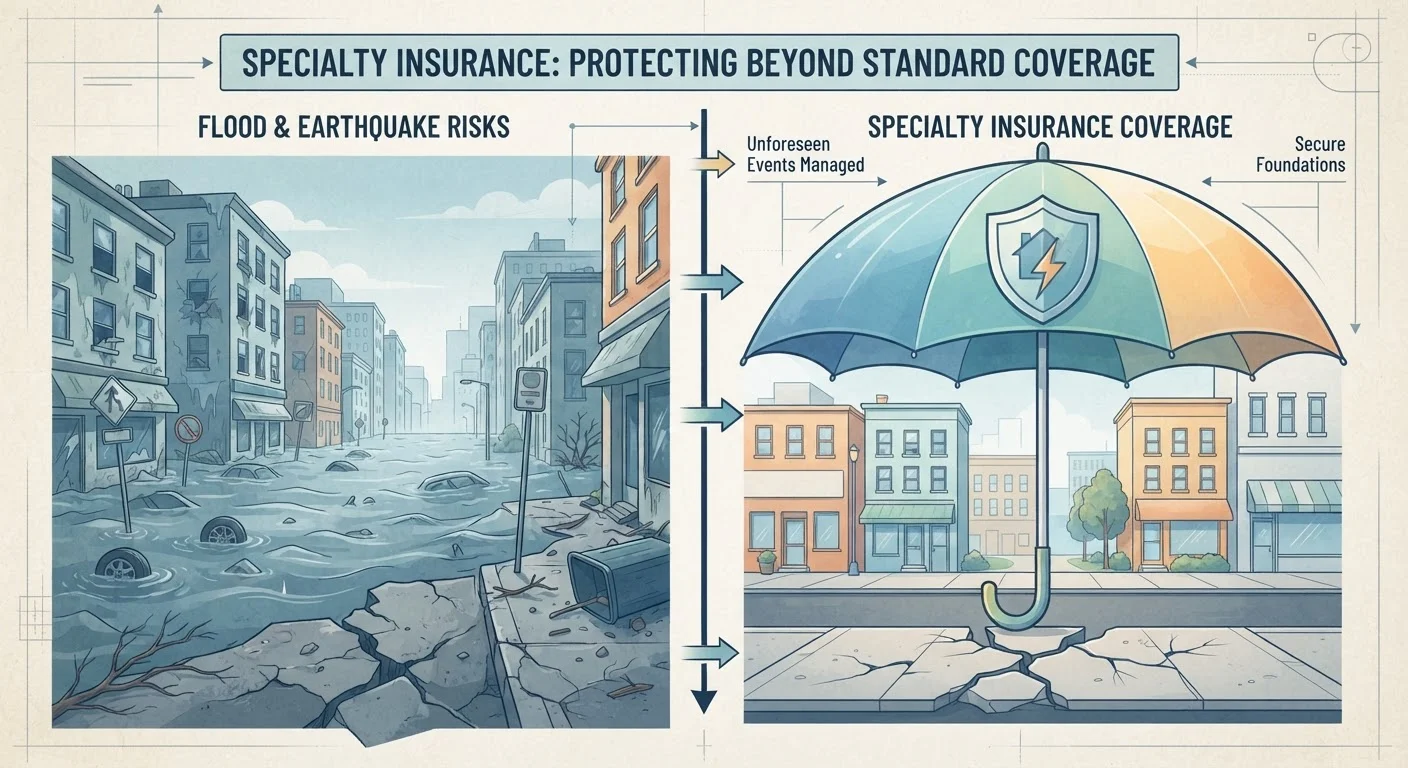
It's also worth noting that some risks fall entirely outside standard bundle offerings. Flood, earthquake, and umbrella coverage are typically separate purchases regardless of whether you bundle your home and auto — so those gaps exist either way.
How to Compare Them Fairly
A valid comparison requires actual quotes, not estimates. Get a bundled quote from at least one provider, then price out the same coverage levels from separate carriers. Use identical deductibles, liability limits, and coverage features so you're comparing like for like.
| Bundling Policies | Buying Separately | |
|---|---|---|
| Cost | Often lower via multi-policy discount | Potentially lower if best-in-class rates are found |
| Coverage quality | Limited to one provider's offerings | Mix strongest policies from multiple providers |
| Administrative simplicity | One insurer, one billing cycle | Multiple relationships to manage |
| Flexibility | Switching one policy may affect discount | Each policy can be changed independently |
| Claims involving multiple assets | Single-insurer coordination can be simpler | May require coordination between insurers |
| Specialist coverage access | May be limited by bundler's product range | Full access to niche or specialist providers |
Pay close attention to what each policy actually covers, not just what it costs. Asking the right questions before agreeing to any policy can surface exclusions or limits that a premium comparison alone won't reveal. And before signing anything, review these key questions about new policy terms to avoid surprises later.
One more variable: the relationship between your premium and your deductible can shift dramatically depending on whether you're bundled or not. Make sure the total cost picture — including what you'd owe out-of-pocket after a claim — is part of your comparison.
This article provides general insurance information for educational purposes only and does not constitute personalized insurance, financial, or legal advice. Coverage terms, discounts, and eligibility vary by provider and state. Consult a licensed insurance agent or adviser for guidance specific to your situation.