
How Your Brain Processes a Cluttered Room
Your brain is constantly scanning your environment, cataloging what it sees and deciding what requires attention. In a tidy space, this process is quiet and efficient. In a cluttered one, the sheer number of objects competing for your attention creates what psychologists call cognitive overload — a state where your mental processing capacity is being used up just managing visual noise.
Every misplaced item, unread stack of mail, or counter covered in objects functions as an open loop in your mind. Your brain registers these as incomplete tasks that still need resolution. The result is a sustained, low-grade stress response that runs in the background even when you're trying to relax. Over time, this quiet drain can contribute to fatigue, difficulty concentrating, and irritability.
54%
Adults overwhelmed by home clutter
A survey by the National Association of Professional Organizers found that over half of American homeowners feel their clutter is a problem they haven't addressed.
1 hour
Daily time lost searching for misplaced items
Estimates from organizational research suggest the average American spends roughly an hour per day looking for items they cannot immediately locate.
This is not a personal failing. It reflects how human cognition is wired. Understanding that your environment genuinely affects how your brain operates is the first step toward addressing it practically.
The Cortisol Connection: What Research Suggests
Environmental psychology researchers have explored the relationship between home disorder and physiological stress markers. While this field is still developing, some studies have measured cortisol — a hormone your body releases in response to stress — at higher levels in individuals who described their homes as cluttered versus those who experienced their homes as orderly or restorative.
Importantly, the emotional language people use about their homes appears to matter. Describing a home as a refuge is associated with lower stress, while words like chaotic or unfinished correlate with higher reported fatigue and depressed mood, particularly among women who bear greater household management responsibilities. This doesn't mean organization is only a women's concern — it highlights that whoever feels responsible for a space tends to feel its disorder most acutely.
“A cluttered space is a visual representation of a cluttered mind. When we can't find peace in our physical environment, it becomes much harder to find it internally.”
— Sherrie Bourg Carter, Psychologist and author writing on stress and environment
For a broader look at how ongoing stress physically affects the body, see what happens when stress becomes chronic.
Room-by-Room: Where Clutter Hits Hardest
Not all clutter is equally stressful. The impact depends on how much time you spend in a space and what mental state you need it to support.
- Bedroom: This is your recovery space. Visual disorder here disrupts the transition into rest and is associated with poorer sleep quality. Reducing surfaces with items on them — even starting with a single nightstand — can make a perceptible difference.
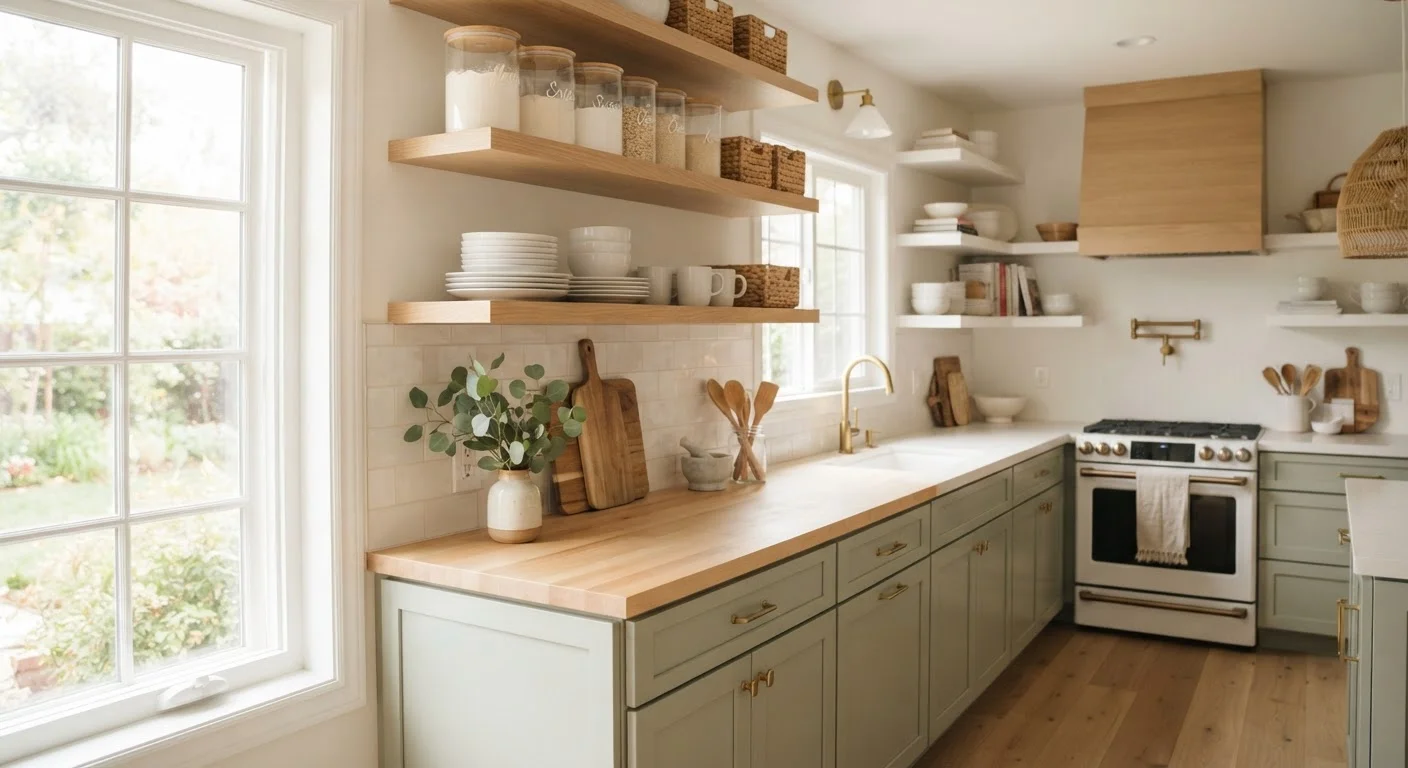
- Kitchen: Counter clutter increases meal-time friction, which can make cooking feel like a burden rather than a routine. See practical strategies for clearing kitchen countertops for a focused approach.
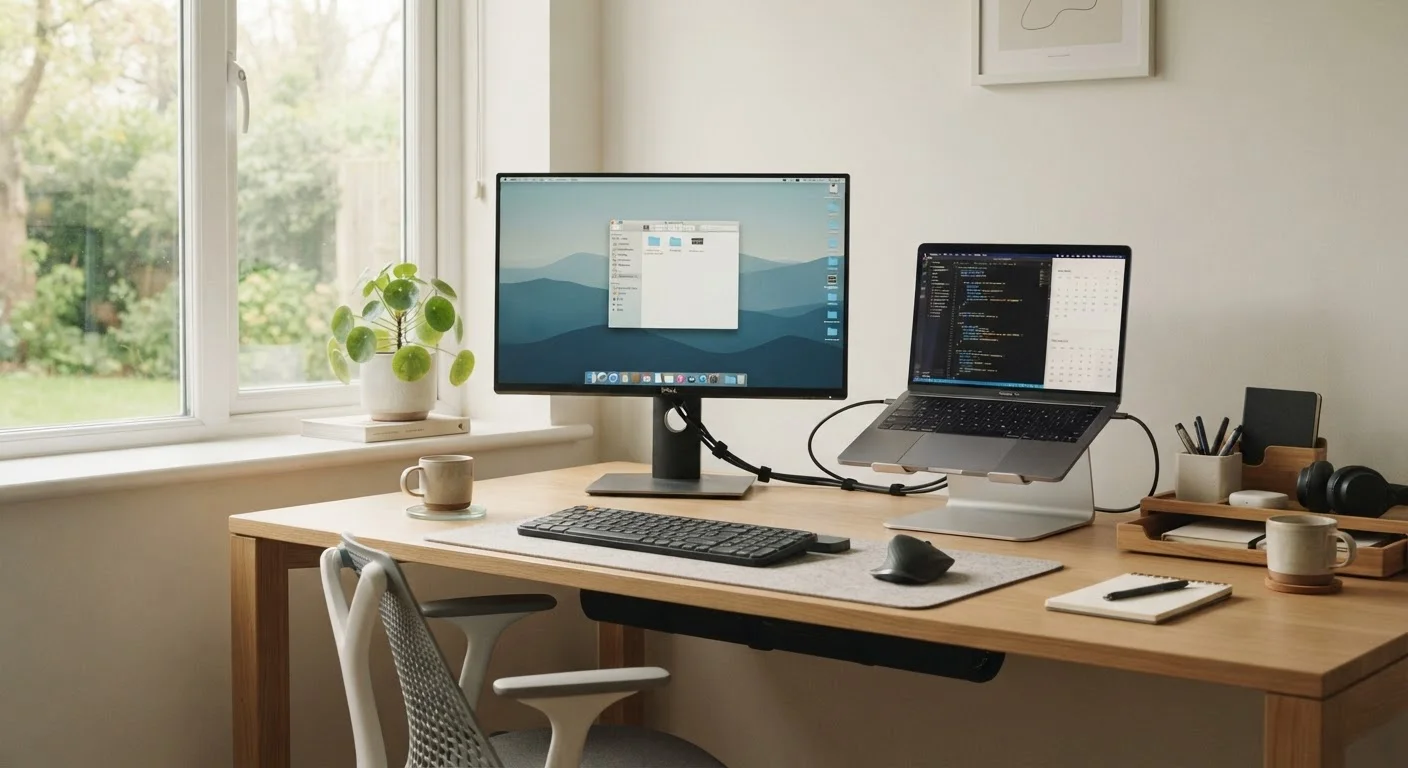
- Home office or work area: Desk disorder directly competes with focus. Cable tangles, stray devices, and paper piles all add to cognitive load exactly when you need clarity. Organizing a tech-heavy workspace addresses this specific challenge.
Start With a 15-Minute Zone
Choose one small, defined area — a nightstand, a kitchen counter section, or a desk corner — and spend just 15 minutes clearing it completely. This builds the habit of completion and gives you a tangible, calming result without requiring a full day's commitment. Once that zone holds, expand gradually.
Addressing one room at a time prevents the overwhelm that often stops people before they start, and it lets you observe the mood shift from a single, completed space before expanding your efforts.
Practical Principles for Getting Started
Organization advice can itself feel overwhelming — especially when it seems to demand a full weekend or a perfectly curated result. Most of what keeps homes cluttered, though, is rooted in a handful of persistent misconceptions. Common decluttering myths are worth examining before you begin, since they shape whether your efforts stick.
A few grounded principles tend to help:
- Start with visibility, not volume. Clearing what you see first — counters, floors, and entryways — produces the strongest immediate psychological payoff because these are the surfaces your brain processes most frequently.
- Use the one-in, one-out rule. For every new item brought into a room, one leaves. This prevents re-accumulation without requiring ongoing purge sessions.
- Create a home for everything. Items without a designated place tend to migrate to any flat surface. Assigning locations reduces the decision fatigue that leads to pile-ups.
Clutter-related stress also sometimes overlaps with broader habits that quietly worsen daily anxiety. Understanding those patterns can help you approach both your environment and your coping strategies more intentionally. For ongoing strategies that support a calmer home life overall, explore the Mental Wellness hub.
This article is for general informational purposes only and does not constitute medical or psychological advice. If you are experiencing significant anxiety or mental health challenges, please consult a qualified healthcare professional.