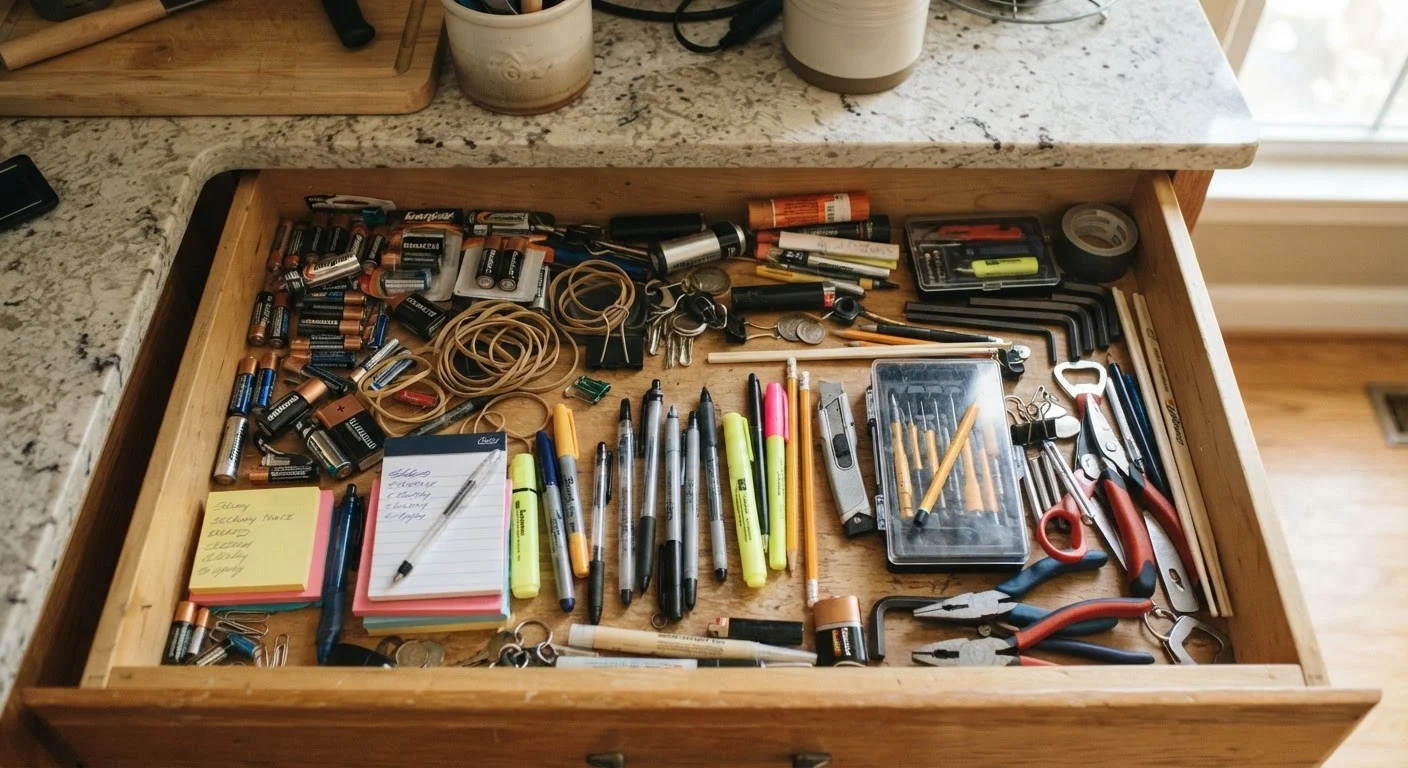
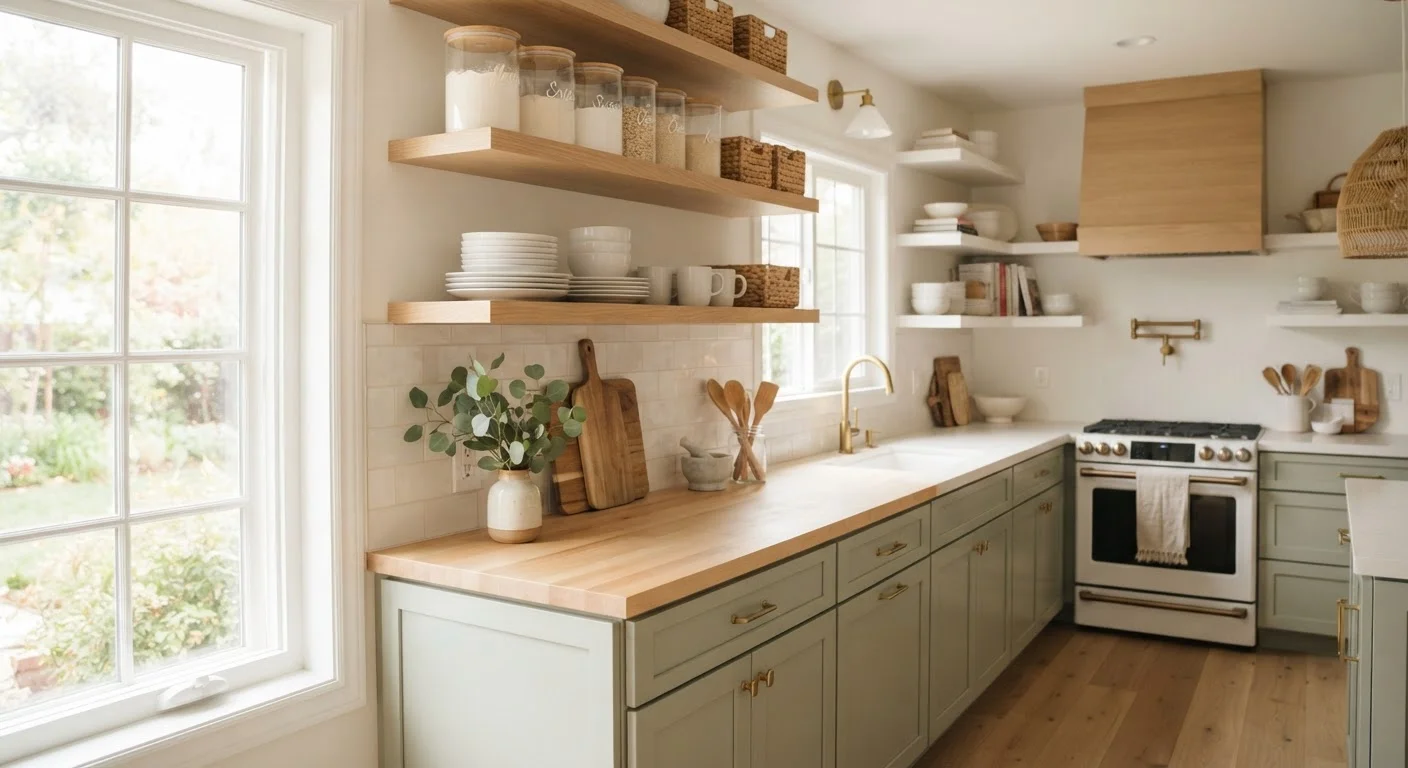
Why Kitchen Clutter Feels So Overwhelming
The kitchen is the most used room in most homes, which means it accumulates clutter faster than almost any other space. Unlike a spare bedroom that can stay chaotic without much daily consequence, a disorganized kitchen creates friction every time you cook, clean, or even reach for a glass. That friction adds up.
Research in environmental psychology consistently suggests that cluttered spaces contribute to elevated stress and reduced focus — though how much impact varies from person to person. If your kitchen feels like a source of low-level daily stress, you're not imagining it. Many people find that reducing visible clutter in their home environment supports a greater sense of calm and control, similar to the mental relief described in practices like reflective journaling.
The good news: you don't need a full weekend or a ruthless minimalist mindset. A focused, zone-by-zone approach gets real results in a single afternoon. Before you start, it helps to question any assumptions that might slow you down — common decluttering myths like "I'll use it someday" deserve scrutiny before you begin.
What you will need
What You'll Need Before You Start
Preparation makes the difference between a productive session and an abandoned pile of stuff on the floor. Gather your sorting boxes and clear your schedule. Set a realistic scope — you don't have to tackle every cabinet in one go. Completing two or three zones thoroughly is more valuable than half-finishing the entire kitchen.
Labeled sorting boxes or bags
Used to physically separate items into Keep, Donate, Discard, and Relocate categories as you work through each zone.
Drawer dividers or small bins
Helps group like items together in drawers and cabinets after decluttering is complete.
Masking tape and marker
Useful for temporarily labeling shelves or containers while you decide on your final organization system.
Don't Reorganize Before Decluttering
A common mistake is buying storage bins or organizers before deciding what stays. Organizing clutter just relocates the problem. Always sort and remove items first, then assess how much storage you actually need for what remains.
Keep your notepad handy as you work. You may discover items you want to replace, consolidate, or research further. Writing those notes down frees your mind to keep moving rather than stopping to deliberate on every decision.
Keeping It Clutter-Free After You Finish
The hardest part of kitchen organization isn't the initial declutter — it's preventing the slow creep of clutter back in. A few simple habits make a significant difference.
Use the 'One In, One Out' Rule
Once your kitchen is decluttered, adopt a simple maintenance rule: every time a new item enters the kitchen, an old one leaves. This habit alone prevents clutter from quietly rebuilding over the following weeks and months.
Spend five minutes at the end of each day returning items to their designated spots. Weekly, do a quick scan of the countertops and remove anything that has drifted in from other rooms. Periodically — every few months — do a lighter version of the pantry audit to catch expired items before they accumulate again.
For homes dealing with technology-related clutter in adjacent spaces, organizing cables and home office clutter follows many of the same principles applied here. The core idea holds in every room: less stuff that you actually use means less daily friction.
Check Expiration Dates Carefully
When clearing your pantry, inspect all packaged goods, spices, and oils for expiration dates before deciding to keep them. Expired cooking oils can turn rancid and affect the flavor of meals. When in doubt, discard and replace.