Why Insulation Myths Cost Homeowners Real Money
Insulation is one of those home systems most people never think about until their energy bills spike or a contractor flags a problem. That invisibility makes it fertile ground for misconceptions. Homeowners pass down half-truths from one renovation to the next, and those myths quietly lead to wasted spending, discomfort, and missed energy savings.
The good news: once you understand how insulation actually works, decisions become much clearer. Whether you're planning a renovation, buying a home, or just trying to stay warmer this winter, separating fact from fiction is the first productive step. For a deeper look at one of the most misunderstood metrics in the field, see what R-value actually tells you about insulation.
Myth
A higher R-value is always better, no matter where you live.
Fact
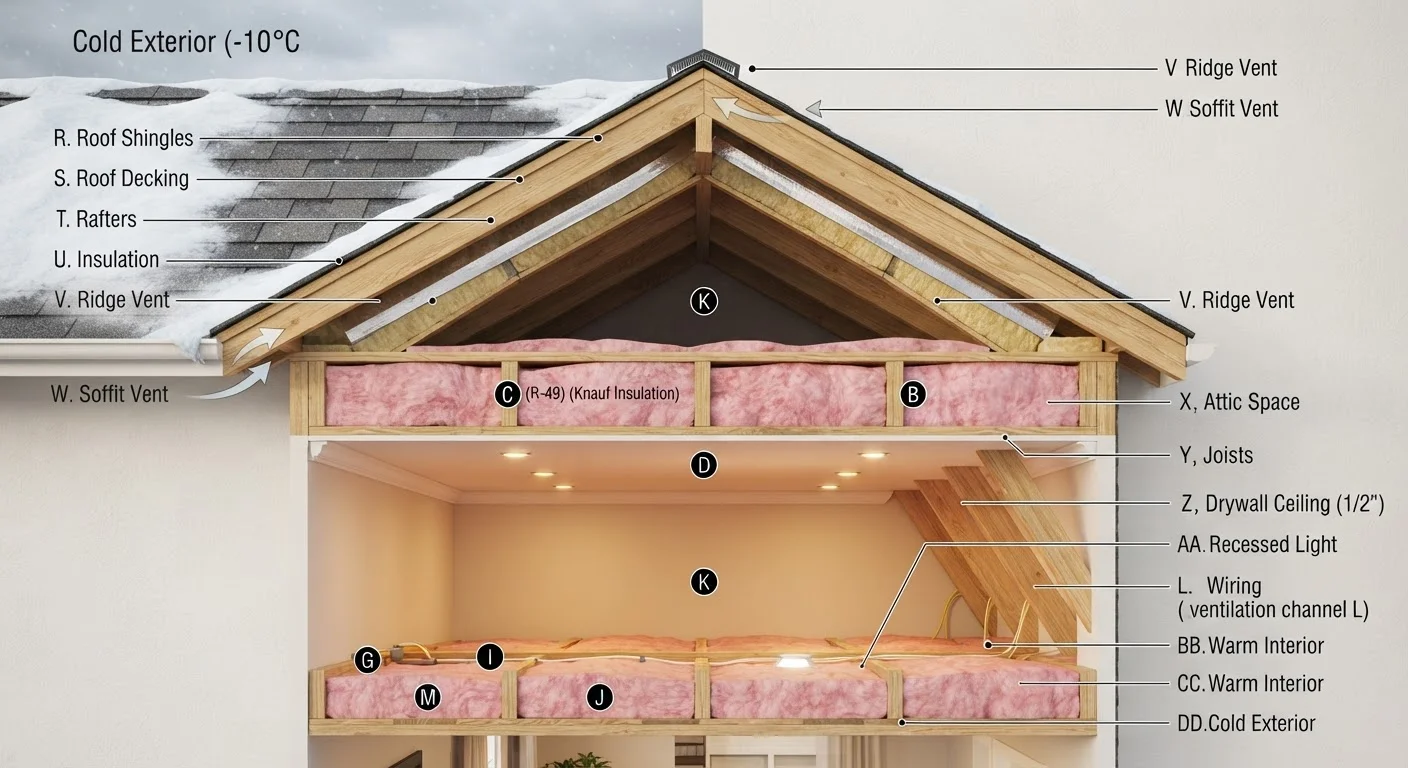
R-value recommendations are tied to specific climate zones; exceeding them provides diminishing returns and can sometimes create moisture problems.
R-value measures thermal resistance — how well a material slows heat transfer. But the ideal R-value for your attic in Georgia is very different from what's appropriate in Minnesota. The U.S. Department of Energy publishes zone-specific recommendations, and installing far beyond those thresholds rarely translates to proportional energy savings. More critically, extremely thick insulation in certain assemblies can trap moisture, leading to mold or structural decay over time.
Myth
New homes are well-insulated, so buyers don't need to check.
Fact
Code-minimum insulation in new construction is often just that — the minimum — and installation quality varies considerably from one builder to the next.
Building codes set a floor, not a ceiling. A home that meets code may still have compressed batts, gaps around electrical boxes, or uninsulated rim joists — all common installation shortcuts that meaningfully reduce real-world performance. Before assuming your new home is energy-efficient, request documentation of what was installed and consider a blower-door test to identify air leakage.
Myth
Insulation keeps drafts out, so I don't need to worry about air sealing separately.
Fact
Insulation slows heat conduction but does not stop air movement; air sealing is a distinct and equally important step.
Drafts are caused by air moving through gaps, cracks, and penetrations in the building envelope — not by a lack of insulation. Fluffy insulation materials like fiberglass batts allow air to pass through them relatively freely. Air sealing with caulk, foam, or appropriate tapes addresses the actual pathway. Skipping air sealing while adding insulation is like putting on a sweater over a shirt with no back — the insulation is there, but the job isn't done.
Myth
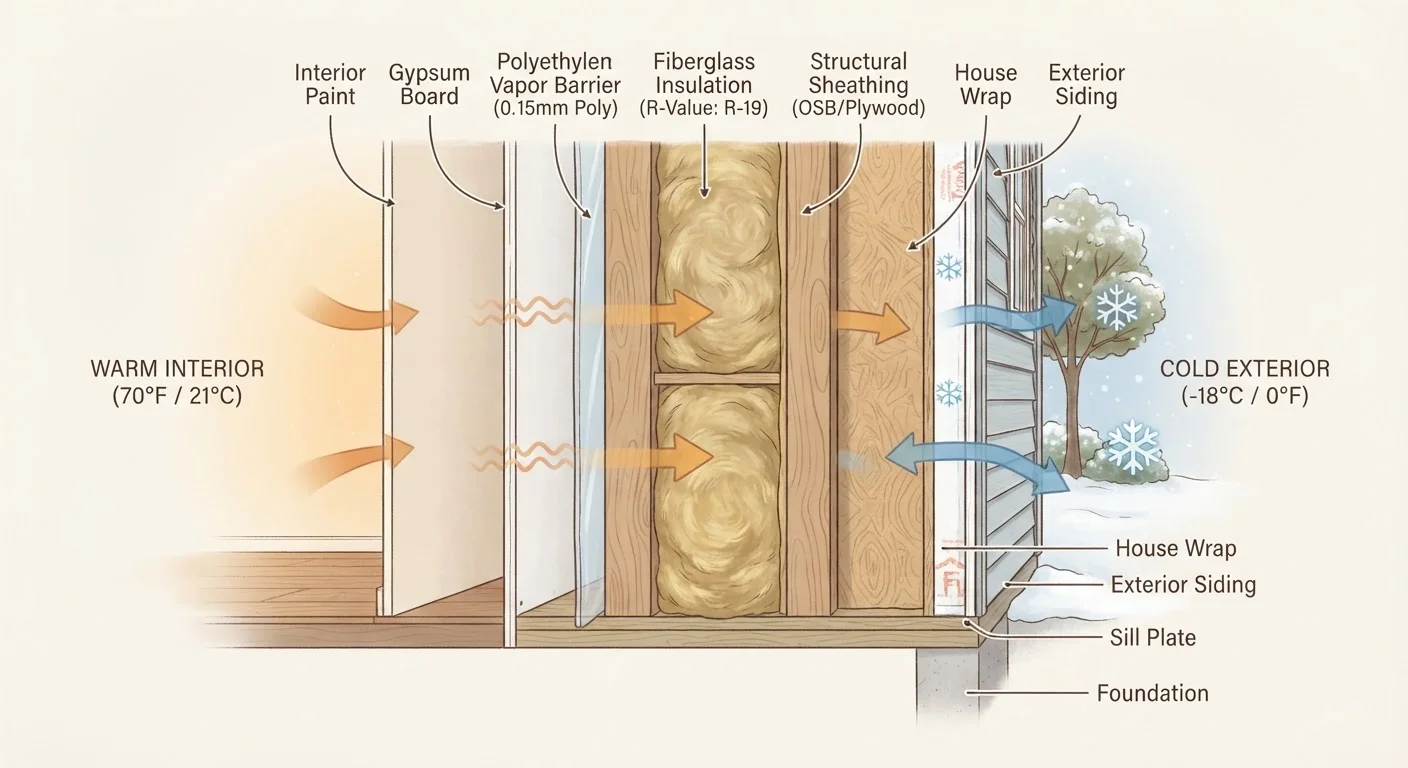
You need a vapor barrier everywhere to prevent moisture damage.
Fact
Vapor barriers are only appropriate in specific climate zones and assemblies; installing them in the wrong location can trap moisture and cause damage.
Vapor control is genuinely important, but it's location- and climate-dependent. In hot, humid climates, a vapor barrier on the interior side of an exterior wall can trap moisture inside the wall cavity. In mixed climates, the guidance is even more nuanced. Building science has evolved significantly on this topic — what was standard advice decades ago is now understood to be counterproductive in many situations. A building professional familiar with your climate zone can advise on the appropriate approach.
Myth
Once insulation is installed, it stays effective indefinitely.
Fact
Insulation can settle, compress, absorb moisture, or be disturbed by pests and renovation work — all of which reduce its performance over time.
Loose-fill insulation settles gradually, reducing its effective depth and R-value. Fiberglass batts that get wet lose their thermal resistance and may harbor mold. Pest activity can displace or contaminate insulation materials. Any renovation that opens walls or ceilings is an opportunity to inspect and, if needed, update insulation. A periodic visual check of accessible areas like attics and crawl spaces is a reasonable maintenance habit.
Myth
The attic is the only place insulation really matters.
Fact
Attics are typically the highest-priority area, but walls, crawl spaces, rim joists, and basement ceilings can each account for significant heat loss.
Heat loss happens across the entire building envelope, not just the ceiling. In many homes, uninsulated or under-insulated rim joists — the framing at the top of foundation walls — are a major source of air leakage and conductive loss. Crawl spaces and unfinished basements also contribute substantially. An energy audit maps the actual loss points in your specific home, which is almost always more useful than assuming the attic is the only concern.
What to Do With This Information
Correcting insulation myths doesn't require a full renovation. Start with an energy audit — many utility companies offer them free or at low cost — to identify exactly where your home is losing heat or cool air. Focus first on the attic, since that's typically where the greatest energy loss occurs, then assess crawl spaces, rim joists, and exterior walls.
DIY Insulation Has Limits — Know Them
Adding attic insulation is one of the more accessible DIY projects for homeowners. However, work involving knob-and-tube wiring, vermiculite (which may contain asbestos), or spray foam in enclosed cavities should involve a licensed professional. Disturbing older insulation materials without proper testing and protective equipment can pose serious health risks. Always verify whether permits or inspections are required in your municipality before beginning any significant insulation work.
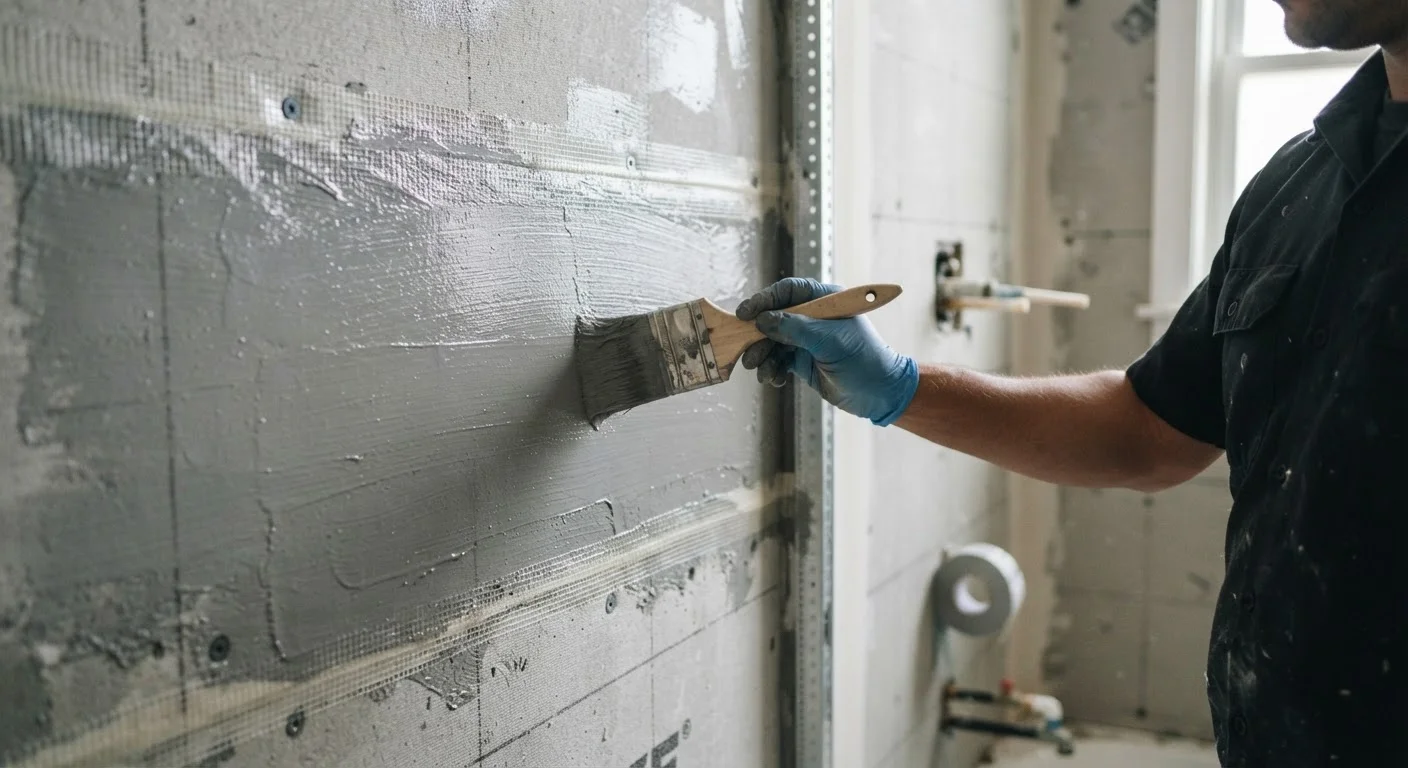
If you're budgeting for upgrades, understanding where myths have steered past decisions is half the battle. Insulation improvements are among the more straightforward home investments for reducing energy use over time, but outcomes vary significantly by home age, construction type, and local climate. Always get an assessment before committing to materials or methods. And just as insulation myths can lead homeowners astray, similar misconceptions affect other areas of home ownership — from insurance coverage assumptions to hidden moisture barriers that prevent far costlier damage down the road.
90%
U.S. homes that may be under-insulated
According to the North American Insulation Manufacturers Association, an estimated nine in ten U.S. homes lack adequate insulation and air sealing.
15%
Typical energy loss through the attic
The U.S. Department of Energy estimates that attic air leakage accounts for a significant share of heating and cooling energy loss in many residential homes.
This article is for general informational purposes only. Insulation requirements vary by region, climate zone, and local building codes. Consult a licensed contractor or building professional before undertaking any significant insulation project. Work involving structural components or HVAC systems may require permits — verify requirements with your local authority.