Defining the Terms: It's Not Black and White
The phrase "processed food" carries a loaded connotation in popular health culture, but the scientific definition is considerably more nuanced. The PAHO NOVA classification system — widely used in nutrition research — divides foods into four groups based on the extent and purpose of processing:
- Group 1: Unprocessed or minimally processed foods (fresh produce, plain meat, eggs, milk)
- Group 2: Processed culinary ingredients (oils, flour, sugar, salt used in cooking)
- Group 3: Processed foods (canned vegetables, cheese, cured meats)
- Group 4: Ultra-processed foods (packaged snacks, reconstituted meat products, sweetened beverages)
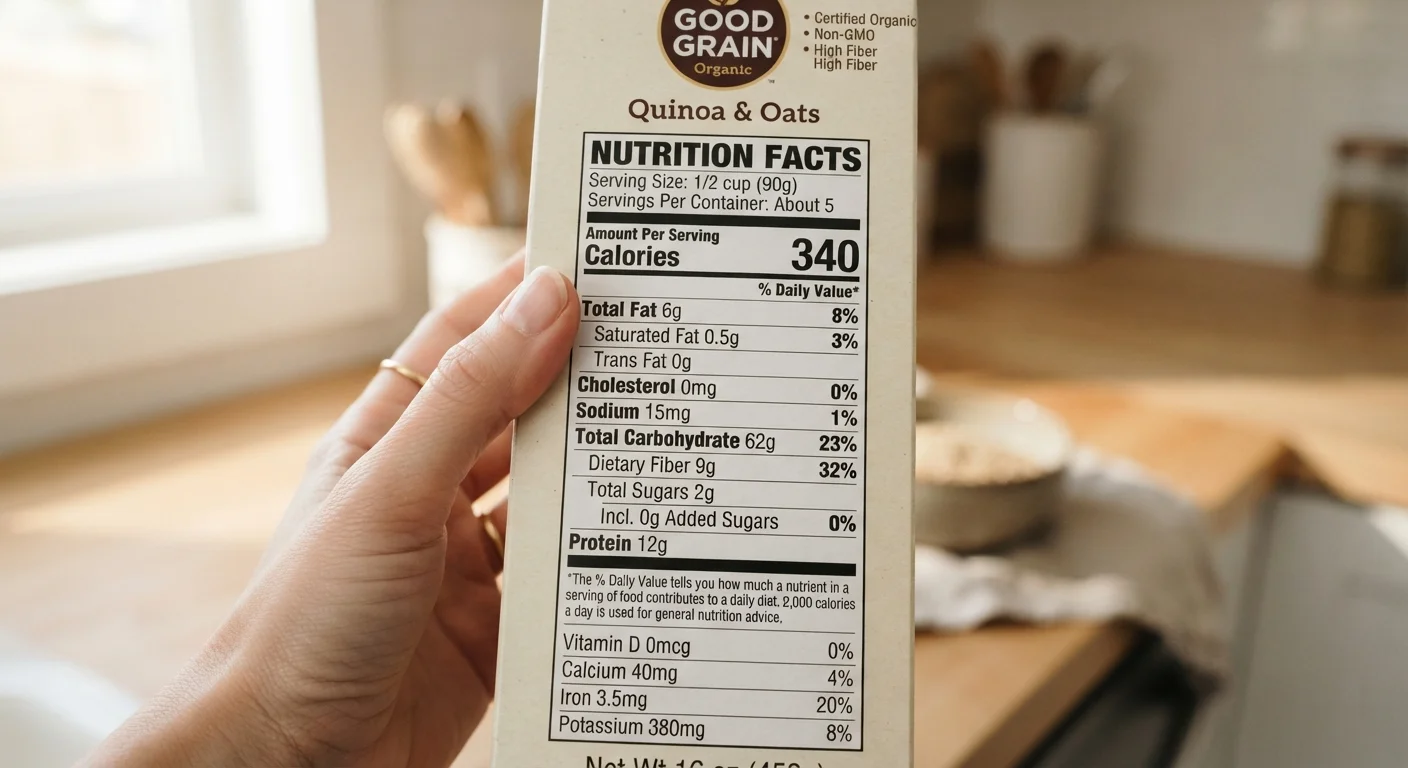
This distinction matters because much of the health research pointing to harm from "processed foods" is specifically about ultra-processed foods (Group 4) — not canned tomatoes or frozen peas. Understanding where a food falls on this spectrum is the first step to making sense of the evidence. For a practical guide to evaluating what's inside packaged foods, see our guide to reading Nutrition Facts labels.
What the Research Shows
Large observational studies — including analyses from cohorts in Europe and the Americas — have found consistent associations between higher ultra-processed food consumption and elevated risks of cardiovascular disease, type 2 diabetes, obesity, and all-cause mortality. A 2019 study published in The BMJ following over 100,000 French adults found that each 10% increase in ultra-processed food intake was associated with a meaningful increase in cardiovascular risk. Because these are observational studies, they demonstrate association, not direct causation — a critical distinction researchers themselves emphasize.
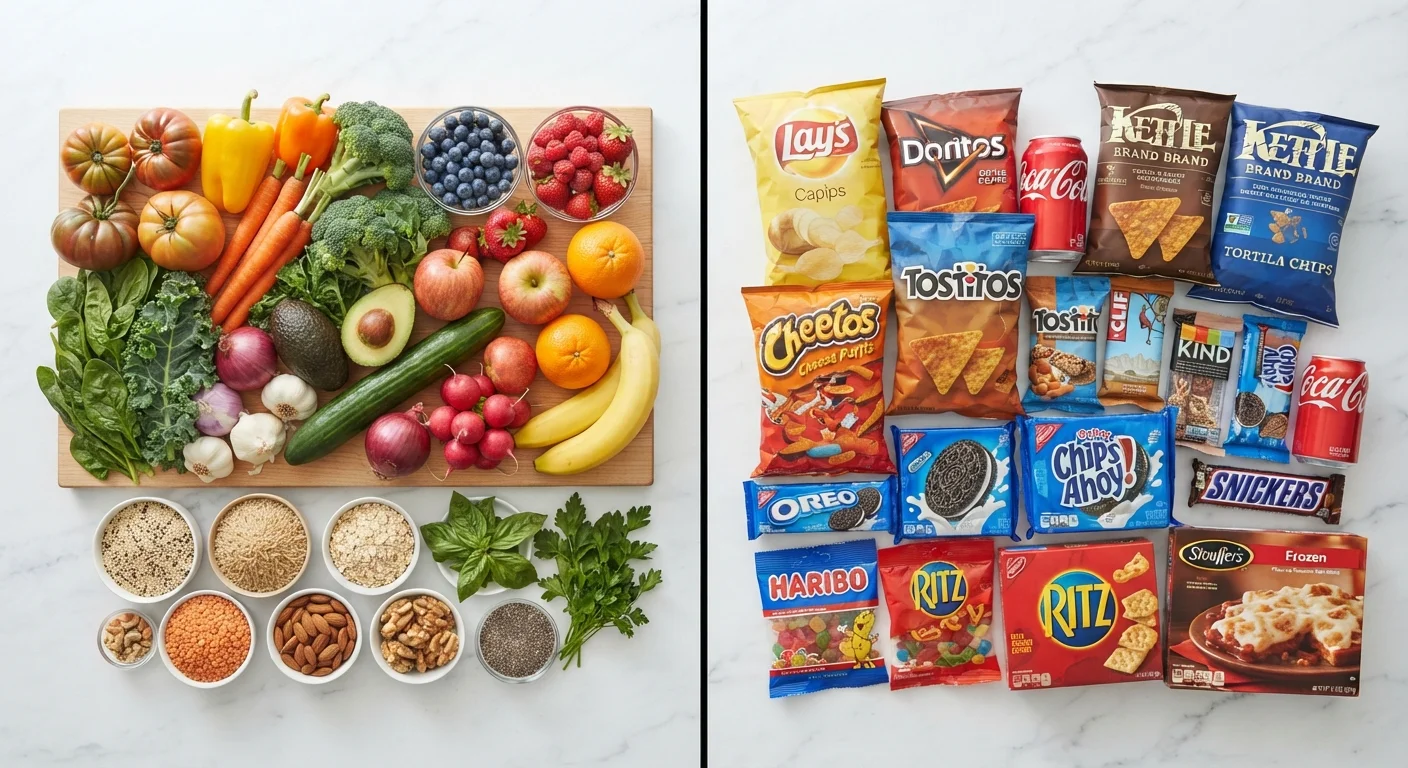
On the whole-foods side, diets rich in vegetables, legumes, whole grains, and fruits are consistently associated with reduced chronic disease risk. The mechanisms under study include higher fiber intake (supporting gut microbiome diversity), greater micronutrient density, and lower exposure to additives like excess sodium, added sugars, and certain emulsifiers.
| Criterion | Whole Foods | Ultra-Processed Foods |
|---|---|---|
| Fiber content | Naturally high | Typically low or stripped out |
| Micronutrient density | High; intact vitamins and minerals | Often depleted; sometimes fortified |
| Added sugars | Absent or minimal | Frequently high |
| Sodium levels | Naturally low | Often elevated |
| Additives and emulsifiers | None | Common in formulation |
| Shelf life | Short to moderate | Extended |
| Cost per serving | Varies; staples are affordable | Varies; often cost-competitive |
| Preparation time | Moderate to high | Low |
It's worth noting that food processing is not inherently harmful. Pasteurization makes milk safer. Fermentation produces yogurt and kimchi. Freezing preserves nutrients in vegetables that would otherwise degrade. The concern in the research centers specifically on the degree of industrial reformulation and the additive profiles typical of ultra-processed products. For more on the role that individual macronutrients play, see our macronutrients explainer.
Practical Implications for Everyday American Diets
Telling someone to "eat only whole foods" ignores real constraints — cost, time, food access, and cultural preferences all shape what ends up on the table. The practical evidence-based approach is a matter of proportion and substitution rather than elimination.
57%
Share of calories from ultra-processed foods in average U.S. diet
Research published in BMJ Open estimated that ultra-processed foods account for roughly 57% of total energy intake in the United States.
10%
Associated cardiovascular risk increase per ultra-processed food intake increment
A large French cohort study published in The BMJ found each 10% increase in ultra-processed food share was associated with increased cardiovascular risk.
28%+
Lower diet quality score among high ultra-processed food consumers
Multiple dietary quality assessments show significantly lower Healthy Eating Index scores among adults with high ultra-processed food consumption.
Strategies that hold up in research and in real life include:
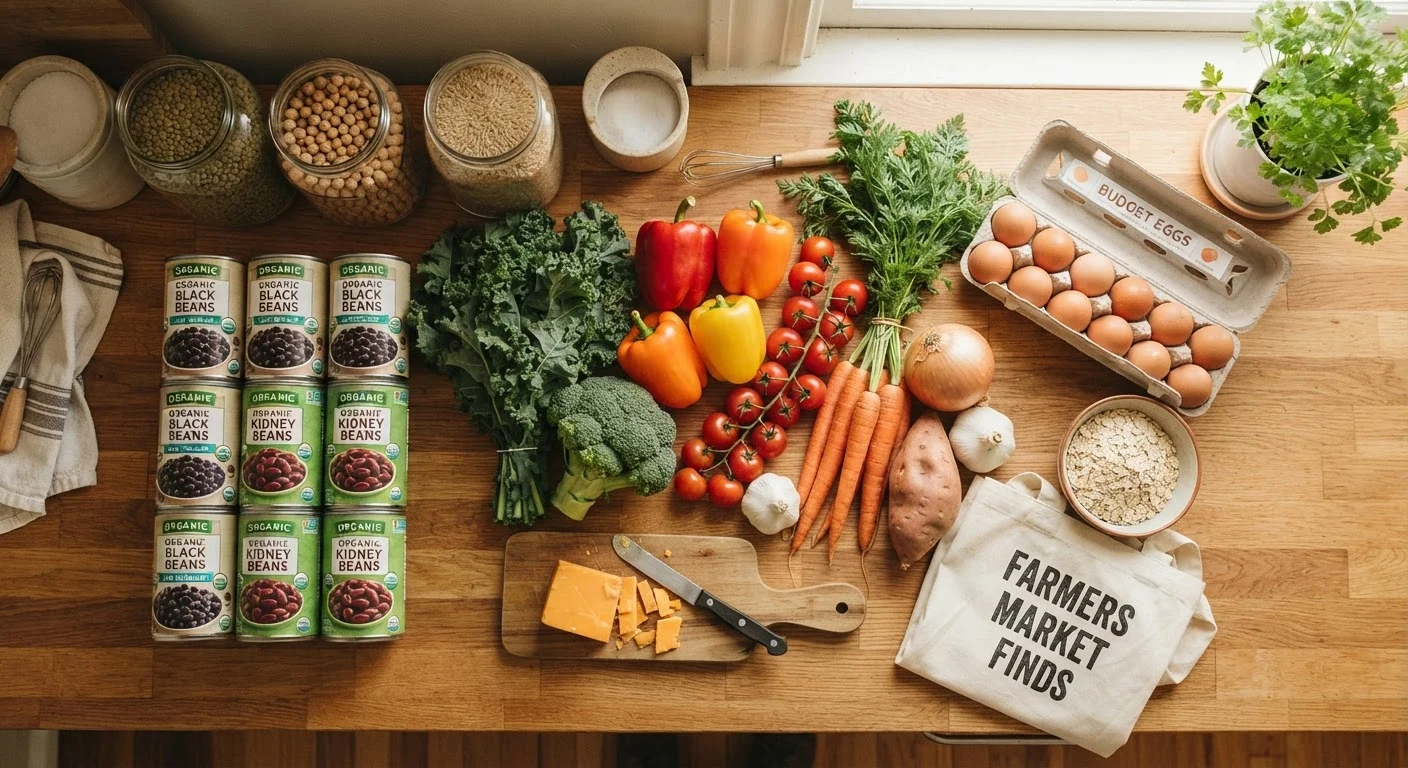
- Anchor meals in minimally processed staples: Plain grains, legumes, frozen or canned vegetables (with low sodium), eggs, and plain dairy provide strong nutritional foundations at a range of price points.
- Read labels with intent: Shorter ingredient lists with recognizable items generally signal less processing. High added-sugar or sodium counts are meaningful signals regardless of health claims on the front of the package.
- Apply the 80/20 lens: Most nutrition researchers and registered dietitians suggest that overall dietary patterns — not individual foods — drive health outcomes. A diet composed largely of whole and minimally processed foods can accommodate occasional ultra-processed items without significant harm.
For readers navigating grocery decisions on a limited budget, our guide to eating well on a budget provides strategies grounded in nutritional science. And if you want to audit your current habits, a weekly grocery list audit is a useful next step.
Not All Processed Foods Are Created Equal
Minimally processed foods like plain frozen vegetables, canned legumes, and pasteurized dairy sit far closer to whole foods nutritionally than the ultra-processed products studied in most alarming headlines. The term 'processed' covers an enormous range — context and degree matter when interpreting research findings or making grocery decisions.
This article is for general informational and educational purposes only and is not a substitute for personalized medical or dietary advice. Consult a qualified healthcare professional or registered dietitian before making significant changes to your diet, especially if you have an existing health condition.